


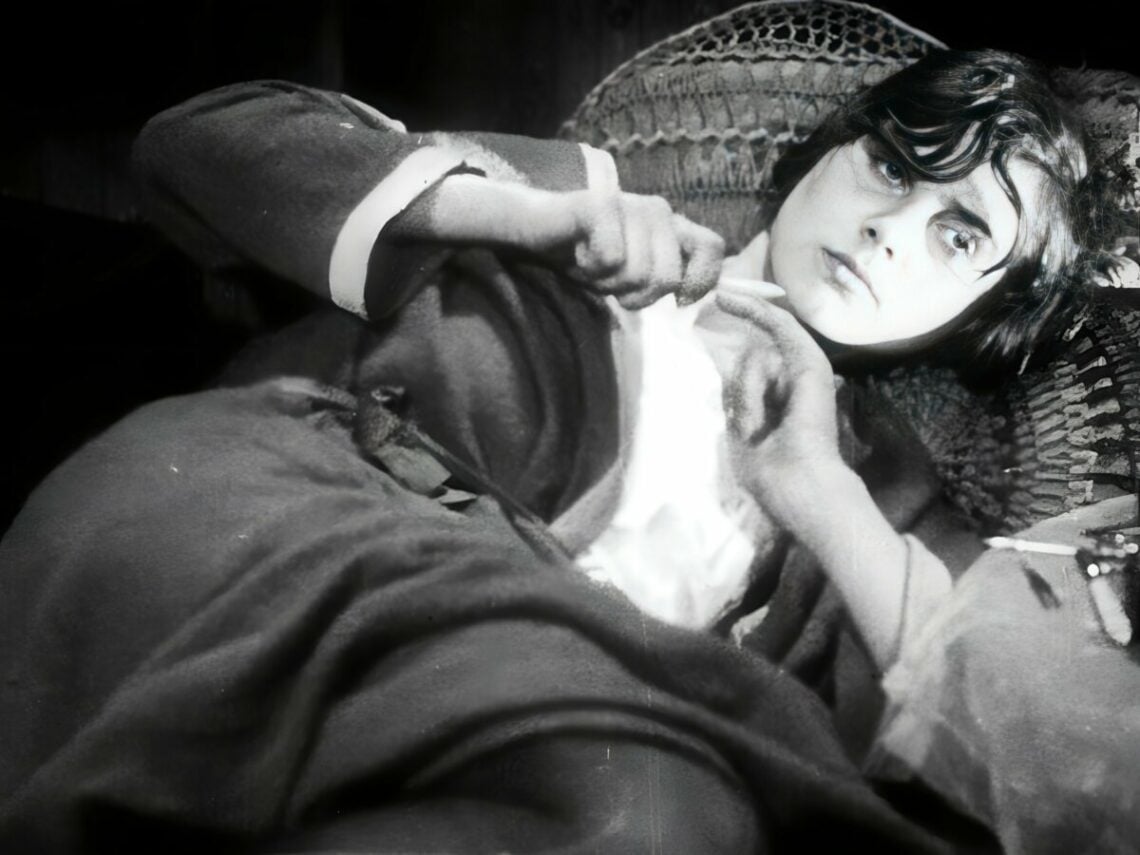
‘People on Sunday’: an early precursor to mumblecore cinema

Mumblecore is a strange genre, one that has always remained firmly within the independent realm. In fact, at its very core, mumblecore is quintessentially anti-Hollywood. The term was coined in the mid-2000s to identify a certain kind of American indie film, where characters spend most of the runtime talking. There is rarely dramatic blockbuster-esque action – instead, these movies focus more on day-to-day life.
Filmmakers such as Mark and Jay Duplass, Joe Swanberg, Andrew Bujalski and Greta Gerwig (primarily as an actor/writer, before she transitioned to bigger budget directorial projects) are some of the key figures of the genre. Emerging in 2002, Funny Ha Ha, directed by Bujalski, is considered the first. Made on a minuscule budget, the film follows a recent graduate, Marnie, as she tries to find a sense of stability after university and get her life together. Shot on 16mm, the indie flick demonstrated that movies about the mundanity of life can be far from boring, marking the start of a boom of similar conversation-oriented low-budget movies.
It’s not hard to see where these filmmakers were taking inspiration from. French director Eric Rohmer – particularly during the filming of his Comedies and Proverbs series – allowed his actors to have a lot of improvisational freedom, depicting his characters doing little more than conversing with others. His 1986 film The Green Ray was shot with a crew of less than ten people, with non-actors chatting and interacting with protagonist Delphine. Similarly, Richard Linklater’s Before Sunrise, in which two strangers impulsively explore Vienna together, largely consists of walking and talking.
Some of the most popular mumblecore films include Swanberg’s LOL and Hannah Takes The Stairs, the Duplass brothers’ Baghead, Lena Dunham’s Tiny Furniture and Noah Baumbach’s Frances Ha. Several of these feature Gerwig, who typically earned writing credits for the projects she appeared in. With Swanberg, she collaborated on a handful of films, gaining her first experience as a director with Nights and Weekends.
Mumblecore is an odd genre in the sense that it is hardly a genre at all. The term was used to describe a set of similar movies emerging from a certain group of filmmakers, yet none of them set out with the mission to create a new cinematic movement. Thus, while Funny Ha Ha is considered the first mumblecore movie, there is no official beginning or end to the genre.
There are many movies that we can consider precursors of the mumblecore era, as suggested above, but the earliest example is perhaps People On Sunday, released in 1930. Now, this film is a silent one, so you might be wondering how on earth it can be considered a mumblecore movie. Yet, the film, directed by Robert Siodmak and Edgar G. Ulmer – and written by Billy Wilder, who wound up becoming one of Hollywood’s most successful filmmakers – contains many hallmarks of the mumblecore genre, just without all the talking.
The movie contains amateur actors, in the mumblecore tradition, who all actually did the jobs they ‘pretended’ to do in the film. Much of the script was conceived of by the ‘actors’, following Wilder’s loose story, and featured an overwhelming sense of naturalism. People On Sunday featured very little dramatic action; instead, it followed the characters’ daily lives, revealing the intimacies of the everyday.
While we cannot exactly call it a mumblecore movie, People On Sunday is a very early precursor to a period of American indie cinema that remains highly coveted and influential.
