


The 10 greatest uses of the melodica in popular music

“Since its introduction last year,” read a 1960 advert, “Teenagers, college students, businessmen, and housewives have taken to the Hohner Melodica, the fun-packed instrument that is so easy to play”.
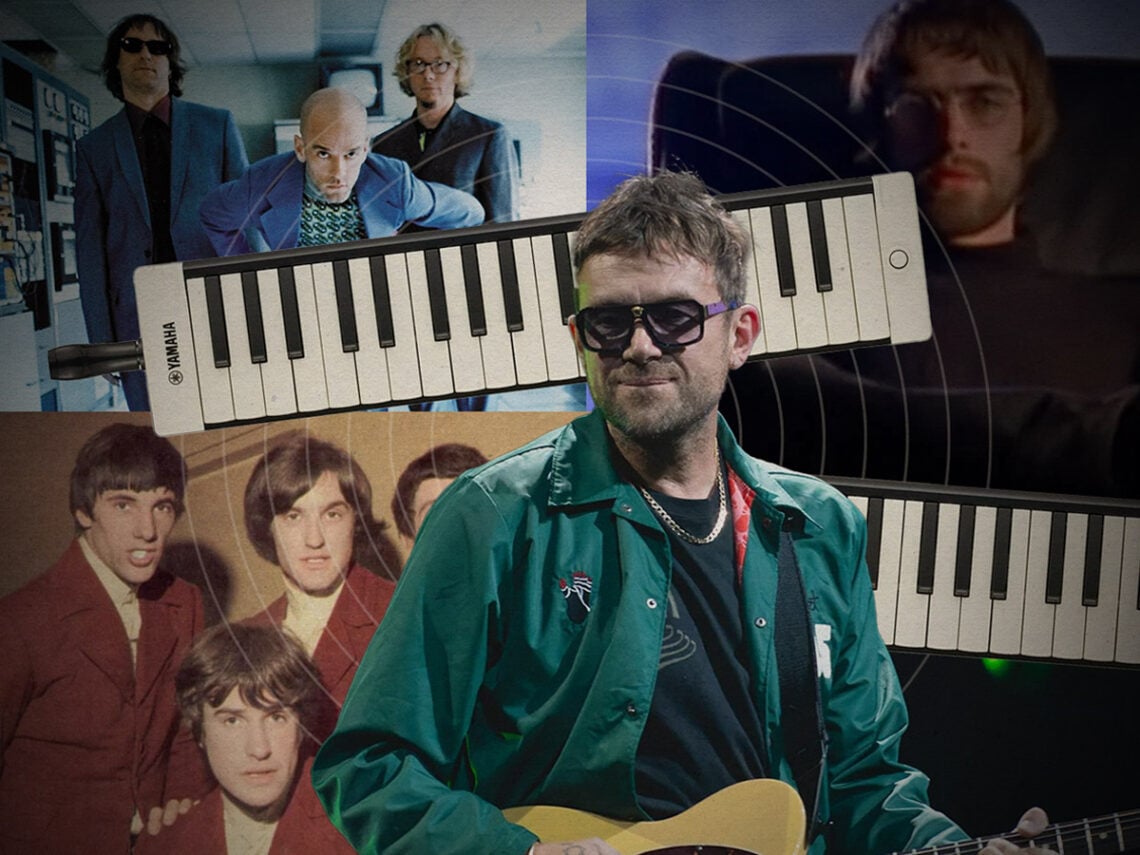
Maybe the word ‘melodica’ or its Japanese-made equivalent, the Suzuki Melodion, aren’t immediately familiar to you, but you’ve almost certainly seen and heard one before, as these odd hybrid instruments, originally designed as educational toys of a sort, have been embraced by rock bands and pop stars for over 60 years now, adding a distinctive, playful tone to hits by everyone from The Kinks to Oasis to Gorillaz.
As you can tell from the ad quote, the original developer of this harmonica-keyboard mash-up, the respected German manufacturer Hohner, was noticeably careful not to promote the melodica to actual working musicians. It was seen as a tool for learning the basics of playing music, sort of like a fancier recorder for school children.
“The Hohner Melodica has two full octaves in chromatic sequence,” the ad continued, “And a pleasant sound. You can play it solo, in a group, or to accompany your favourite recording star. You will be able to play notes and chords right away, and within a week, any melody in any key.”
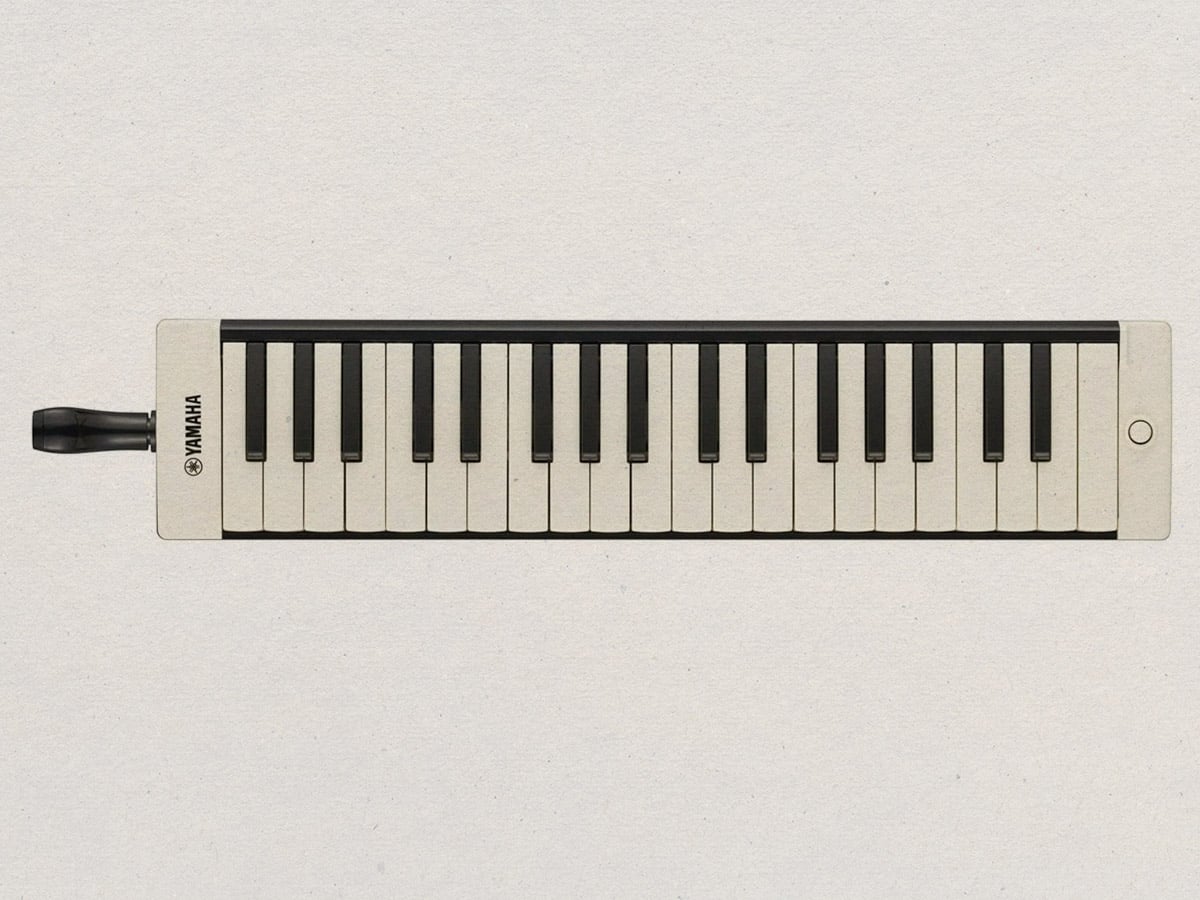
Hohner had been around for 100 years by this point and was known for its quality harmonicas and accordions. They certainly didn’t envision the melodica becoming a big part of that legacy, if for no other reason than it just looked too silly to be taken seriously as a proper performing instrument, about as cool as swapping out a cigarette with a vape. Lightweight and made of cheap plastic, the early designs included 32 or 37 keys, with a mouthpiece at the top. An attachable air tube was later included to allow the user to play it upright like a clarinet or horizontal on a tabletop like a mini-organ. It was, for lack of a better explanation, the ‘little keyboard you blow into’.
Not long after its introduction, though, the melodica quickly began breaking free of its ‘educational’ tag and gaining fans among a wide variety of musicians, many of whom liked the versatility of a keyboard instrument that could function like a mouth harp or a wind instrument, communicating different energy based on the amount of lung power put into it.
“The melodica is interesting because it’s a blend of a harmonica and an accordion; I like to call it a harmoniboard,” jazz musician and former Late Show with Stephen Colbert band leader Jon Batiste told the Jazz Times in 2014, noting the effect the player’s breathing can have on the notes being played. He added, “Your air is your life. Your breath is your life. And when you play a horn, you’re breathing life into the instrument. So what you do with your air is actually what your expression is, that’s how you create your sound, your inflexions.”
As pop music entered a golden experimental era in the mid 1960s, anything that produced a new or interesting sound was fair game to bring into the studio, and the melodica was soon popping up in the hands of some of the biggest artists of the era. There’s footage, for example, of John Lennon working out the melody of ‘Strawberry Fields Forever’ on a melodica during The Beatles’ first tour of the United States in 1964, several years before the song was eventually recorded (using a mellotron). The Kinks’ 1966 hit single ‘Sunny Afternoon’ prominently features Nicky Hopkins on the melodica, and Brian Wilson of The Beach Boys adopted one for the Smiley Smile sessions a year later.
In the 1970s, the instrument took on a completely new international context when a young Jamaican reggae artist named Horace Swaby, performing under the stage name Augustus Pablo, used it to create what he called, with some level of geographical irony, “the Far East Sound”.
“One day I went to see a friend, and his girlfriend lent me this instrument, the melodica,” Pablo recalled, as quoted in Stephen Davis’s 1992 book Reggae Bloodlines: In Search of the Music and Culture of Jamaica, “I learn to play it, and I go into the studio and blow two tunes. One went to thirteen on the charts, and they give me this name, Augustus Pablo. They tell me the name fit me good.”
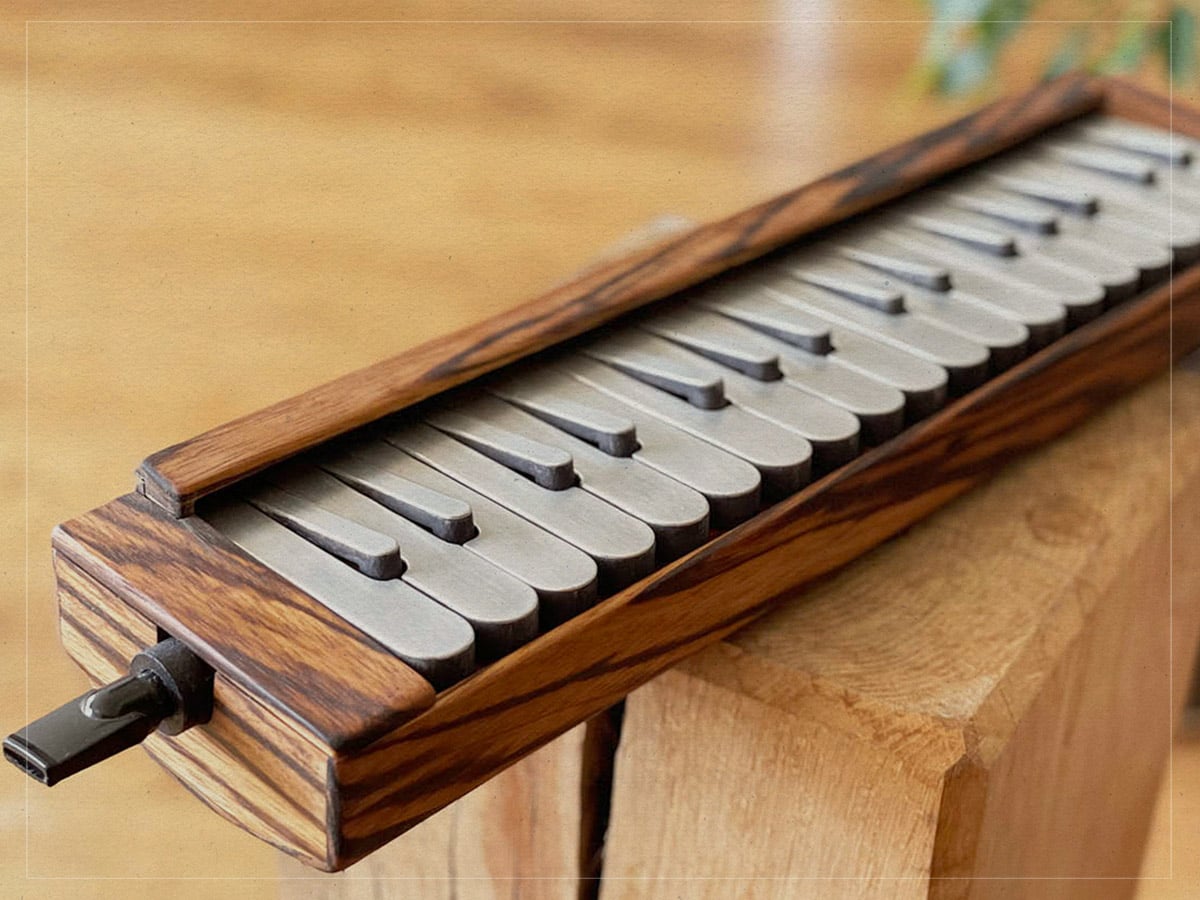
Working with producer King Tubby, Pablo soon became one of the stars of Jamaican dub, and the melodica came along with him as a defining part of the genre’s evolving sound. “We play reggae music by feeling it,” Pablo said, “We call it the ‘Far East Sound’ ’cause we play in minor chords… When you play those chords, it’s like a story without words, and certain mon who go into deep meditation can penetrate it.”
Pablo’s completely unique use of the melodica had a big impact on its future in pop music, as many British punk and post-punk artists who’d been influenced by dub reggae began adapting the Far East Sound into their music, including Gang of Four (‘5.45′), Bauhaus (‘She’s in Parties’), Depeche Mode (‘Everything Counts’), and both Joy Division (‘Decades’) and New Order (‘Love Vigilantes’).
Equally able to evoke childhood innocence, a cheery kazoo-like hook, or a spooky outer-space vibe, the melodica, melodion, and the various other iterations of the design have never really gone out of style. You can hear them on ‘70s classics by Steely Dan and David Bowie, ‘90s hits by Oasis and REM, several career-defining 2000s tracks by Gorillaz, and a boatload of great indie-pop, alt-country, and modern jazz tunes of more recent years.
Here’s a tasting menu of ten melodica-infused songs; some you’ve certainly heard before (possibly without noticing the presence of the face-keyboard) and others you might be less familiar with.
10 melodic melodica melodies:
My Favourite – ‘Burning Hearts’ (2002)
By no means among the most famous uses of a melodica in pop history, this turn-of-the-century track nonetheless ranks among the best distillations of what makes this former educational toy a viable lead instrument.
Led by songwriter Michael Grace Jr, the New York-based My Favourite developed a cult following in the late 1990s and early 2000s, but ‘Burning Hearts’ deserved some love from above the underground, as the melodica hook, played by singer Andrea Vaughn, pulls you into an epic indie-pop anthem about lost loves and a nuclear winter.
Augustus Pablo – ‘East of the River Nile’ (1977)
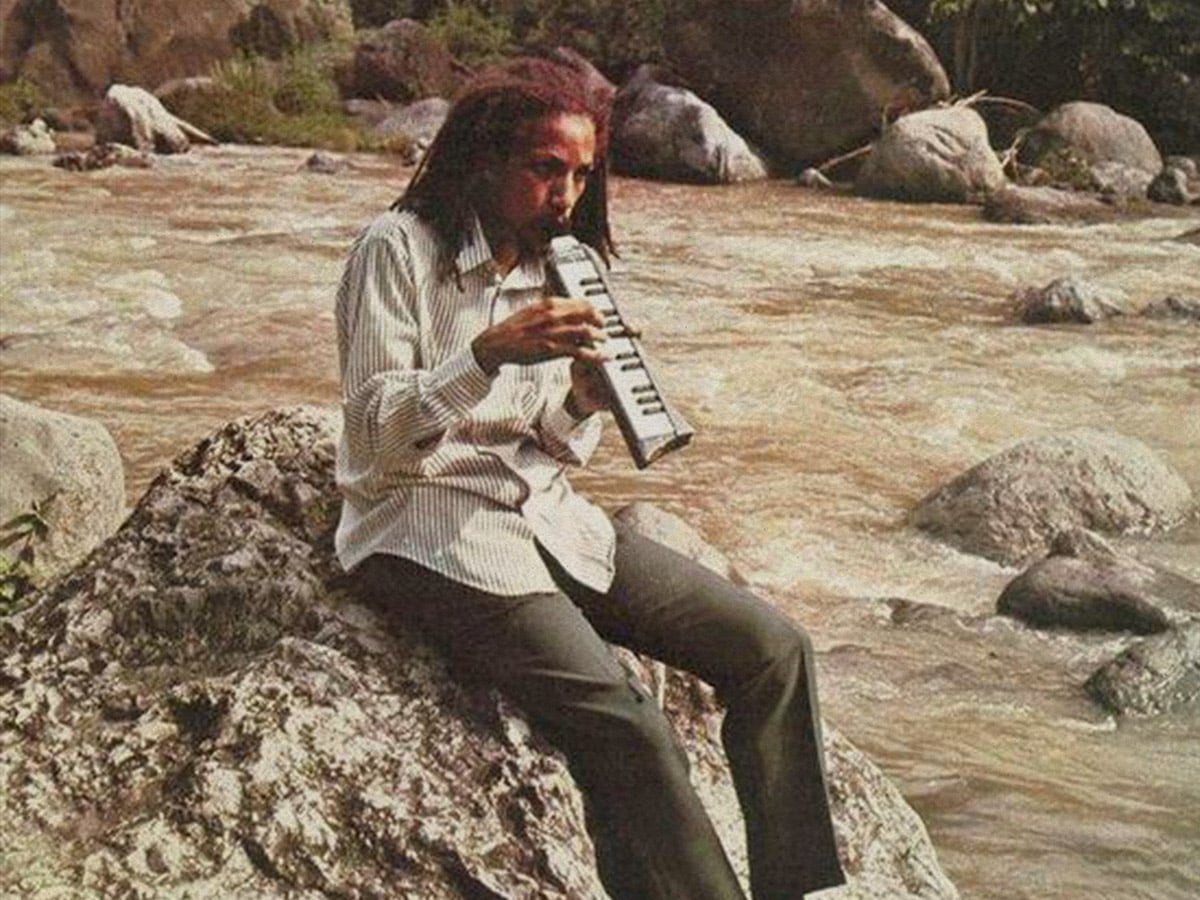
The rebirth of the melodica from a cute novelty into something legitimately cool starts here, as the Jamaican dub artist Augustus Pablo transformed a humble plastic keyboard someone randomly handed to him into something mystical and meditative.
Floating over King Tubby’s deep dub production, the melodica melody feels ghostly and hypnotic, proving how expressive the instrument could become in the hands of someone using breath and phrasing more like a jazz horn player.
Gorillaz – ‘Clint Eastwood’ (2001)
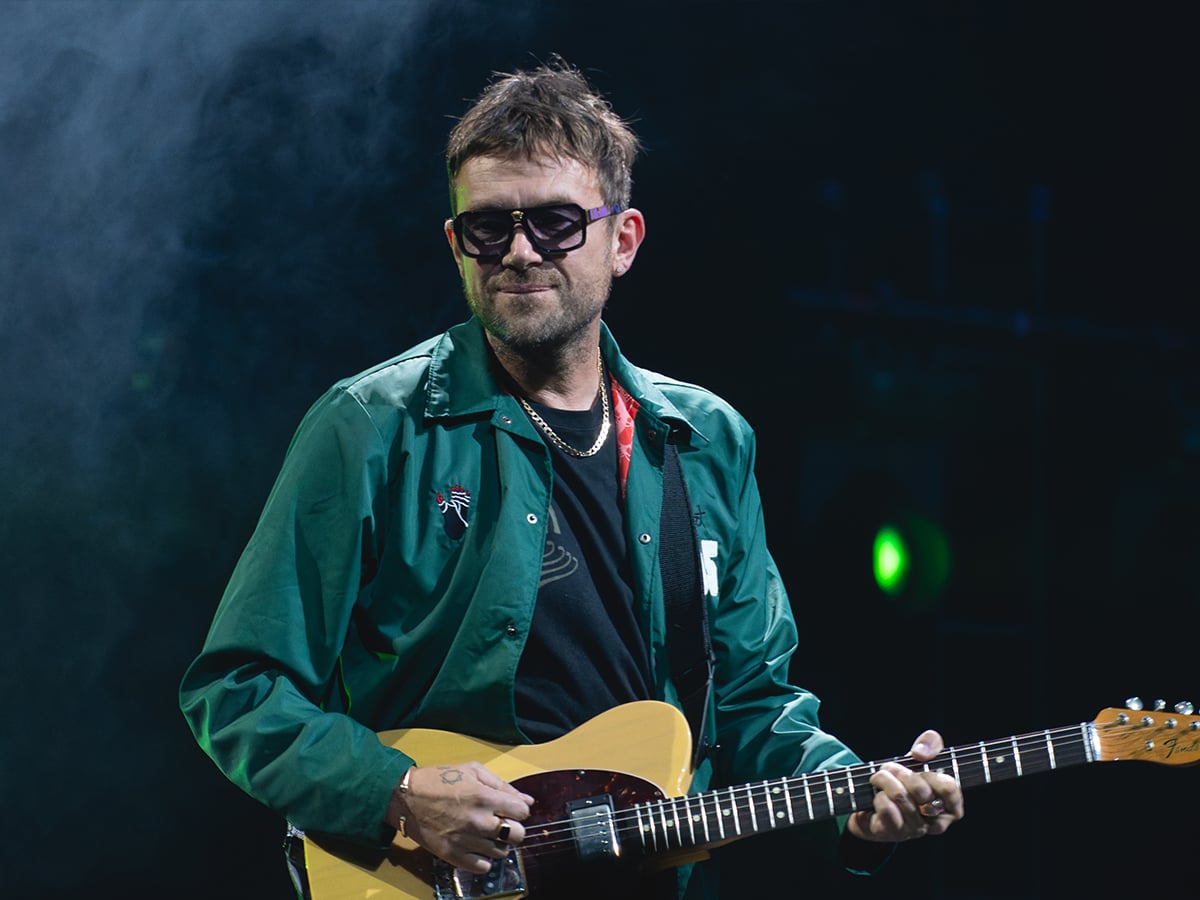
Augustus Pablo provided the template that Damon Albarn ultimately followed when he developed the instantly recognisable melodica riff at the centre of his cartoon band’s breakout hit in 2001.
Paired with another notorious kids’ instrument, the Suzuki Omnichord, it gives ‘Clint Eastwood’ its woozy, Old West atmosphere, somewhere between dub reggae, hip hop, and a children’s TV theme song. Without the melodica, the entire strange charm of the track probably collapses.
Gang of Four – ‘5.45’ (1979)

Gang of Four were on the cutting edge of the UK’s post-punk wave, but part of what made their debut Entertainment an all-time classic was the way Andy Gill’s stabbing guitar lines were complemented with unusual, softer textures, including the melodica that Gill himself plays on this one.
Likely inspired again by how the instrument was being used in dub reggae at the time, the melodica adds a nervous, snake-charming tension to the song’s political paranoia.
Depeche Mode – ‘Everything Counts’ (1983)

The keytar always got a lot of criticism as a symbol of the electronic excesses of ‘80s pop, but that’s likely more because keytar players dared to wield the instrument as a stand-in for rock’s sacred guitar. When Martin Gore played the melodica at Depeche Mode gigs, by contrast, it felt more like a step away from the synths toward something a bit more organic and human, oddly enough.
On this single from the album Construction Time Again, the melodica undercuts the anti-capitalist message of the song with a playful tune, expressing how little care those “grabbing hands” have for the consequences of their acts. It’s a very similar vibe to the role the whistles play in Peter Gabriel’s ‘Games Without Frontiers’ from a few years earlier.
The Handsome Family – ‘Weightless Again’ (1998)
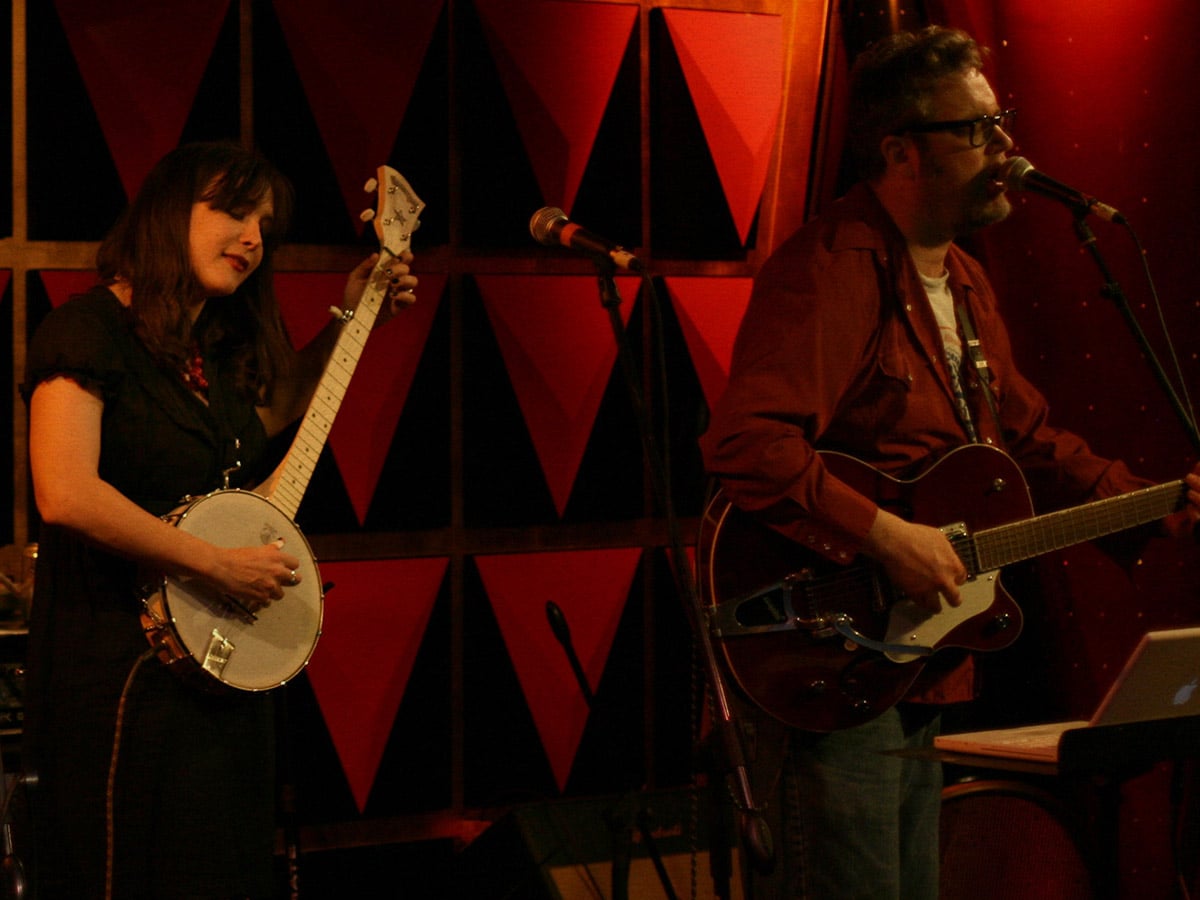
This eerie alt-country classic features a prominent melodica line, played by songwriter Rennie Sparks, that drifts above her husband Brett Sparks’ acoustic strums and baritone laments like a prairie wind.
Fans of the Handsome Family have always appreciated their cynical but often humorous perspective on gothic Americana, and the reedy wind keyboard has always melded seamlessly into their world alongside the occasional saw, autoharp, or pedal steel guitar.
The Kinks – ‘Sunny Afternoon’ (1966)

One of the first major rock hits to showcase the melodica, ‘Sunny Afternoon’ uses the instrument to give the song its lazy, slightly drunken music-hall atmosphere.
Session legend Nicky Hopkins’ playing perfectly matches Ray Davies’ portrait of middle-class decline, adding just enough whimsical wobble to make the whole thing feel both comic and oddly melancholy.
‘The Office’ (US) – TV Theme Song (2005)

Maybe you’ve grown a tad tired of this jingle from a few too many binge-watching sessions, but that jaunty little melody carrying the American Office theme is, indeed, a melodica.
Composer Jay Ferguson used the instrument to create something upbeat, awkward, and slightly homemade-feeling, which turned out to be the perfect musical summary of the mockumentary sitcom itself.
Oasis – ‘Champagne Supernova’ (1995)

Buried amid the swirling guitars and hazy production of this Britpop epic is a melodica, feeding in some helpful texture and atmosphere to the song’s psychedelic drift.
Oasis was obviously not immune to dipping into The Beatles’ bag of tricks, and the melodica here certainly serves a similar role to the one John Lennon had in mind when he was using the instrument to work out ‘Strawberry Fields’.
REM – ‘Find the River’ (1992)
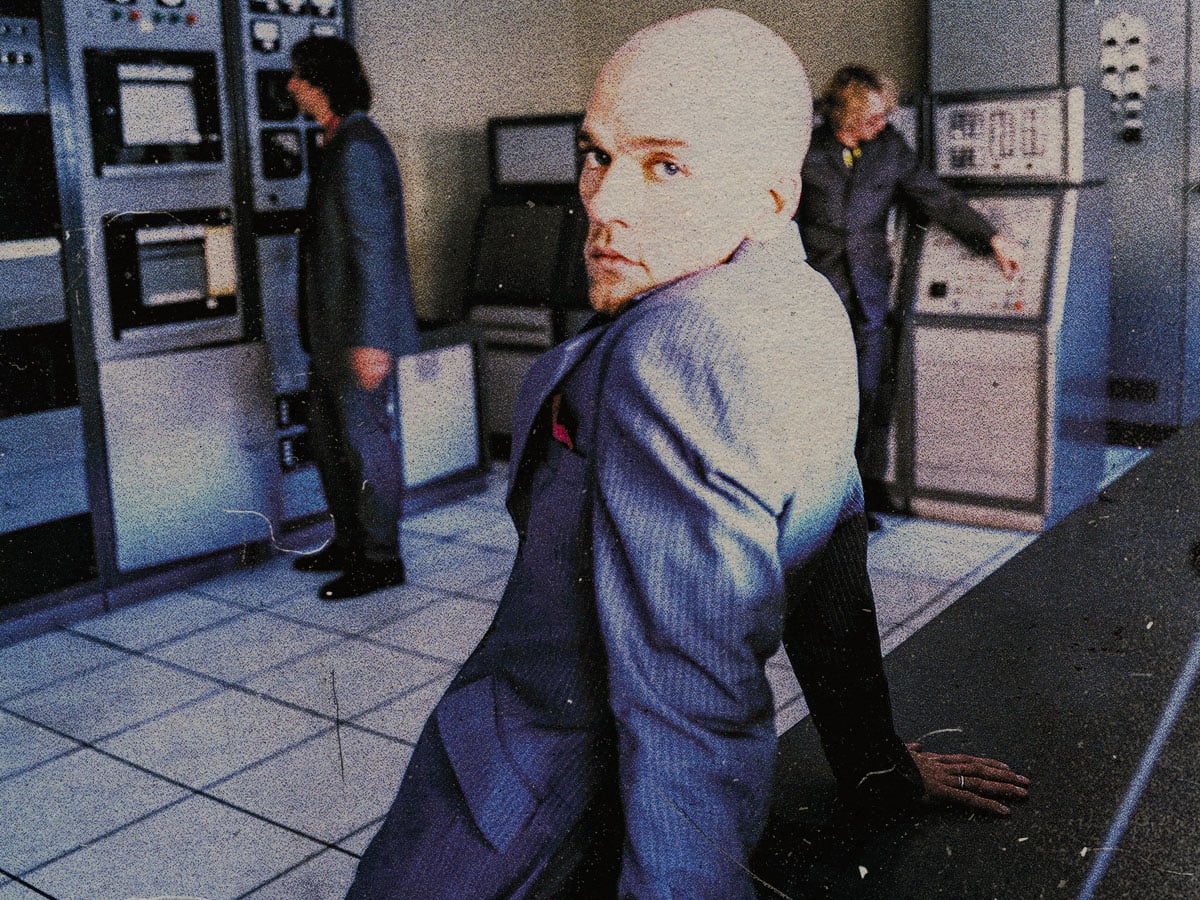
The closing track from Automatic for the People was largely the brainchild of bassist Mike Mills, who wrote and played the keyboard and melodica parts on the song, and also crafted the unusual harmonic vocals, recording his part, Michael Stipe’s, and Bill Berry’s completely separate from one another, resulting in surprising magic when they all came together.
As the heavy coda to a heavy album dealing a lot with death and loss, the little reedy wind keyboard on this track acts like a friendly guiding hand, a hopeful tone as you walk into the abyss.
