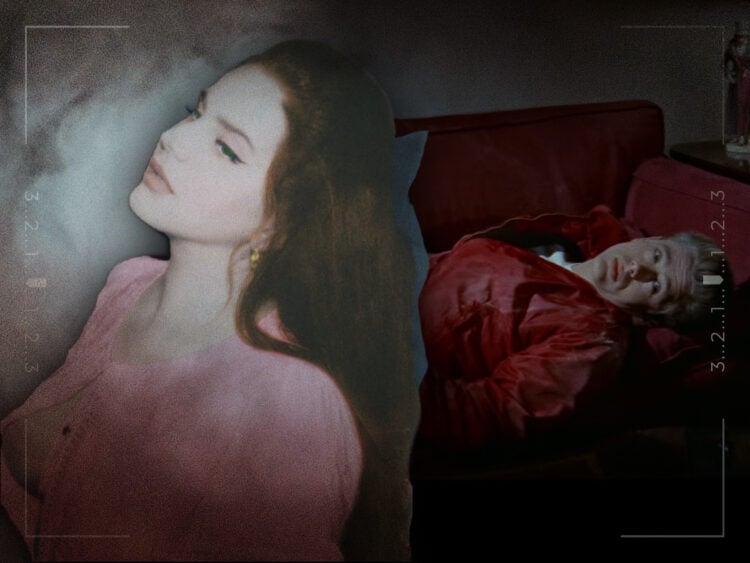
How James Dean inspired Lana Del Rey: “Live fast, die young”
An icon.


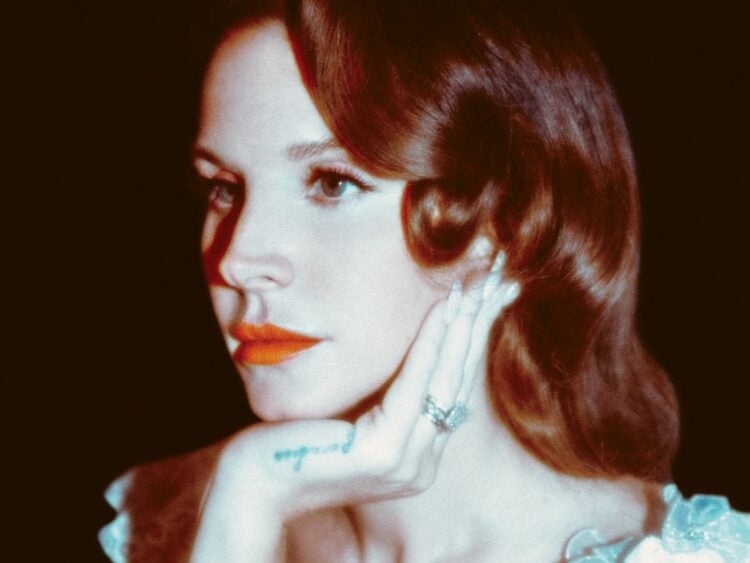
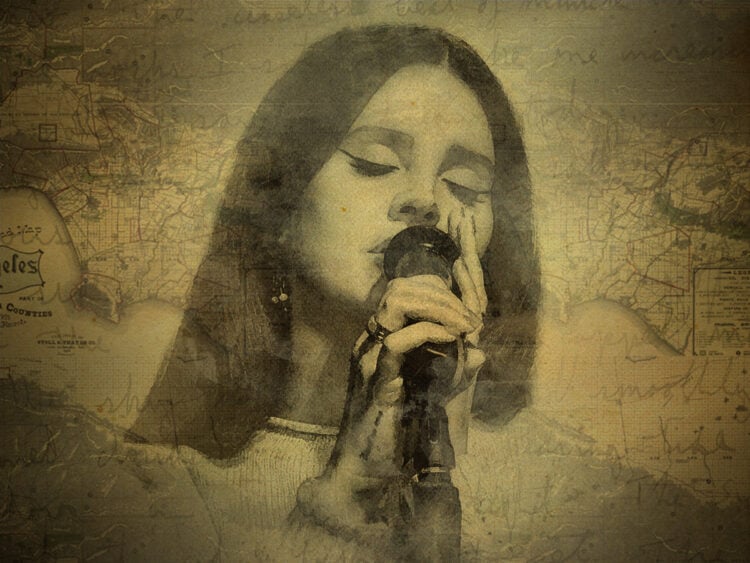
Lana Del Rey, real name Elizabeth Woolridge Grant, rose to prominence when she released the 2011 hit single ‘Video Games’. Throughout the early 2010s, Del Rey cultivated an appearance of tragic glamour, inspired by the dark side of Hollywood, 1950s/60s Americana, and references to the likes of Elvis Presley, Lolita, Bruce Springsteen, Walt Whitman, and F. Scott Fitzgerald.
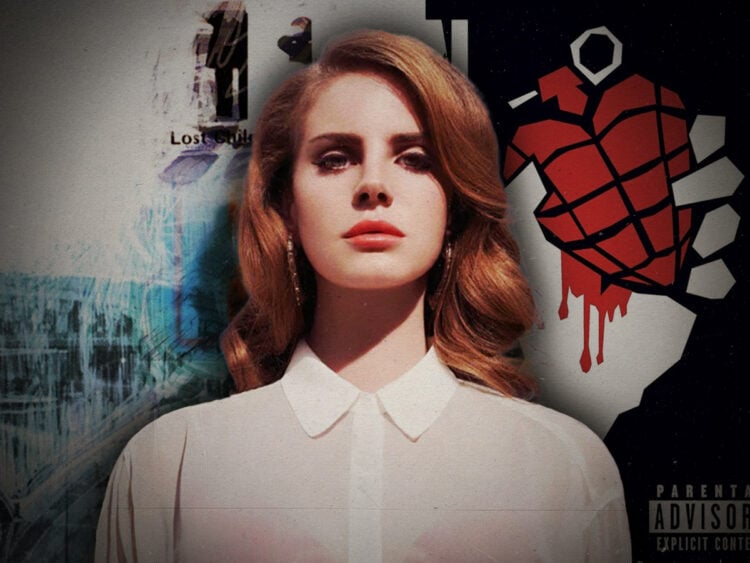
With the release of Born to Die, and shortly afterwards, the EP Paradise, Del Rey broke into the mainstream, heralded as a unique and innovative voice in the pop industry, drawing comparisons to the likes of Nancy Sinatra and David Lynch collaborator Julee Cruise.
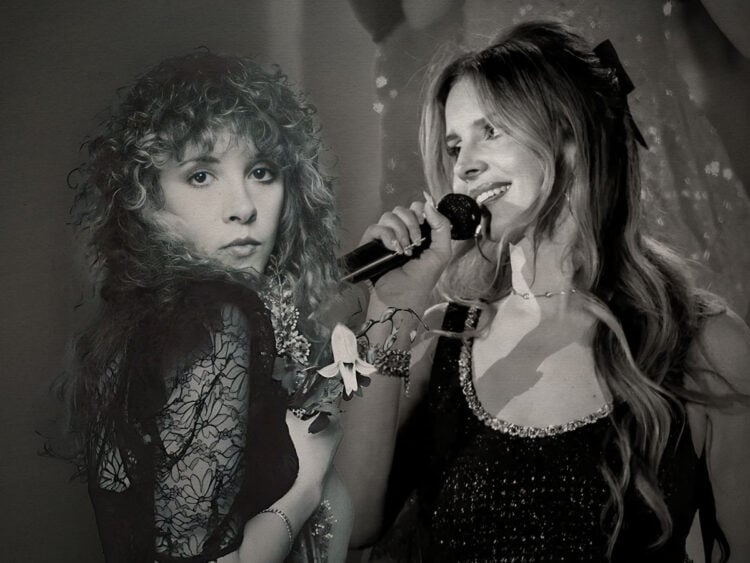
In 2014, Del Rey collaborated with The Black Keys’ Dan Auerbach to produce her album Ultraviolence, which was set to include a duet with Lou Reed. However, he sadly passed away on the day of their scheduled meeting. The guitar-driven album was followed by the jazz-heavy Honeymoon, and then collab-heavy Lust for Life. The latter featured contributions from the likes of Stevie Nicks, Sean Ono Lennon, A$AP Rocky, The Weeknd, and Playboi Carti.
Del Rey began working with producer Jack Antonoff on her next album, Norman Fucking Rockwell, also employing his contributions on Chemtrails Over the Country Club, which featured country singer Nikki Lane, Weyes Blood, and Zella Day.
Del Rey’s discography shows a wide range of influences. Her most recent albums experiment with ballads and introspective, personal lyrics, contrasting the iconography-heavy references of Born to Die. She has cited her influences as “the masters of every genre,” from Miles Davis to Nirvana to Frank Sinatra.
The musician has also taken inspiration from films such as American Beauty and the works of Federico Fellini, as well as writers such as Oscar Wilde and Allen Ginsberg.
Most recently, Del Rey has released her eighth studio album, Blue Banisters, featuring Miles Kane of The Last Shadow Puppets. She also performed a cover of a Father John Misty track as part of a deluxe edition of his album Chloë and the Next 20th Century.
“She was a person who really meant a lot to me”.
“I just love him so much.”


The song is for a new 007 video game.
Their friendship goes way back.