


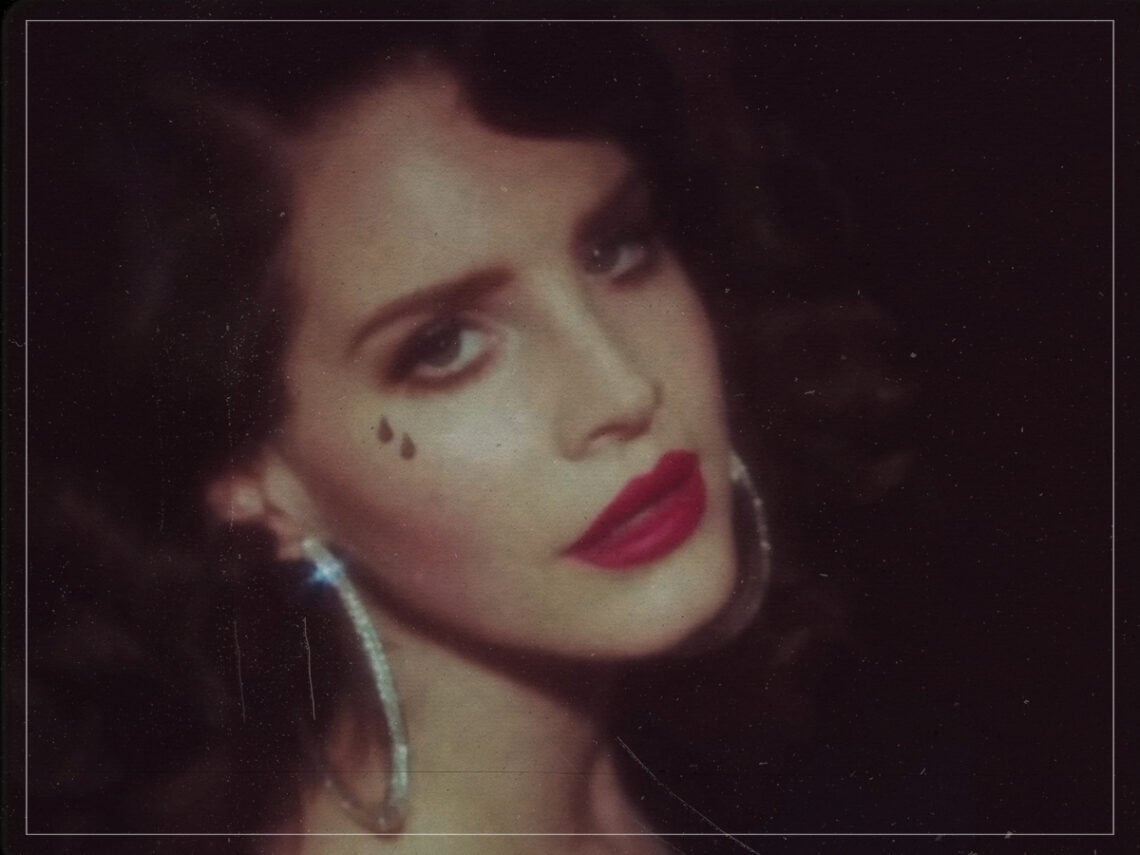
“Stay true to my own aesthetic”: How Lana Del Rey became pop music’s most cinematic voice

When Lana Del Rey emerged as a global phenomenon in 2012 with her viral hit ‘Video Games’, it wasn’t just the lush cinematic ballad that captivated fans. The video was unlike anything being shown on MTV, with webcam clips of the singer intercut with clips from movies and old archival videos.
Whether it be paparazzi shots of a stumbling star or vintage scenes of teenagers riding bikes in the sun, the emphasis on curating moving images that speak to the themes of melancholia and bittersweetness of the lyrics became pivotal in shaping Del Rey’s unique success. She borrows her first name from the classic Hollywood star Lana Turner, so her stage moniker is evidence of her affection for the industry and its rich history, to the point where her major label debut album, Born to Die, was wrapped up in cinematics, both instrumentally and lyrically.
Her blend of orchestral stylings combined with pop influence made for a baroque sound that was instantly recognisable, while every track became a rich musical world illustrated by bold storytelling, as if they were all short films about the tragic side of glamour, obsession, and devotion.
On ‘Carmen’, it feels like we’re witnessing the fall of a star who rose too fast, while on ‘Off to Races’, there’s an opulent depiction of excess, drawing allusions to classic works of literature and cinema like Lolita and Bonnie and Clyde. Throughout her career, she has referenced countless other movies, such as Easy Rider, Blue Velvet, and Carnival of Souls, even dancing across the Hollywood sign for Lust for Life.
It was only natural, then, for Del Rey to be approached to record a song for a soundtrack soon after her rise to fame, resulting in 2013 becoming a pretty cinematic year for the singer. Not only did she release a short film, Tropico, to accompany several tracks from Paradise, which saw her quote Allen Ginsberg and recreate the Garden of Eden with figures like Marilyn Monroe and Elvis Presley, but she also recorded ‘Young and Beautiful’.
The song would feature on the soundtrack for Baz Luhrmann’s The Great Gatsby, and it earned several Grammy nominations. ‘Young and Beautiful’ is still a staple of her live sets, standing as a classic Del Rey number, utterly fitting for the big screen.
Since then, she has contributed to soundtracks for the likes of Big Eyes, The Age of Adeline, Maleficent, Euphoria, Charlie’s Angels, The New Look, Scary Stories to Tell in the Dark, and, most recently, the James Bond video game 007 First Light, becoming a go-to figure for a reliable, original track.
Del Rey just has such a distinctive style and a timeless voice that it’s not hard to see why she is so often asked to contribute to movie scores. She believes that her penchant for cinematic aesthetics when bringing her lyrical tales to life have aided her ability to write great soundtrack songs, telling Rotten Tomatoes, “Even when I’m writing for a movie or I’m writing for somebody else’s project, I sort of stay true to my own aesthetic, which is kind of either rooted in jazz or maybe more of a cinematic tone”.
Hopefully, the future will bring us an entire soundtrack from Del Rey, but that’s if she can actually get around to releasing her long-awaited next album, Stove, first.
