


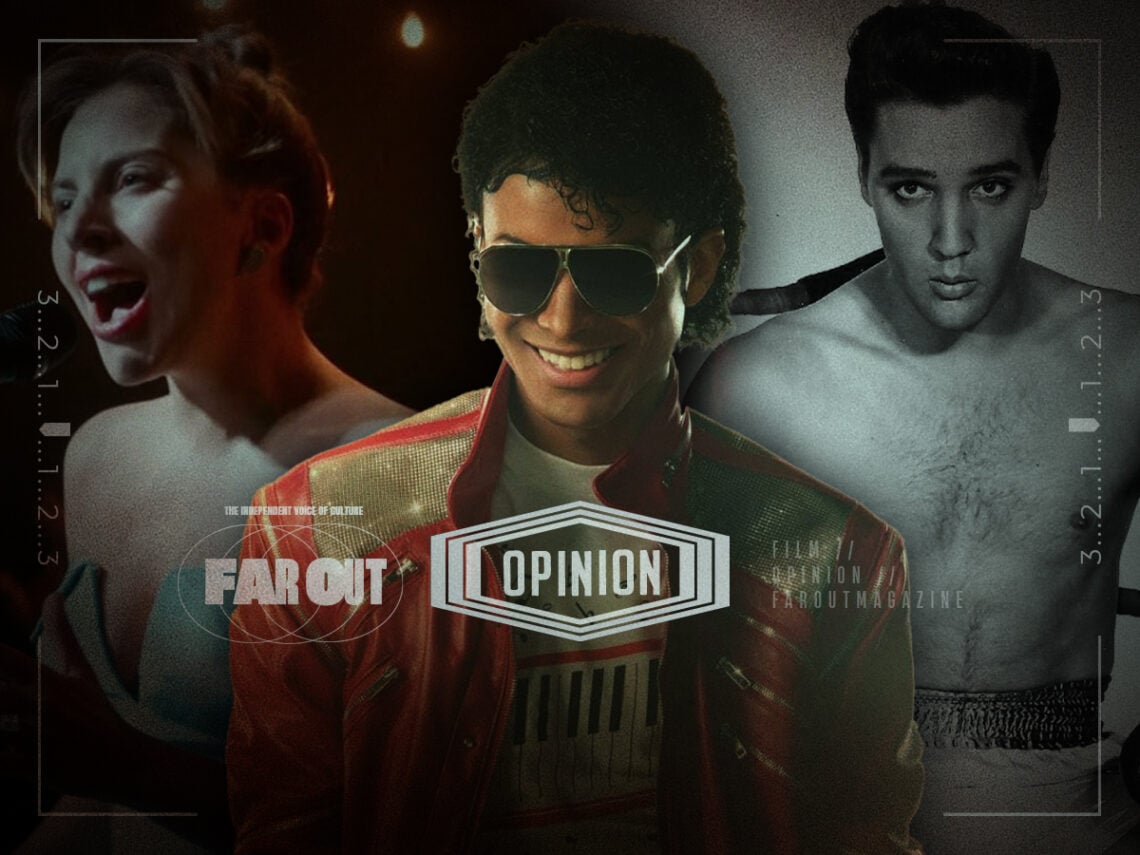
Hear Me Out: Musicians don’t belong in movies

While Elvis’s branding as The ‘King of Rock ‘n’ Roll’ might be controversial to many, given he hardly invented, nor was an innovative voice in the genre, it still somewhat stands.
Elvis really represented a turning point for music, given that he was one of the first ever actual rock stars, not just in terms of someone who was good at their craft, but who was commercially successful because of it as well. It was a real moment of evolution for the industry, as previously, songs had charted and gone to number one, sure, but very few people had been the face of a genre in the same way that Elvis was. Add to that the fact that the genre, for many, was completely new, and you had a proper champion of it. The money started rolling in, and the star had his name up in lights in no time, but how long would it last?
Rock ‘n’ roll, for a lot of people, was just going to be a fad. The majority of listeners, whether they liked it or not, didn’t think that it would go on to be the most popular style of music in the world. Artists like The Beatles, The Rolling Stones and Led Zeppelin weren’t even a glimmer in the music industry’s eye, and as far as everyone listening was concerned, Elvis Presley was one of one, not just the world’s first rock star, but the last.
Business-minded people simply can’t live with that degree of uncertainty, which is why both Elvis Presley and his manager, Colonel Tom Parker, decided that they wouldn’t take a chance on music alone. Instead, they wanted him to become a movie star, the kind of name that could absolutely dominate Hollywood and bring in the kind of money that actors at the time were making. After all, the world already knew his name, so they would likely flock to cinemas to watch Presley’s motion pictures with little to no persuasion.
“I want to become a good actor because you can’t build a whole career on just singing,” said Presley, “Look at Frank Sinatra. Until he added acting to singing, he found himself slipping downhill”.
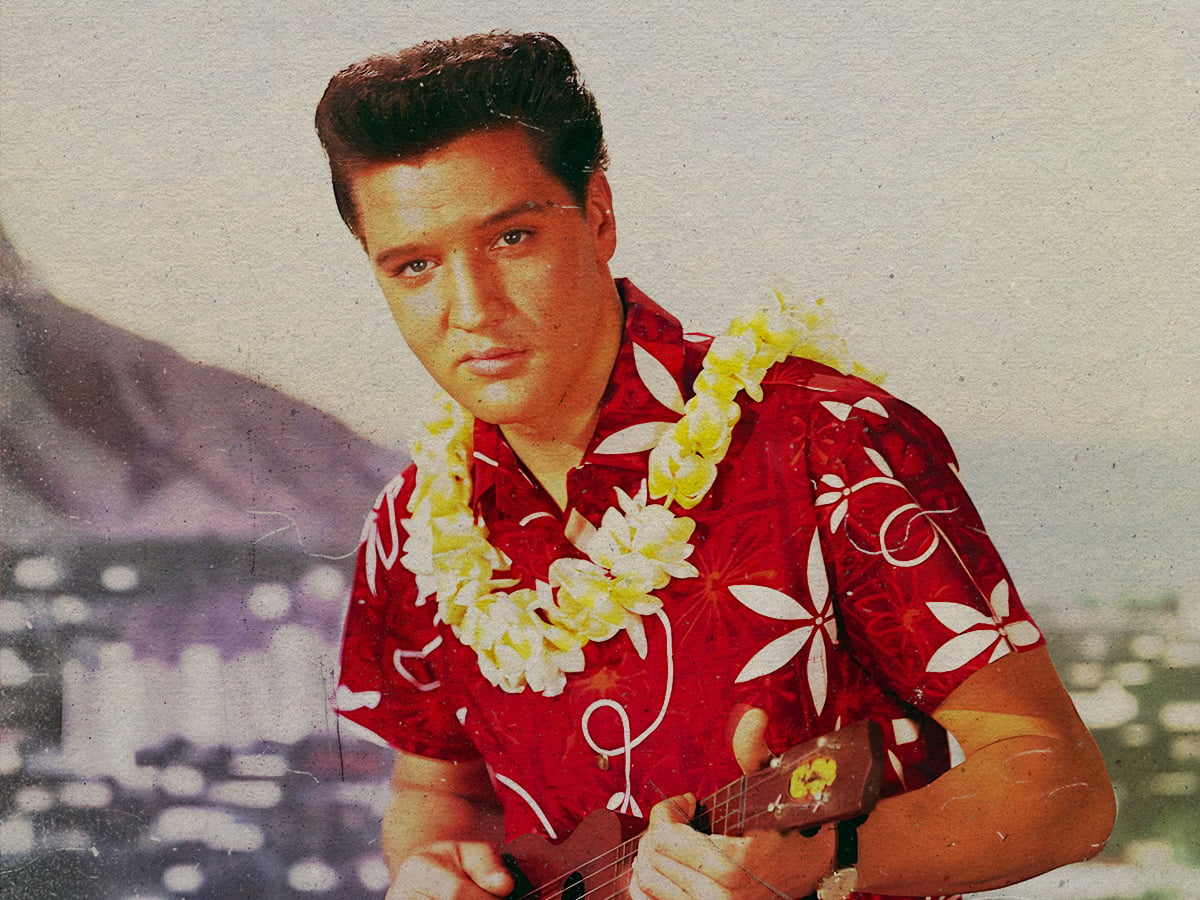
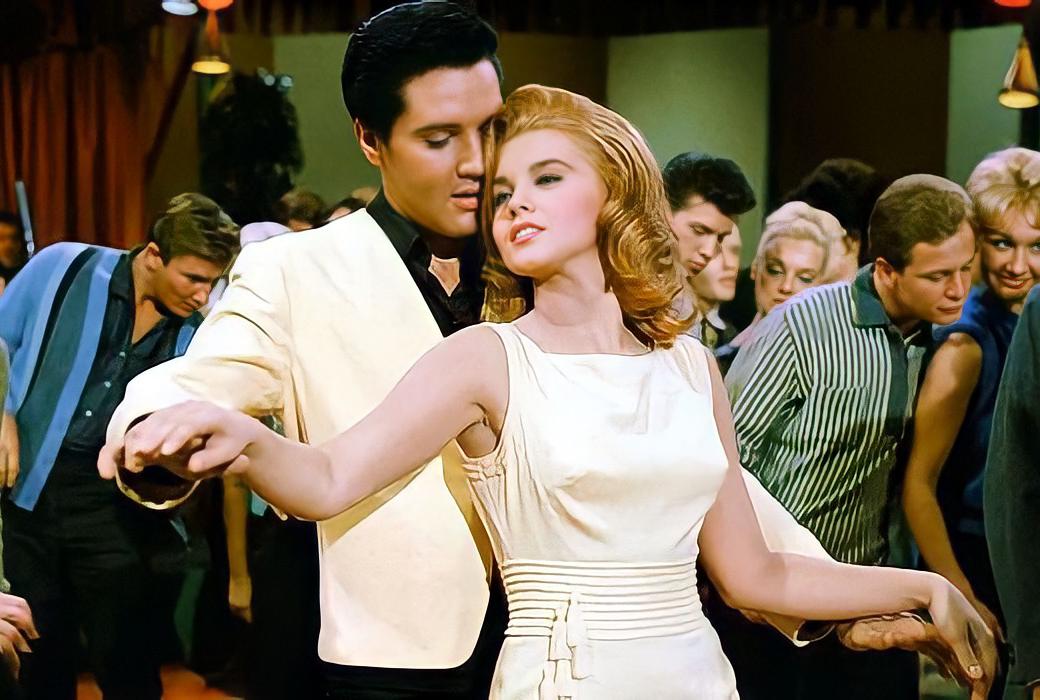
His manager, Parker, got to work in landing Elvis some acting work with Paramount Studios, despite the fact that the singer barely had any acting talent. He made his first onscreen appearance in 1956 in the movie Love Me Tender, with his next film being Jailhouse Rock in 1957. Both films were very well received, and they marked the beginning of what would become a long and commercially successful film career for the king of rock ‘n’ roll.
Here’s the issue: Elvis might have been a commercial success, but as far as acting was concerned, he left a lot to be desired. He would often complain that the quality of his roles wasn’t good enough, as he dubbed pictures like Girls! Girls! Girls! travelogues as opposed to decent cinema, but then he never took acting classes or made any effort to improve as an actor either. His movies followed a formula, which was essentially that as long as Elvis was in it, people would come and watch. The films lacked depth or excitement, but so long as those numbers kept ticking over, he continued to be cast. It set a dangerous precedent for Hollywood, as they realised that musicians could be cast in movies, no matter how bad they were at acting, and it would generate profit.

Here’s the bottom line: musicians shouldn’t be in movies. The majority of the time, when a musician is cast in a film, it is because a production company knows that by enlisting the help of someone who is already a big name, they’ll be drawing in an audience, regardless of how good or bad they are acting. It lessens the art form and makes for what are undeniably terrible ideas.
Now, this isn’t me saying that there’s no such thing as someone who can be equally good at being a musician and an actor. Donald Glover, Lady Gaga, Jessie Buckley, Self Esteem, there are musicians out there who can deliver one hell of a decent acting performance, but the difference is that these are people who separate their music from their acting life. They’re cast on merit, not merely because their name will bring in audiences, and the parts they take on are a reflection of that.
The musicians who shouldn’t be in movies are those who are brought in purely based on name alone. The success of Elvis meant that a lot of artists in the decades that followed him were also plastered all over the silver screen as soon as their name started to prick ears, and it hasn’t stopped; it’s a trend that still occurs today. It doesn’t just exist in the form of famous musicians getting leading roles and random cameos in what otherwise might be half-decent films, but we also see it in the sheer abundance of music biopics that have been released in recent years.
Only these past couple of weeks (at the time of writing), people have been criticising the Michael Jackson biopic because it’s not a truly accurate portrayal of the singer’s life. Michael stars the ‘King of Pop’s’ nephew Jaafar Jackson, and it has triggered an onslaught of controversial reviews and opinions as it fails to mention some of the more controversial moments in the star’s life, such as the allegations of sexual abuse that were brought against him.
Those controversies simply don’t matter, though, as far as the film industry is concerned, as numbers speak a lot louder than words ever could. Hurl all the negative press against this film you want, but the fact remains, it has still smashed box office records, taking in a massive $217million over opening weekend. For context, this is more than what Academy Award-winning Oppenheimer made, which only brought in $180.4m.
Regardless of how poor the story of a film might be, how controversial the content is or how good or bad the acting in the film is, this was simply always going to be the case. The minute a musician is in a movie, whether they are acting or the film is about them, the numbers are going to go up because you already have a dedicated fanbase ready to watch it and see their favourite artist either star or be portrayed.
It’s not dissimilar to Hollywood’s approach to superhero movies. You might be sick of them, Martin Scorsese might say that they’re the lowest form of cinema, but that simply doesn’t matter. Hollywood will stop beating that dead horse when and only when it stops coughing up money with every blow.
You could also compare them to sequels. There are enough Fast and Furious films, this year we’ve gotten/are getting new iterations of Scream, Scary Movie and Toy Story, but so long as production companies build it, you bet your bottom dollar that we will come (side note: I wouldn’t be mad with a sequel to Field of Dreams, but that’s beside the point). All of this, any kind of safety net within the film industry, then the only thing dramatic you’ll see is a severe lowering of the art form. We complain a lot about how no original films get made any more, and it’s these safety nets which ensure that’s the case.
Of course, some of this burden lies on us as audience members too. If we want to see more original movies made and cinematic risks taken, we need to ensure we are going to see those films when they come out, as Hollywood will always take the safe option, so long as it remains the safe option, and it’s in our power to change that.
Until then, let this be my stance: musicians don’t belong in movies. So long as their name is used to generate revenue and interest, the film industry is going to continuously suffer from a lack of inspiration.
