


The art-school all-rounders: Should we start taking actor-musicians seriously now?

Nowadays, seemingly, if any star steps foot out away from their original path, there is an instant online firestorm telling them to stop. Charli XCX stepping into the movie world, or influencers waltzing into the music industry and being cast in TV shows, have been recent examples.
But the screams are never louder than when actors dare to release an album.
Around the world, in every town, city, state, and country, there are kids dreaming of becoming musicians. The reality is that the industry is overcrowded. There are too many dreamers battling for too little attention. Not everyone can make it. Even if the record label system were fairer and less corrupt, there is simply not enough money or manpower to go around.
There can only be a select number of hits and a select number of chart-toppers making them. Or, even on the smallest scale, there are only so many lineup slots at local venues, and there can’t be room for everyone.
The annoyance when an actor comes along, already boasting fame and success in another arena, and is immediately granted a leg up in this one, is understandable. Their notoriety elsewhere instantly makes them trusted because, realistically, it’s near guaranteed money. Of course, record labels are going to sign people who are already known because it means there is an immediate audience willing to pay for gig tickets and album sales. It’s good business that requires less risk and reaps quicker and easier rewards.
In many eyes, this is not only unfair but also somehow offensive, as if an actor deciding to step into music is mocking the music world, as if that actor surely cannot understand or appreciate what it takes to make it there. People become blinded by this mindset that talent is a one-shot thing. Everyone only gets one, and so, if you’re a good actor, yours is used up, and any attempt at anything else can only ever be secondary.

Go back a few decades to the 1950s and ‘60s, and you’ll find the world expected stars to be able to do it all. The Beatles made movies because that was not only commonplace but almost expected. Marilyn Monroe was the ultimate star of the screen, but she was also releasing music. Elvis Presley made 33 films, which is more than the number of studio albums he has to his name.
In modern thinking, that would lead to a debate over whether to count him as a singer or an actor. Back then, it was merely accepted and even celebrated that he did both. The world wanted its stars to be triple threats; all singing, all dancing and all acting.
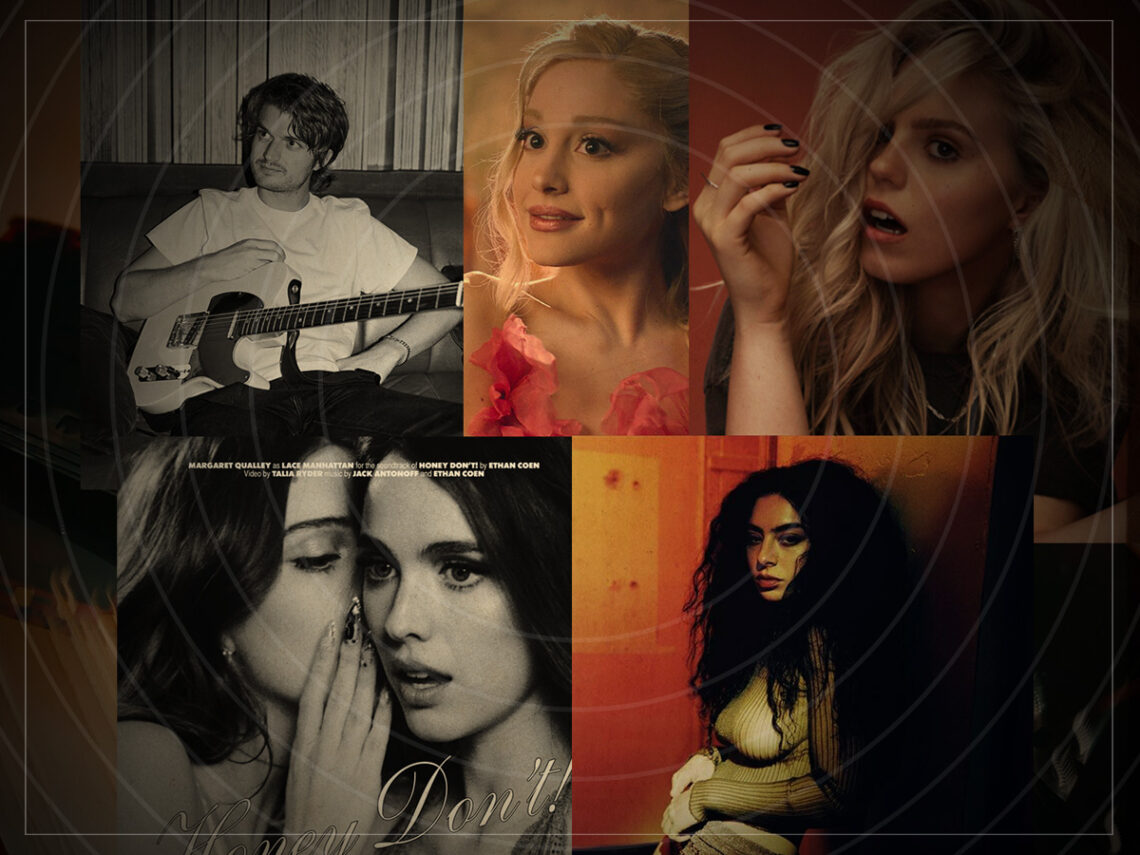
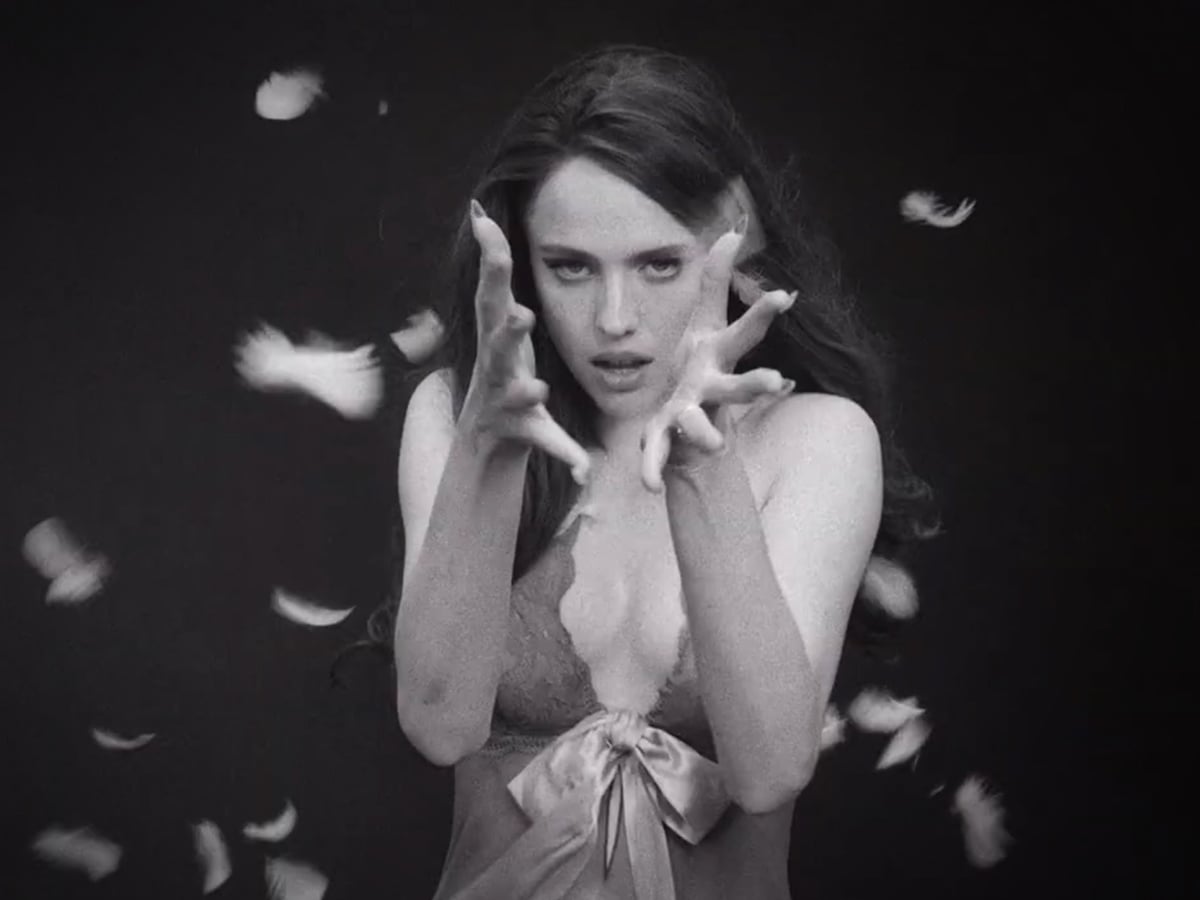
So what changed? Realistically, it’s down to the economy and opportunity. The way it is now: without riches or fame, there is only a slim chance of ever making it big in the music or acting worlds. So when we see someone succeeding in both, or using their success in one to essentially cut in line for the other, like Margaret Qualley suddenly emerging with music under a moniker, supported by her super-producer husband Jack Antonoff, despite never having suggested an interest in being a singer, it’s frustrating.
But while we can honour that frustration, the suggestion that it should stop, or that actor-slash-musicians are always, unequivocally bad, is small-minded. In recent years, that could steal some of the best new music from us. It would mean that Djo, or Stranger Things’ Joe Keery, couldn’t break out with ‘End of Beginning’ and then return with his genuinely interesting and eclectic follow-up, The Crux, where the depth and breadth of influences prove clearly that his music isn’t just a side hobby.
Such a way of operating would rob the world of Renee Rapp’s queer pop supremacy, denying the fact that her earlier career as a Broadway actor undeniably trained her voice for radio greatness. It would mean that Ariana Grande could only ever have been doomed to Nickelodeon, not only preventing her pop star career, but definitely meaning that she would never get to prove her Hollywood mettle either, as without that music career, Wicked wouldn’t have been on the cards.
When you start diving into it, rejecting actors-turned-musicians cuts off a chunk of the modern music world. Britney Spears, Miley Cyrus, Justin Timberlake, Jared Leto, Olivia Rodrigo, Sabrina Carpenter, Kylie Minogue, Yungblud, J-Lo—the list goes on. It would even cut off stars who are now characterised by their ability to do both things, where music and acting are inseparably tethered to their legacy, like Jack Black or Zoey Deschanel, who rarely get through a cinematic role without singing at least once.
But of all of those, if you dive into their history, music arguably came first. Sure, Carpenter and Rodrigo were child stars on Nickelodeon and Disney, respectively. But in both cases, it takes only a few seconds of digging to find footage of them as kids, singing like they’re already selling out stadiums, proving that their musical passions were there long before the cameras started rolling.
There’s footage of Paul Mescal singing before his Normal People breakout. Does that weaken his title as an actor? Does the fact that Rolemodel, after two albums, is about to star in a Lena Dunham rom-com mean he has to pick a side? Do we need to go back and revise the job titles of all the golden age stars who were dominating the screens and radio waves alike?
Creativity in all works in tandem; inspiration in one medium floats into the other. So it’s unsurprising that actors working alongside some of the brightest minds find their own sparks of influence and want to explore them further. For kids who are inclined to perform, music and drama go hand in hand; it is merely the grown-up world of businesses and industries that demands a separation of them.
Perhaps as fans, we shouldn’t let our judgment be so caught up in that mindset when the demand to pick a lane surely leads to far less exciting journeys.
