


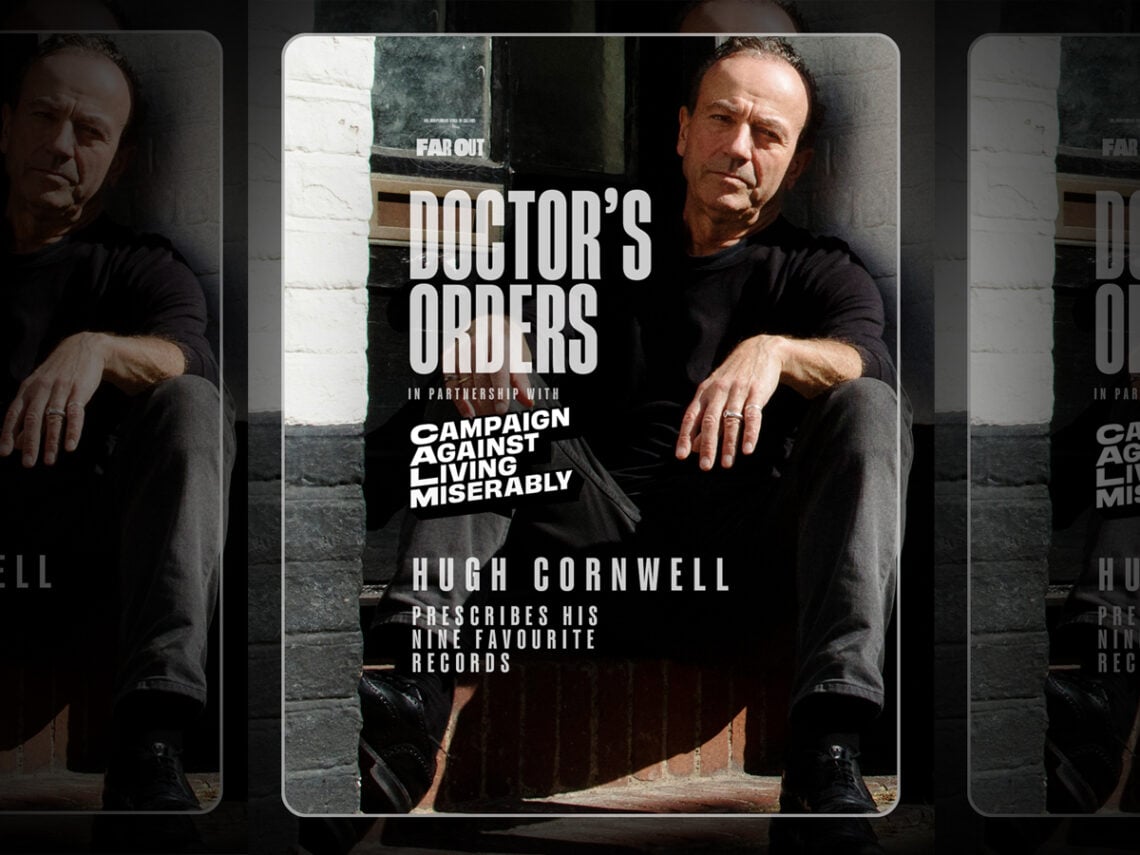
Doctor’s Orders: Hugh Cornwell prescribes his nine favourite records

“It’s not a virtue,” Hugh Cornwell says of his constant adherence to artistic integrity, “It’s more an ailment.”
With the esteem of The Stranglers and a wealth of other projects behind him, at the age of 76, Cornwell could comfortably just roll out the hits on the road, but instead, he’s opted to dedicate the first half of his forthcoming shows to playing a record that was almost deemed too complex to play live the first time around.
It’s a move that, much like the record, Nosferatu, personifies his intent to provide the as-yet undiscovered. His work has always resonated with this uncanny charm, fresher than a Grimbsy fish market and more poised to attack than a speed freak with a flipblade, but when he teamed up with Captain Beefheart’s Robert Williams to create this perturbed odyssey amid the perils of the punk movement, Cornwell really set himself apart.
The Stranglers were riding high as the movement roared forth, but thanks to an “ailment” that has kept him moving with the times even decades down the line, Cornwell made it clear that he was here to experiment, whether that be with coconut oil and nympthetes, as he once cheekily proclaimed, or odd prog-punk hybrids like ‘No More Heroes’, it just so happened that some of these experiments turned out to be golden classics.
He’s still following that same path, quipping, “I’ve never done so much preparation for a tour before.” And he was well aware of just how challenging the task of presenting the classic, enigmatic album would be, but joking, “I thought I better do it before I keel over and pass out.” Yet, in Cornwell’s eternal courtship with a little bit of danger, that’s seen more as encouragement than any sort of warning.
So, with his latest Come and Get Some tour defining the artistic arc of his life (you can check out the dates here), we figured it was a great time for the star to reflect on the art that has inspired him along the way. It has been a journey with plenty of hectic upheaval, but music has always medicated Cornwell, making him an incredibly apt participant for our Doctor’s Orders feature. Back in the First World War, ‘pill number nine’ was often prescribed in the trenches as a ‘pick-me-up’.
These days, pop culture adds a similar pep to our days. So, we combined the two and teamed up with the mental health charity CALM to delve into stars’ musical pasts and discuss the records that have helped them out over the years.
If you’re able and if you can afford to, please consider a small donation to help the CALM cause. £8 can answer one potentially life-saving call.
Hugh Cornwell’s nine favourite albums:
Strictly Personal – Captain Beefheart
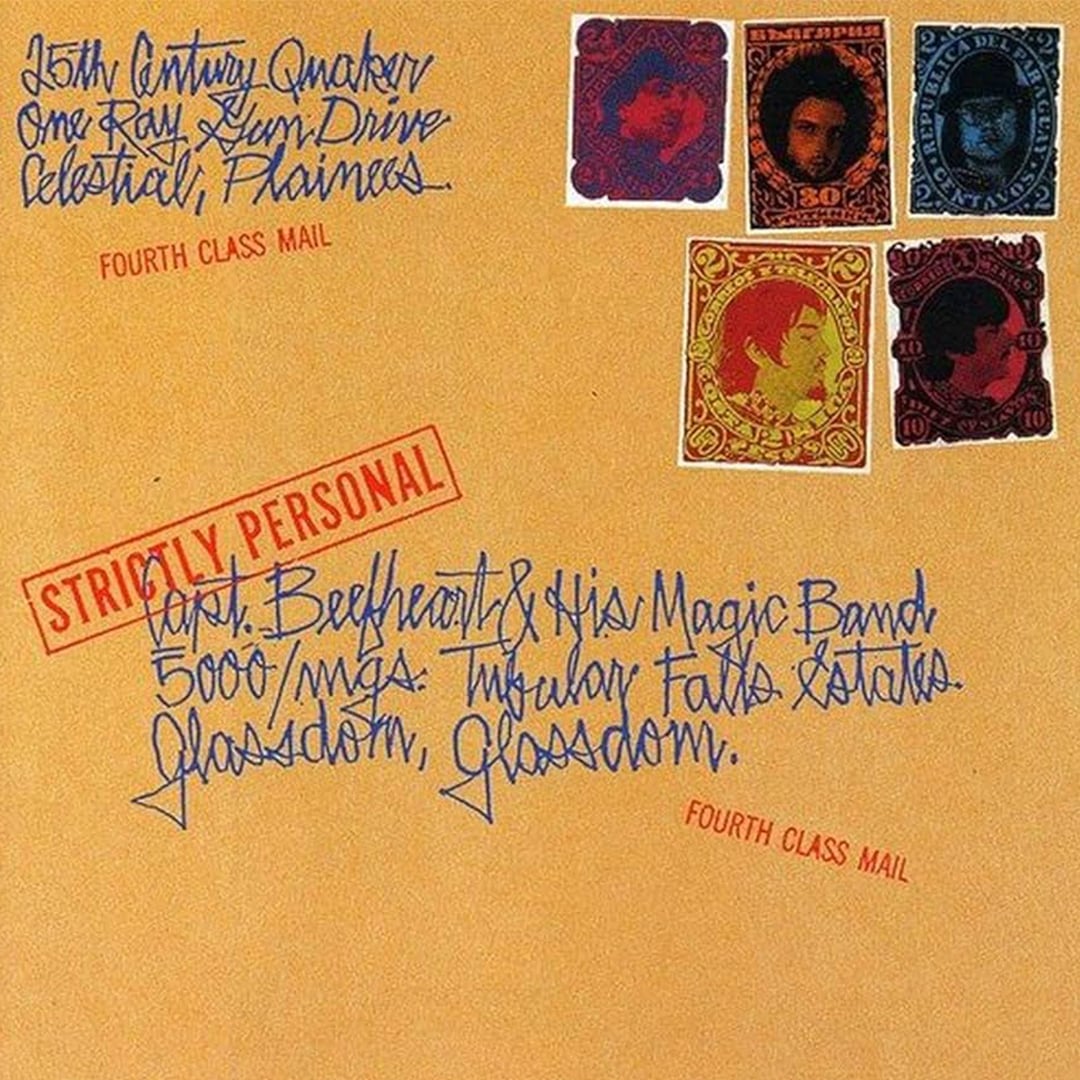
“I remember discovering that album, Strictly Personal, when I was at university, and I’d never been exposed to what he did before,” Cornwell explains regarding the Captain Beefheart sophomore album from 1968. “It’s got a great cover, because the cover is a cube package wrapped in brown paper with a string and a label on it saying Captain Beefheart, like it’s an address, which is very enigmatic.”
The music follows suit, as Cornwell continues, “You open this package, you open the album, and you put it on, and it is remarkable. I mean, it was so atmospheric and so deep and mysterious. And it almost sounds a lot like it’s been recorded underwater. There’s a very interesting mood to it. I became fascinated by the mood that was coming from this bit of plastic. It became, for me and my people I was at college with one of our most prized things.”
“I don’t think there’s a lot of songs on it,” Cornwell continues. “There’s probably three on one side and four on the other, but some of the places that he goes to with them! He goes back to his roots. See, it’s sort of swampy, but also a bit magical, and it’s very rock as well. I’ve never, I’d never heard anything like this before in my life, and from then on, anything he did, I was very interested in listening to it.”
Part of the beauty of the album is that amid the experimentation, Don Van Vliet will produce a moment of astounding musicianship or a simple pop hook that lets you know he has no issue nailing the rudimentaries, he’s just searching for the unknown. Cornwell firmly agrees, stating, “That habit of doing both was very, very inspiring.”
30 #1 Hits – Elvis Presley
“Well,” Cornwell begins, “I mention this in very close proximity to Captain Beefheart because they are completely worlds apart. I think you’d agree with me there. But if you listen to that Elvis Presley number ones album, you realise what an amazing setup he had. I’m not quite sure how much writing he did of the songs, but they are absolutely genius.”
“And the way they’re put together and the way they’re recorded, everything about it is genius,” Cornwell continues, “And I think that it’s time for people to reappraise Elvis and just see him as a hit twiddling phenomenon on stage, like Michael Jackson. The records are absolutely amazing and completely on another planet to what Beefheart was doing, but I prize these two equally, and they’ve both influenced me.”
However, the King’s hits proved so ubiquitous that, ironically, Cornwell didn’t grasp the extent of that influence until recently. “I came to this realisation a few months ago,” he says, “that these two completely poles apart musical geniuses have been a big influence on me. The thing is with Elvis: he was there when I was born.” He wasn’t by the bed in the maternity ward, but you get Cornwell’s point.
“He was there, and he’d been established, so the whole time through my teen years, until when he died in 1977, he had been a constant feature. The wallpaper in my life, so he was always there, but I didn’t really see it. Same with Groucho Marx, and he died in the same week. Suddenly, they were gone. It was like someone had come in and had started stripping the walls. So, that rocked me… and then I wrote ‘No More Heroes’ the following week.”
Autobiography – Nat Adderley
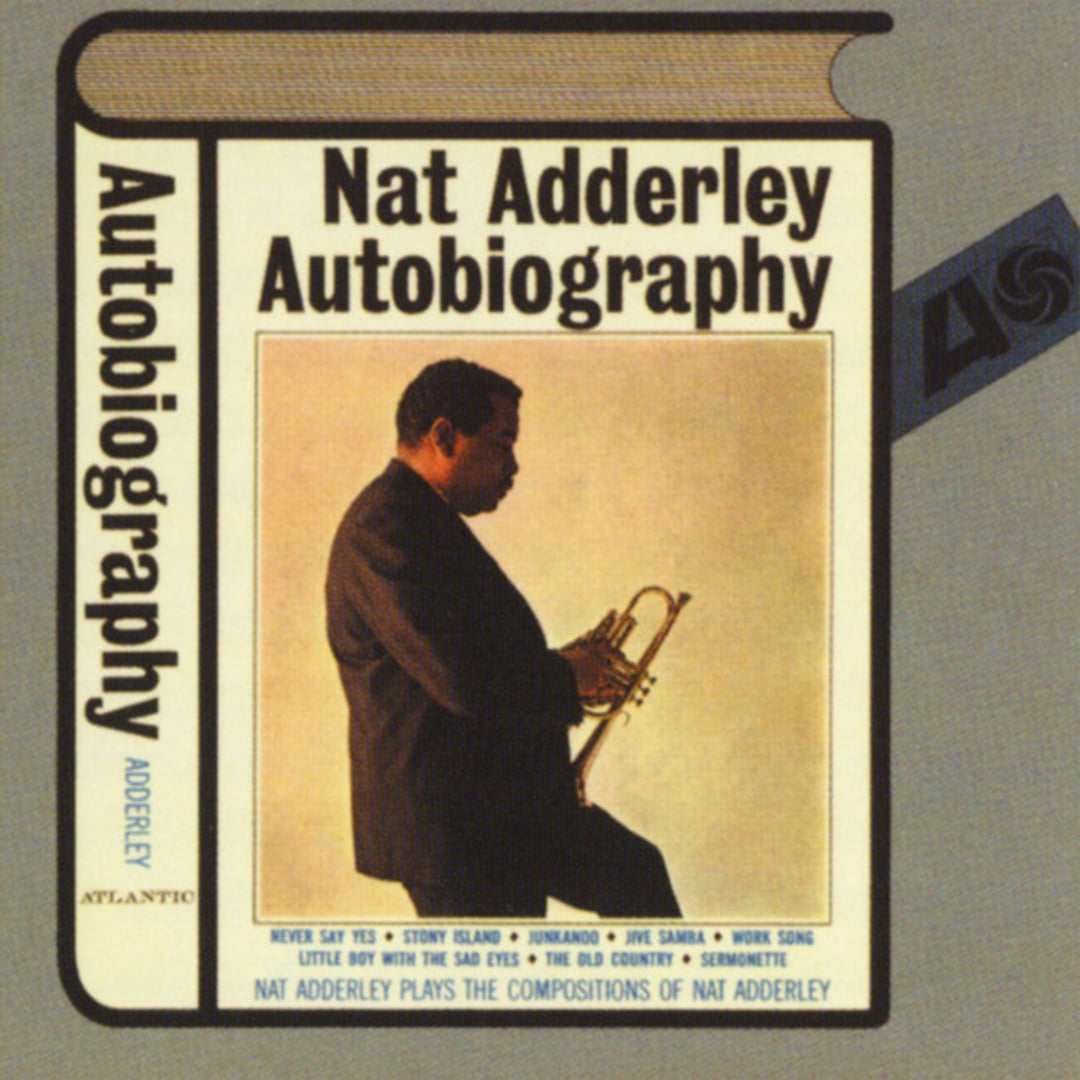
“I nicked the idea of this album cover for the sleeve of my Hi Fi record,” Cornwell brazenly begins in his assessment of this 1965 jazz masterpiece. “It’s a side view of him sitting down, holding a cornet. On Hi Fi, I had a side view of me holding my Telecaster, so I nicked that idea as a sort of homage to him and this album.”
It was the musicianship that stood out to Cornwell the most. “The other jazz album I’ve picked here is In a Silent Way, which is one of Miles Davis’ most accessible albums, I would say. And on both these albums, there’s a keyboard player called Joe Zawinul. He went on to form the Weather Report in the 1970s, where he had big success. Well, he’s playing on both these albums, and as soon as you realise that, you hear that on whenever there’s a piano break on either of these albums, it’s absolutely fantastic. You know it’s Joe, and he’s my favourite keyboard player of all time. He was a very seminal inspiration.”
Speaking about the record in a wider sense, Cornwell recalls, “The thing I like about Autobiography is when I had just discovered it, I was at school. My brother had a jazz collection and and he had this album and when he took off from my parents’ home to live with his girlfriend, and took all his albums with him, I realised that this was the one that I missed.”
Cornwell was still young, but he was determined not to live without Adderley in his life. “I went out and I found it. After that, I’ve been listening to it the rest of my life. What struck me about it was that, although it was labelled as jazz, there’s so much melody in the compositions. Although there’s no words, the melodies are so strong. The musical idea is that every track has a very unique character.” That’s an outlook that Cornwell wanted to follow.
In a Silent Way – Miles Davis
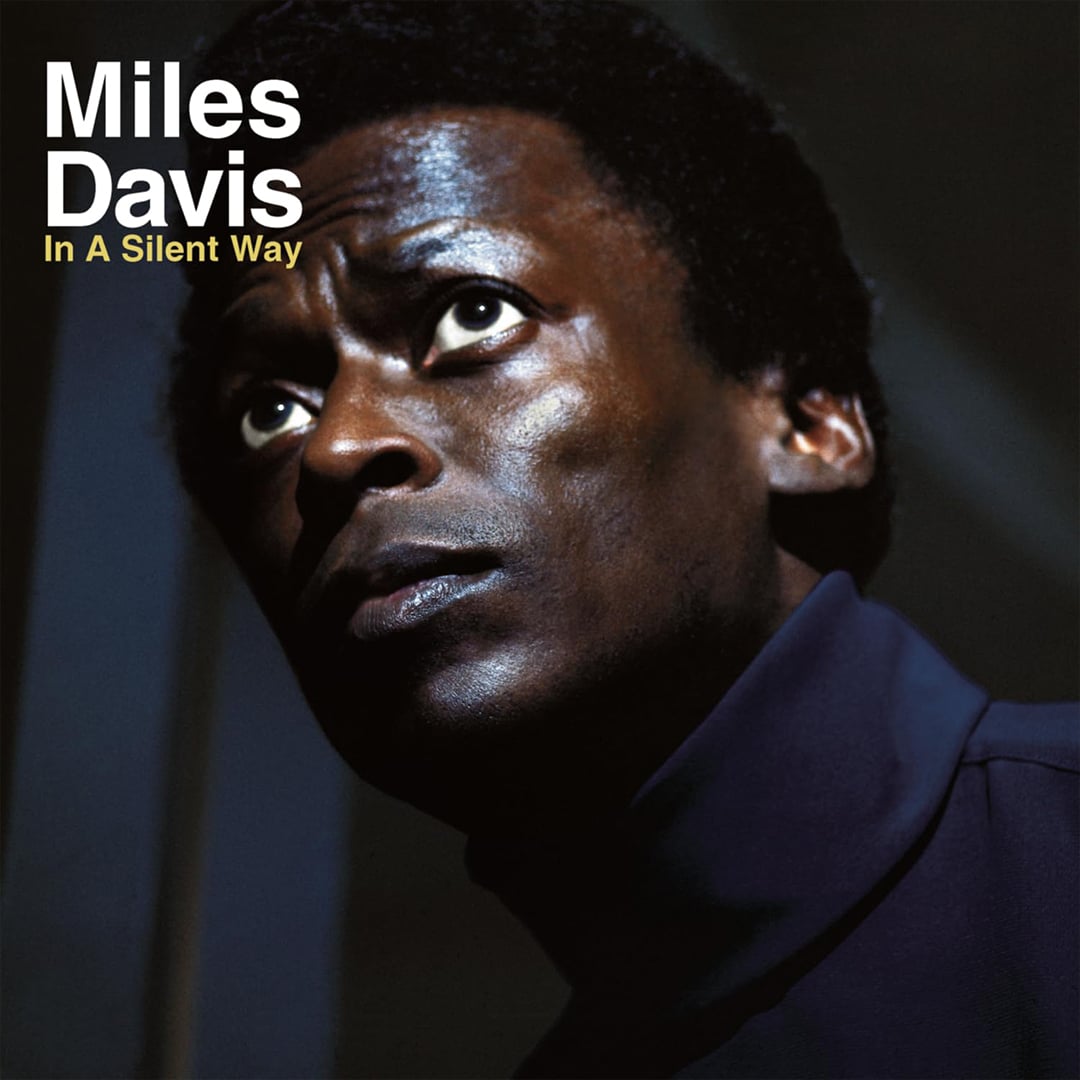
While you might expect that Cornwell got into Adderley and the incomparably cool Miles Davis at the same time, his jazz education was dictated by his brother’s collection, and he explains, “For some reason, my brother wasn’t really into Miles Davis, so he didn’t have any of his records. I didn’t discover him until I went to university.” But thereafter, he never left Cornwell’s life.
While he crowns In a Silent Way the jazz legend’s “most accessible” work, once again, it was the sense of the music’s interplay between knowable hooks and stark experimentation that Cornwell adored. With an electric guitar in the mix and an aversion to soloing with any great gusto, the record broke the rules of jazz. And as the Stranglers got going, they looked at that laissez-faire outlook for lurid inspiration.
The Big Beat – Art Blakey
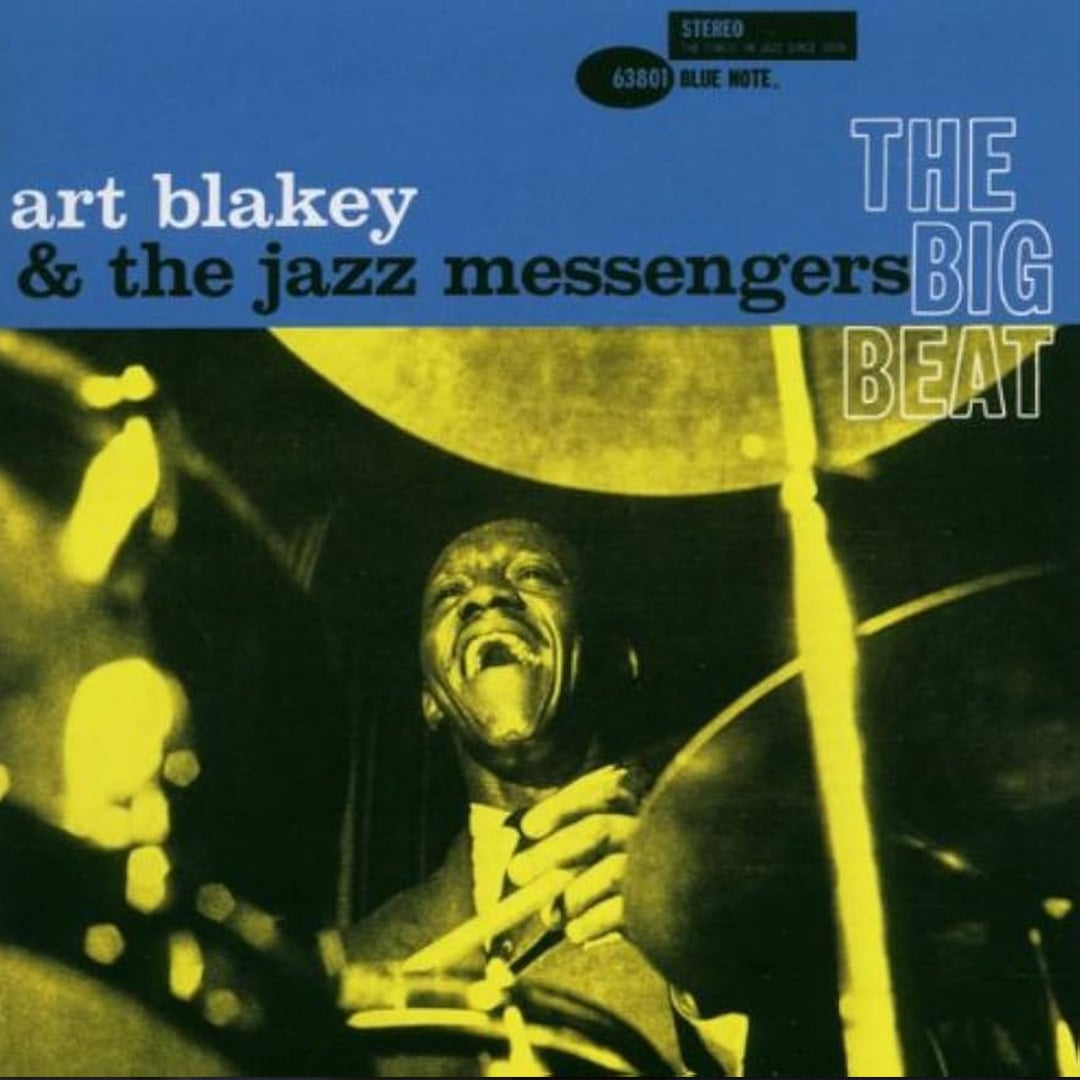
It wasn’t just the melodies of jazz that inspired Cornwell, though. The sense of coolness and a certain vocabulary also appealed. As he explains, “Well, this has got a great track on it called ‘Dat Dere’, which is sort of a hip way of saying ‘that there’, and it’s written by Art Blakey’s keyboard player called Bobby Timmons, who is another fabulous keyboard player and writer. And he wrote this beautiful song.”
“It’s an absolute gem,” Cornwell continues to wax. “It’s an absolute jazz classic, and I defy anyone who likes music and melodic music and rock music to listen to that and not enjoy listening to it. It’s a fantastic track, and it’s on that album, The Big Beat.” Sadly, Cornwell never got the fulfil the dream of hearing it live, lamenting, “The closest I got to seeing any of my jazz legends was Chico Hamilton. He was one of my favourite jazz musicians, and he was fantastic.”
One – Soft Machine
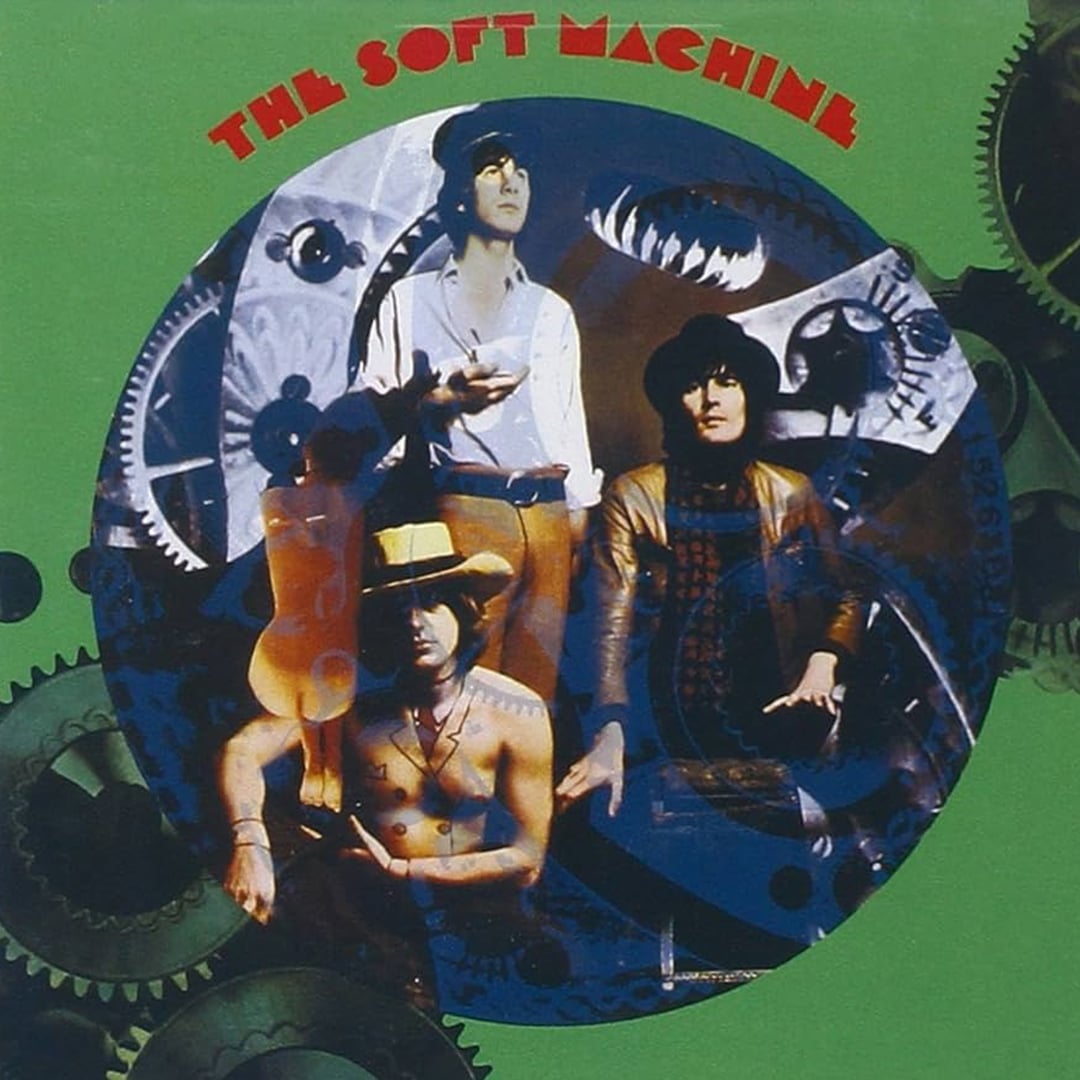
“I’ve always loved this album,” Cornwell says of Soft Machine’s 1968 psychedelic debut album. “It’s got no guitar on it, funnily enough. The lineup is a three-piece: drums, bass, and keyboards. It is a very unusual setup. But Mike Ratledge, the keyboard player, made his keyboard sound like a guitar. It was, it was remarkable what he could do with it.”
Once again, Cornwell was wowed by invention, adding, “It’s really clever and great, unfurling like it’s one long song. Although there are distinct songs on it, they nearly all bleed into each other, as though they’re playing it live and one song is going into the next. So it was like one long, 40-minute song. It’s quite an interesting way of doing it.”
It’s also a decidedly non-commercial way of going about things, severely hampering radio play, but for Cornwell, that was part of the appeal. “I got into it in college, and it felt remarkable,” he said about discovering Soft Machine as though they were a little club. Thereafter, from Kevin Ayers to Robert Wyatt, the respective members would go off and provide a welter of further inspirations for the Strangler to get his teeth into.
Easy Rider OST – Various Artists
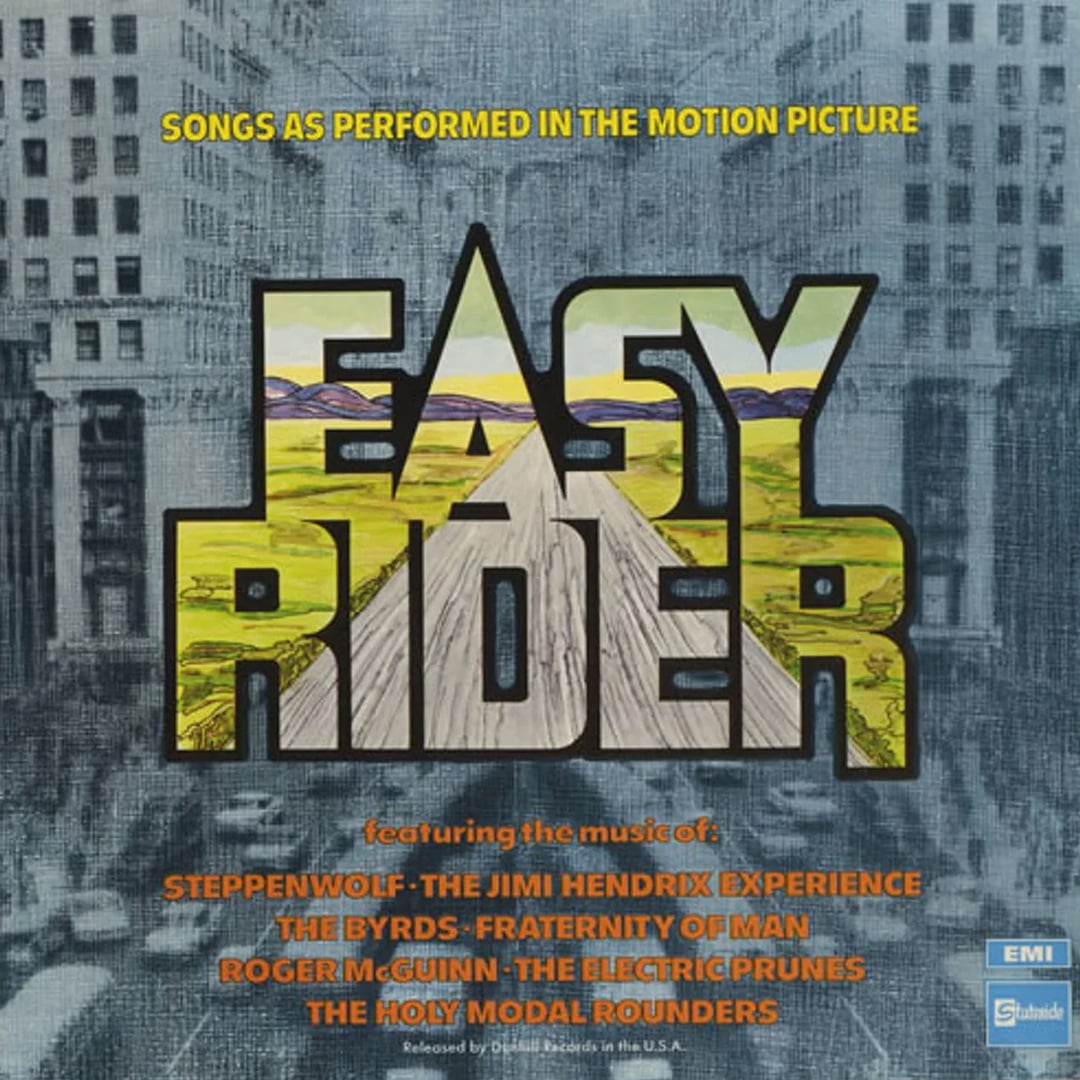
“Well, I’m glad you’ve called it the definitive album of the 1960s, because I tend to agree,” Cornwell responds. “It’s just a remarkable collection of songs. It’s just fabulous. And I couldn’t just stop playing it. And you know, it was the first soundtrack album. It sort of invented soundtracks, and it became a number one album.”
He continues, “It had [Jimi] Hendrick’s track, ‘If Six Was Nine’, it had ‘Born to be Wild’, ‘If You Want to be a Bird’, The Byrds? I mean, it was just full of lovely nuggets of music of all different kinds, and it was a great success.” With Bob Dylan, The Band, and The Electric Prunes also featuring, Cornwell comments, “It’s the album of the ’60s. It really is.”
Its intent was to create a “musical commentary” throughout the Dennis Hopper film, and it achieves that with aplomb, encapsulating the era in all of its strange guises, just as The Stranglers would soon do a decade later.
The Man Who Sold the World – David Bowie
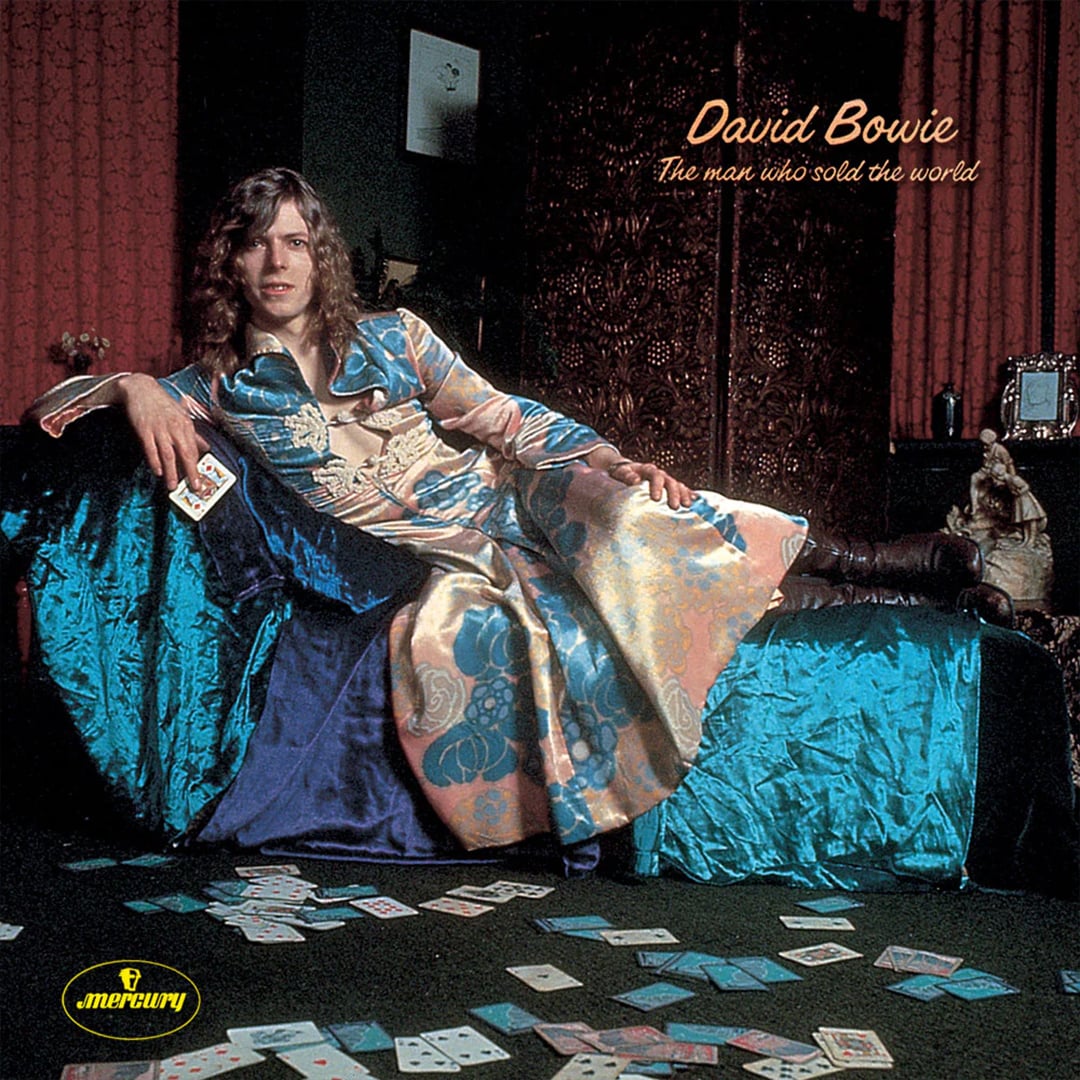
“Well, within David’s catalogue, this is the one that stuck out to me,” Cornwell comments regarding David Bowie‘s third album from 1970. “It appealed to me more than Ziggy Stardust because it was darker. I’m attracted to mysterious things, mysterious people. And it was more curious. It had a darker mood to it, and the songs were a bit more interesting,” the Nosferatu singer explains.
“Ziggy Stardust was full of little nuggets – little three-minute nuggets,” he continues. “The Man Who Sold the World isn’t quite so stuffed with those. But it’s got some very interesting pieces of music on there which have melodic periods, but there’s something a bit more meaty to them. It’s got a bit more meat on it in the sense of an album.”
Extending the comparison, he adds, “Ziggy is a bit like Elvis’s, you know, that 30 #1 Hits record, there’s a bang, bang, bang. It’s just like, hit after hit after in little pieces, whereas The Man Who Sold the World was a bit more ‘oh this is intriguing, where’s this going?’ It’s much less singles orientated,” Cornwell says. “And the sound is great. It’s a great sounding album.”
Twelve Dreams of Dr Sardonicus – Spirit
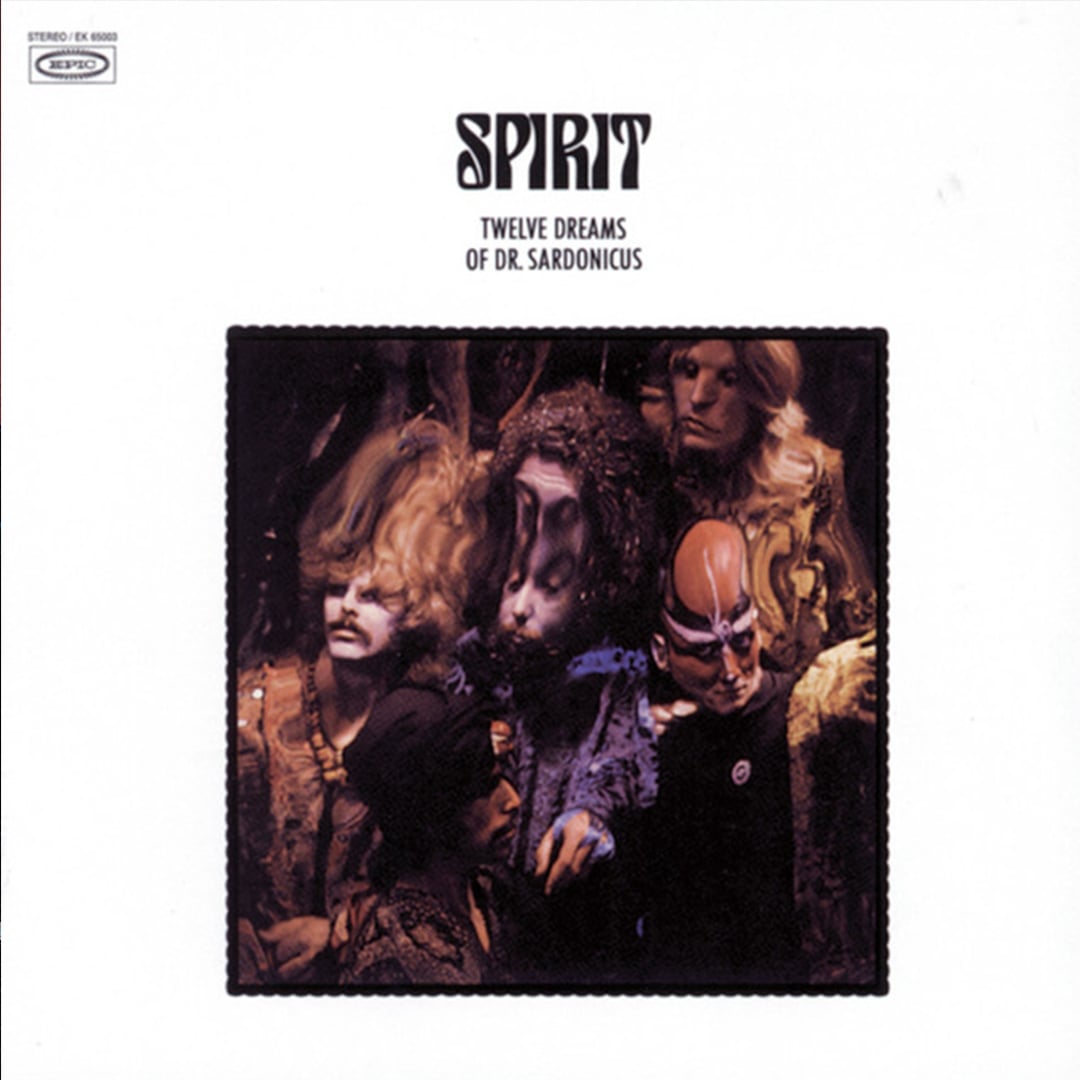
Cornwell saves the most niche until last, championing the lesser-known fourth album by the American rock band from 1970 by Spirit as another firm favourite that has inspired him throughout his life. Despite its wavering chart position, Cornwell heaps praise on it, commenting, “It’s amazing. It’s a lesson in writing great tunes. It’s, it’s packed full of 12 of them – the dreams of this Dr Sardonicus.”
Each has a simple appeal: true catchiness. As Cornwell decrees, “They’re great tunes. You see, I love great tunes. I don’t see anything wrong with that. There’s nothing light about it. I think that just because the songs have got a memorable melody and you remember it afterwards, that doesn’t necessarily mean it’s throwaway. And in fact, it’s the opposite of throwaway, because you remember it which means it’s going to last.”
This record has lasted for Cornwell, and there’s been a hint of it in everything he has done since discovering it at university. “It’s really a lesson in songwriting, because the songs are very well crafted. I don’t think there’s a bad track on it, and that’s why I used to play it to death when it came out. I just wanted to highlight the songwriting on it. If people are into songs, I don’t know if people are into songs these days, but I am.
“I love the act of creating, crafting a song, and not just a riff or not just a vocal idea, but a whole song, which I think is becoming rare these days. I hope, I hope the public’s appetite moves back towards that, because that’s what I do. So, of course, I want the public’s appetite to go back that way before I die.”
