


Doctor’s Orders: Neil Hannon of The Divine Comedy prescribes his nine favourite albums

“Everyone should get to make an orchestral pop album once in a while,” Neil Hannon quips in the press release for the new Divine Comedy album, Rainy Sunday Afternoon. “It should be available on the NHS.”
When I put that quote to him on a rousingly sunny Friday, he somewhat shuddered, “I’m going to get myself into trouble with my flippancy one of these days.” In truth, sadly, the glibness of the quote pertains to the neglected state of the NHS rather than the notion that music can, indeed, heal. Hannon was well aware of the latter when it came to the group’s latest release.
In many ways, the record is a rumination on mortality that conjures up parallels to Fyodor Dostoyevsky. Not many pop albums do. “I do tend to ruminate on such things,” Hannon concedes, “but it’s more to the fore on this record. I suppose a lot of it has to do with my dad dying a couple of years ago, and Covid, the whole lockdown thing was, I think, a big deal.”
This typifies the macro and micro in Hannon’s work. The personal is never too far away from the wider picture, and at the moment, that too made the songwriter lean towards solemnity. “There’s a general feeling that the world has shifted into reverse. You know, where once you had this weird idea of gradual progress, no matter how glacial, now it’s like, ‘No, we’re just going back to everybody, every man for himself’.”
“And so that’s depressing,” he laughs. “In amongst all that, my favourite dog died, so it was pretty gloomy. I was also out of the house for some time, but that was my fault, because I was feeling rich because of Wonka [the major motion picture for which Hannon wrote the songs], and we decided to remodel the house. So, I was living elsewhere for a year, and it really sucked. So all in all, I was in a bit of a grump.”
Grumpiness is not Hannon’s natural mode, but all the same, there was a sense that this time out, he shouldn’t write about “chocolate and girls”. This discerning sensibility to remain mindful of the whims of his muse is something that has largely warded off grumpiness in the first place. “Other people get therapy and I write orchestral pop albums,” he says.
Adding, “It’s just how I think. That’s why I’ve avoided being particularly morose over the years. It’s just that I’ve got an outlet, and I’m very lucky in that regard… but you have got to use it. You can’t just sort of make songs about, you know, more chocolate, more girls. And actually, that’s incredibly apt for me.”
It also makes Hannon in this present moment an incredibly apt participant for our Doctor’s Orders feature. Back in the First World War, ‘pill number nine’ was often prescribed in the trenches as a ‘pick-me-up’. These days, pop culture adds a similar pep to our days. So, we combined the two and teamed up with the mental health charity CALM, to delve into stars’ musical pasts and discuss the records that have helped them out over the years.
If you’re able and if you can afford to, please consider a small donation to help the CALM cause. £8 can answer one potentially life-saving call.
Neil Hannon’s nine favourite albums:
Out of the Blue – ELO
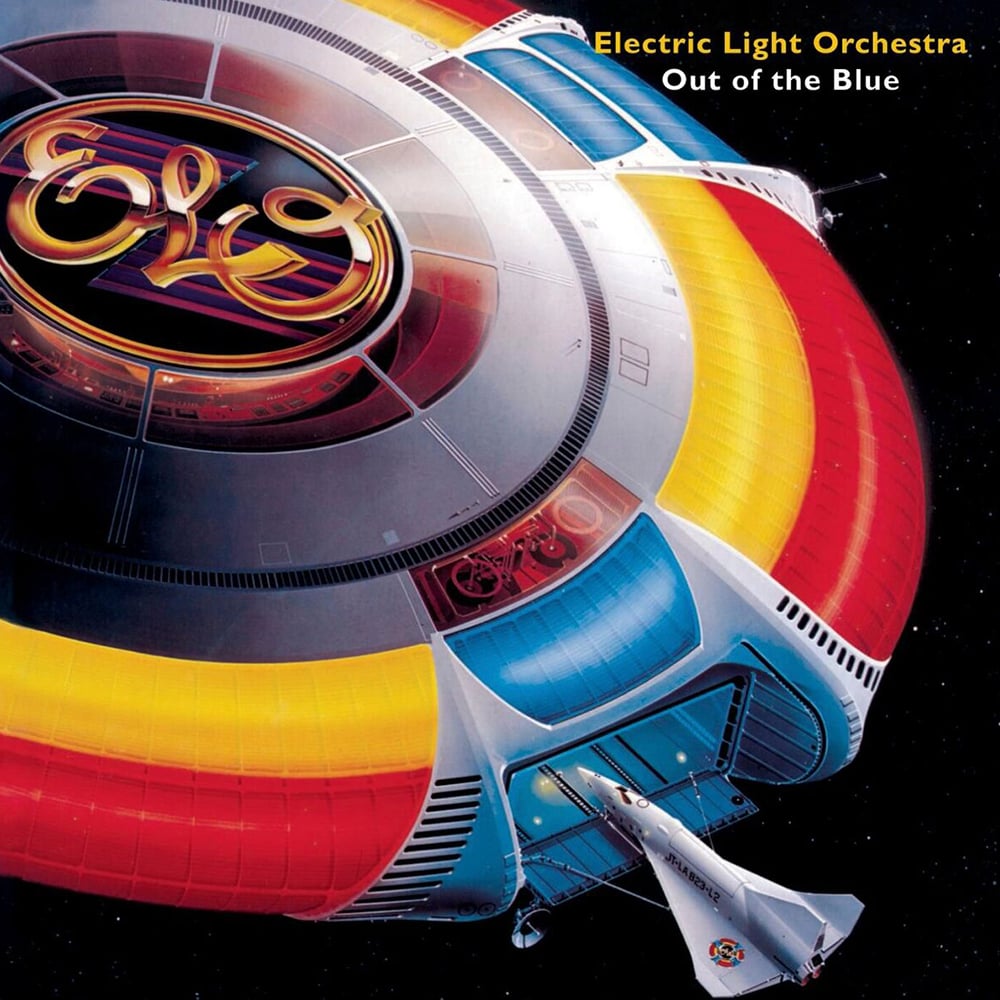
Everyone has an album that comes along and tugs the rug out from under them, presenting a new world beyond in their formative youth. For Hannon, that arrived via ELO. “I was six or seven and this is the first record, basically, that I really remember,” he recalls. “My eldest brother bought it, and he waited for the parents to go out. He turned off all the lights in the front room and played it incredibly loudly, and it was pretty much a mind blowing experience for little Neil.”
“When you experience something like that at such a formative age,” he continues, “every single last second of it goes in. It’s like it has been vinyled into my head. When I listen to it now, it’s like every single last moment I know inside out. Sometimes, over the years, I’ve found it hard to really hear it from a subjective viewpoint, because it was like a part of my childhood, it was weird.”
Thankfully, in the odd moment he has distanced himself from the memories that are attached to it, it still stands up. “I still think it is a wonderful, wonderful album,” he says, “and I love Jeff Lynne’s attention to detail. That’s the thing that I get from ELO. It’s like there’s no little bit at the end of a verse where he just kind of goes, ‘Oh, just play that for a while’. It’s all filled with goodness all the way through.”
In time, his relationship with ELO would get a fitting second act. “Then I managed to meet him after an ELO show in Sheffield,” Hannon recalls, eyes glazed with reverie. “He said something to me like, ‘Hey, I really dig the tunes’. And I just thought, oh, bloody hell. That’s amazing. He’s heard of me.”
Human Racing – Nik Kershaw
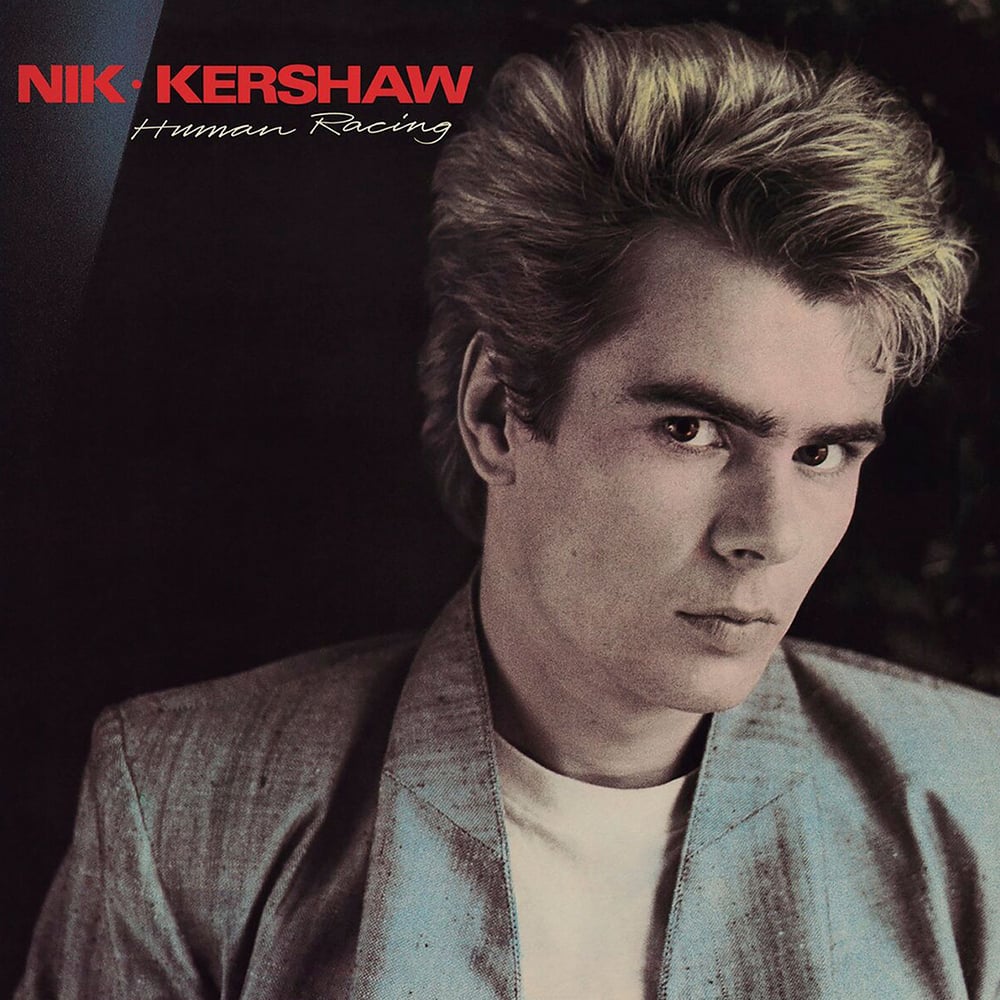
What about meeting his next hero? “I’d love to meet Nik Kershaw, he might not want to meet me, because, as much as I was obsessed by his first two albums, I was 13, 14 at the time, and I kind of grew out of them, and I’ve said that in interviews,” Hannon jokes. “Even though his songs were much more interesting and complicated than his fashionable appearance which was very plasticy. People assumed he was just a very superficial poppy person, but no, he loved a key change on a regular basis. He was a brilliant instrumentalist as well.”
He adds, “So, I have a lot of warm feelings about Human Racing, especially because it was kind of the first thing that was just mine, yeah, you know, it wasn’t a hand-me-down from the brothers. And as a result, they kind of ridiculed it. But I was, as I say, 13, and it was just really good pop music. But it did have some interesting depth, although you did have to look for it, that’s for sure.”
Yet, that act of looking, and, indeed, unearthing substance, provided a perfect education for a young Hannon. “I would have been on the cusp of my decision that I was going to be a pop musician,” he recalls. “Actually, let’s be honest, a pop star. Nik definitely cemented this opinion. But the music was also just a really lovely world to exist in for a while in my early teens. I did not enjoy myself in my teens. I was very shy and thrust into a new school because we moved, and it was all pretty grim. Music was a definite hiding place.”
Hounds of Love – Kate Bush
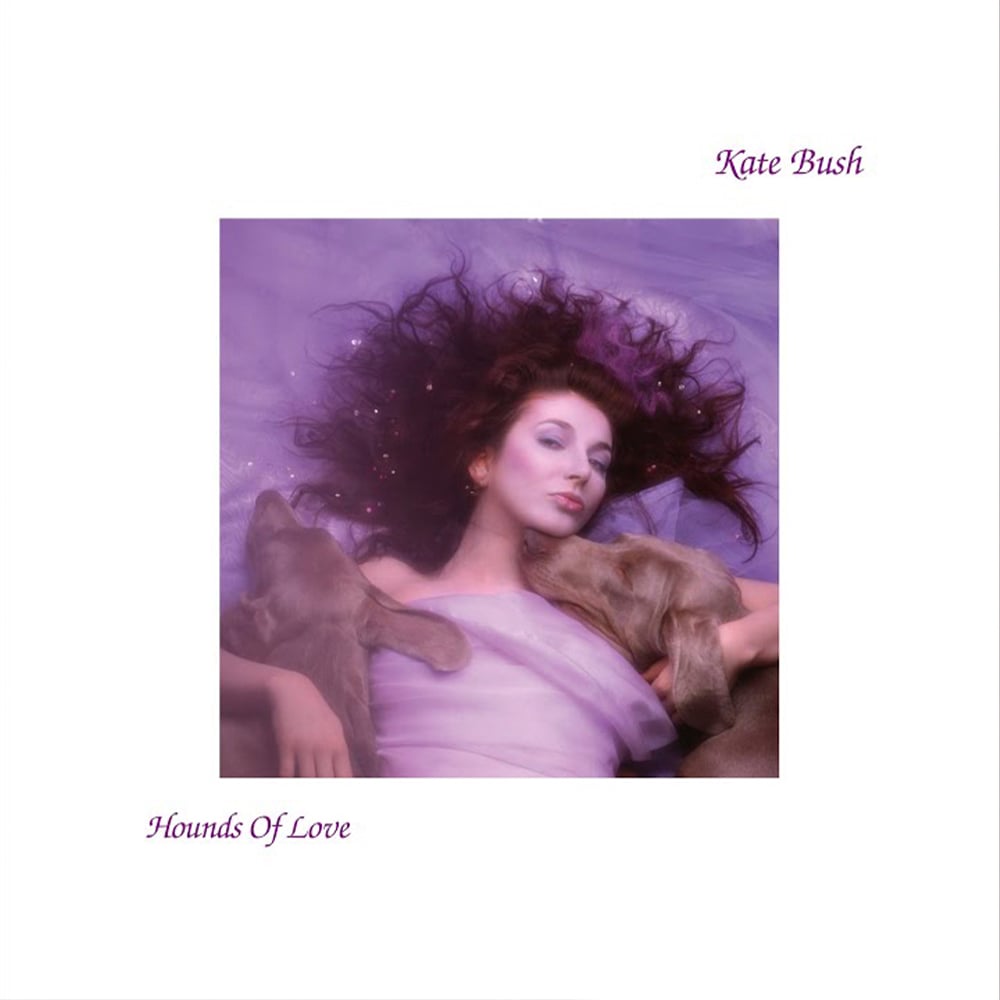
Never one to shy away from a grand statement, Hannon declares, “This is maybe the most important album of my life. Basically, I’d liked Kate Bush from Wuthering Heights on, but I didn’t have the albums. I always liked her singles and but then I hadn’t bought a lot of albums at this stage. Then this album came along, and I was so blown away by ‘Running Up That Hill’ and ‘Cloudbusting’ that I bought the album on cassette, of course, and I listened to it, and it was literally like windows opening.”
He continues, “I realised pop music can really be anything. That was a wonderful, wonderful feeling. And I listened to it until the tape warped. I had to buy another copy, and between that and like Peter Gabriel, which is not on the list… please don’t put it on the list, that’s basically all I listened to for a year.”
Looking at his own music, he thinks the inspiration is self-evident, “I think you can still hear the Kate Bush influence in my stuff, I can never get away from a love of the cello going full tilt, which is a similar thing to the ELO as well.”
Surely they share a similar sense of storytelling, too? “Oh, absolutely,” Hannon agrees. “I mean that that is. Thank you for pointing that out. It’s not as simple as saying I write stories because I don’t really, it’s more a kind of trying to construct an image in the mind. And that’s what she did so perfectly. You can’t really say what the hell she was talking about, but the images are so strong. You can see her taking her shoes off and chucking them in the lake. And you think that’s desperately romantic. I don’t know why, but it is. So, yeah, that was very formative for me.”
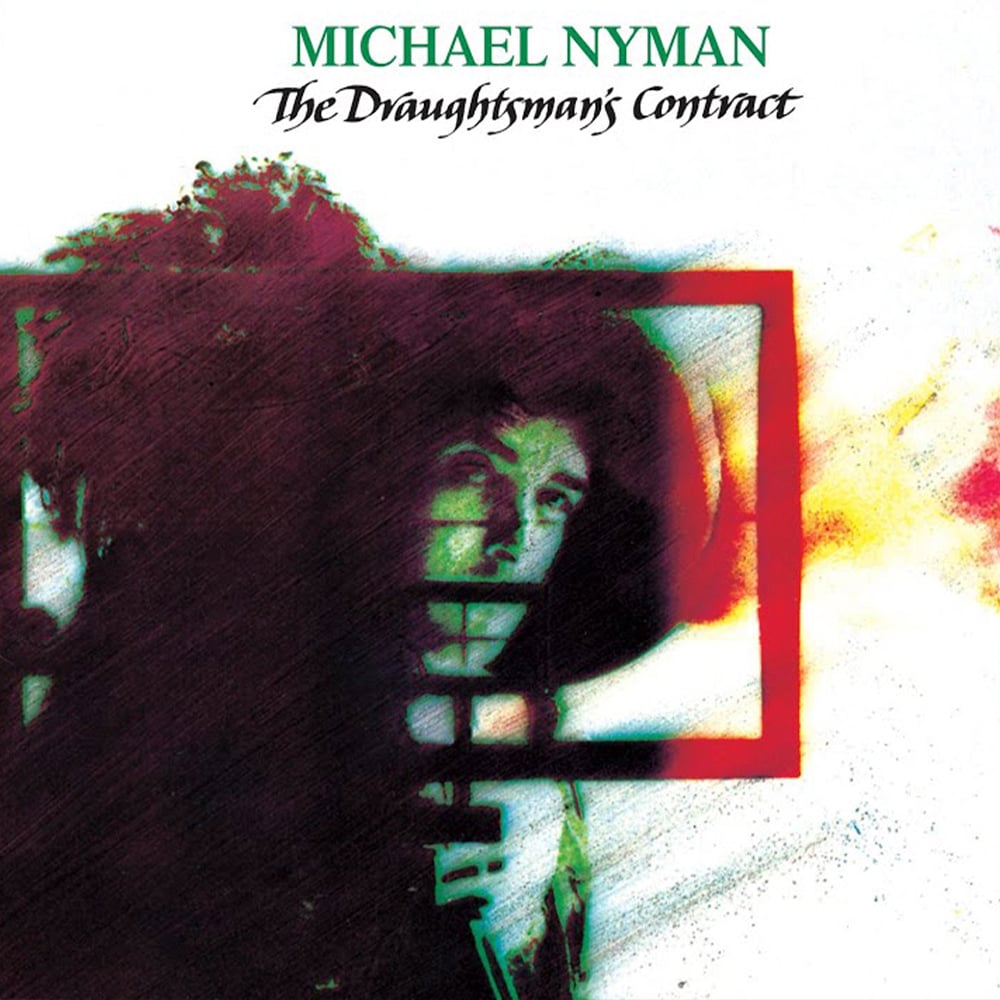
The Draughtsman’s Contract – Michael Nyman
Another huge influence is the Stratford composer Michael Nyman, who Hannon discovered just as his dreams of being a pop star were beginning to solidify and turn strange. “I mean, I’m kind of missing out my 1990s indiedom,” he says in reference to the artists who didn’t make the cut of his nine, “because you can sort of take that as read. I basically was obsessed with the Pixies, REM, Ride, My Bloody Valentine, Cocteau Twins. You name it, I was listening to it, and it was all, like, really important to me, but there’s no one record that I can really pick.”
Recalling where his love for Nyman began, Hannon explains, “But I did like to stay up late and watch weird films on Channel Four, and The Draughtsman’s Contract was on, and it kind of blew all of that away. I also liked all the Peter Greenway ones: The Cook, The Thief, His Wife and Her Lover. They’re very fucking weird, but I loved the music, which was like this high octane Baroque stuff, but it was like Baroque music played by a punk band.”
He adds, “I bought it, and I was obsessed with it. I’d listened to it in the car because I lived about 20 miles away from all of my friends and the school and everything, so I had to learn to drive very early. And I just listened to this record on the stereo in my dad’s car, back and forth all the time. You just have to listen to the first two [Divine Comedy albums] to know how important and influential it was. I kind of ripped it off in many ways, or at least the sound was a… homage.”
Scott – Scott Walker
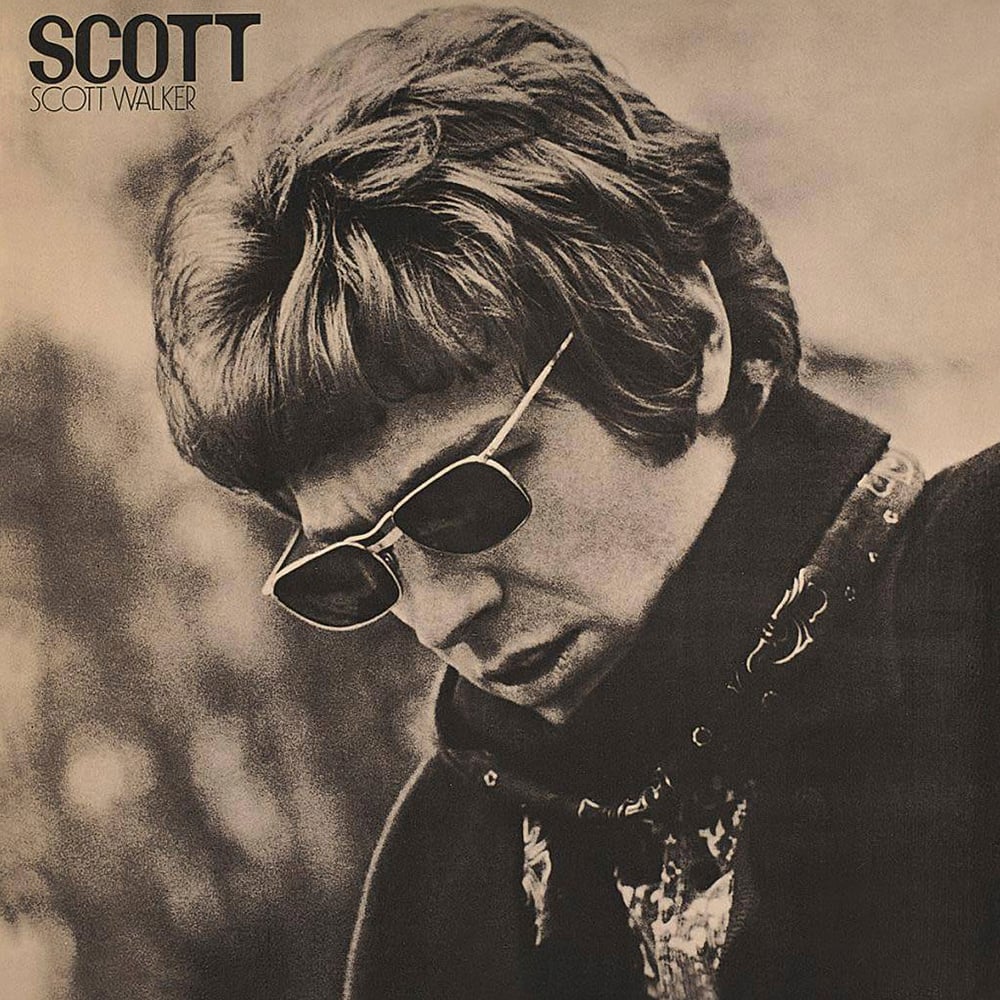
Ever since Far Out has been running the Doctor’s Orders feature, Scott Walker has perhaps popped up more than any other artist. “I mean, the reason he pops up is probably more for his later stuff,” Hannon opines. “Not just 4, which is like the one that everybody always chooses, but also Night Flights, which, in many ways, was vastly ahead of its time. Yet, the reason that I came to him was more because of his versions of French chanson songs like ‘Jackie’. Things like that really blew my mind. He was transferring the books I was reading into songs.”
He adds, “So, I did buy all of the solo albums in one go. And I started with Scott, the first one, and I suppose that’s why it’s the one I warm to most. It’s got some great songs on it. I love ‘Matilda’. Then ‘Montague Terrace in Blue’ is, to my mind, the best song that Scott Walker ever wrote. It just has this imagery and the beautiful kind of stillness and poise, which I’m not sure he ever quite attained again, that’s a big statement, isn’t it? I’m going to come in for some stick from some Scott fans.”
Alas, he’s certainly listened to enough of him to make such claims confidently, adding, “He just had a voice that I loved, and I’ve sort of copied. I just accidentally ended up singing like Scott Walker because I’d listened to so much of him. I really love it when kind of strange, arty music is sort of connected to pop music.”
The Gold Collection – Berlin, Gershwin, and Porter
This compilation of tracks by America’s most formative songwriters also had a huge impact on Hannon, as he explains, “Like everybody in the world, I knew quite a lot of the songs from the classic American songwriters of the 1930s, 40s, 50s. But I got this collection, and it really opened it all out, and suddenly I understood so much more about what they were doing.”
He adds, “I especially like the recordings on this album of those people themselves playing their own music. Cole Porter singing his own songs is fantastic to listen to. It’s so it’s funny to hear his sort of not very good voice doing it on a scratchy old record.”
Concluding, “It probably would’ve been the mid-90s when I uncovered this. I think you can probably hear the influence. I do like classic songwriting structures. They’re very different from modern pop structures, which tend to sort of stick to a more of a country format, in essence. But these sort of have their little intros which don’t really bear any relation to the tune that’s coming. Then they’re straight into what we would think of as a chorus, really. And then they just do the chorus several times. Then have a slight development, and they’re back to the chorus to finish, all within about 2:10. That’s great songwriting. I love it.”
There’s Gonna Be a Storm – The Left Banke
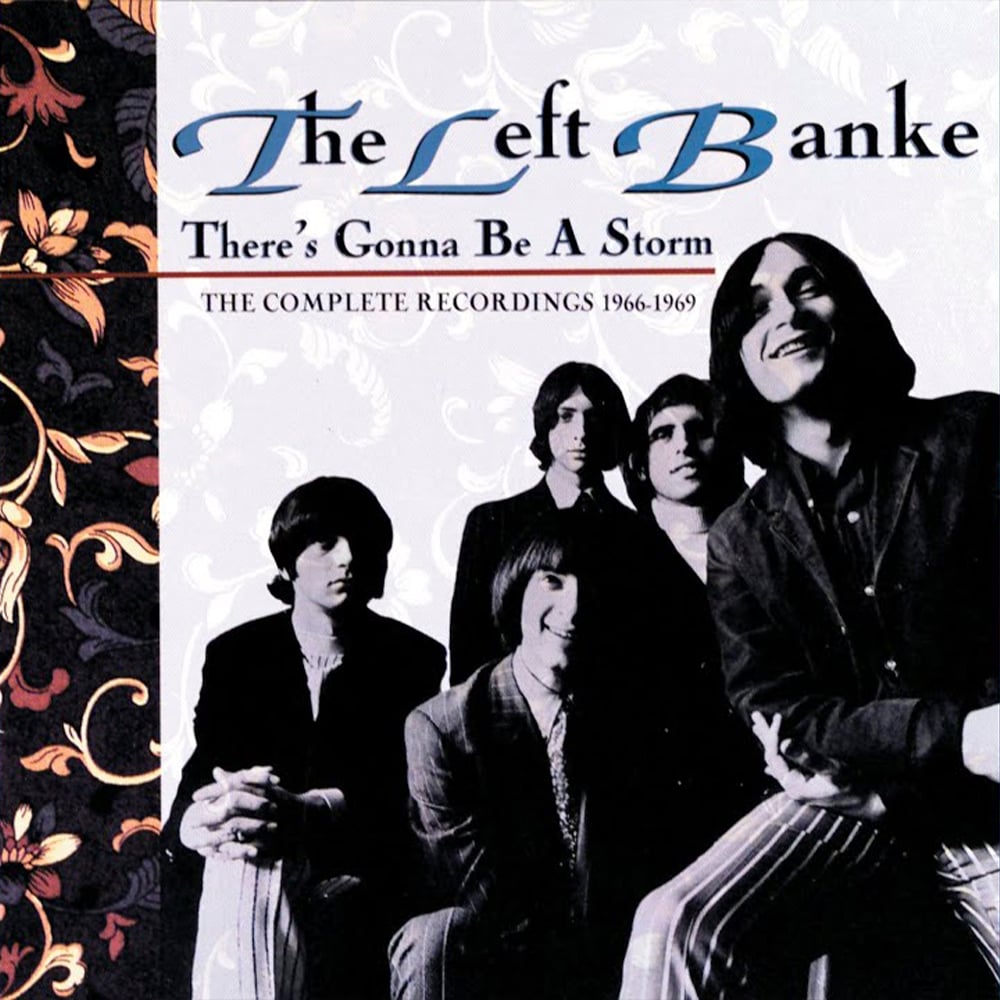
While some influences and inspirations are self-evident, it is also a quirk of our relationship with cuture that you can be impacted by music that you’ve never even heard. That certainly was the case with The Divine Comedy and The Left Banke for a brief period, as Hannon explains, “I was very contrary in my 20s, and a lot of journalists would mention, ‘So, you do Baroque pop, you’re chamber pop, you must love The Left Banke’. I went, ‘Who? I don’t care. I’ve never heard of them’.”
He continues, “And later on, when I met Thomas Walsh, who was Duckworth, to my Lewis in Duckworth-Lewis Method, he said, ‘This is for you’. And he gave me The Left Banke’s compilation record, There’s Going to be a Storm. I stuck it on in the car, and I really wish I’d discovered it about 15 years earlier. It’s absolutely sublime.”
It’s not all good, though, he admits, “Like somebody like the Velvet Underground, there’s four or five absolutely unbelievable songs, and then there’s quite a few that are perhaps slightly forgettable, and the difference between them is huge. It all depends on sort of how much reign they gave the main man to do the orchestral thing, yeah, really, but songs like ‘Desirée’ and ‘Pretty Ballerina’ are some of the best things ever made, honestly. So, it was nice to come to that later.”
Concluding, “What it did was it made me remember that there’s an awful lot of music out there and that you don’t know everything. It’ll always be a voyage of discovery.”
Funeral – Arcade Fire
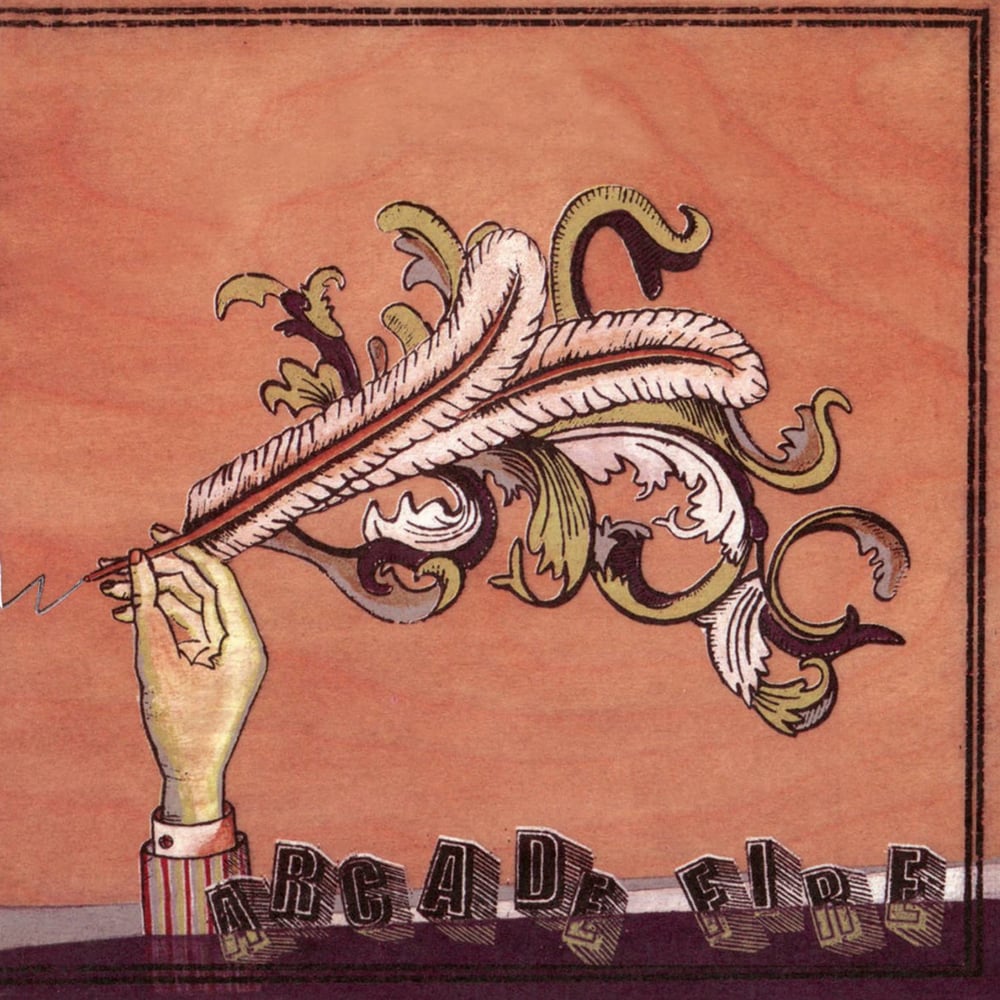
“In a slightly similar way, I was beginning to get cheesed off with contemporary alternative music,” Hannon segues onto his next pivotal record. “Then, Arcade Fire came along and made me happy, because I thought they were sort of revolutionary, in a way, the sound of it all. The thing that I often miss about music of the 21st century, is it kind of feels like slightly half-hearted, that people aren’t sort of absolutely invested in it. Yeah, because to me, music is sort of life and death to my personality. So, it’s got to sound like you can’t live without it.”
That’s certainly the case with the weighty Rainy Sunday Afternoon, and Funeral similarly has no issue with poignancy. “That’s what I got from Arcade Fire,” he says. “It was a feeling that this was everything to them, and they were playing because their lives depended on it. Funeral is an amazing record. Even though I can’t quite distinguish the songs from each other, because all the names are basically the same, every tune is like, ‘Oh God, this one is brilliant, I love it.'”
Concluding, “It’s just wonderfully emotive. It’s funny because Kathy, my wife, doesn’t like them at all, and it’s for pretty much the same reasons that I do like them. One of the best gigs I’ve ever seen was them in the Olympia Theater in Dublin. It was like – and I don’t enjoy saying these sorts of things – a life-changing experience. That one blew me away.”
Ralph Vaughan Williams, London Philharmonic Orchestra – Ralph Vaughan Williams
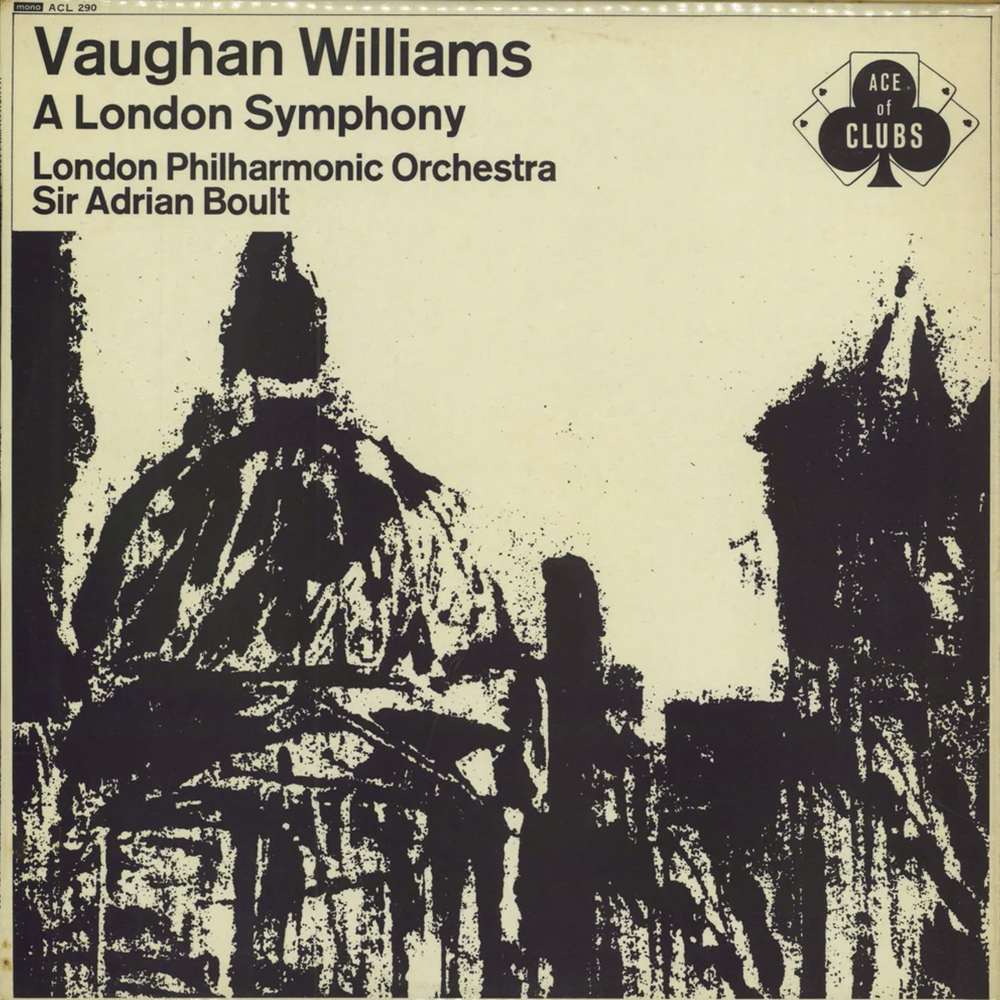
“I like a lot of classical music, I apologise,” Hannon jokes. “The first thing that I really loved was Ravel and Fauré and French dudes from around the turn of the 19th century. And it was from there that I started noticing Vaughn Williams, who was a similar period, but English, and I kind of grew to worship him really.”
He continues, “There’s something sort of very mysterious in his work, you know, he drew from like very old, forgotten English folk music, as they tended to do back then. And there’s lots of weird modulations and modal harmonies. And this record, in particular, just has all the ones that I really like on it, the Norfolk Rhapsody, In the Fen Country, Fantasia, Lark Ascending, which is amazing.”
In many ways, this assortment serves as an inverse second chapter to his ELO experience, with Hannon adding, “This record, I hold it close to me in dark times. When I was having trouble sleeping on the tour bus in recent years, because I’m getting older, I put this on and it would soothe me into a lovely place from which I would sleep.”
