


The mid-1990s mood shift: How ‘Clueless’ and ska-core clubbed grunge to death

The popular waves of music in America used to function very much like presidential politics: a reliable pendulum swing between different philosophies, each one becoming gradually less appealing on closer inspection, like a Monet. After a while, the choice becomes more about what we don’t want anymore than what we do want going forward.
Obviously, these changes in trends are a lot easier to tidily summarise decades later, when we can just lazily decree that punk killed prog and hair metal killed punk and grunge killed hair metal. Art doesn’t operate on the principles of majority rule, so no type of music ever really goes away, and some are just politely asked to leave.
This seemed to be the request a lot of young Millennials were making in 1995, after growing up in the first half of a decade dominated by grunge rock and gangsta rap, both of which, critical constructs though they might have been, were rooted in grittiness, reality, drugs (both dealing and abusing), violence, and inner turmoil. Somehow, despite coming along during a time of relative economic stability and peace after the end of the Cold War, the new popular music of America was all about exorcising demons, almost like the shift in Hollywood films back in the 1970s after Vietnam.
As a benefit of this unusual four to five-year phenomenon, a lot of genuinely inspired and interesting music somehow ended up on MTV and the regular, mainstream radio stations of middle America. Rock listeners who’d come to associate hard-charging guitars with Mötley Crüe or Van Halen were forced, or encouraged, to get into some headier spaces with the likes of Nirvana, Soundgarden, and Alice in Chains.
If grunge happened to be the first mainstream rock music you were exposed to in your formative years, however, it could start to weigh a bit heavy on the soul after a while. As an obnoxiously dark and brooding teen myself, it wasn’t actually much of a problem, but some of my classmates were definitely champing at the bit for something a bit peppier to come along. Maybe something with an upstroke instead of a downstroke, with some horns, perhaps, or a drop or two of silliness?

The teen movie market was in a very similar spot in the mid-1990s, when, after the heyday of John Hughes flicks in the ‘80s, the production of successful, teen-oriented films had fallen off a cliff, somewhat inexplicably. The movies that did get made were often quirky and destined for cult classic status, but they tended to reflect the same sort of dark, cynical outlook as the grungy music on their soundtracks: Heathers, Pump Up the Volume, Empire Records, and the like.
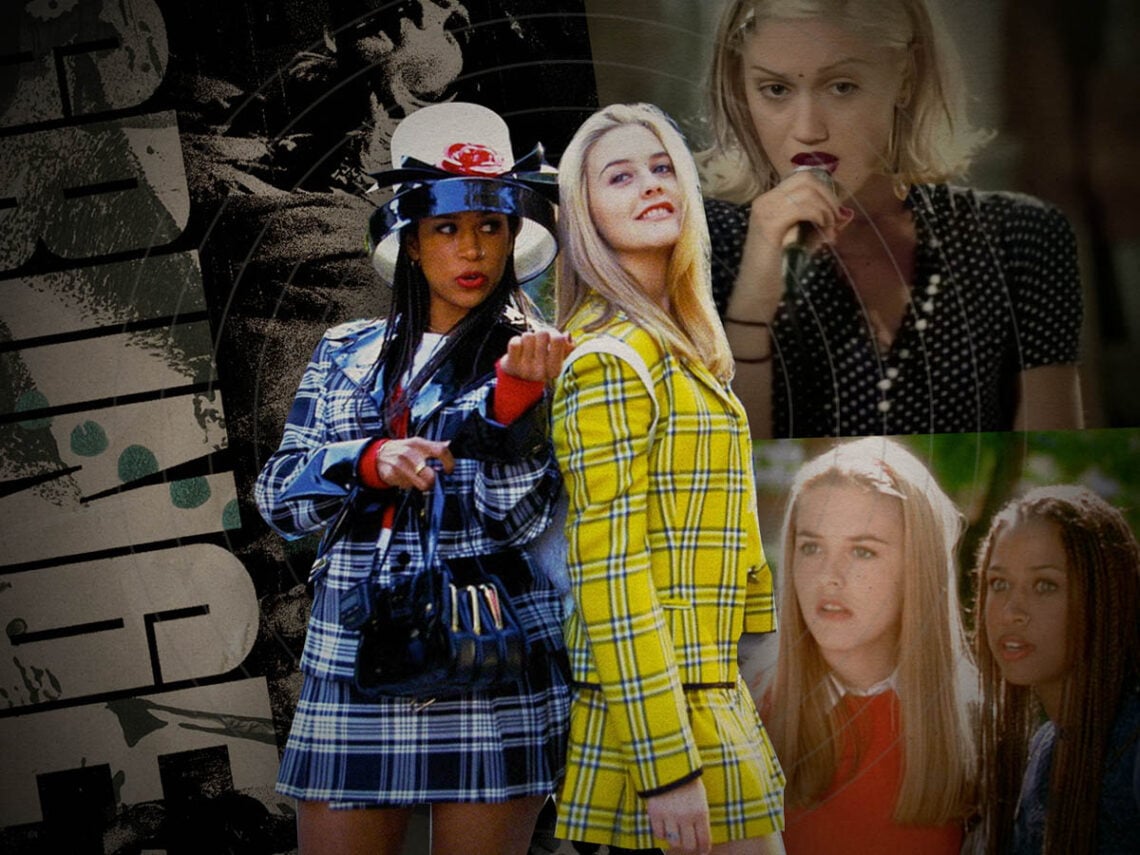
Nobody in Hollywood flipped a switch or held a ribbon-cutting ceremony to mark the shift from the first half of the ‘90s to the second half, but the premiere of the teen comedy Clueless in July 1995 essentially served this purpose, at least for a great deal of America’s white middle-class suburbanites.
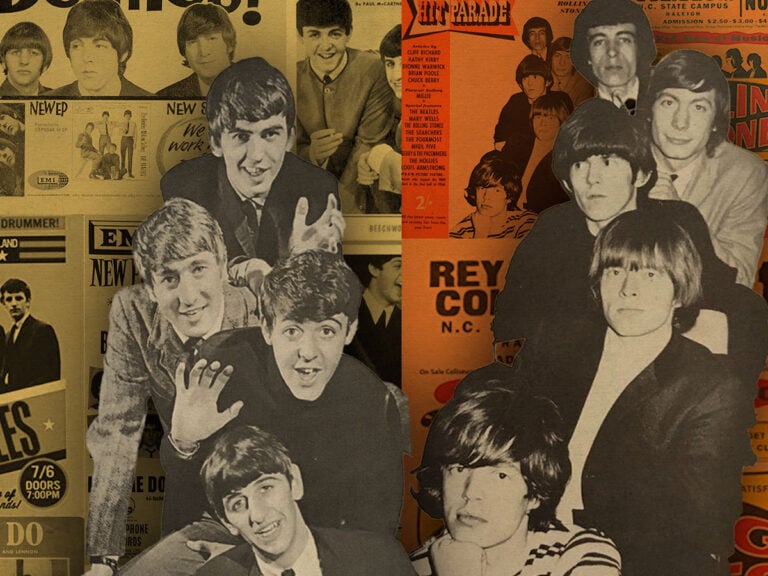

The writer/director of Clueless was a 41-year-old Amy Heckerling, the same woman who’d completely revolutionised the teen comedy 13 years earlier as the director of Fast Times at Ridgemont High. In the years in between, unfortunately, Heckerling had been working primarily on directing and producing the Look Who’s Talking series of movies; the ones where Bruce Willis voices a talking baby. There was no indication she had another all-time classic coming-of-age comedy up her sleeve, but in 1995, there it was, a modern adaptation of Jane Austen’s Emma, starring a bright new face in Alicia Silverstone, previously known as the star of a few Aerosmith music videos.
Rather than populating the world of Clueless with the band’s music, though, Heckerling and the film’s producers wisely made a point of trying to read the 1995 zeitgeist. Whereas Hollywood is usually notoriously late to the party on music, pushing out trend-chasing films a year or two too late, Clueless was ahead of the curve on a few things, or helped spur them on, depending on how you look at it. That included a nod to the whininess of an upstart Radiohead, as well as a strong nudge for the bubbling-up sub-genre of ‘ska-core’, later to be known by many as ‘third wave ska’, destroyer of grunge.
While the argument could be made that pop-punk bands like Green Day and The Offspring had already dealt grunge a significant blow by 1995, those groups were still coming from a recognisably cynical and detached worldview typical of the ‘90s slacker cliché. Clueless was decidedly, on the surface, a comedy about obnoxious rich teens in Beverly Hills, but in this idealised version of reality, they were also ambitious, semi-noble people with progressive politics and an ability to grow and learn.
And what sort of music captured this cheery spirit of Silverstone’s character, Cher, and her mates? It was the new form of pop-punk that had been emerging in grunge’s shadow over the past few years, the kind that folded in the influence of the UK’s 2 Tone ska bands of the ‘80s (The Specials, Madness, and their ilk), into the rough and speedy hardcore sound of American West Coast punk.

Ska-core wasn’t a new thing but actually dated back to the mid 1980s, quietly forming just after the demise of second-wave ska, with the East Coast’s Mighty Mighty Bosstones widely regarded among its earliest progenitors in the US. The Bosstones had been plugging away for a decade, in fact, when they caught an unexpected big break, cast to perform, as themselves, during a big party scene in Clueless. Their song ‘Where’d You Go?’ appeared on the movie’s soundtrack, and by the next summer, they were a headline act on the A-list skate-punk festival known as the Warped Tour. When their next album dropped in 1997, the lead single ‘The Impression That I Get’ became the biggest hit of their career, and arguably the centrepiece single of the entire ‘90s ska movement, a dance hall barnburner to this very day.
“I think that coming off of grunge and all that depressing rock and roll, I think it’s natural that people want something different,” Bosstones frontman Dicky Barrett told the Spokesman-Review in 1997. “Something a little more fun.” Sharing that sentiment was a newly famous singer named Gwen Stefani, frontwoman of the biggest-selling act of third-wave ska, the SoCal-based No Doubt.
“It’s so happy and fresh sounding,” she said in 1996, speaking of the retro-minded ska-core sound, “compared to a lot of the grunge and dark stuff that’s been coming out lately”. Ironically, Stefani would soon start dating Gavin Rossdale of Bush, a British band fully invested in carrying the torch for the grunge ethos.
The first time most people heard No Doubt’s breakout hit ‘Just a Girl’ was during a sequence in the first ten minutes of Clueless. The song didn’t end up on the film’s official soundtrack and wasn’t released as a single until several months later, but as music supervisor Karyn Rachtman later told Flavorwire in 2015, she and Amy Heckerling actually felt that ‘Just a Girl’ “was the embodiment of Clueless”, and if not for petty squabbling between Capitol Records and No Doubt’s label, Interscope, they would have made it the lead single from the Clueless soundtrack.
‘Just a Girl’ was actually one of the least ska-inflected songs No Doubt had released up to that point, harking back more to the New Wave sound of The Cars. But when the more hornsy single ‘Spiderwebs’ was released in 1996, No Doubt raced out to the front of a suddenly vibrant new American ska scene, alongside the Bosstones, Sublime, Reel Big Fish, and Less Than Jake, among others.
As Far Out’s own Ben Forrest pointed out a few years ago, not every appreciator of ska music was thrilled about American ska-core in the ’90s, or more specifically, how it was depoliticised and comedically co-opted by ‘silly’ bands like the Aquabats. While the Mighty Mighty Bosstones had come up revering both the 2 Tone bands and the original Jamaican masters of ska music, a few too many photocopies of those homages had been made by the time of ska’s long-awaited Americanisation, with more bands emulating the Bosstones themselves, rather than the founding fathers and mothers.
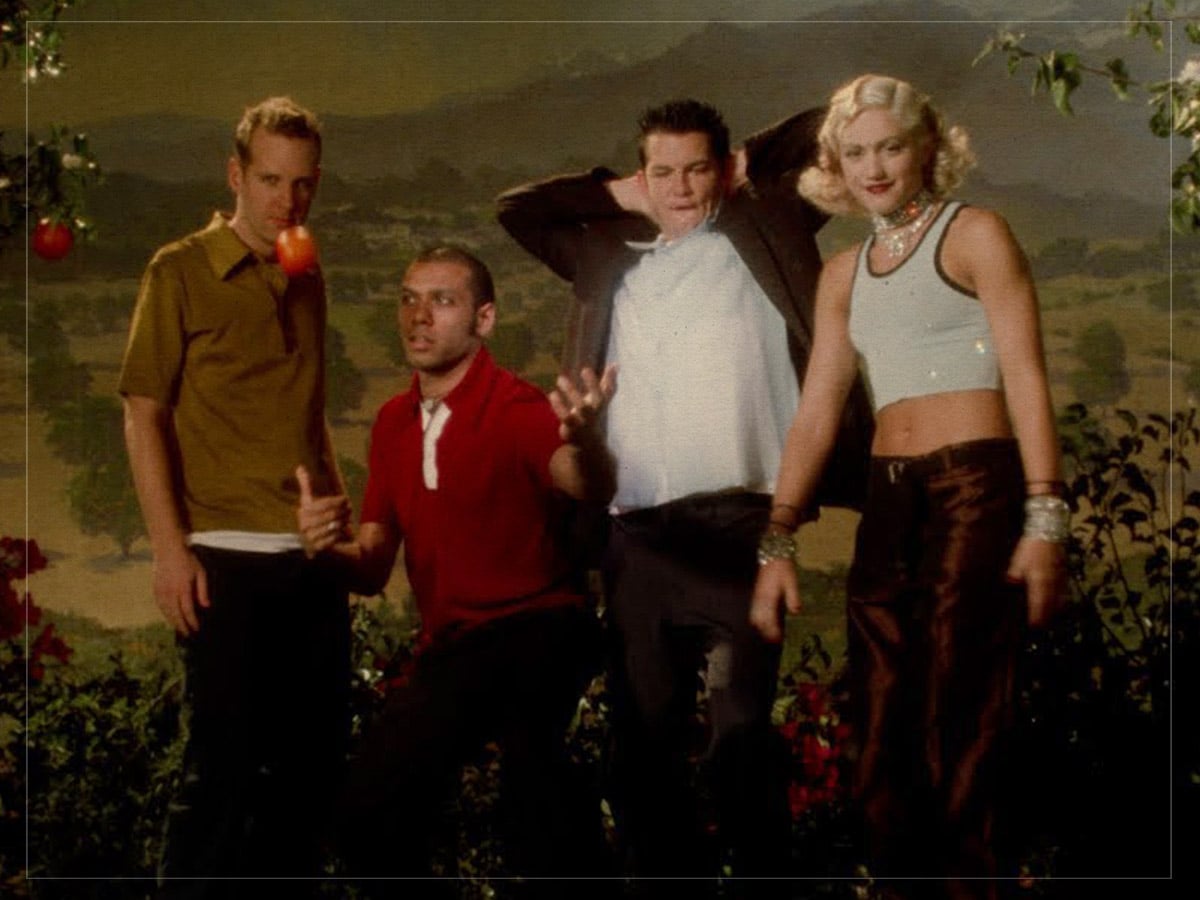
Very few fans at a No Doubt gig knew the names of Prince Buster, Desmond Dekker, or the Skatalites, but a huge portion of them had seen and enjoyed Clueless, and they were motivated by the positive energy of what, to them, was a brand new sound. Any political messages or connections to the history of an oppressed people weren’t really on the radar. While people feel like Gwen Stefani has taken a massive 180-degree turn these days as a right-leaning conservative Christian, she wasn’t exactly leading the riot grrrl parade back in 1996. Even when fans wanted to embrace ‘Just a Girl’ as a political statement of sorts, she was usually quick to shoot down the notion.
“A lot of people have taken it further than I’ve wanted it, like some big feminist statement, which it really isn’t,” she said at the time.
The ska-core explosion ultimately proved quite brief, as No Doubt’s move away from its ska roots, combined with the death of Sublime’s Bradley Nowell, took the wind out of the disconnected scene’s sails. The Bosstones carried on, never having expected their moment in the sun in the first place.
“It was double-edged really,” Dicky Barrett told the Cleveland Scene in 2018, “It was great, but at the time, I didn’t properly enjoy it the way I should have. I thought the sky was falling in, and it was the end. I thought, ‘Oh my god, everyone knows who we are’. We were rude boys from Boston, and we weren’t supposed to be popular. All of a sudden, we were… Then, I realised it wasn’t so bad. I learned that the people that supported us before were proud of us and thought we deserved it. Pop music joined us on our terms; we didn’t join pop music on its terms.”
In the end, the ‘90s ska moment, like the oddly simultaneous swing revival, served a clear purpose as a radio palette cleanser for the country. Grunge was over, peppiness was back, and, as a consequence of sorts, the golden age of the teen movie had begun, with Clueless opening the gates to a deluge of late ‘90s films with corresponding pop-punk soundtracks: Scream, American Pie, 10 Things I Hate About You, Can’t Hardly Wait, Cruel Intentions, and more.
You might argue that some of those movies were even better than Clueless, or that the unofficial fourth wave of ska (Google it) in the 2020s is the best since the genuine article. As Cher Horowitz would say, though, “As if!”
