


Five bands that Mark Knopfler couldn’t stand

In the world of rock, it’s not uncommon to come across a certain level of snobbery when it comes to authenticity.
Some of the time, these opinions are warranted, and have more to do with honesty and emotional connection in music than the simple desire to monopolise an entire space. Mark Knopfler likely understands this more than most.
Throughout his career, Knopfler has created a reputation for precision and emotionality in music. His genuine love for music is always one of the first things people notice about him, and, when it comes to his own influences, he tends to steer away from any artist or band that seems too different from his own core principles on what ‘real’ music actually means.
Which, typically, is anything that isn’t the shiny, manufactured gloss of commercial music or anyone who seems to prioritise style over substance for the sole purpose of mass appeal. In Knopfler’s world, you can tell those players from a mile off, not just because of their image but also because the music itself usually isn’t all that great to begin with.
Although he’s not as forthcoming in his opinions as many other rock stars in the game, Knopfler has shared his dislike for other bands on more than one occasion. In interviews, he usually prefers to discuss his own craft and not tear down the achievements of others, but sometimes, it’s impossible to avoid, especially when the bands are so inauthentic that it’s almost offensive.
Bands Mark Knopfler couldn’t stand:
Duran Duran
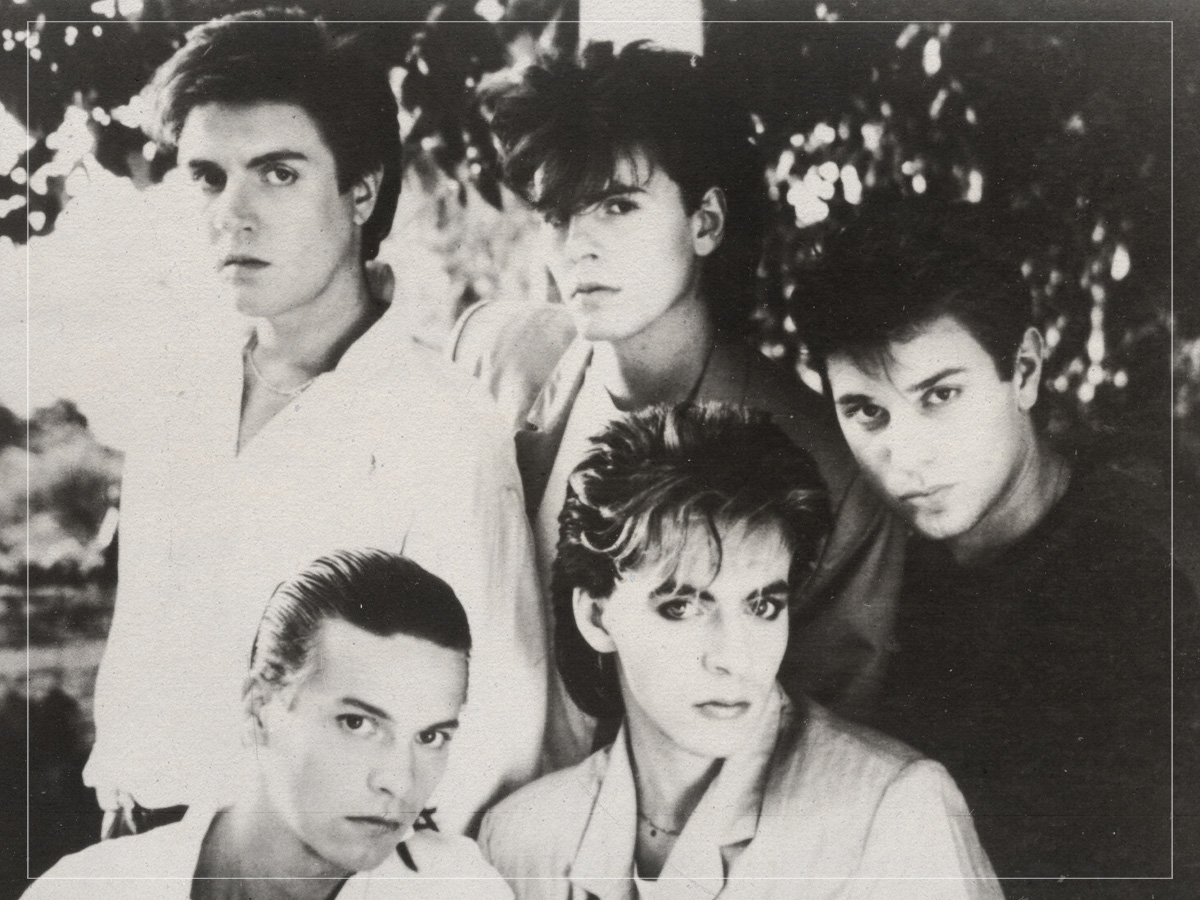
As much as it’s a much-celebrated part of history now, 1980s pop-rock wasn’t everybody’s cup of tea at the time. Knopfler, for one, wasn’t the biggest fan of how much of it seemed like a poorly executed attempt at mainstream commercialism, without having anything actually meaningful to say.
Bands like Duran Duran, in his view, epitomised this “nonsense”, appearing as nothing more than a pretentious cash grab that would surely fade away as quickly as it arrived. Of course, this dislike also likely stemmed from both experiencing success at around the same time, though each represented two completely different ideas of musical expression and ‘authenticity’.
Spandau Ballet
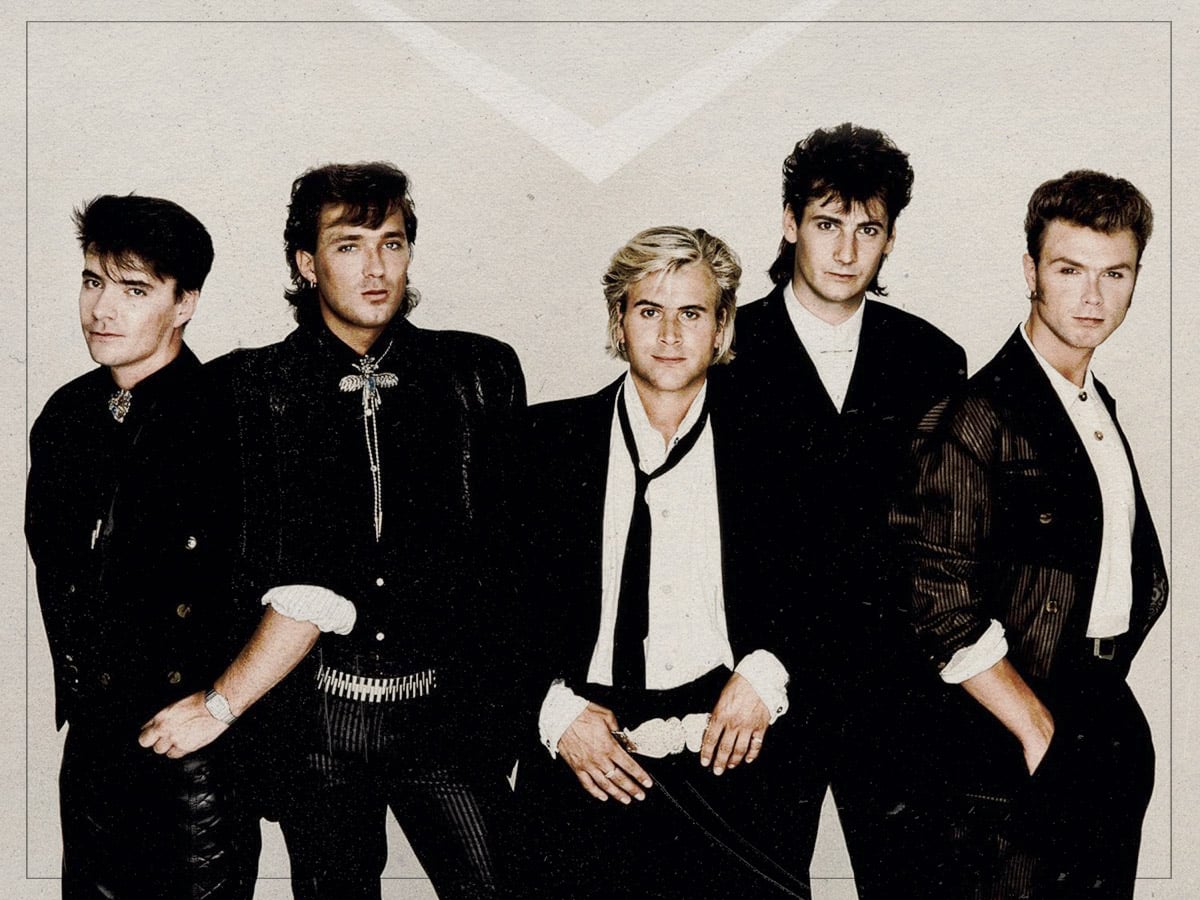
Spandau Ballet might have drawn people into their new wave musical charm with rock ballads that many still revisit today, but for people like Knopfler, they weren’t groundbreaking in the way many thought they were. Instead, they were more concerned with what they appeared to look like on the surface than making music that actually tested boundaries or offered anything meaningful.
Apparently, Knopfler’s biggest issue was that they pretended to be sophisticated when they were anything but. Of course, musical taste is entirely subjective, but with this band in particular, he seemed to also take issue with the fact that so many people failed to see right through them when, in his view, their true colours were as clear as day.
Steely Dan

Steely Dan is no doubt one of the most significant bands of all time, and while there’s nothing especially gossip-y about Knopfler’s apparent dislike for them, there is something interesting about the way that working on their record Gaucho completely destroyed his morale, almost like “getting into a swimming pool with lead weights tied to your boot”.
With long studio sessions and a strange dynamic that left Knopfler unsure where he stood or whether they actually liked his contributions, the entire experience left him feeling a little out of sorts, confused about whether the pair were actually perfectionists or whether they were merely making the entire process harder for the fun of it. Knopfler’s frustration didn’t last, but it certainly was enough for him to realise the kind of bands he didn’t want to work with.
Frankie Goes to Hollywood
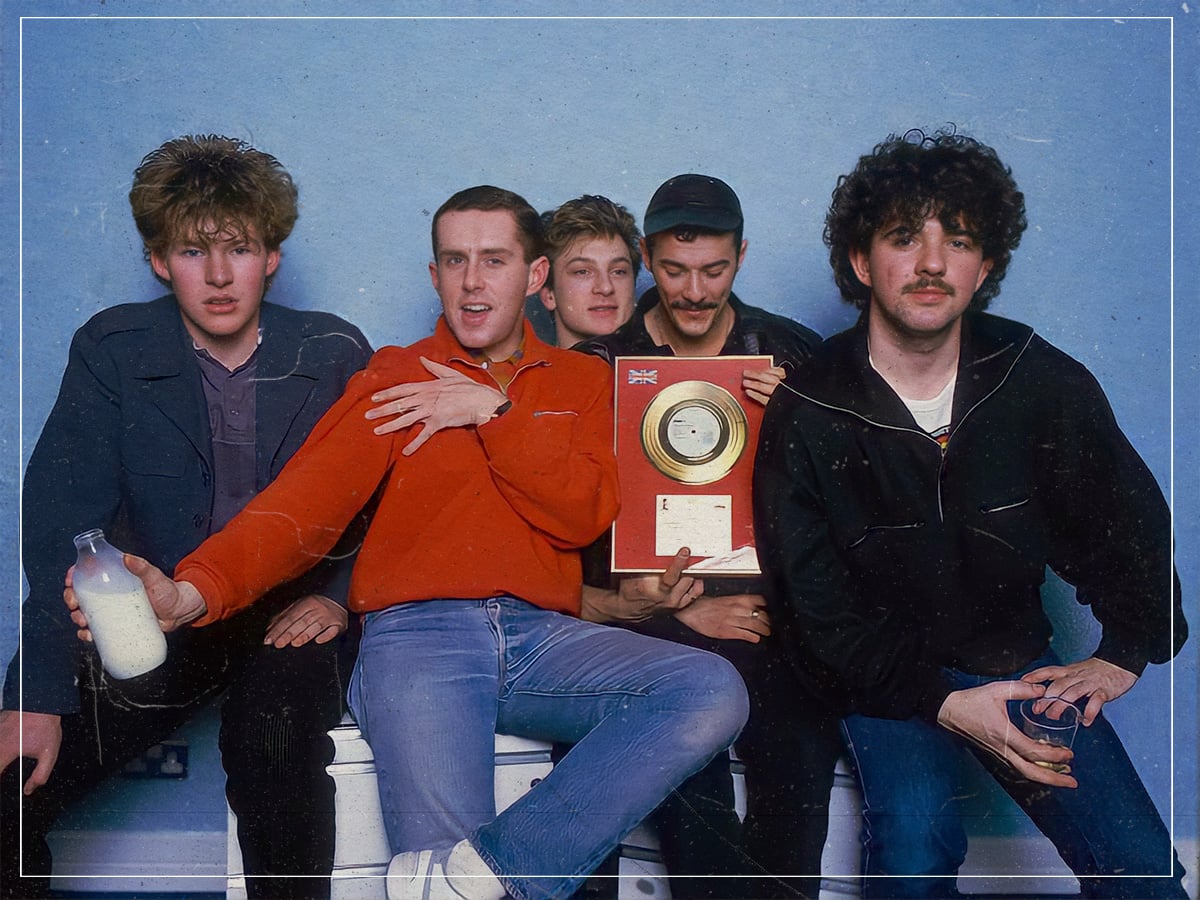
In 1984, Frankie Goes To Hollywood practically single-handedly launched an entirely new movement with ‘Relax’, challenging all expectations with something overtly queer and sensual, and becoming the face of the entire community during one of the most turbulent times in history.
However, Knopfler apparently couldn’t get on board with their specific flavour of revolution, apparently struggling with how all attention seemed to drift towards the controversial aspect of their offering, rather than anything actually musically innovative or tasteful.
Culture Club
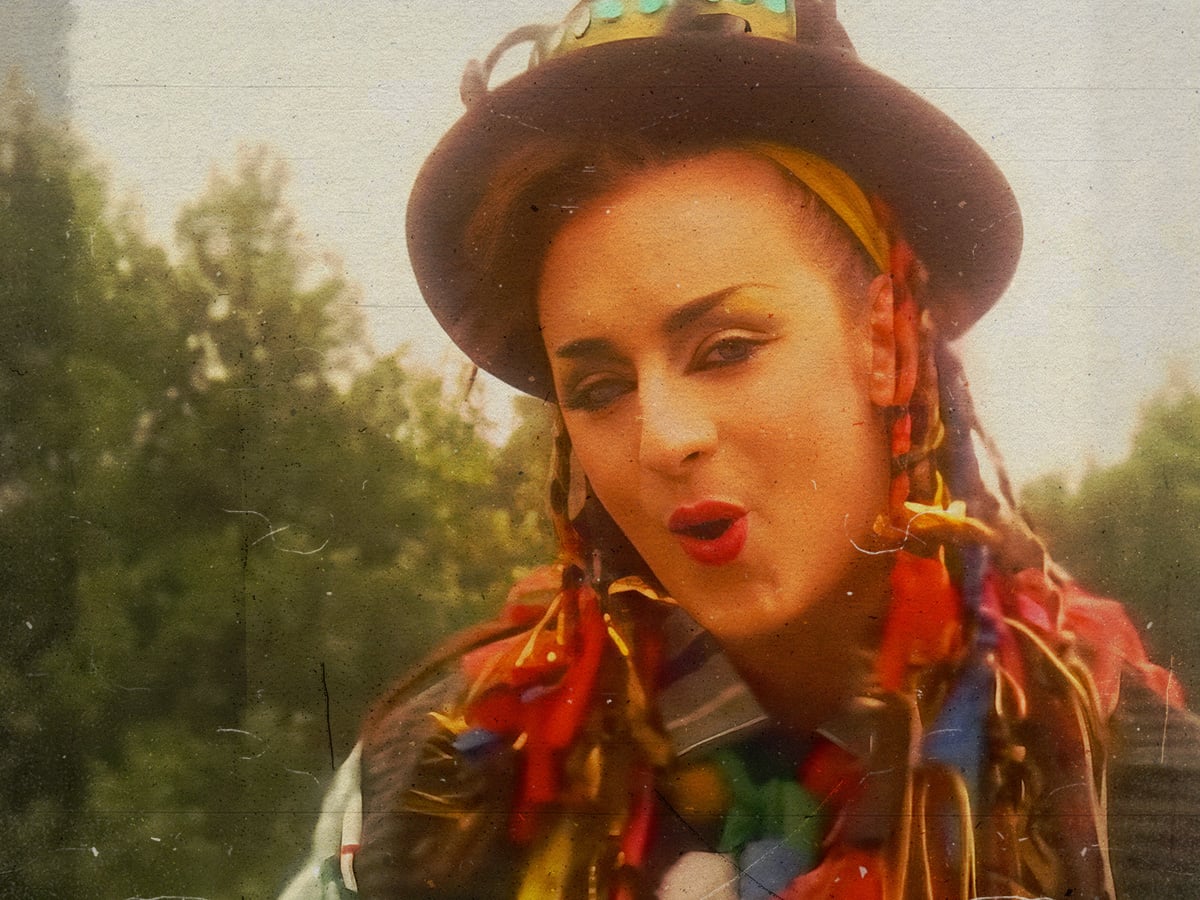
In a similar way to all those he deemed too pretentious to have earned their success organically, Culture Club were to Knopfler the opposite of what risk-taking and quirkiness in music should be, taking the idea of presenting something unique or original and making a complete mockery of it.
At the time, Knopfler also reportedly made a comment about what ‘real’ music should be, and compared the concept ot authenticity to what the Boy George-fronted band were doing at the time, which, in his mind, wasn’t about making music intellectual or authentic, but something gimmicky that held absolutely no value at all.
