


The five biggest lies told about northern soul

Given that northern soul is among the most miraculous, unexpected subcultures and music scenes that Britain has ever produced, it isn’t all that surprising that it is still attracting a plethora of misconceptions to this day, over half a century on from its first emergence onto the dancefloors of northern England.
Music scenes, by and large, tend to follow the same patterns, whether you’re talking about punk rock, disco, or even acid house. Northern soul’s prevailing difference, though, was that the music industry had little-to-no say in its emergence; the artists whose work boomed over the PAs of Wigan Casino or the Twisted Wheel weren’t new, in fact many of them had already abandoned the industry by the time they found northern soul stardom, and they weren’t local to that particular area, the vast majority hailing from the opposite side of the Atlantic.
Inevitably, given that the scene was one of the few outside the grasp of the mainstream music industry, the industry couldn’t control the narrative of northern soul. As such, the scene has never had overly strict parameters on what constitutes ‘northern soul’ – is it a style of music, a fashion, a dance, a way of life? The answer to that question lies entirely in the souls of those who spend their weekends worshipping old-school American soul records.
Nevertheless, the rather diffuse nature of northern soul and its definition breeds misconceptions and misinformation. Particularly in the modern age, when the original wave of soulies from the late 1960s and early 1970s are rapidly reaching retirement age, and a new generation is discovering the allure of northern soul for the very first time, it is no surprise that northern soul is still a source of mystery for those outside the scene, or those who are still new to it all.
In an effort to provide a kind of FAQ page for a selection of those often repeated misconceptions, here we have collected and debunked the five biggest and most painfully repeated lies ever told about Britain’s most enduring musical subculture.
The five biggest lies told about northern soul:
“It’s for old people, isn’t it?”

One of the biggest misconceptions about the northern soul scene in the present day is that it is the sole preserve of old people. Admittedly, you don’t have to attend too many northern soul nights before meeting people in the scene who are in their 60s and 70s (an age group which, with apologies, can be described as old), who have been going to soul nights since the 1970s, but those folks don’t make up the majority of northern soul’s modern-day audience.
A constantly evolving, enduring scene, northern soul in the 21st century has just as many young devotees as those original soulies who have kept the faith for all those years. Another blow to the ageist debate within northern soul comes with the fact that many of those 65-year-old soulies can still perform the kind of acrobatic, awe-inspiring dance moves that would make even a 25-year-old athlete wince.
“Wigan Casino was where it all started.”

Although virtually every piece of media relating to northern soul, whether it’s films, documentaries, books, or its endless deluge of compilation CDs, invariably centres around Wigan Casino. Even 2010’s SoulBoy, a film set in Stoke, makes no mention of the town’s own contributions to the northern soul scene, focusing entirely on Wigan instead.
While there is no doubting that the Wigan all-nighters marked the peak of northern soul’s relevance and a magical period in the scene that has been coveted ever since, it is always worth remembering that the scene predated the Casino Club by quite some time.
It wasn’t until 1973 that Wigan Casino hosted the first of its iconic all-nighters, by which time the northern soul scene had already been around for multiple years. In fact, it was only due to the closure of Manchester’s Twisted Wheel in 1971 and Stoke’s The Golden Torch in 1973 that Wigan Casino was able to pick up the baton of being northern soul’s most legendary venue.
“There are no more all-nighters.”

You will be familiar with this kind of claim if you have ever gotten trapped in a conversation with a rather bitter old bloke who once frequented Wigan Casino and hasn’t interacted with the scene since. It is true that local licensing restrictions have made true all-nighters in the UK far less common than they were during the scene’s heyday, but that doesn’t necessarily mean that those looking to speed the night away to the beating rhythm of soul in the modern age are out of luck.
Down in London, for instance, The 100 Club has hosted the legendary 6Ts Rhythm and Soul Society all-nighters since way back in 1979, with events often running til 6am in the morning. Meanwhile, there are countless clubs and nights up and down the nation, both new and old, that offer northern soul goodness well into the early hours of the morning, even if they aren’t quite as exhaustive as Wigan’s midnight-til-8am all-nighters.
“All the records are worth thousands.”

It is true that northern soul records can easily break the bank when it comes to collecting vinyl, but not every northern soul single is automatically worth thousands. Particularly in this day and age, the vast majority of northern soul ‘classics’ have been reissued on a multitude of occasions, going right back to the 1970s when labels like Motown first caught on to the growing market of English soulies.
So, unless you are sitting on a collection of bona fide northern soul originals, all in immaculate condition, using your collection as your pension might not be too wise.
Nevertheless, there are quite a few northern soul records which can and will break the bank if you wish to add an original copy to your collection. Frank Wilson’s ‘Do I Love You (Indeed I Do)’ is the ultimate holy grail, and a copy fetched £100,000 last time it came to light. Even further down the pecking order, though, an original copy of The Professionals’ ‘That’s Why I Love You’ or Lou Pride’s ‘I’m Com’un Home in the Morn’un’ can easily set you back £5000. For any skint but budding northern soul DJs out there, modern-day reissues might be your best bet.
“You’ll need dancing lessons.”
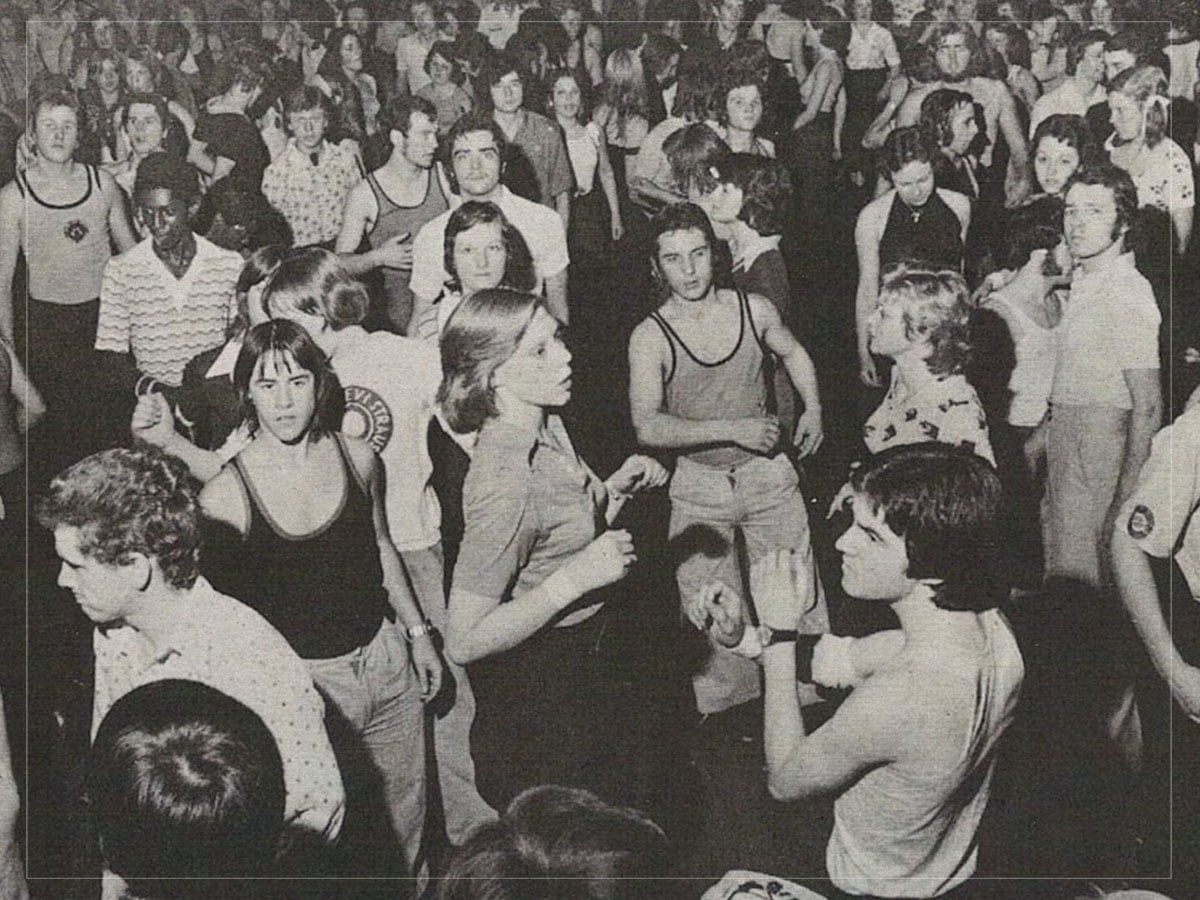
One of the most contentious untruths in the northern soul scene, particularly in recent times, is that there is a definitive way to dance to northern soul, and that those dance moves can be taught in – often quite pricey – dance lessons. This should go without saying, but the original wave of working-class soulies in places like Blackpool, Wigan, Manchester and Stoke were by no means professional dancers.
While there may be some value in a lesson to help those unfortunate enough to be born with two left feet to feel more confident on the dance floor, these lessons do tend to contribute to the misconception that northern soul dancing is all the same. In reality, dancing to northern soul is a very personal, intimate affair, with each movement informed by however that particular song strikes that particular dancer in the moment – it would be boring if everybody danced the same. If you spent the entirety of an all-nighter trying to remember steps or watching your feet, you are missing the entire point.
