


“You can give them to the birds and bees”: Do northern soul records retain their value?

Once a cheap and abundant music format that you could pick up for mere pennies, vinyl records have witnessed a colossal resurgence over the last decade. With that resurgence came a new generation of listeners keen to immerse themselves in the world of wax, bringing with them a surge in prices, too. Collecting vinyl records is not a cheap hobby, but it becomes all the more financially demanding when you enter the world of northern soul records, where obscure and impossibly rare discs can set you back thousands of pounds.
First emerging during the 1960s and 1970s, localised largely to the north of England, the northern soul movement saw young audiences develop an unwavering obsession with old-school American soul, funk, and R&B records. Before too long, DJs and soul collectors were scouring the world for the most obscure, rare, and forgotten soul records possible, bringing them back to the dancefloors of Wigan, Manchester, Blackpool, Stoke, and countless other provincial towns and cities across the glorious north.
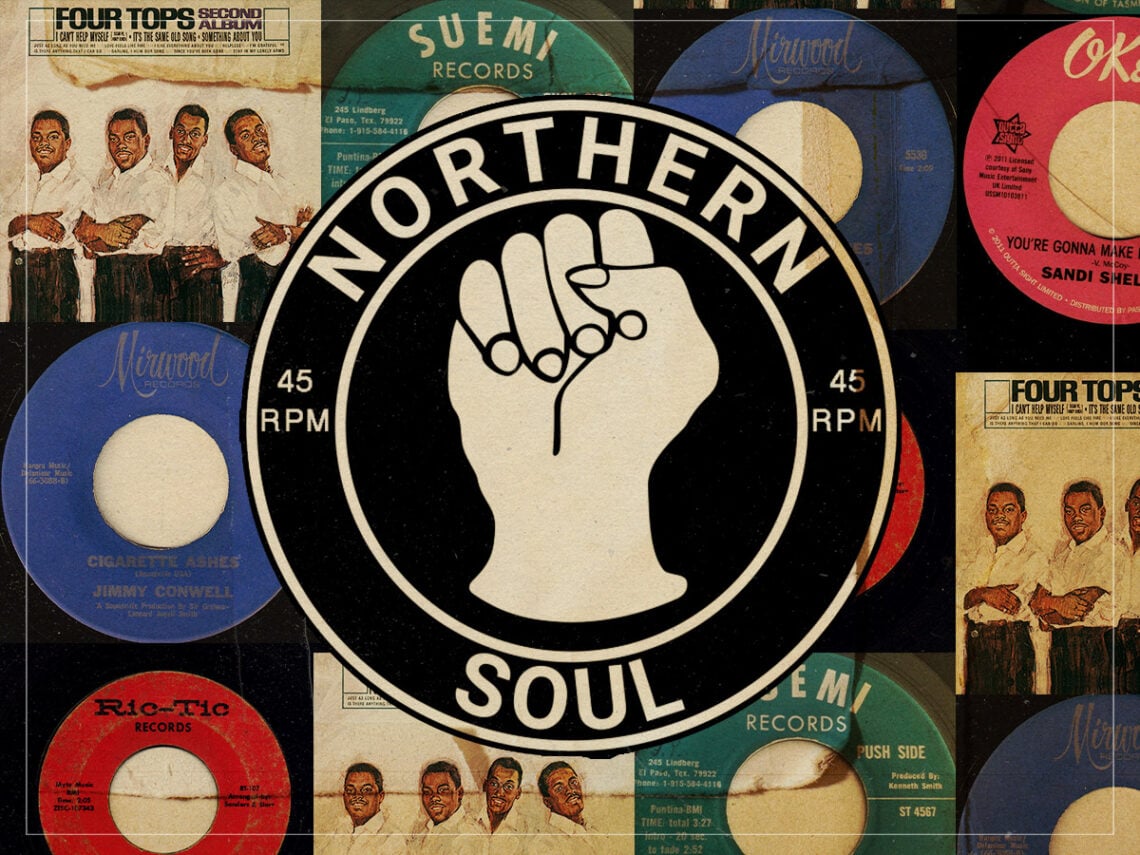
At that time, during the early days of the northern soul scene’s emergence, many of the records being chased by DJs and collectors were unknown to mainstream audiences and, by extension, mainstream record stores. You couldn’t walk into any average record store and pick up a copy of Sandi Sheldon’s 1967 floor-filler ‘You’re Gonna Make Me Love You’, but if you knew the right dealers, you could probably find a copy for relatively cheap. Before too long, though, the laws of supply and demand started to creep into the scene.
After all, many of the records that typified northern soul came from unknown artists on tiny independent record labels. As such, these singles were often pressed in very small numbers and distributed locally in whatever city the label hailed from – typically places like Detroit, Chicago, or Philadelphia. As such, finding copies in the arse-end of nowhere in deepest, darkest Lancashire was like trying to locate a teardrop in the ocean. So, when copies of certain singles did find their way into the market, they often commanded a pretty penny.
Flash-forward to the modern day, and the price of northern soul records only seems to be increasing. One notable example of just how expensive these little plastic discs have become is Frank Wilson’s Motown masterpiece ‘Do I Love You (Indeed I Do)’, an original copy of which sold for an eye-watering £100,000 back in 2020. With that high-profile sale, more and more folks are looking to the world of northern soul records as some kind of investment opportunity, but is it really worth it?
If we stick with ‘Do I Love You’ for a little while longer, that 2020 sale price marks a nearly 300% increase in value from 2009, when another copy sold at auction for £26,000. No bank in the world could offer you those interest rates. Indeed, when collector Lee Jeffries bought the single in 2020, he told Harborough Mail, “It’s a fantastic one-off investment and it will be worth every penny and more.”
That does not mean, however, that every northern soul single will be a good investment. After all, the prices might be high, but the market is still relatively niche – to the untrained eye, you could flick through these incredibly valuable singles in a charity shop without taking much notice; they are worth thousands, but only to the right buyer. What’s more, if you’re planning to invest in northern soul records, you have to contend with the potential for reissues and bootlegs entering the market, diluting the market while also making it more difficult to find a genuine original copy of certain singles.
Aside from anything else, if you are planning to start collecting northern soul records as an investment, then you are missing the entire point. These records were uncovered by pioneering DJs and collectors all those decades ago so that they could be played and enjoyed by audiences full of euphoric soul obsessives finding solace in their grooves, not to be locked away in a hermetically sealed vault where their monetary value will increase over time. Northern soul is a way of life, and its music is there to be played, not put into your pension fund.
