


Five songs from the 1970s that paved the way to the sound of the 1980s

The 1970s stand as a gobsmacking decade for popular music.
It’s been ten years since everything seems to have happened. Punk, prog-rock, glam, disco, and hip-hop all enjoy furtive beginnings, country, rock and roll revival, and folk spark back into the charts, and classic rock is having its showboating heyday. Starting from the countercultural echoes of Woodstock to new wave’s seismic upend, the 1970s doesn’t beat its decade predecessor for the dizzying pace of change, but certainly trumps the 1960s for sheer myriad musical choice.
Some artists, however, looked forward, while others looked back. Not that the latter realised it, but, as musical lore has already well and truly covered, the nascent punks kept going by glam’s sugar rush, but bored of the hippy residue clogging the charts would take to the stars unconcerned with double denimed seriousness flumping a wet flannel on all the fun and urgency that was supposed to be had during the decade’s tumultuous pass.
It was impossible to envisage how different the rock and pop climate would look in the 1980s, the decade when MTV, superficiality, and mass-commercialism ruled the day amid the sweeping political revolution hurtling across the Western world. Yet, a handful of luminaries were able to pave the era’s sonic path, chasing the shock of the new and forming the trends that would follow, for better or ill.
In salute to such pop setters, we select five songs that had their hand in shaping the 1980s’ music soundtrack.
Five 1970s songs that paved the way for the 1980s:
Genesis – ‘Follow You Follow Me’
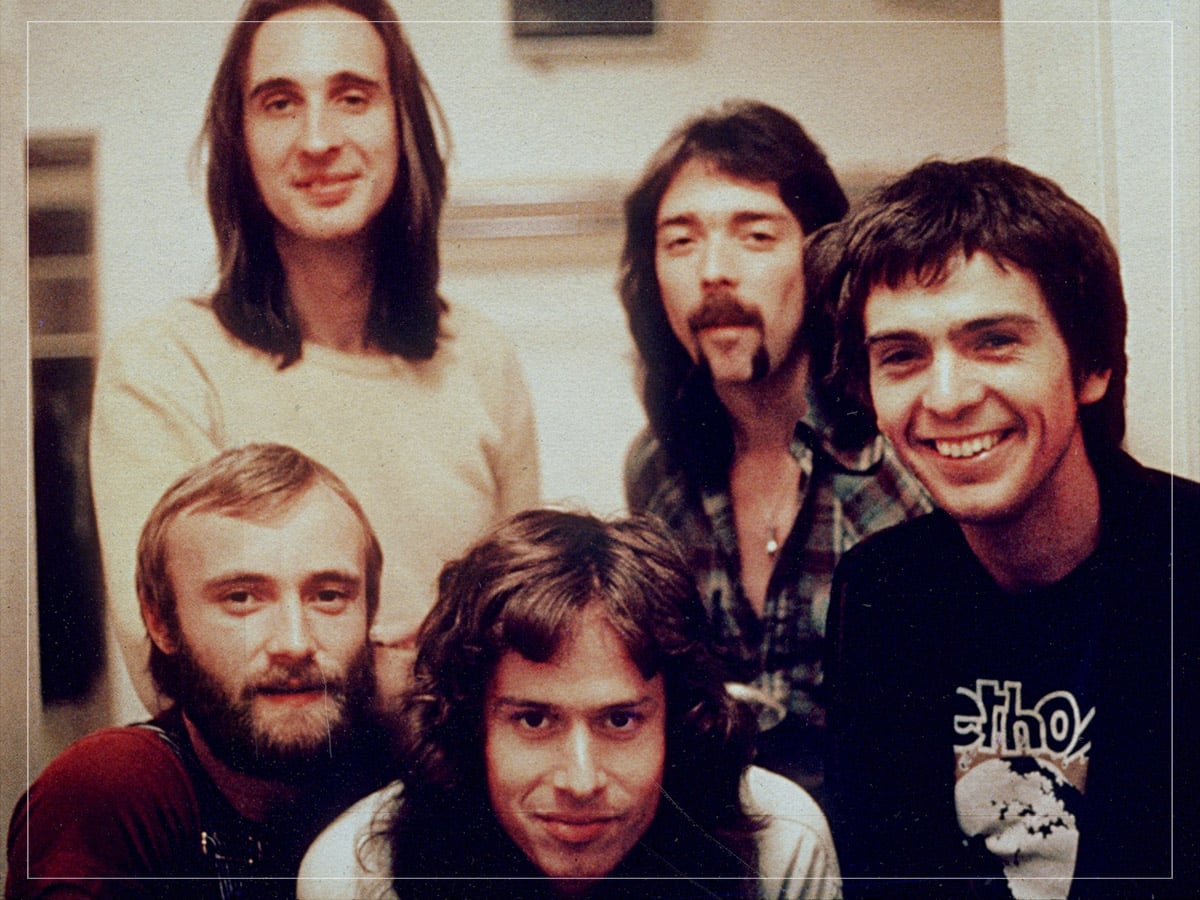
Release Date: February 1978 | Producer: David Hentschel and Genesis | Label: Charisma
Peter Gabriel was already long gone by …And Then There Were Three…, but Genesis’ ninth LP was a pivotal record in the prog band’s evolution. With guitarist Steve Hackett now out of the picture, the core trio would begin in earnest toward their ascent to pop conquer. Eager to shake off the perception of a solidly male fanbase, bassist Mike Rutherford penned a romantic love song that shooed away their prog expectations and also marked out drummer and second frontman Phil Collins as a contender for chart poster boy.
Bands like REO Speedwagon and Styx had been around for years, but it took Genesis’ ‘Follow You Follow Me’ to realise a soft rock example the Foreigners and Journeys of the world would emulate in earnest across the 1980s. From henceforth, Genesis were an unashamed pop group, inspiring a whole cohort of adult-contemporary smooth pop and radio rock that dominated the decade’s Billboard charts.
Van Halen – ‘Ain’t Talkin’ ’bout Love’

Release Date: February 1978 | Producer: Ted Templeman | Label: Warner Bros
Heavy metal hasn’t enjoyed such a commercial explosion as the glam mugging of MTV’s heyday across the early 1980s. Flexing their best spandex and hairsprayed Barnets, the revolutionary cable channel’s eager grab for promos meant the cartoon excesses of Mötley Crüe, Ratt, and a solo Ozzy Osbourne were thrust to the fore as some of the era’s biggest superstars.
Glam metal’s roots can be traced back to Kiss, New York Dolls, and Alice Cooper early in the 1970s, but Pasadena’s Van Halen truly fired the shredding rock gun at the decade’s end. Offering an antidote to punk’s iconoclasm, Eddie and Alex Van Halen crafted a shimmering, radio-friendly pop metal sound that swung with rock heft but hurtled wholeheartedly toward the toppermost commercial peaks.
They got what they wanted, chiefly tens of millions in record sales. Featured on their eponymous debut, ‘Ain’t Talkin’ ’bout Love’ best cemented a glossy metal template that much of the rock world would follow until Seattle’s grunge dam burst in the early 1990s.
Throbbing Gristle – ‘Hamburger Lady’

Release Date: December 1978 | Producer: Throbbing Gristle | Label: Industrial
Nobody remotely orbiting popular music was able to coax a depth of febrile, sonic evil quite as unnervingly as Throbbing Gristle. A successor to the COUM Transmissions art-collective, the electronic quartet combined transgressive subject matter and avant-garde provocation to shake society’s foundations when first formed in 1975. Soaking up the era’s economic malaise and urban decay, their caustic brand of noise rock and primitive synths was branded a genre unto its own: industrial.
While their 1977 debut, The Second Annual Report, made its acidic mark in the post-punk underground—a label they’d always disavow—the following year’s DoA: The Third and Final Report of Throbbing Gristle was where their bricolage reportage would truly take mishape. Collating the letters of mail artist Blaster Al Ackerman’s details of a severely deformed burns victim in intensive care, ‘Hamburger Lady’ oozes out the speakers with vacuum horror, pulsing static and queasy effects twisting Genesis P-Orridge’s dispassionate recount.
Throbbing Gristle’s discoloured dread would point the way for numerous future subversives, from White House’s power electronics to the likes of Skinny Puppy and Ministry, adding a metal twist across the 1980s.
Parliament – ‘Flash Light’
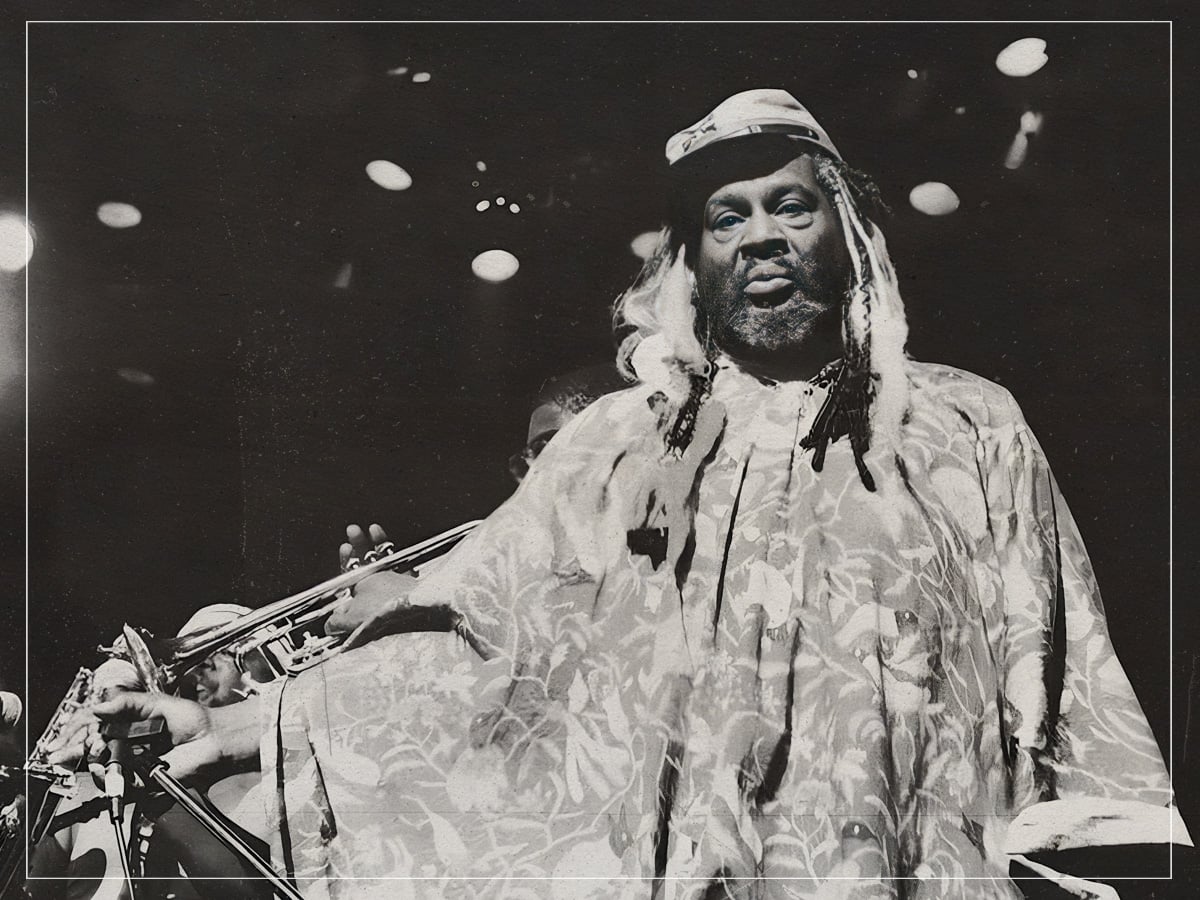
Release Date: January 1978 | Producer: George Clinton | Label: Casablanca
Where to begin? Afrofuturist psychonaut George Clinton weaved an entire mythos across the 1970s, corralling a gaggle of LSD-fried R&B misfits to spin comic takes of interstellar funk and reporting on the Black experience of America through their teeming cartoon lens courtesy of Pedro Bell’s colourful album covers. While the Funkadelic moniker reflected the darker political drama hanging across the streets at the decade’s start, the Parliament flip-side grew in chromatic stature by the end, brewing kaleidoscopic funk numbers aiming for outerspace as much as the dancefloor.
The second single from 1977’s Funkentelechy vs. the Placebo Syndrome, ‘Flash Light’ scores the P-Funk Mothership’s quest to instil funk’s superpower virility to the dastardly Sir Nose d’Voidoffunk, scored with infectious Bootsy Collins’ turn on the drums rather than his usual bass, and Bernie Worrell’s thick, multi-Moog basslines. One of their defining cuts, ‘Flash Light’ radiates the future sounds of hip-hop and R&B pop of the 1980s, conjuring a sound full of futurist bounce that a million crate diggers and record riflers would plunder for the sampling boom set to explode in the rap underground in a few short years.
Kraftwerk – ‘Trans-Europe Express’

Release Date: April 1977 | Producer: Ralf Hütter and Florian Schneider | Label: Kling Klang, EMI
Synths and even electronic music weren’t invented by Germany’s most essential band, but Kraftwerk indeed laid down the sonic blueprint for a huge swathe of the 1980s’ musical soundtrack. Across the new wave explosion, NRG-disco chart monsters, Detroit dance music, and hip-hop’s electro era, all feature the Düsseldorf quartet’s pioneering pop-art architecture buried amid their myriad stylistic flavours.
Any of Kraftwerk’s four classic records from the 1970s could be selected, from ‘Autobahn’s driving soundscapes to ‘The Model’s well-honed synthpop years before such a feature of the musical lexicon, but Trans-Europe Express’ gleaming title-track strands as their most far-reaching offering. A transportive love-letter to Mitteleuropa’s romantic vistas, its kinetic drum machine chug, vocoder chants, and traversing synth melodies glide along with exquisite evocation, passing through each of the 1980s’ musical chapters like its namesake train carriage. It’s Kraftwerk’s finest hour, and a visionary gem of 1970s avant-pop that still inspires to this day.
