


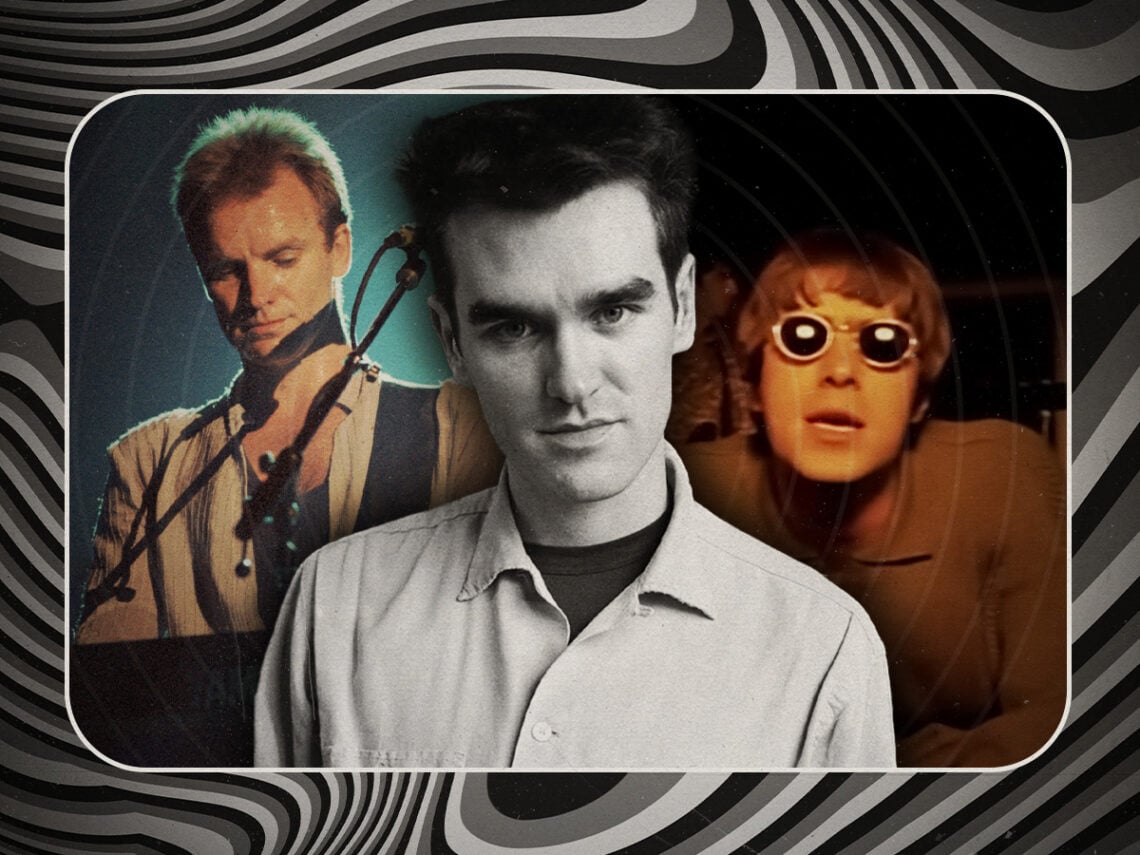
Five bands that went out in a blaze of glory

According to Sting, “I don’t think any grown man can be in a band, actually. A band is a teenage gang. Who wants to be in a teenage gang when you’re knocking 70? It doesn’t allow you to evolve”.
Naturally, that statement was made long before the nostalgia-fuelled trends of the modern day, where it turns out, in fact, everybody wants to see a band who are knocking 70. The desperate calls for reunions and the sheer hysteria that sparked upon the announcement of Oasis’ return go a long way to proving that a great band can hit the very pinnacle of the music world.
But despite reaching that pinnacle, many great bands have disbanded, as with success comes a great deal of things: finance, pressure or a warped desire for more. All three of these have fuelled the dramatic and glorious break-ups of some of our most beloved bands that, despite being on the very top of the musical mountain, called time on their project out of absolutely nowhere.
Stadium tours were abandoned, and record obligations were thrown to the wind as this troupe of future greats felt as though their collaboration had hit untenable limits. It’s a relatively well-trodden pathway in the dramatic world of music, but of them all, here are the top five most iconic bands to exit in a blaze of glory.
Five bands that went out in a blaze of glory:
The Police

The Police were at the very height of their fame come their disbanding in 1984. Monster hits ‘Message in a Bottle’ and ‘Every Breath You Take’ had them topping the charts and selling out stadiums, but behind the scenes, the success was causing a relationship of bureaucratic tension.
Sting was accused of dominating the songwriting, which Copeland and Summers wanted to contribute to more, while the frontman was more concerned with securing a future of solodom for himself as his star within the band continued to rise. And so, at the end of a 105-show run for the Synchronicity Tour in 1984, Sting felt the band had reached their personal Everest and should quit while they were ahead.
The Eagles

The end of the 1970s brought a natural end to the band, which had arguably dominated most of it. Eagles had pushed through every sign of toxicity within the line-up to continue on making albums and songs that they believed cemented their legacy as rock royalty, but come the new decade, it was time to call quits on this broken relationship and end it for good.
But how could a band that had spent its entire career fighting truly bring an end to this saga? With a backstage fist-fight, of course. Don Felder and Glenn Frey finished the remaining songs of their Long Beach show through gritted teeth before rushing backstage to lump the stuffing out of each other and ultimately bring the band to a much-needed, albeit dramatic, close.
The Jam

Come 1982, The Jam had everything a band could possibly want: a back catalogue of certified classics and a rock and roll status ready-made to sell out arenas. They were operating at the very peak of their careers to date and were preparing for a bright new future that would roll on into the new decade, until their leader, Paul Weller, decided to strike while the iron was hot and leave for a solo career. Weller’s bandmates were left blindsided and almost worried, as to where they would turn next, whereas the vocalist felt buoyed by the opportunity to try something new.
He said, “So whether it was a selfish move or not, for me, I just knew, instinctively, it was time to move on. The other things I wanted to try I couldn’t have tried within the framework of The Jam. It had to be something different, or something looser”.
Oasis

With the benefit of hindsight, it’s become abundantly clear that Oasis needed to split up come 2010. They were on a steady decline after their iconic sophomore album (What’s the Story) Morning Glory?, and the subsequent sell-out Knebworth shows saw the bulletproof Britpop model of the mid-1990s drastically weaken in strength.
But we wanted them to carry on being the band who could save us, and so they continued, against better judgment, right up until 2009 when it all came crashing down in a fit of rage, coming to a head before a concert at the Rock en Seine Festival near Paris.
Liam allegedly threw a chair at Noel, the band never took the stage, and Noel brazenly released the following statement shortly afterwards: “It is with some sadness and great relief, I quit Oasis tonight. People will write and say what they like, but I simply could not go on working with Liam a day longer.”
The Smiths

Four albums in four years, and The Smiths were on their way to becoming Britain’s biggest band, with Johnny Marr and Morrissey a prolific songwriting duo, whose personality tensions helped craft music that showcased both light and shade, helping them become the obscure indie heroes that music needed at the time.
But ultimately, that tension had an expiry date, which was expedited by the sheer volume of music they released in quick succession and the rampant rise to fame it brought them. The weight of expectation fell heavily on Marr’s shoulders, and so right when they were about to summit the mountain, he walked out on it all.
He remembered, “The band wouldn’t break up just because of miscommunication. I wouldn’t have left my own band that I formed and put my life into just because of a misunderstanding, you know? It was untenable. And I felt like I was left with no choice, and that’s fine. That’s absolutely alright, and yes, it was very sad, but it was meant to be.”
