


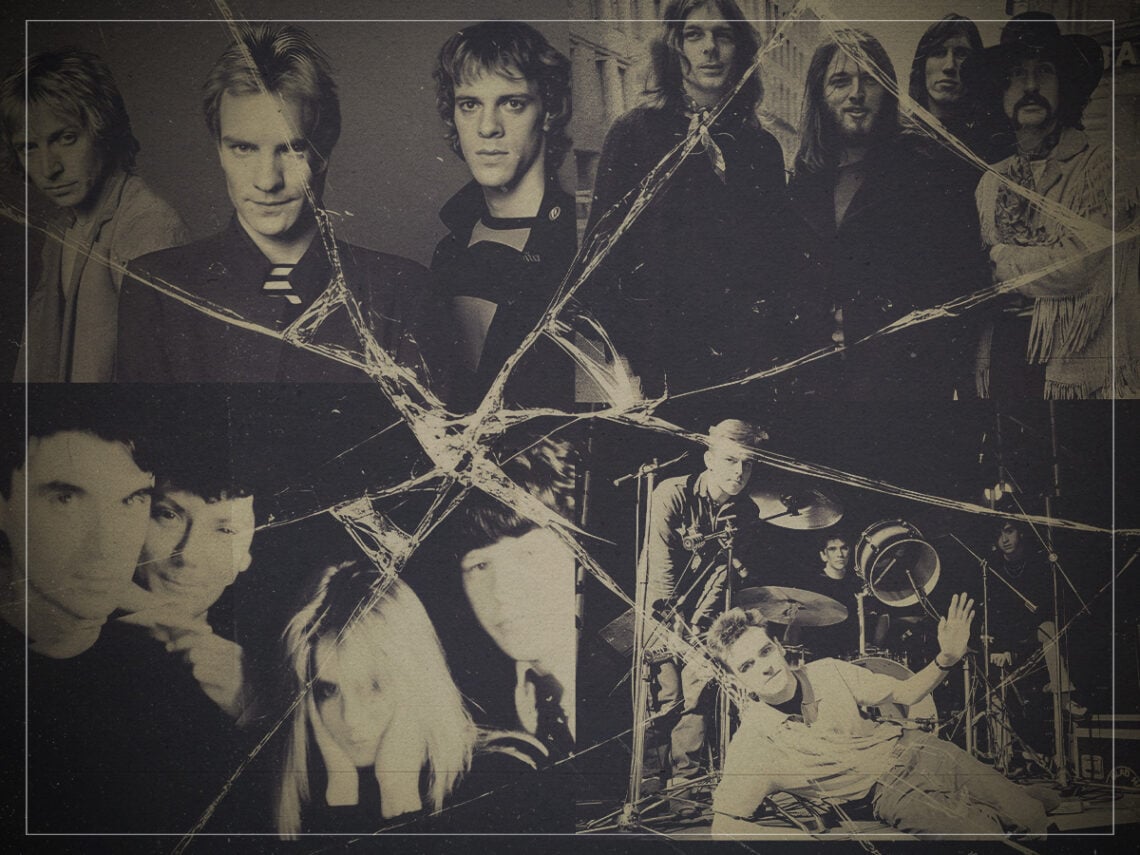
10 band breakups that are beyond repair

No band is meant to go on forever.
Even the greatest bands like The Beatles needed to call it a day after a while, and even if some of them manage to pull off great reunions, not every one of them is built to let go of grudges like that. There’s a lot of bad blood that comes with being in a band for too long, and acts like The Smiths proved that time doesn’t heal all wounds.
Granted, there’s also a lot of baggage that could go into any rock and roll band reforming. The entire point of them coming back together would either be for money or because they have something that they want to express, but even in the case of some artists, no massive paycheck could ever get them back onstage with members that they either have been betrayed by or had a massive falling out with.
It’s one thing for band members to have had enough of each other, but a lot of the damage tended to be done after the fact. Even if some of them managed to bury the hatchet after the fact, the hurt was never going to be put aside for long enough to commit to a tour, let alone an entire record. The fans might want it more than anyone, but in their minds, it’s better for their own artistry and sanity to make sure they don’t have to go back into that whirlwind again.
As the saying goes, you can lead a horse to water but you can’t make them drink, but this kind of deep resentment goes a lot further than that. Anyone could have put their egos or pent-up feelings aside for a few minutes, but it seems that these horses have had more than their fair share of time near the water and don’t really see the point in making that visit back any time soon.
10 band breakups that are beyond repair
Creedence Clearwater Revival

The biggest hurdle that any band has to get over is the band dynamic. As much as people like the idea of the band of brothers, the world isn’t built like that in rock and roll, and sometimes the biggest bands end up being headed by one person. However, had Creedence Clearwater Revival called themselves the John Fogerty Band, it would have saved all of them a lot more headaches later down the road.
Because, really, no one could really fight for the top spot in the band. Fogerty wrote all the songs, produced most of them himself, and sang every single thing, and even if the band wanted their own tunes on the record, they weren’t going to be subtle about it. Pendulum already showed them at the end of their rope, but when they were limited to a trio, everyone starts to have different opinions of how everything went down, with Fogerty either giving up control or forcing everyone to write songs on their own depending on who you ask.
And given the fact that Fogerty went on to a fairly decent solo career and the rest of the band formed the borderline tribute act Creedence Clearwater Revisited, it’s not like they were itching to kiss and make up any time soon. They were always going to have their issues, and outside of a token appearance with each other at the Rock and Roll Hall of Fame, there’s hardly any chance that they have any hope of jamming on ‘Proud Mary’ again.
Sonic Youth
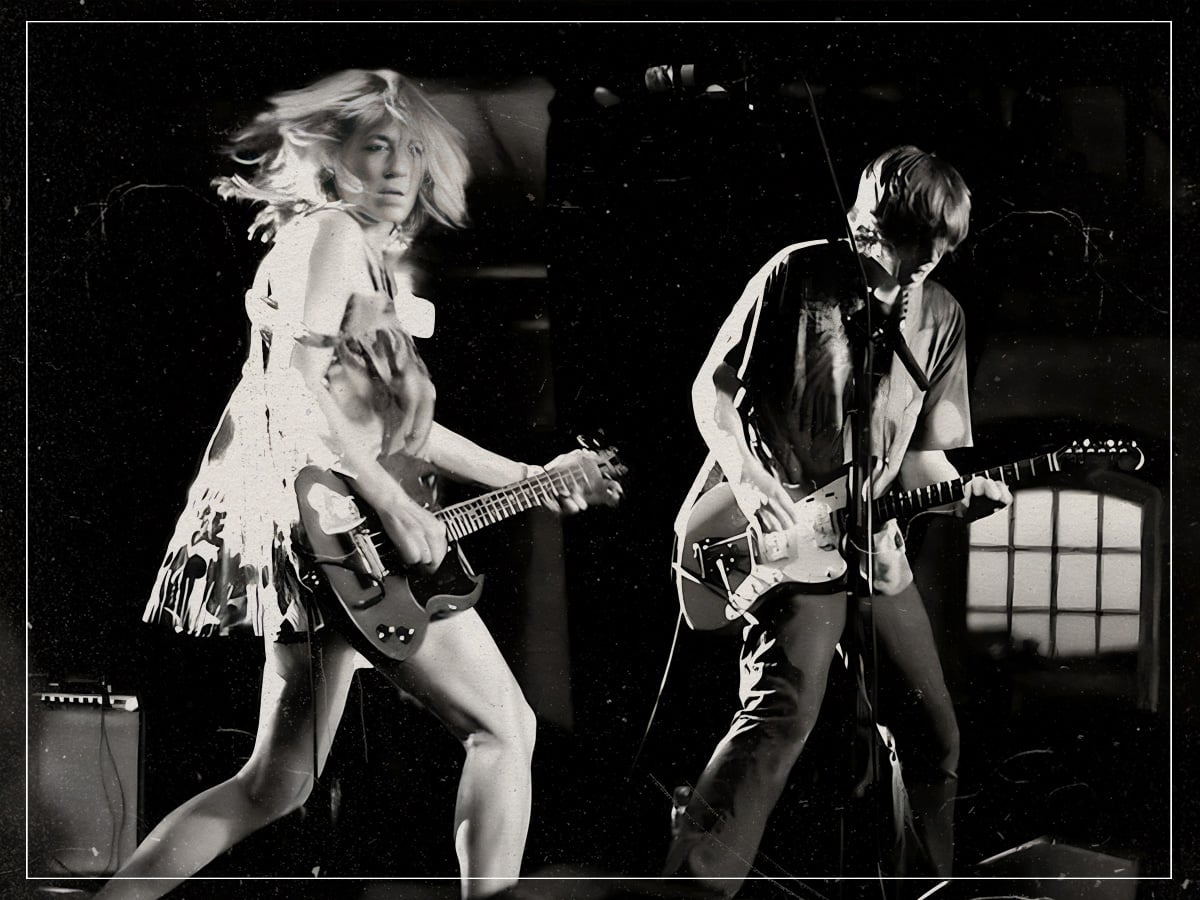
Given when the golden age of punk rock ended, Sonic Youth is the last hurrah for that era of rock and roll. They were far from the same kind of band that Ramones or The Clash, but they seemed to take every single lesson that the punks had to teach and applied it to their own strange music. While a lot of their experiments became the blueprint for what indie punk could be, a lot of those pent-up feelings weren’t going to be easily reconciled the minute Kim Gordon and Thurston Moore split up.
Beyond being one half of the group, Moore and Gordon were the face of the band for many people. They were the ones singing many of their biggest tunes, and while the vocals weren’t always the sticking point with them, seeing them split apart and keep going would have been like watching Aerosmith go on without Joe Perry. It’s still good, but there’s no way that they’re ever going to be the same.
Still, the band do have enough of a pedigree under their belt to be etched into punk rock history. None of them were all that concerned with how their music was going to last for years to come, but as long as there are disaffected kids looking to make noise with their guitars, ‘Teen Age Riot’ is always going to be blaring out of basements across the world.
Sex Pistols

A lot of Sex Pistols’ story was a lot more choreographed than most people think. While they weren’t exactly made in a lab, what Malcolm McLaren did to make sure that they became the face of all things punk made for a much more ingenious marketing move than an actual worthwhile touring act. Because if you build the foundation on anarchy and going against the status quo, no one was surprised when the whole thing began falling apart before it properly got started.
Although we did get one fantastic record out of the deal, John Lydon was already willing to insult every audience that would have them half the time. It might have been a sight to behold when they were playing squalours, but when Sid Vicious started taking his last name a little too seriously by cutting himself up, the group practically went to California to be killed off, with Lydon saying from the stage that it was their final show.
While the band did eventually reunite with Steve Jones and Lydon working together again, their decision to get a new singer and Lydon’s incendiary comments have pretty much put the nail in the coffin of them reuniting. Lydon was always trying to provoke anyone within his sight range, but when you’re in a band with the people you’re actively dragging through the mud, it doesn’t usually make for the best band chemistry.
Styx
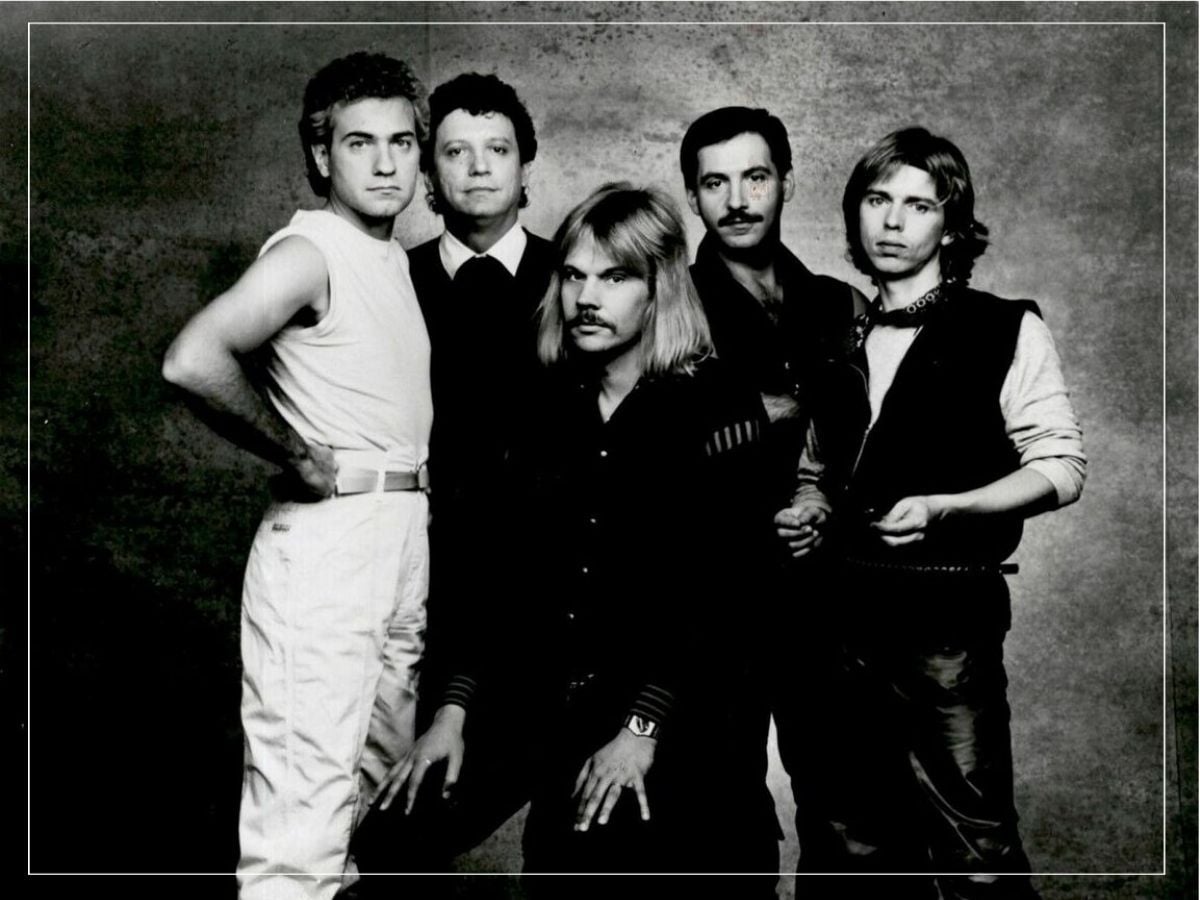
No other band in the history of rock and roll has been more polarising than Styx. Their songs are among the greatest sing-alongs that the 1970s ever spat out, and yet there’s probably a clause in every music reviewer’s contract that says that they have to forfeit their artistic license if they say that they are even a marginal fan of the group. While I am not one of those people, it seemed that the band at least saw where that was coming from when they decided to let go of Dennis DeYoung.
After all, it was his decisions that broke up the classic lineup. Tommy Shaw is a fantastic songwriter, but asking him to write tunes about robots in a dystopian society was far from his usual wheelhouse. And while they finally let the dust settle a little bit when working on their massive comeback, it didn’t take long before old habits gave way to massive health issues for DeYoung.
However, it’s easy to bypass those excuses when looking at the reason for why the band chose to get a new singer. There might have been no way for Styx to carry on in without DeYoung, but given how dictating he could be even in their greatest moments, chances are the band feel a better sense of freedom playing with they want without having to add that theatrical voice on top of everything.
The Smiths
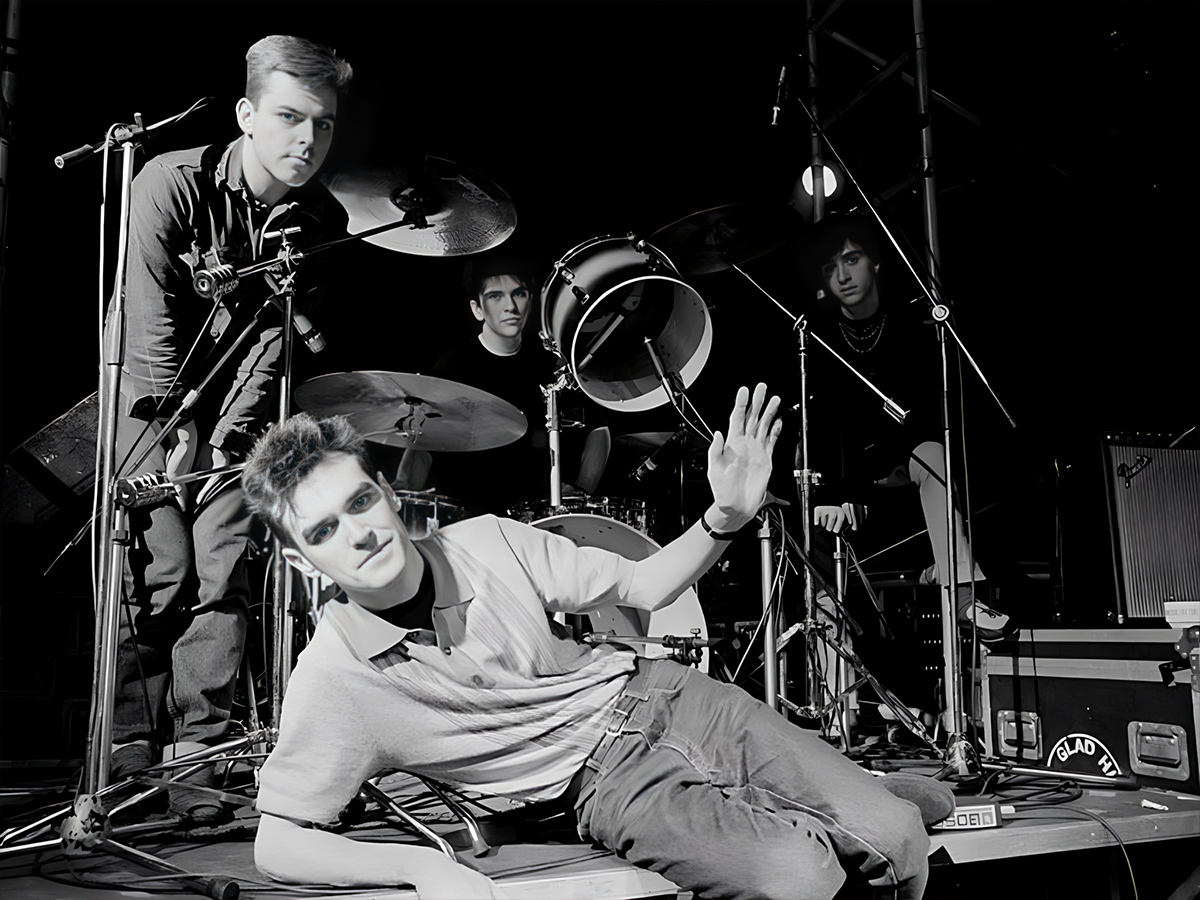
Most musicians only hope to find that fellow artist that they manage to click with. As much as people like the idea of having a bunch of friends you can hang around with after rehearsals are finished, the best creative relationships are ones where everyone knows where to go without having to say anything. Unfortunately, Morrissey also likes to talk A LOT, and the rest of The Smiths’ tenure seems to be a chapter that none of them wish to return to all that often.
For a brief time, though, the band actually seemed to be content working on whatever they did. Johnny Marr was a free agent and was becoming a friend to future legends like Oasis while ‘The Moz’ continued on his musical reign of terror, but if there was any chance of them getting back together for a few songs, it seemed to be dashed with every single word that Morrissey said, especially when he started making comments pertaining to the band’s legacy and getting more controversial by the day.
Is everything that Morrissey says controversial? Probably not, but the damage has been done and even become worse over the years. It’s a shame to see Marr playing Smiths songs live and having the crowd carry him through ‘There is A Light That Never Goes Out’, but can you really blame him for not wanting to walk into a room with someone who seems like the human personification of a disgruntled social media account?
The Eagles and Don Felder

Eagles created an entire career out of making the breeziest music look easy to make. It takes a lot of hard work to get a track like ‘Desperado’ or ‘Hotel California’ down on tape, but when they hit record in the 1970s, there was nothing stopping them with both Joe Walsh and Don Felder on guitar. But as time ticked on, Felder felt that he was being jerked around, and after one too many questions, the band knew there was no other choice but to send him packing.
Granted, it’s easy to feel bad for Felder. He never asked to be treated like a sideman by any stretch. He was as much a contributor to the songs, but since Walsh, Don Henley and Glenn Frey had been behind the melody, lyrics, and legacy of the group, it’s not like he was pulling his weight as much anyway. Also, the heat between Felder and Frey never really cooled, with Frey once saying that he called up Felder’s manager personally telling him to sign a contract or he was out of the group.
And now that Frey has passed on, there’s a good chance that those wounds will never properly heal. Felder had talked about wanting to hash things out for years and tell his side of the story to the group, but now that they have moved on with Vince Gill and Deacon Frey, the future of the band has been focused more on celebrating the music than making up with one of its founding fathers.
The Police

The Police’s breakup could not have come at a worse time for the fans. The band were on their way to becoming one of the biggest acts of the 1980s, but right when they seemed to reach their greatest heights on Synchronicity, everyone collectively felt that they weren’t ready to work on another record anymore. Fans may have felt cheated, but Stewart Copeland really put it best when talking about the group: They all make music for different reasons.
While there was a little more understanding during their first reunion, Sting and Copeland always had different theories about where the music should go at the time. Copeland was always focused on getting the best performance that he could, but since that so happened to step on an important lyric that Sting had during the song, there were far more drumsticks thrown down and casual fights that left them tired of each other by the time they finished any of their records.
And since both Andy Summers and Copeland eventually sued Sting for the songwriting credits on their albums, chances are any reunion talk was crushed. Sting always said that he never wanted to be in a rock and roll street gang for the rest of his life, but at the end of the day, each of them are like musical brothers that tend to get a bit too rowdy when one of them says the wrong thing.
Talking Heads

Talking Heads were never going to make it staying in one genre for too long. They were born out of the same CBGBs scene that birthed the greatest punk bands of all time, but was anyone looking to see David Byrne with a safety pin through his nose and seeing the most aggro punk song ever heard? No, they were sonic explorers in every sense of the word, but it didn’t help when Byrne started to have firm feelings about how much his bandmates should be able to explore.
Byrne already wrote the majority of the songs, but a lot of the tension from none of them being able to contribute anything. If you look at the Tom Tom Club, the members were clearly able to make music on their own and have massive hits with them, but since Byrne had such a firm grip on what everything should sound like, it only took them a few more albums after blowing up before the cracks appeared.
And given the fact that the band tried again by continuing without Byrne for a record with a revolving door of singers, the fact that it came together with a thud was proof of what the fans wanted. The magic of the group was Byrne’s eccentric energy with the meanest grooves anyone had ever heard, but while they can hold things together for the odd interview now and again, each of them have pretty much buried any reunion rumours whenever they come out.
Fleetwood Mac and Lindsey Buckingham

Of all the bands on this list, Fleetwood Mac has always been one of the greatest phoenixes to ever come out of rock’s ashes. They have lost enough band members to populate a small town at this point, but when they are able to stand onstage together, the sounds of ‘Rhiannon’ are enough to transport everyone back to 1974 all over again. But when you have an entire lineup that’s based around a broken-up couple, that’s not exactly good for the soul.
Stevie Nicks and Lindsey Buckingham are always going to be linked thanks to records like Rumours, but their fighting is the stuff of legend half the time. The Dance was a good reminder of what they could be, and Say You Will was a nice return to form for them, but since Buckingham was asked to leave one last time during the 2010s, it feels like any sense of the classic lineup is done now that Christine McVie is also no longer with us.
Many members have come and gone without a care in Fleetwood Mac, but if anyone’s looking to hear ‘Dreams’ or ‘Rhiannon’ today, you’re better off going to one of Nicks’s solo tours. It’s a shame, but it’s also a necessary part of life as well. No one with that much bad blood between them deserves to see each other every day of their lives, and while it might hurt the fans in a certain way, it’s better to have them be in a better emotional place.
Pink Floyd

There’s no reason to say the word ‘never’ when it comes to most rock and roll bands. The entire concept of this list might be about the tension between groups, but there’s nothing that says that someone can’t have a change of heart and start working with their old mates. Since Oasis were able to reunite, anything seems possible, but there’s one truth that everyone needs to get through their head. There was a band named Pink Floyd, and the chances of the two pillars of the group reuniting are about as plausible as someone surviving the full effect of a nuclear blast.
First of all, David Gilmour and Nick Mason have been Pink Floyd on paper for a while now, and Roger Waters’s lambasting of the band’s later work has not exactly done them any favours. Although the band were able to lay down their weapons for a few minutes when playing Live 8, they were still quick to dismiss any rumours of a reunion, especially when Gilmour and Waters started to become more diplomatic when the guitarist turned up during a performance of The Wall.
But with Waters having major political disagreements with Gilmour and his wife, Polly Sampson, and eventually making his own version of Dark Side of the Moon completely by himself, the end result is enough to make any hardened Pink Floyd tear up a bit, especially now that Richard Wright is gone. None of us were exactly expecting all of them to be on good terms long enough for a massive tour or anything, but having this much animosity towards each other at this stage is like watching your rock and roll parents argue with each other.
