


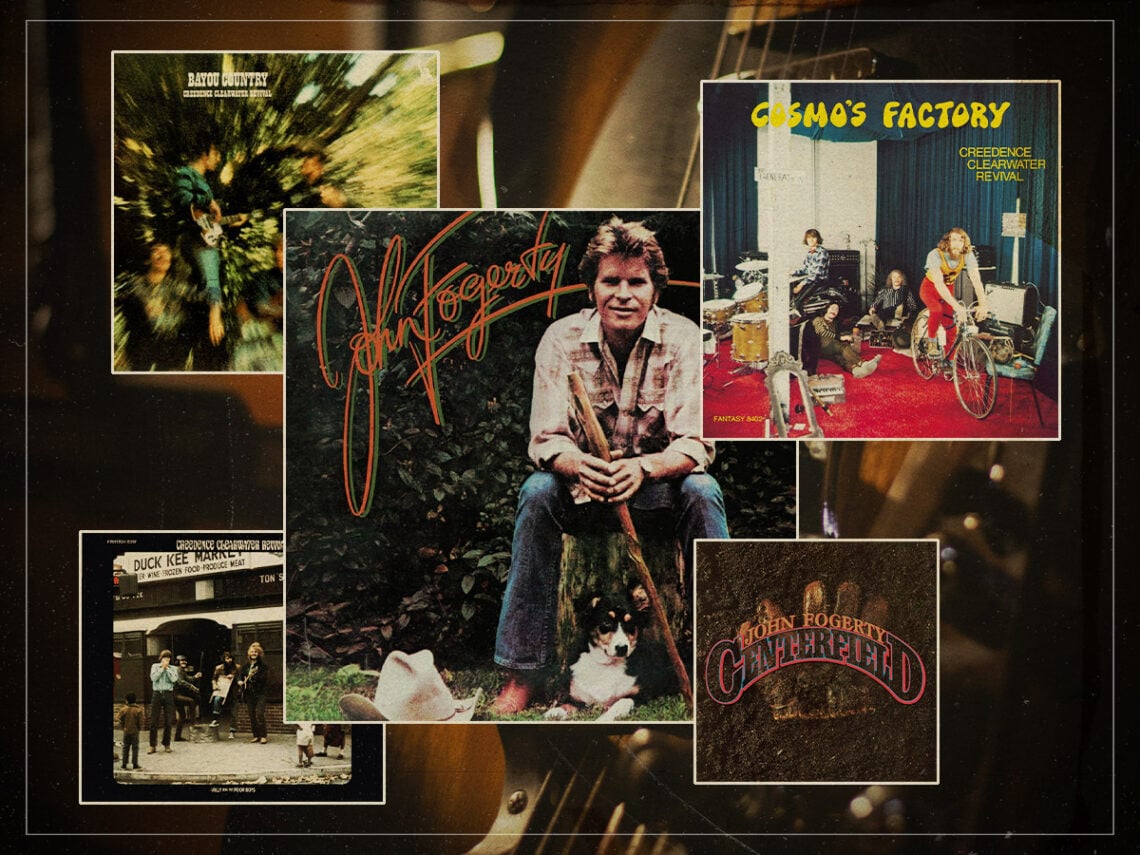
The best John Fogerty albums of all time

The greatest American songwriters usually have pieces of the country written in the lines of their face. Bob Dylan has been indicative of that revolutionary spirit that the country was built on in its earliest days, but compared to the intricate wordplay that he used, there’s no one who can compete with John Fogerty.
Although Creedence Clearwater Revival was treated with disdain by critics back in the day, their output was always more than a couple of singles. Each of their albums was a brilliant snapshot in time when everything from country to folk to hard rock all blended together into one musical stew, and even when Fogerty had to call it a day for his own sanity, he wasn’t about to stop working that songwriting muscle.
After all, all good musicians see their job as a calling rather than a job you can retire from, and even between getting sued for sounding like himself, Fogerty managed to put out the best music that any musician from his generation could get away with. Even in an era when most of the 1960s children were treated like the dinosaurs of rock and roll, the frontman managed to make music that felt as relevant as it was back in his earliest days.
But that’s because Fogerty’s tunes were never meant to have a specific timestamp on them. He always subscribed to the theory that any great song is one that doesn’t seem to have a particular time and place attached to it, and whether it’s listening to his iconic work with CCR or his solo years, Fogerty always knew it was best to put together songs that could excite people without having to cater to trends.
The best albums of John Fogerty:
John Fogerty
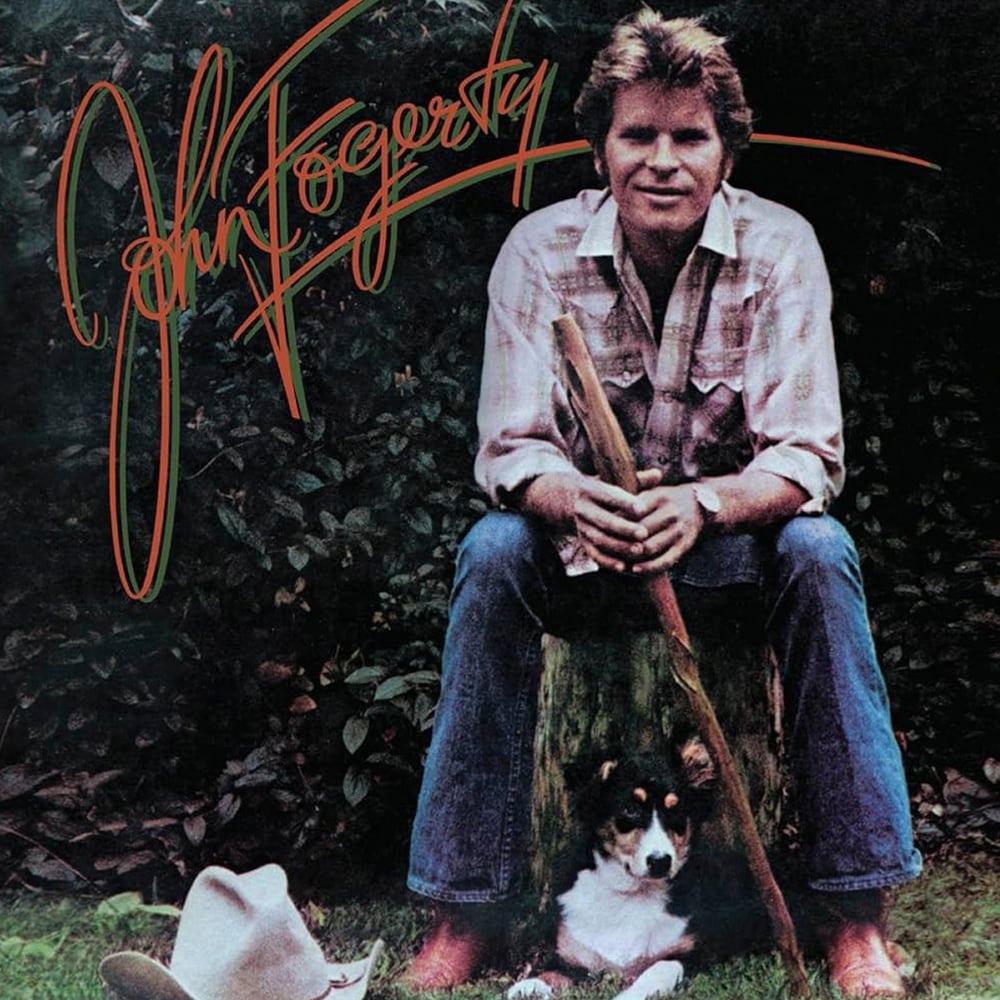
There was no real right or wrong way for Fogerty to go after CCR was history. Mardi Gras had seen them go out on less-than-glowing terms, and even if he was the creative force of the group, hearing him dip his toes into country music right out of the gate was never going to satisfy the true fans of his. He needed something familiar, and his self-titled record feels like a hard reset to the days when he was singing about riding down the river on a riverboat.
But don’t let this album be a substitute for CCR. No matter what, the band always had a chemistry to them that’s simply not here, but this is the closest thing to a DIY record that Fogerty had in his arsenal. These had been songs he could write in his sleep, and tunes like ‘Rockin’ All Over the World’ would prove to be just what he needed to get his career back into first gear all over again.
While Fogerty lovingly referred to the album as ‘Old Shep’ thanks to his dog being on the cover, that’s also the kind of homespun feeling the entire record is about. The guitar legend was starting all over again, and this was the kind of cozy record that most people didn’t need to go through any musical red tape to enjoy.
Blue Moon Swamp
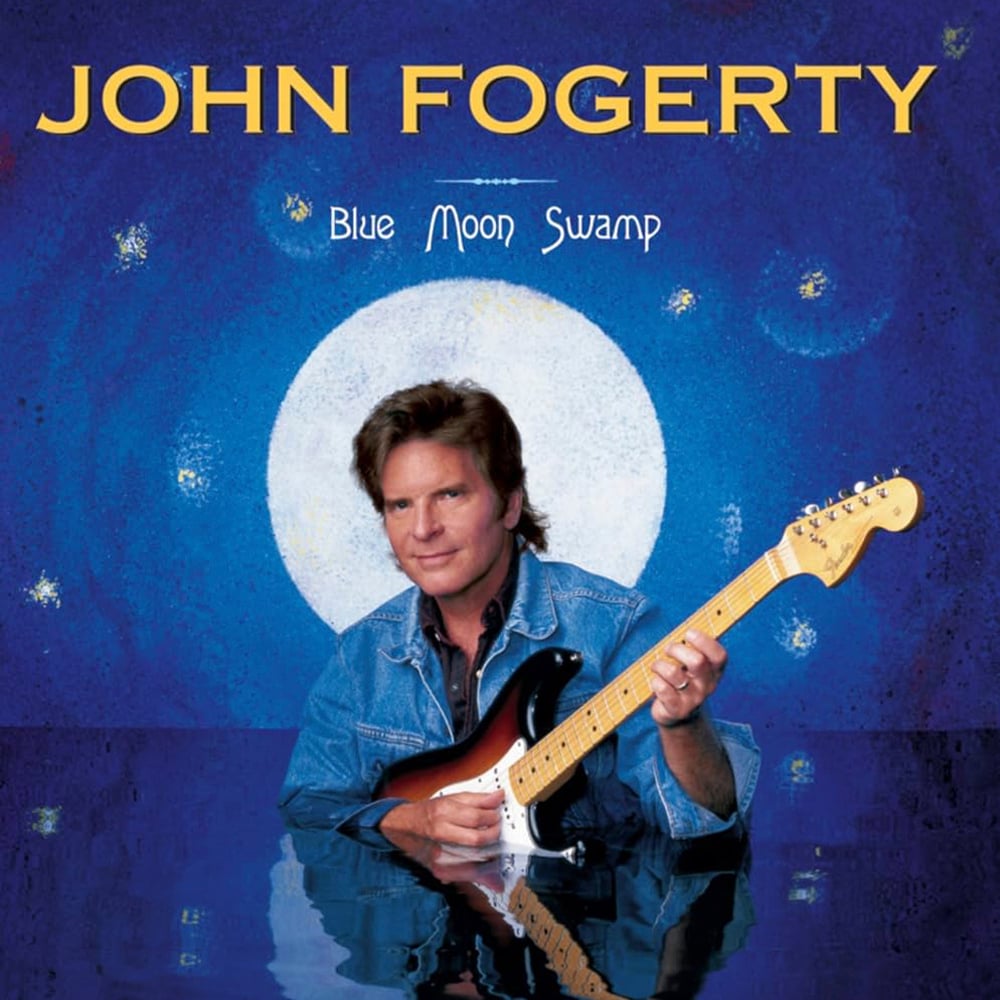
As much as Fogerty managed to get his footing back in the 1980s, no one’s second act ever lasts for that long. Sure, some of his hits during those days made him a staple of classic rock radio all over again, but there was a limited amount of time that he could make an impact before even his fellow legends like Eric Clapton and George Harrison started taking their bows out of the charts. But after a few years in the dark, Blue Moon Swamp is the kind of album that most people were waiting for him to make.
Although a lot of Fogerty’s also-ran albums can be an acquired taste, this one gave him the chance to do what he did best all over again: playing his guitar. Fogerty might not be the first guitar hero that comes to mind every single time those countless lists of the ‘greatest of all time’ come up, but this album shows him to be at one with his position as a frontman in his own outfit, especially with songs that could have come out of his golden era.
Fogerty may have spent time trying out different sounds and seeing what worked, but Blue Moon Swamp was the kind of album that reminded everyone he could still make great tunes. It was far from the level of his classics, but in an era when Crosby, Stills, and Nash were embarrassing themselves with half-hearted reunions, Fogerty was in it for all the right reasons.
Willy and the Poor Boys
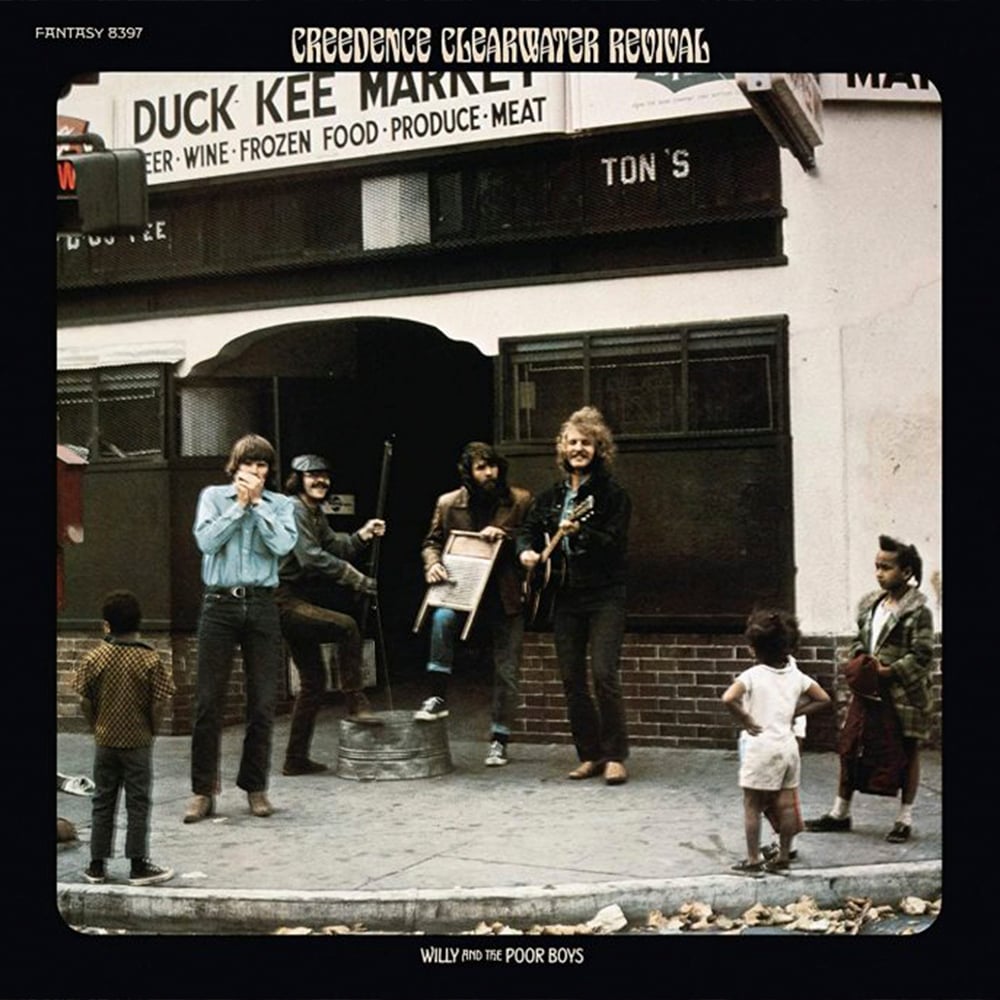
Whenever a band reaches the top of the world, the biggest hurdle that they could take on is the concept album. Because when you think about the greatest stories told over vinyl, there’s a good chance that it could warrant more than a few eyerolls from the general public half the time. But when Creedence came out with their own version of what a jug band was supposed to sound like, they somehow made a concept without sounding pretentious for a second.
While most people know the album for the hits like ‘Fortunate Son’ and ‘Down on the Corner’, hearing them get back in touch with a rootsy form of music is exactly what they needed. The fans were already bound to get a bad case of deja vu because of how material they were getting, but this was a nice way to switch up the pace, especially when pairing rockers like ‘It Came Out of the Sky’ with achingly beautiful country songs like ‘Cotton Fields’.
This probably isn’t the first album that most people should come to when listening to CCR, but once the classics are done with, this is the next best place to go. And considering what he was doing on songs like ‘Effigy’, Fogerty found bits and pieces of hard rock that most people didn’t even know were there.
Green River
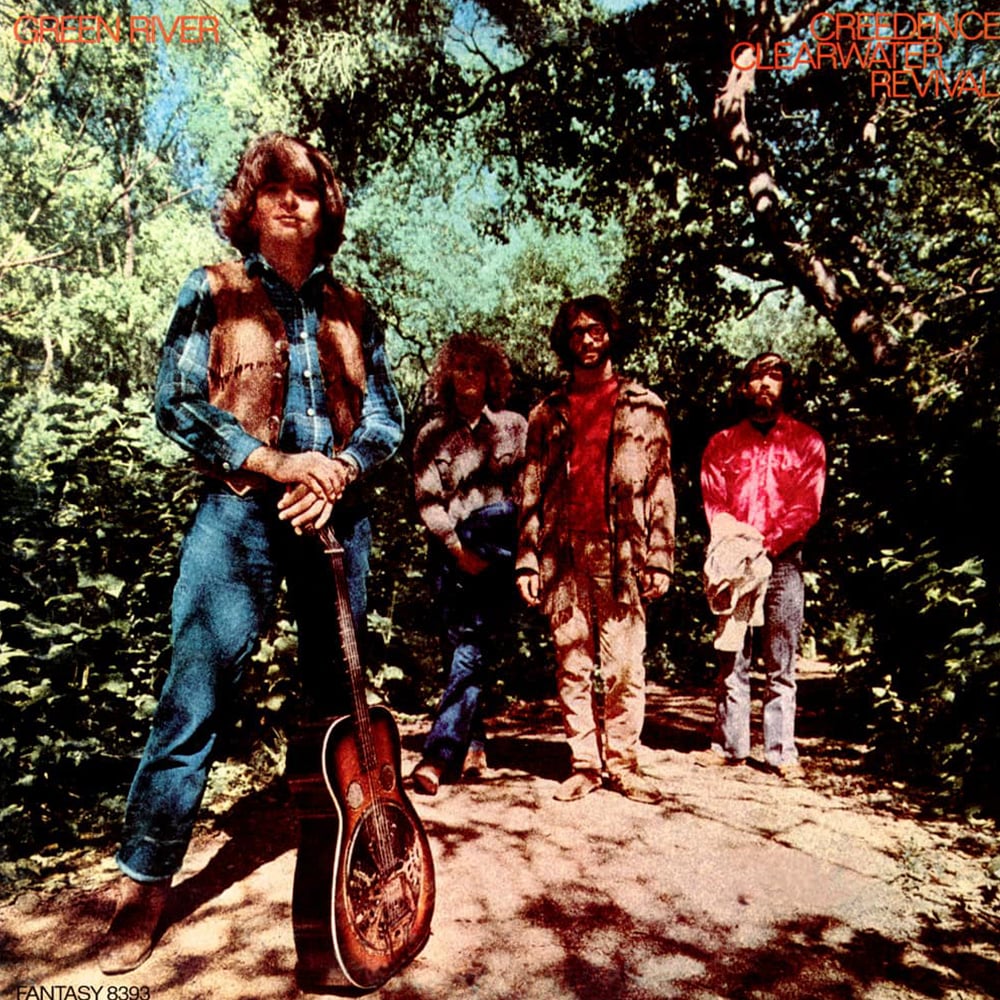
The fact that CCR squeezed out as much material as they did is frankly astounding by today’s measures. Willy and the Poor Boys may have been the icing on the cake at the end of 1969, but the fact that they made two other albums during that year and each of them managed to be great on their own is the kind of turnaround that would cause headaches today. But if the next album was a strange experiment, Green River is the perfect beginning for anyone looking to see what the band is capable of.
I mean, for one thing, this album wastes absolutely no time. Standing at less than a half hour, there’s hardly a second of fat across every one of the tracks, with Fogerty churning out the best hits that he could think of. Not everything had to have the same energy as ‘Proud Mary’, but ‘Wrote A Song For Everyone’ and ‘Lodi’ are brilliant ballads that helped solidify them as a great soft-rock band that wasn’t as prevalent on Bayou Country.
There are a lot more guttural songs on their other records, but for anyone mildly interested in the band, this one has a little something for everyone. From fun rockers to softer passages to swampy goodness, Fogerty proved that not only was he a great songwriter, but he could pump hits out in his sleep if he wanted to.
Centerfield
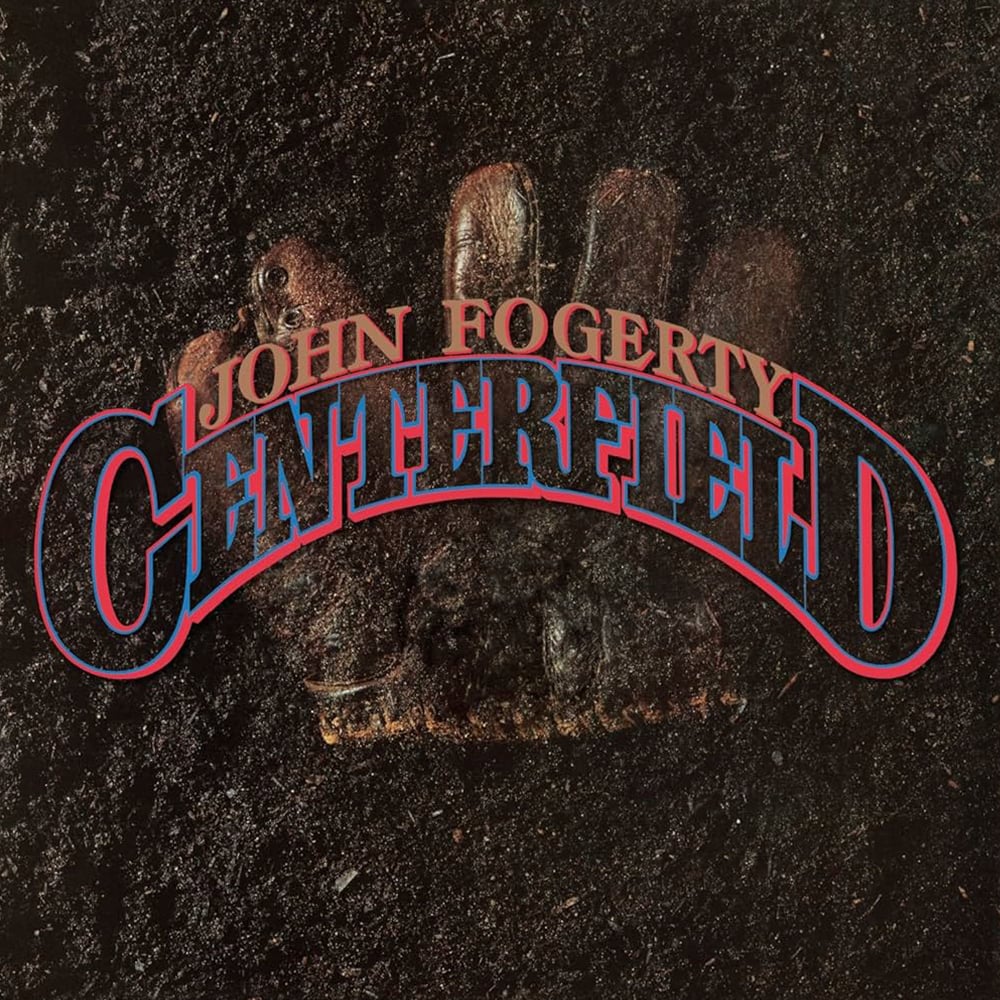
As the MTV generation began, it was about to be a glorious time for aging rock and roll stars. For an industry that’s pretty much allergic to anyone that has anything to say past the age of 40, it was insane to think that the biggest names of the 1960s from Steve Winwood to Crosby, Stills, and Nash to the Traveling Wilburys found space on MTV next to Michael Jackson and Madonna. Granted, if they were still making songs that hit as hard as Centerfield did, it’s not like too many people were complaining, either.
Although Fogerty did have a few years trying to get the album Hoodoo off the ground, this was the record that made him discover the magic all over again. The title track was something that could have been written during his earliest days, and a lot of the singles from the record fit perfectly next to the heartland rock movement going on at the time with John Mellencamp and Tom Petty.
There’s a slight asterisk next to this record for being home to one of the funniest lawsuits of all time where Fogerty’s old label tried to sue him for sounding too much like himself, but beyond the legal shenanigans, this is the best that anyone could have hoped for Fogerty to make around this time. He may have been considered a relic by some, but for everyone marginally interested in the Springsteens of the world, this was an elder statesman laying his claim as the leader of the genre.
Bayou Country

Not many bands get their best songs on the first try. As much as everyone likes the idea of being a Guns N’ Roses type of act where the first album blows everyone out of the water, Creedence were alright with a slowburn ascent to the top of the charts. It took them a while and a few different names to get it right, but after slogging it out with a bluesy debut, Bayou Country is where they discovered something all their own: swamp rock.
Making albums that were indebted to country music was nothing new at this point, but you’d have sworn that Fogerty was born in the backwoods of Louisiana in a previous life on this record. From the warmth of his lead guitar licks to the jammy moments, this was the middle ground between Grateful Dead and the country side of The Byrds, all with a little bit of bluesy grit thrown in there for good measure with the stellar solo section of the song ‘Keep On Chooglin’.
While nothing outside of ‘Proud Mary’ is exactly cut out to be a single, this is the band operating at the peak of their powers as a jam band. Other albums may have sounded poppier, but Fogerty was proud to represent the best of what swamp rock had to offer. And now that only left one more genre to tick off the musical bucket list when they finally became international superstars.
Cosmo’s Factory
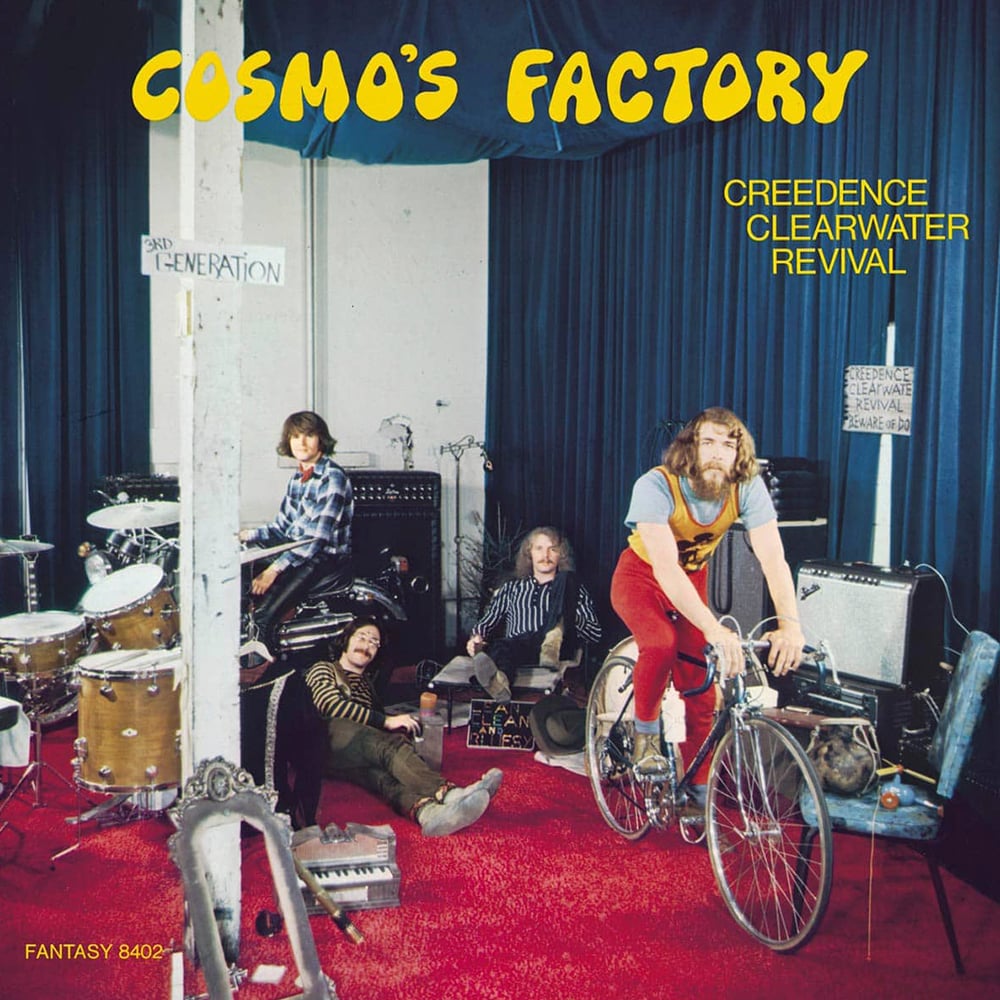
When talking about the best albums Creedence ever made, it’s hard to differentiate between them some of the time. Their track record is incredibly solid outside of their final release, and when they decided to take some new chances, there was no way that they could fail if they had Fogerty’s gravelly voice behind them. But the reason why Cosmo’s Factory holds up as their best release is because it sees Fogerty finally striking the perfect balance between their life as a jam band and a pop institution.
Compared to their last few releases, releasing an album with ‘Ramble Tamble’ kicking everything was exactly what the fans needed. Outside of being one of their most epic numbers, it serves as the perfect teaser for where they would go on the rest of the record. The pop songs are catchy as all hell like ‘Up Around the Bend’, the rockers are as aggressive as they come on ‘Travelin’ Band’, and even the extended jam on ‘I Heard It Through the Grapevine’ is a fun listen for people willing to sit through all eleven minutes.
But outside of it being a great record, this helped shut everyone up who felt that Creedence were nothing more than a singles act. Yes, they could make singles and throw them together on an album like Elvis Presley used to do, but rarely were you ever going to find a band that had this much quality material left over that they could leave them as album tracks.
