


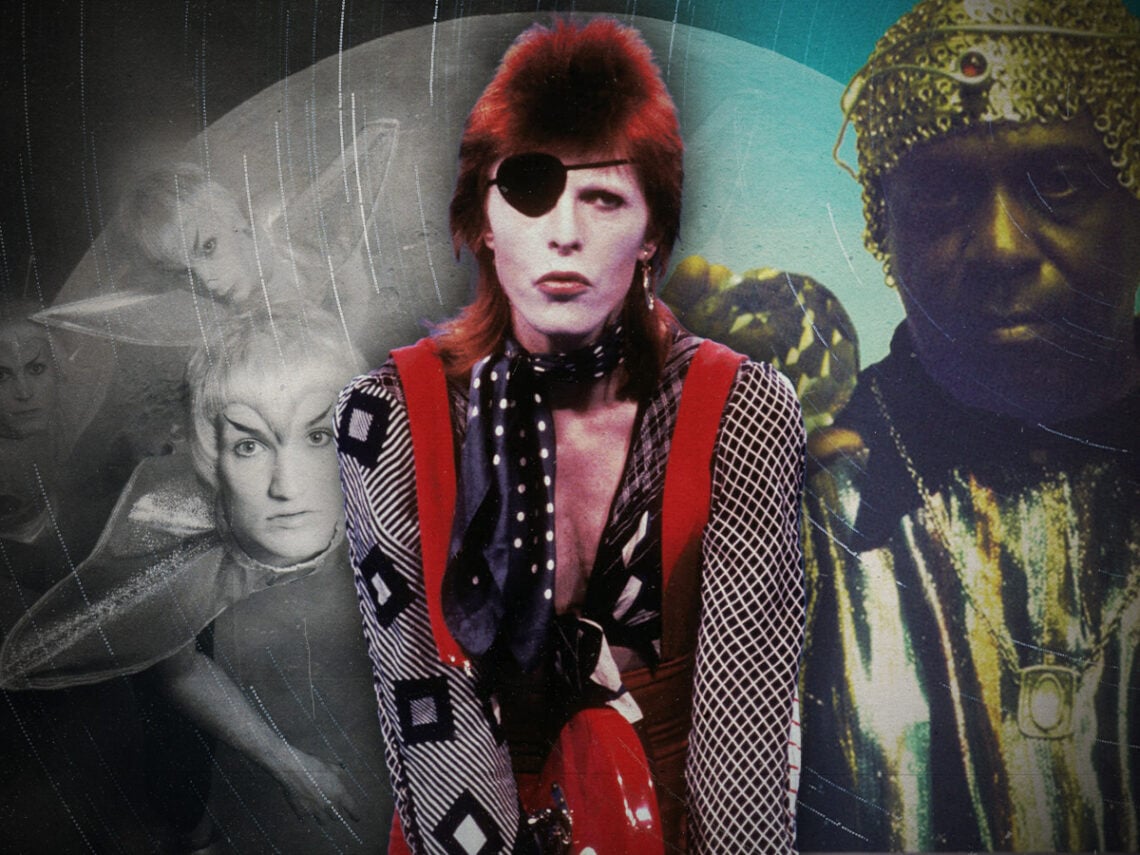
Out of this world: Five artists who were inspired by aliens

Just as man has been gazing at the stars since time immemorial, it’s no wonder that the heavens above have inspired some of rock and pop’s biggest names.
The alien is the perfect conceptual foil to embrace the unknown. An adjective and a noun, what better way to explore the human condition or observe the social constructs we’ve built than via the remote lens of an extraterrestrial, a vehicle ready-made to spot all its absurdities and contradictions with full subversive bite, as fans are too gripped by the otherworldly glow to notice.
Sometimes, the alien alter-egos blur very real Earthly identities, many an artist remaining coy about their biography and letting the sci-fi character they’ve dreamed up define them in earnest. Outer space and different planets tap into a primal spot of the collective imagination, the final frontier, an abyssal terrain of the unknown that can beckon with conquest for the ambitious, or symbolise spiritual escape for the unhappy down on the Blue Planet.
The rock underground and pop mainstream have been visited by such far-flung beings since rock and roll’s meteoric impact on the charts, with artists across punk to jazz all imbuing their work with an extra sci-fi twist to stand out from the rest. Check out our list of alien stars who were directly inspired by close encounters of the third kind.
Five artists who were inspired by aliens:
Von LMO
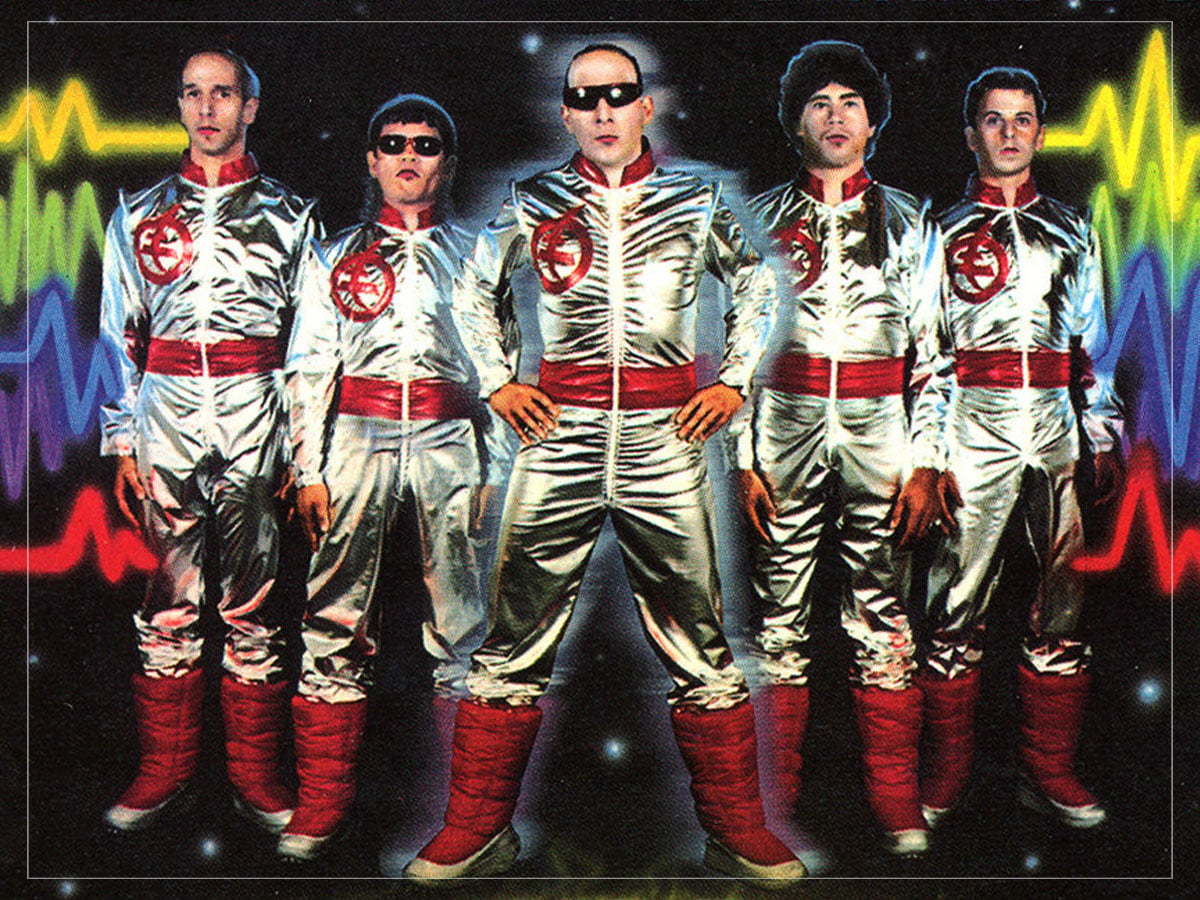
One of the most memorable lost bands of Max’s Kansas City heyday, and reportedly one of the club’s final shows in 1981, Von LMO wielded Hawkind-style garage attack with galactic sax and no-wave belligerence for a wholly different, spaceman-suited punk band to the New York underground. Claiming to hail from the planet Strazar, Brooklynite Frankie Cavallo was committed to the alien bit, standing in full sci-fi clobber for their Future Language debut.
His footnote in post-punk history is mired with domestic abuse and later convictions for second-degree robbery, but Von LMO leaves an intrepid musical legacy amid his darker complications; Future Language’s alien attack is one of the weirdest and most rewarding space rock LPs that has grown in stature over the years.
Sun Ra
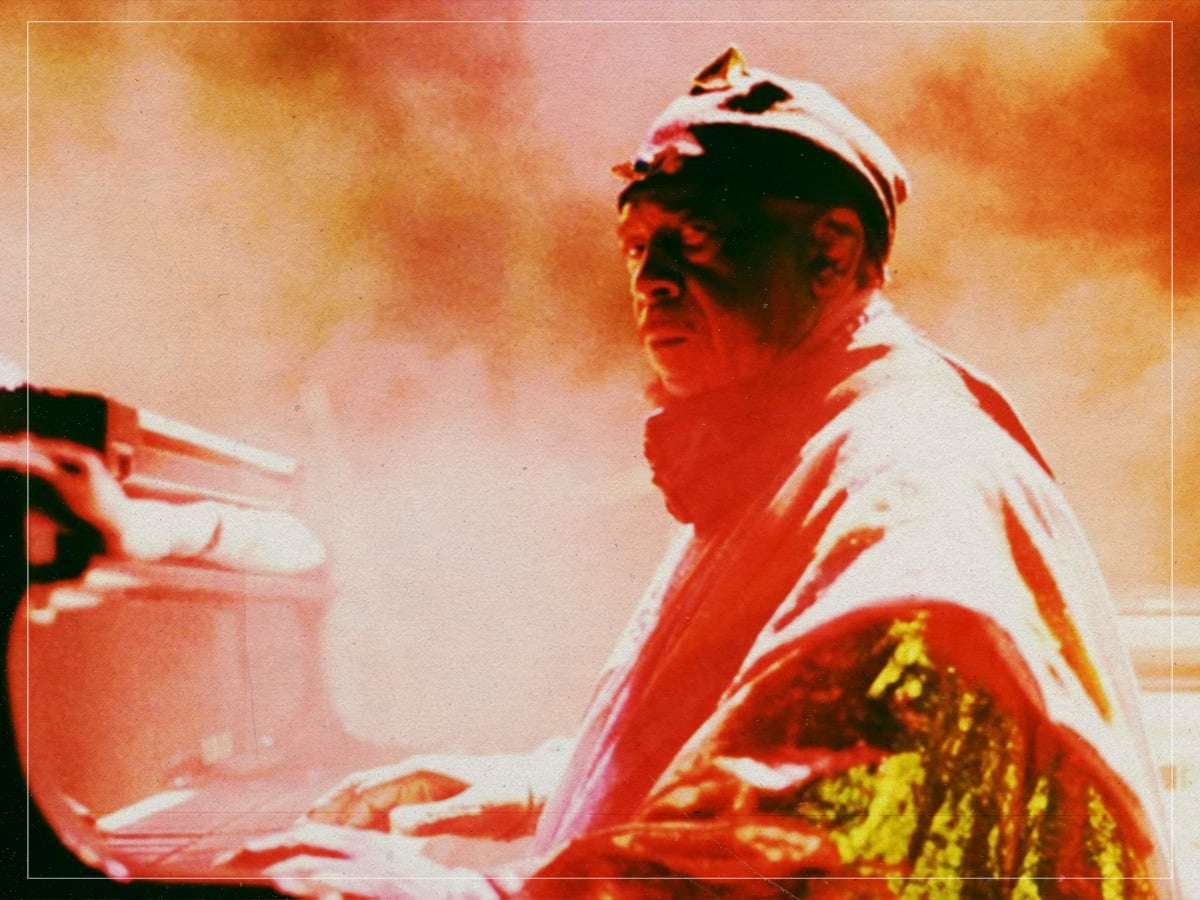
He was born Herman Poole Blount, but an alleged transportation to Saturn in the 1930s yielded a name change 20 years later to Le Sony’r Ra. It was a symbolic rejection of his ‘slave name’ sweeping across much of the African-American consciousness, sweeping across the country, but the Chicago jazz pioneer elevated his Black rebirth with an extra dimension of alien theatre. As early as the 1950s, Sun Ra would don Egyptian attire and invite futurist dancers on stage to build his sci-fi jazz spectacle.
Leading the Arkestra ensemble, Sun Ra would release a dizzying amount of records up until his death in 1993, all titled with suitable galactic names like Art Forms of Dimensions Tomorrow, Visits Planet Earth, and The Nubians of Plutonia. Later to adopt electronic synthesisers for further alien tonalities, Sun Ra’s impact on the jazz world and the avant-garde would all brew the essential alchemy for the upcoming Afrofuturists to follow across the next decades.
George Clinton
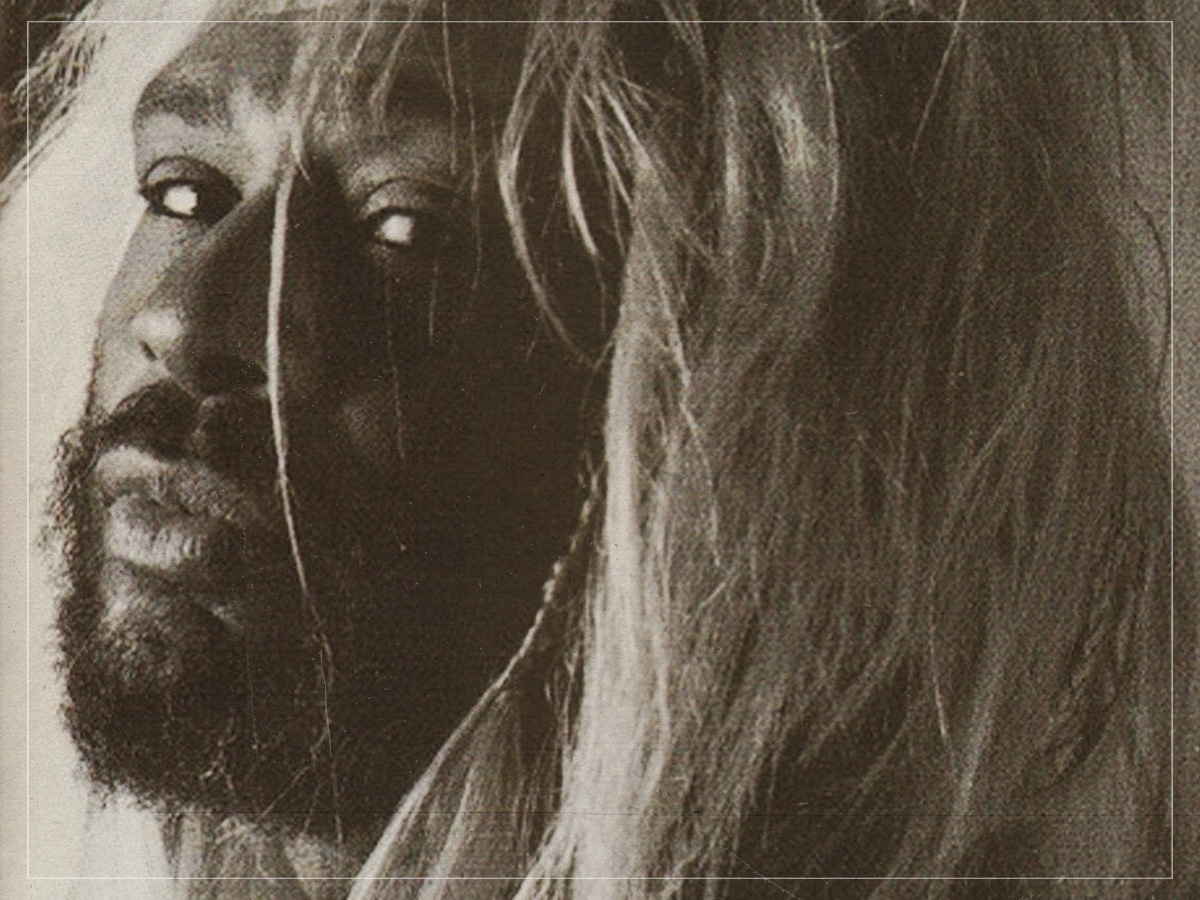
Not since Frank Zappa had an artist dreamed up such a potent universe. Across their voluminous LPs, touring extravaganzas and the teeming artwork across releases, the Parliament-Funkadelic cosmology dwelled in a lysergic realm of Afrofuturist glam, where funk and R&B were the lifeforce of the Black aliens corralled under the psychonaut captaincy of the P-Funk leader, George Clinton.
It was a role he was born to play. Fuelled by plenty of LSD, Clinton weaved an entire mythos of characters and narrative arcs during their 1970s heyday, racing at warp speed around giant motherships, Dr Funkenstein wardrobe changes, and Bop Gun battles against the ‘Man’, P-Funk didn’t just immerse themselves in sci-fi escape, but flexed a chromatic mirror to the urban milieu that shaped them. The P-Funk struggles held as much platformed footing down in the States’ political turmoil as the outer galaxy, Clinton, surrealist mythmaking always keeping an eye on the Earthly ground in the best Afrofuturist tradition.
Zolar X
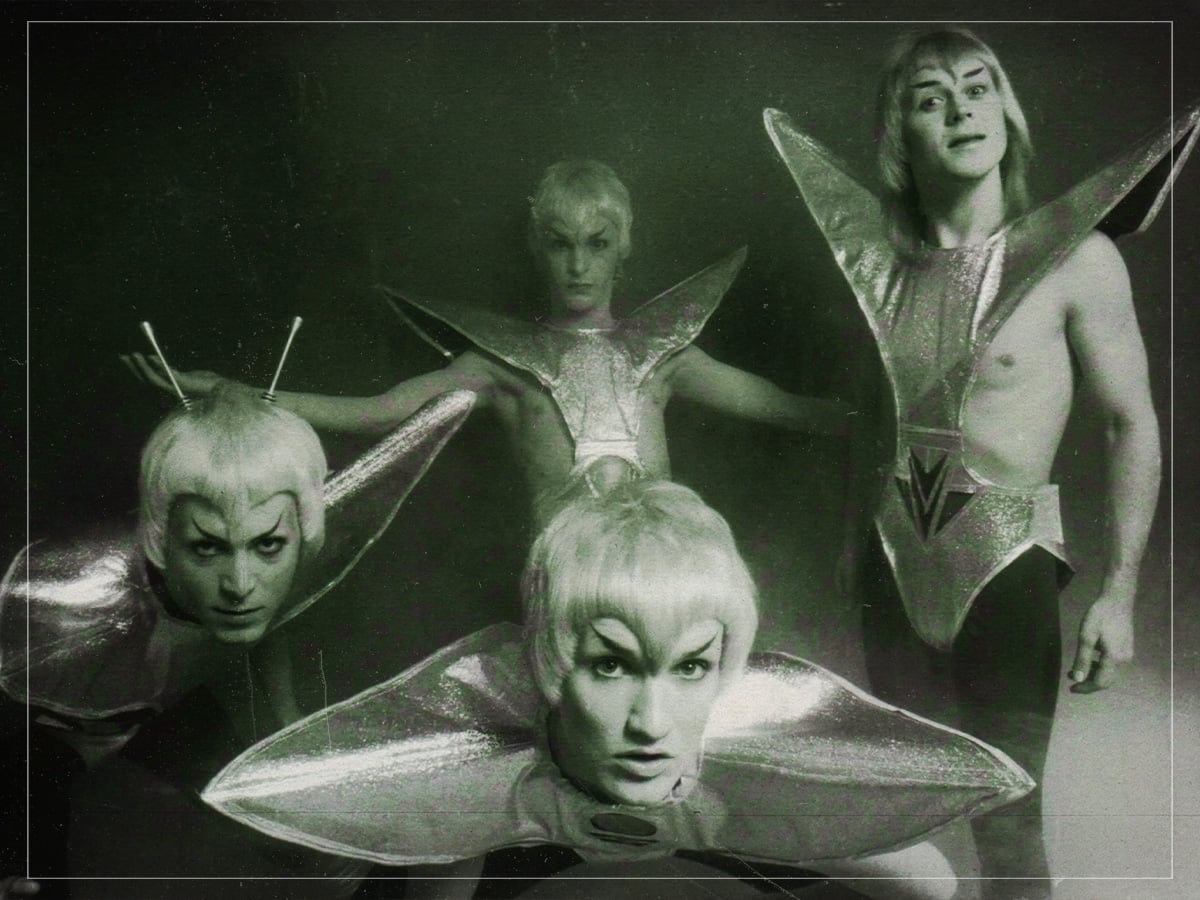
As glam was casting its glitter pop across the UK charts, two kids from the US West Coast adopted the aliases Ygarr Ygarrist and Zory Zenith, donned silver space suits and cut their hair into pointed, single bangs for extra visual arrest. Like a cross between T Rex and Star Trek, Zolar X would fuse prog expanse and cosmic proto-punk in a glitzy soundtrack that zapped hippies dead from their glam rayguns.
Full of fantastic songs like ‘Space Age Love’ and ‘Timeless’, regional stardom would forever tease Zolar X with national conquest, but bad luck and infighting forever kept Ygarrist and Zenith from winning the alien glam heights they deserved. In 1982, the world finally saw a limited release of the Timeless quasi-album, before Jello Biafra’s Alternative Tentacles resurrected Zolar X in the mid-2000s and kick-started the space group’s return to the studio from then on.
David Bowie
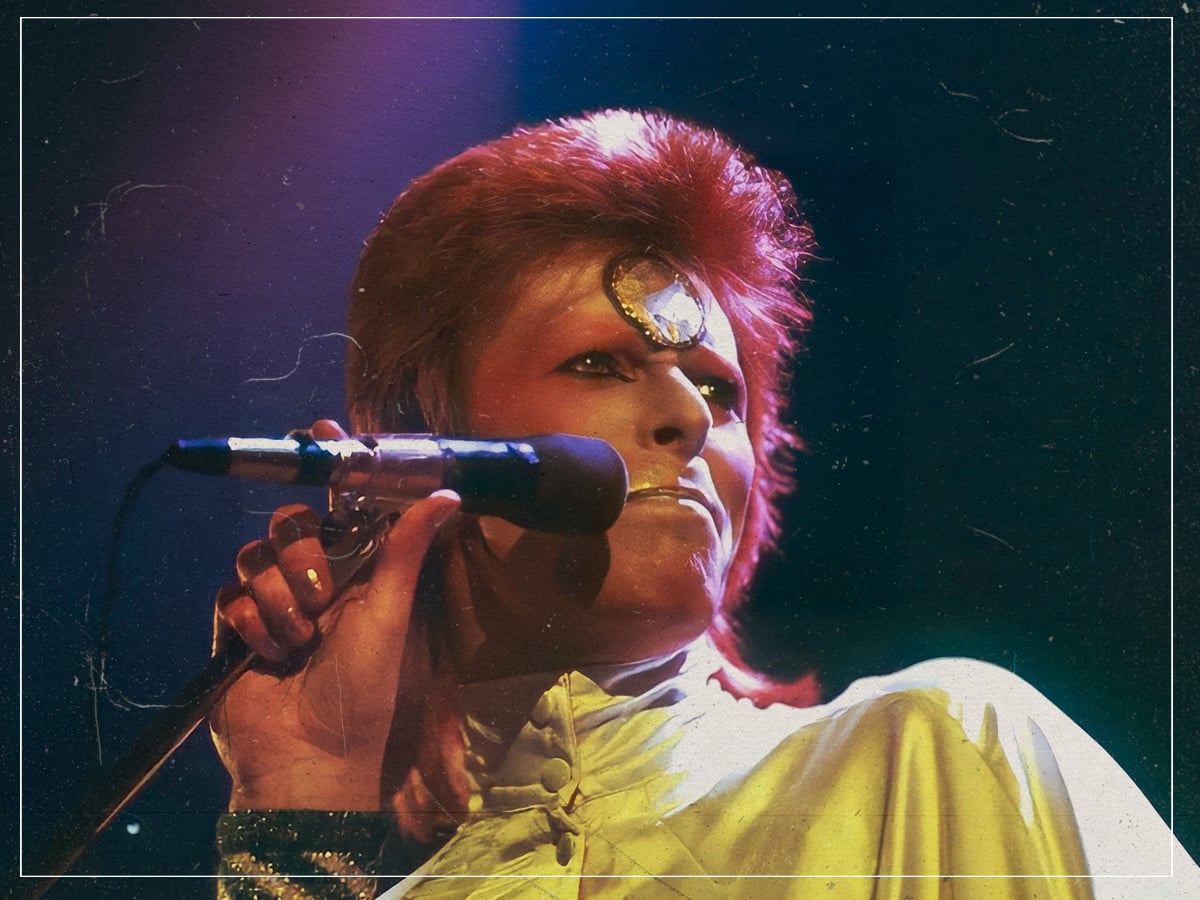
Like many of his glitter peers, David Bowie had jumped between many guises and stylistic fancies before affixing his iconic red mullet. The timing was perfect. The kids were deathly bored with double-denim rockists still stuck to Woodstock, and prayers were answered by the cast of flamboyant characters seizing Top of the Pops every Thursday and offering a pop sugar rush that hit like music crack to a generation of 1970s teenyboppers.
Bowie swiftly came to symbolise the whole era, however. Taking the glam peacocking to an extra realm of exotic sophistication, the tale of a Martian messiah sent to Earth demanded a suitably alien alter ego for Bowie to pour all his sexual ambiguity, playful androgyny, and rock star lampoon onto the pop charts during its glitter peak. Ziggy Stardust stole the show. A strutting, kabuki extraterrestrial radiating seductive beckon and escapist charge, Bowie genuinely looked beamed from outer space when the public was first exposed to his cosmic theatre.
Entering glam immortality as the movement’s premier poster boy and conjuring the era’s defining The Rise and Fall of Ziggy Stardust and the Spiders from Mars, Bowie heralded the 21st century three decades early, the moment ‘Starman’ sent out its pop salvation from another planet.
