


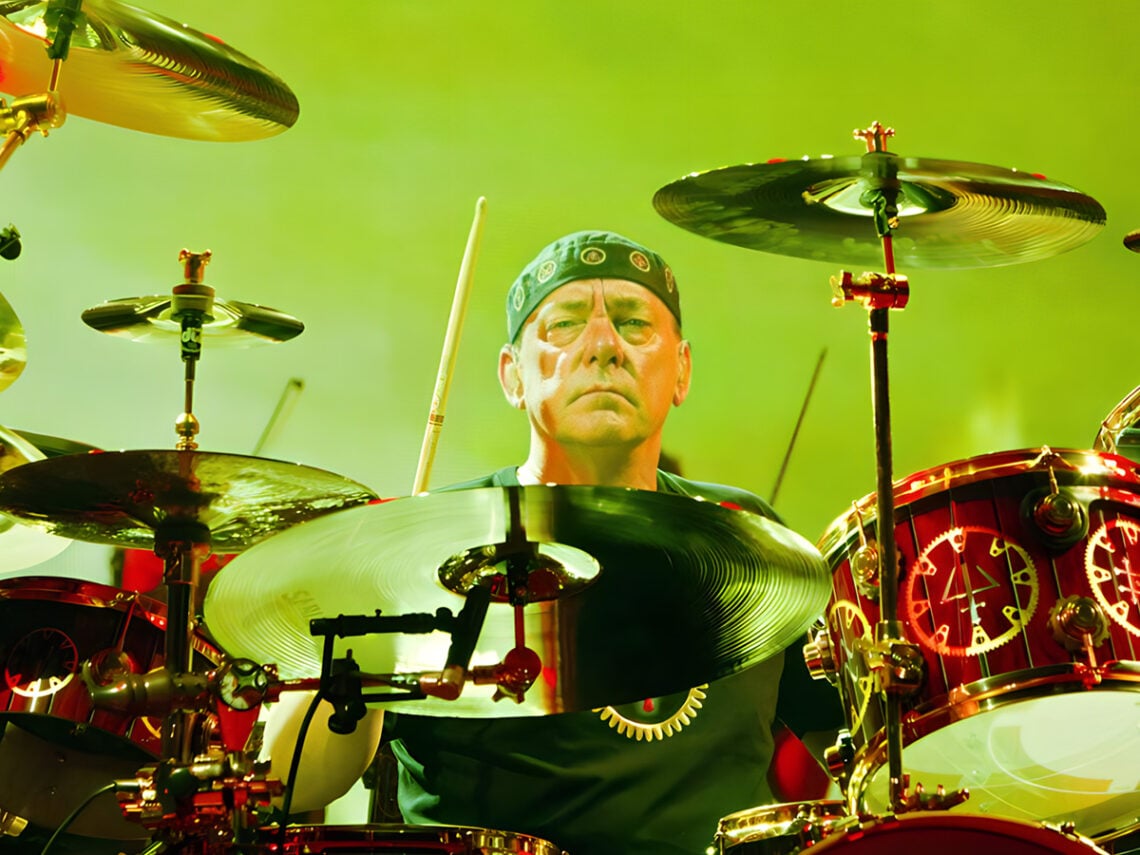
The jazz drummer Neil Peart immediately fell in love with: “I love his playing”

Any drummer needed to do some serious homework if they were going to catch the eye of Neil Peart.
Rush was already one of the biggest names in prog before the 1970s were even over, but anyone with a cursory knowledge of what good drumming was supposed to be knew that Peart was already on another level with the way that he crafted every single one of his fills. It was about finding the right part for the perfect song every single time Rush made a record, but Peart had no problem finding merit in drummers that weren’t exactly his style.
I mean, take one of his greatest influences: The Who. Keith Moon was one of the finest drummers that the rock world had ever seen and seemed almost unhinged every single time he made a new album, but when you look through Peart’s own library of drumming licks, he was never going to try to play like him. He needed more structure, and that came from listening to a lot of the great jazz drummers that came before him.
People like Gene Krupa and Buddy Rich were gods to him back in the day, and you can hear a lot of jazz influence in the kinds of drummers that started the heavier side of rock and roll. Charlie Watts and Ginger Baker would have been happy to say that jazz was the reason why they got behind the kit in the first place, but there was a lot more going on when you went outside of the conventional side of percussion.
The biggest names in jazz when Peart was making Rush’s masterpieces had already started coming from the world of fusion, and that didn’t mean sticking to the rigid form of what jazz was supposed to be. Sometimes musicians could go off on long tangents that sounded like absolute mayhem if you weren’t ready for it, but a band like Weather Report always got Peart’s approval thanks to Omar Hakim anchoring everything.
Hakim was certainly willing to show off his chops, but when you’re playing with a musician like Wayne Shorter, it’s important not to step over the other side of the rhythm section. Shorter could be all over the place when he wanted to be, but a lot of the best moments on albums like Procession are when Hakim is listening to the rest of the band and putting just the right fill in so as not to trample over someone else’s part.
And being part of a trio, Peart felt that Hakim’s style was exactly what he was looking for in a drummer, saying, “Omar and I first met at the Buddy Rich scholarship concert in ’91. He is one of those people who I felt an immediate affinity for. I love his playing—the fluidity of it. It’s smooth and yet it has a snappy excitement to it, and he plays with such a good feel.” Which probably explains why someone like Sting had such an affinity for Hakim as well.


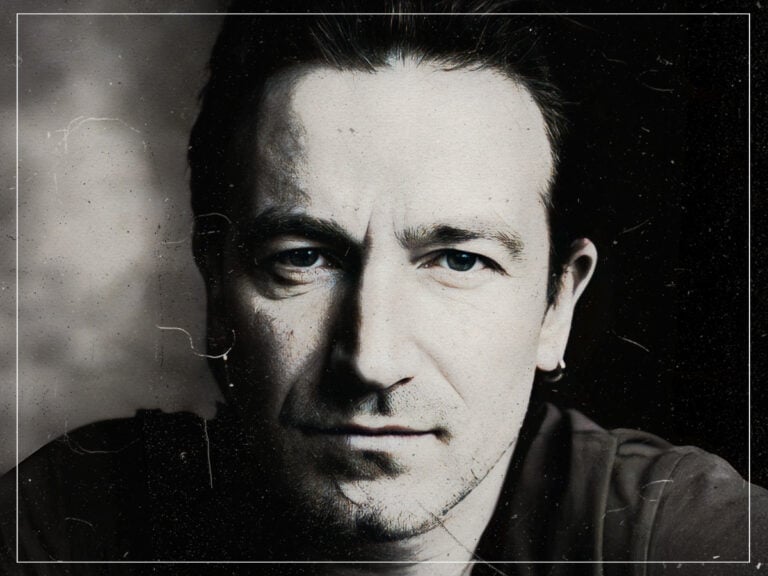
Peart was already a fan of what Stewart Copeland did behind the kit with The Police, but Hakim was showing what a more nuanced groove was supposed to be like when working on Sting’s more mellow material. And when you look at how Peart eventually grew when working with Freddie Gruber, he was also trying to figure out ways to make his drumming feel a lot more fluid than what everyone else was doing.
So while John Bonham and Moon definitely belong in the conversation of Peart’s all-time favourites, they don’t always tell the full story of what he was about. He loved the idea of making songs that could impress people with his technique, but the most important part of being a good bandmate is being able to have a conversation with your fellow musicians by only using your instrument.
