



The 1981 Queen song that David Bowie took control of: “A tense moment”

Collaborations feel like an easy win on the surface. Bundle together two chart icons, have them trade vocals on a sure-fire hit with a catchy chorus and bang, you’ve got yourself a number one.
In 1981, there weren’t many names as big as David Bowie and Queen, and so the rumours of their upcoming collaboration put the musical world on edge.
But it wasn’t as free and easy as the success of the song might imply. Because while Freddie Mercury may have been the de facto pick for Queen’s fearless leader, the truth was, he was battling with strong-willed creatives in Brian May and John Deacon. But to keep things neat and tidy between the band, an unspoken rule was put into place: the writer of the song in question takes charge in the studio.
It was a process that worked absolutely fine…that was until David Bowie entered the fray. By ‘81, he was perhaps the most famous and sought-after musician in the world, and so naturally brought a new gravitational pull into the studio, one that ripped up the already established rule.
But when the now five-piece were working on an idea for a collaborative song, it wasn’t Bowie who initially brought the goods; it was bassist John Deacon. It was the motif of the entire song and pulled everything together, providing a steady platform for Freddie Mercury and David Bowie to trade vocals on.
But despite it being the only solid foundation of an otherwise frustrating writing experience, Bowie still deemed it necessary to stick his beak in and direct Deacon into a sonic realm which he deemed more fit. “I remember David Bowie reaching over to John and saying, ‘No, don’t do it like that,’ and John going, ‘Excuse me? I’m the bass player, right? This is how I do it,’” May recalled in an interview.
“This was a funny moment because I can just see DB going over and putting his hand on John’s fretting hand and stopping him,” May explained further over in a different interview. “It was also a tense moment because it could have gone either way. Deacy did not take kindly to being told what to do, especially by physical interferences while he was playing! But he was good-natured, and it all went ahead.”

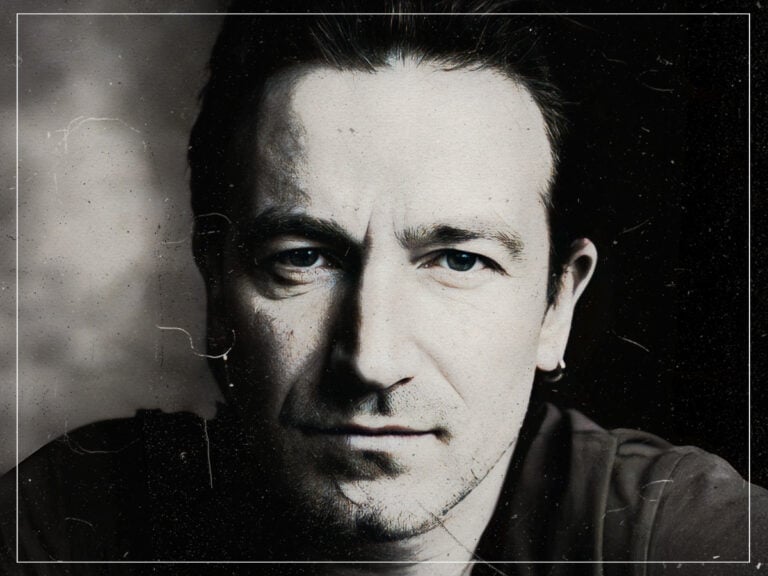

Bowie’s influence didn’t end there, however. Not only did he inspire the name change from ‘People on the Streets’ to ‘Under Pressure’, but he also demanded that he be present at the mixing of the record, where he then locked horns with producer Reinhold Mack. He had his fingerprints over every ounce of the song, to a point where it bordered on a solo song featuring Queen, rather than a collaboration.
The proverbial pressure eventually made diamonds, as Bowie and Queen conjured up a chart-topping hit at the very end of it. Deacon’s bassline still took centre stage, but shared it with May’s signature falsetto guitar and Bowie and Mercury’s rising vocals, which, rather ironically, called for a sense of companionship in a world trying to discourage it.
