


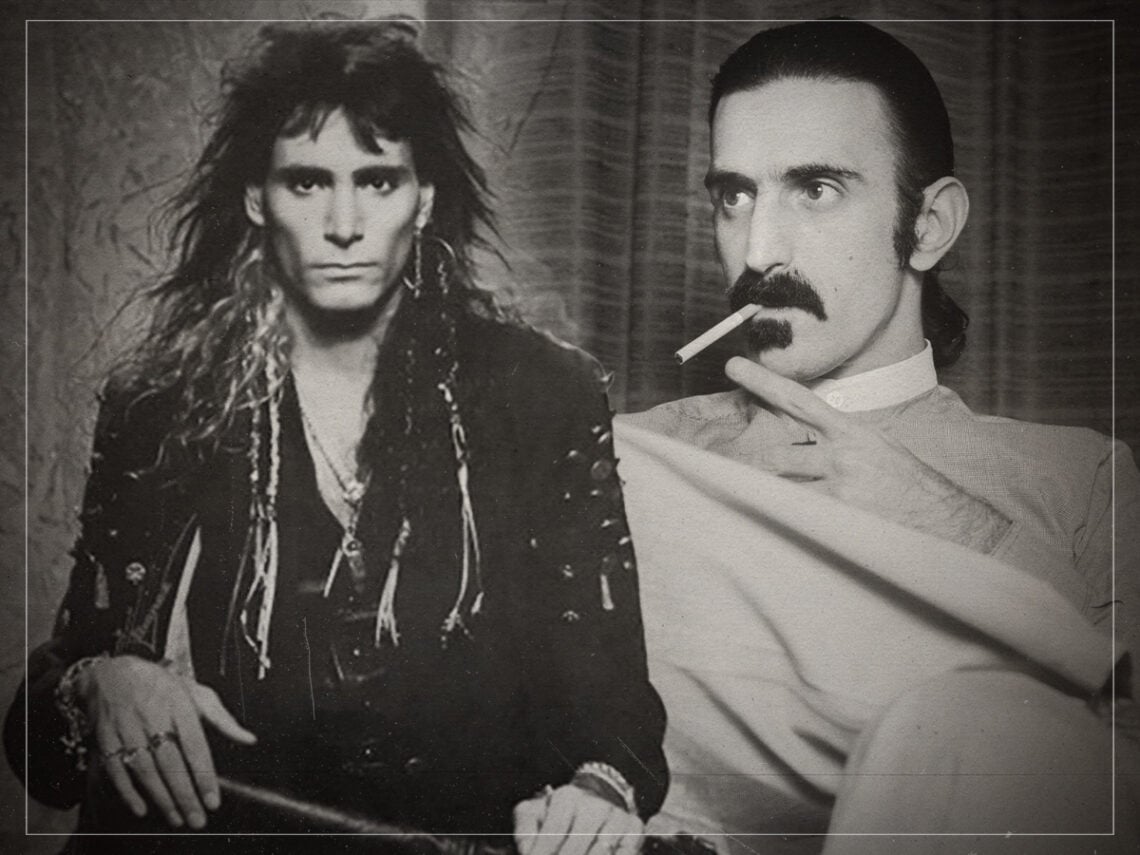
The song that got Steve Vai into Frank Zappa’s band: “A superior musical intelligence”

Frank Zappa must have received Steve Vai’s guitar virtuosity as a divine intervention from the music gods above.
He was almost too perfect. Zappa’s taste for compositional complexity and knotty arrangements demanded a backing band that could keep up with his creative ambitions, as well as perform the pieces with note-by-note perfection. No showboating or individual flair was permitted in the highly vetted and sky-high standards of Zappa’s live band; any musician eager to deviate from the work as Zappa directed was met with the dreaded response, “Window or aisle, how would you like to return home?”
It’s no wonder Zappa welcomed Vai into his creative fold with open arms. Here was a guitarist who similarly dwelt in a realm of frenzied shred, satisfied in its technical prowess at the expense of emotional invite or depth, and often stumbles into an overloading mass of technique that fatigues rock fans who aren’t as enamoured by proficiency in and of itself. With Zappa facing similar bones of contention, the two could help realise Zappa’s endless quest to realise his increasingly strenuous boundary-pushing, delighting the Zappa faithful and leaving his detractors deathly cold.
Vai was a student of Boston’s prestigious Berklee College of Music, and cut his teeth transcribing difficult guitar parts, starting with Led Zeppelin, then eventually working his way to some of Zappa’s most impossible pieces, sending the former Mothers of Invention captain an annotated transcription of the hefty ‘The Black Page’ that stood as Zappa’s most complex piece yet.
Appearing on 1978’s Zappa in New York live album, ‘The Black Page’ stands as either another masterful testament to Zappa’s radical genius to the fans or just another mash of jumbling percussion that clangs and clonks with hectic tedium to his committed haters. Still, experts will celebrate its dense syncopation and novel use of tuplets, a group of notes dividing the beat into a different number of divisions beyond the time signature’s usual scope, and even boasting nested tuplets inside each other, Matryoshka style, for further chin-stroking irregularity.
Whatever its merits, Vai’s impeccable guitar transcription of ‘The Black Page’ impressed the fastidious freak rocker. “I could tell that he had a superior musical intelligence and very great guitar chops,” Zappa revealed with high praise to Guitar Player in 1983.
“And this showed me that there was a possibility to write things that were even harder for that instrument than what had already been used in the band. That’s why he got the job.”
Frank Zappa
Here was a technical wonderkid who could translate his visions with virtuosic surge, but also adhere to his strict outline with all the same obedient dependability as the Synclavier synthesiser that digitally powered Zappa’s Jazz From Hell later on in 1986. Putting the young student on a salary to act as an official transcriber for pieces across Joe’s Garage and Shut Up ‘n Player Yer Guitar, Vai would move to California and audition to join Zappa’s live band in late 1980 at just 20 years old.
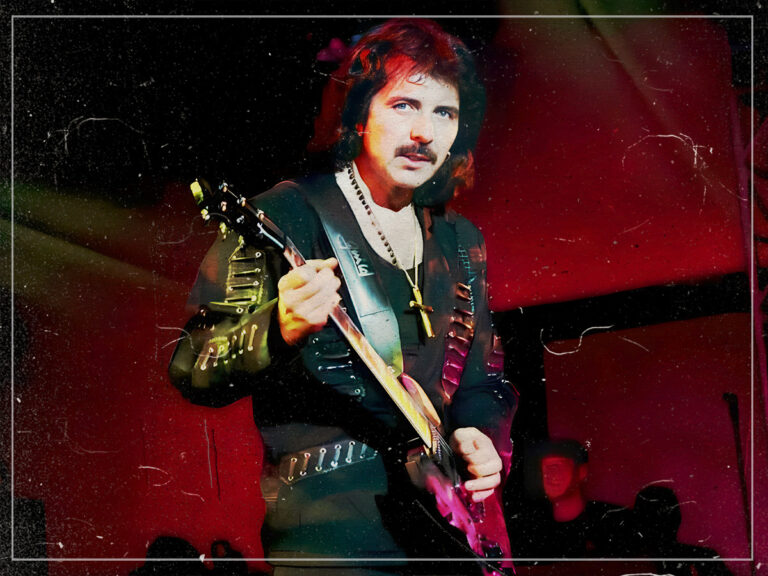
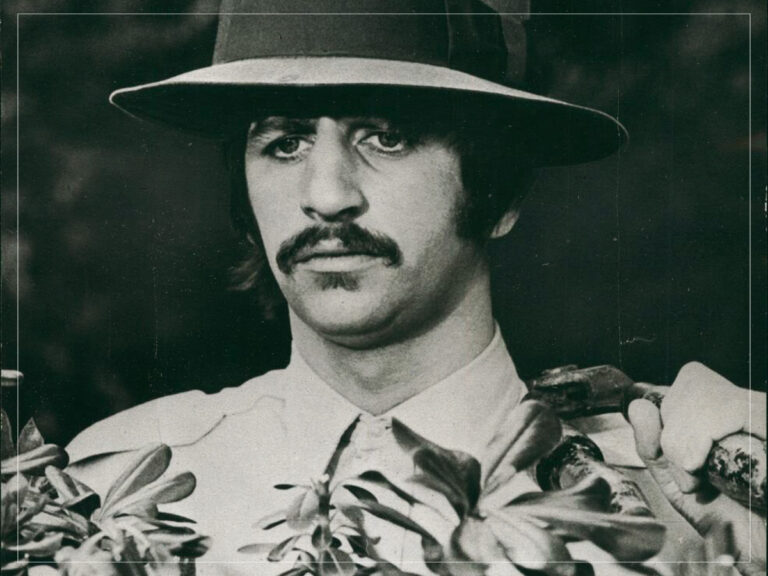
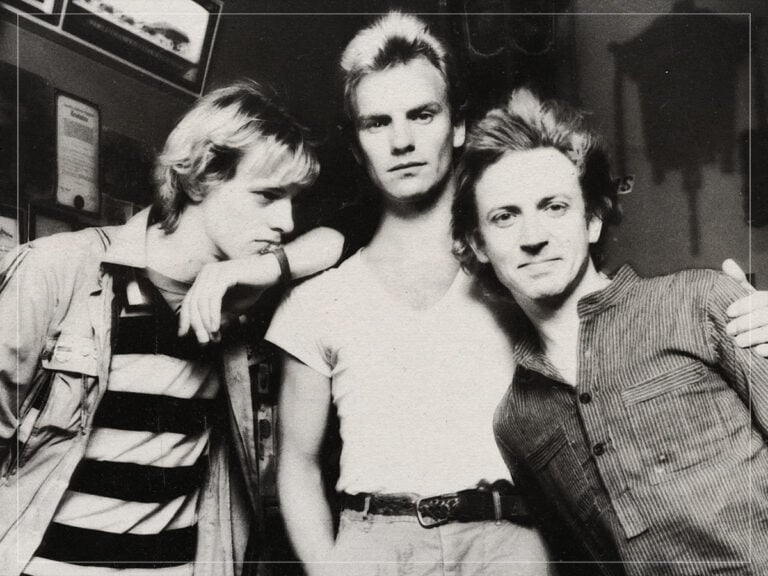
Zappa was clearly fond of Vai, regularly introducing the premier shredder as his “little Italian virtuoso” to the crowd during his touring tenure until 1983, and credited with the glowing “impossible guitar parts” on Ship Arriving Too Late to Save a Drowning Witch. Winning such a prized place in the Zappaverse straight out of college, it was clear that the early burnishing amid Zappa’s gruelling but rewarding regimen would prove essential on his road to rock stardom.
“Going to work for Frank was an education, but he was really not concerned with educating people,” Vai reflected in 1999’s Masters of Music: Conversations with Berklee Greats.
Concluding, “In my case, I had the ability to understand and perform difficult rhythms and to make weird sounds on the guitar. He really dragged that out of me in the best possible way. That was his genius.”
