


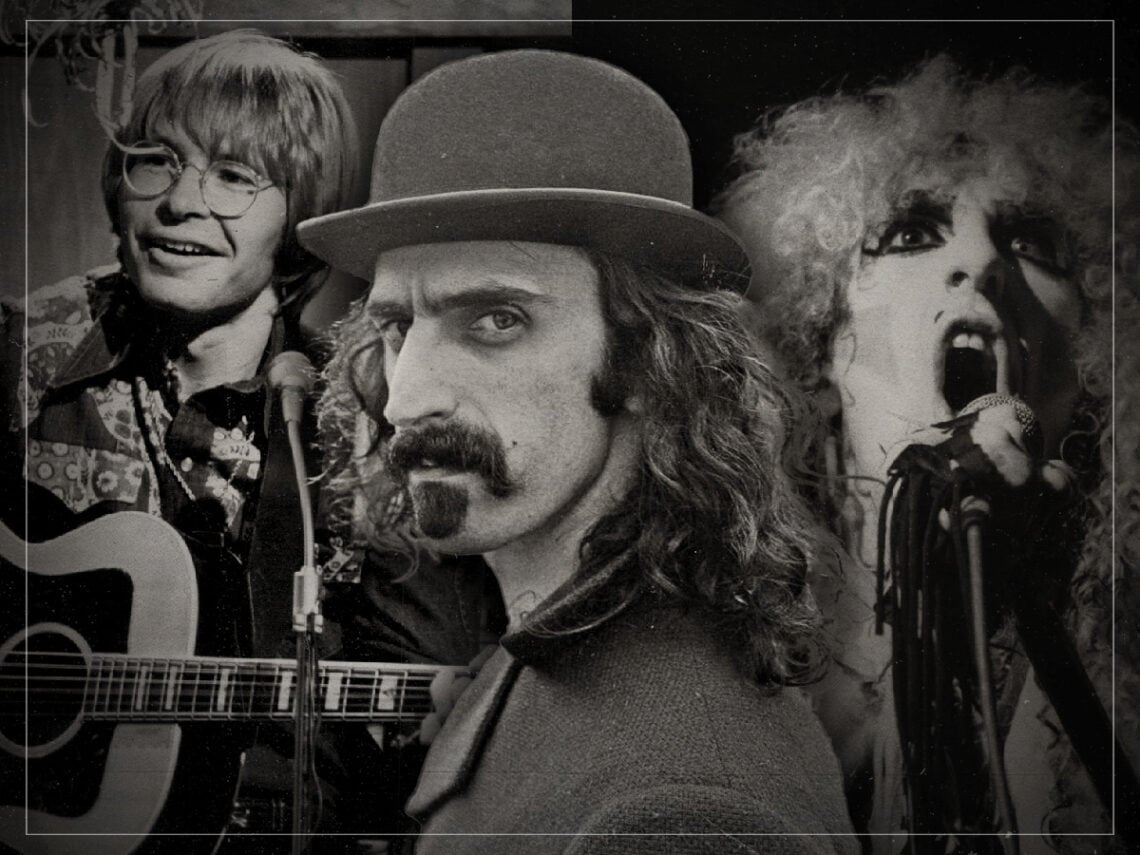
Three men walk into a senate hearing: The unholy alliance of Frank Zappa, Dee Snider, and John Denver

Back in 1985, getting labelled a ‘Cosby Congressman’ by the press meant that you were, like the beloved TV comedian Bill Cosby, highly concerned about ‘indecent’ media and dedicated to old-school family values.
The irony of using the sexual predator Bill Cosby as a mascot for purity hadn’t become clear yet, but some astute public figures of the ‘80s already recognised that the Cosby Congressmen weren’t on the right side of history either. Senator Al Gore, who would later ascend to the US presidency in most alternate-universe versions of the year 2000, was the best-known member of the Cosby Congressmen, leading a movement largely conceptualised by his wife Tipper Gore, founder of the Parents Music Resource Centre.
A rare joint effort between the squarest members of both the Democratic and Republican parties, the PMRC was organised in 1985 with the goal of better policing the music that children could access and listen to. As no coincidence whatsoever, heavy metal had ascended to a new level of popularity at the time, with hip-hop hot on its tail as a newly mainstream genre. The freewheeling references to sex, drugs, and violence in some of these songs were, according to the PMRC, a direct cause of teenage delinquency, and a potential instigator of criminal activity, suicide, demonic practices, and all of the other stuff rock and roll has been accused of since Little Richard came along.
Trying their best to update those old 1950s, McCarthy-era complaints for the MTV generation, however, the PMRC decided to unveil one of the most ill-advised Top 15 lists of the pre-Buzzfeed era: a playlist of shame that they called ‘The Filthy 15’. These were the songs Tipper and co felt best represented the danger posed by pop music in the mid 1980s, with a nice mix of sex-centric pop, booze-soaked rock, violent metal, and in some cases, all of the above rolled into one. It’s actually a pretty killer mixtape, all things considered.
The main short-term goal of the PMRC’s campaign was to get those lovely Parental Advisory stickers slapped onto any record, cassette, or CD that was deemed to have content too naughty for the youths of America. This plan eventually backfired dramatically, of course, when a whole generation of kids grew up seeking out those stickers like certified blue ribbons of quality. In the meantime, though, an inevitable US Senate hearing was held in the autumn of 1985, giving Al and Tipper a chance to explain their policy ideas, while a few counter-arguments were granted to some musicians from the free speech brigade, a club that seemed to attract a much cooler crowd than it does these days.

As one of the standout stars of the Filthy 15 list, Dee Snider, frontman of the maximalist hair metal band Twisted Sister, was an eyebrow-raising invitee to the hearing. He felt that his group’s breakout hit ‘We’re Not Gonna Take It’ had been unfairly dinged for its anarchistic music video, rather than its actual lyrical content, and he calmly and carefully set the record straight.
“That video was simply meant to be a cartoon with human actors playing variations on the Roadrunner and Wile E Coyote theme,” Snider said, “Each stunt was selected from an extensive personal collection of Roadrunner cartoons. You’ll note that after each catastrophe our villain suffers through, in the next sequence he reappears unharmed by any previous attack, no worse for wear.”

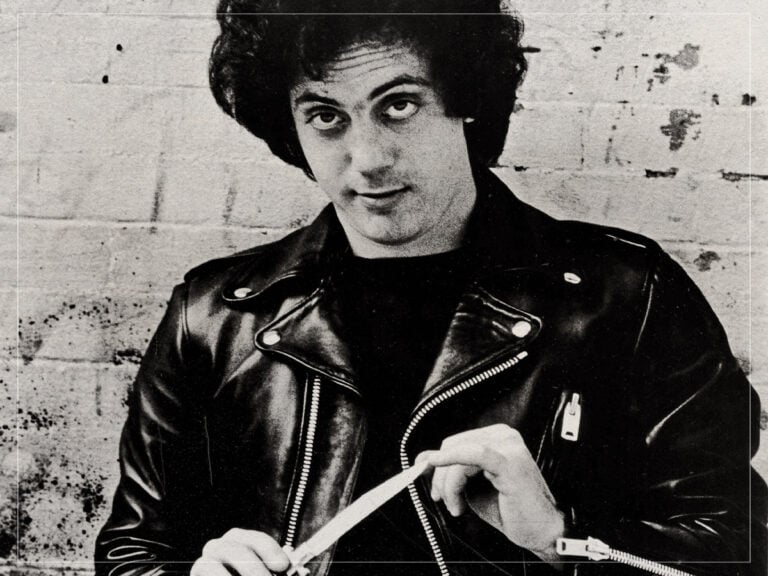

This was brilliant stuff; unexpected senate floor satire from a man the committee had expected nothing but grunts and shrugs from. “As a parent and a rock fan,” Snider continued, explaining why he didn’t think the government needed to get involved in putting warning stickers on records, “I know that when I see an album cover with a severed goat’s head in the middle of a pentagram between a woman’s legs, that’s not the kind of album I want my three-year-old son listening to.”
Frank Zappa, the next avenging artist to testify, was unsurprisingly even less open-minded about warning stickers than Snider. A man whose entire career was defined by colouring outside the lines was never going to nod in polite understanding to the well-trod arguments of Senator Paula Hawkins, a leading PMRC member. “Mr Zappa, toy boxes may say ‘Suitable for five to seven years of age’, or ‘eight to 15’, which gives you some guidance on toys for your child,” Hawkins said, “Do you object to that?”
“In a way I do,” Zappa replied, soul-patch unfurled, “Because that means that somebody in an office someplace is making a decision about how smart my child is”. Hawkins then weirdly tried to insult Zappa, saying she’d be interested to see what toys his kids ever had. Maybe she knew that Frank was a notoriously terrible father? In any case, Zappa shot back, “Well come on over to the house and I’ll show ‘em to you”. If Snider was too tongue-in-cheek, and Zappa too confrontational, then the last pop star to speak for the free speech team was the undeniable happy medium; the ‘mama bear’ in the Goldilocks plot.
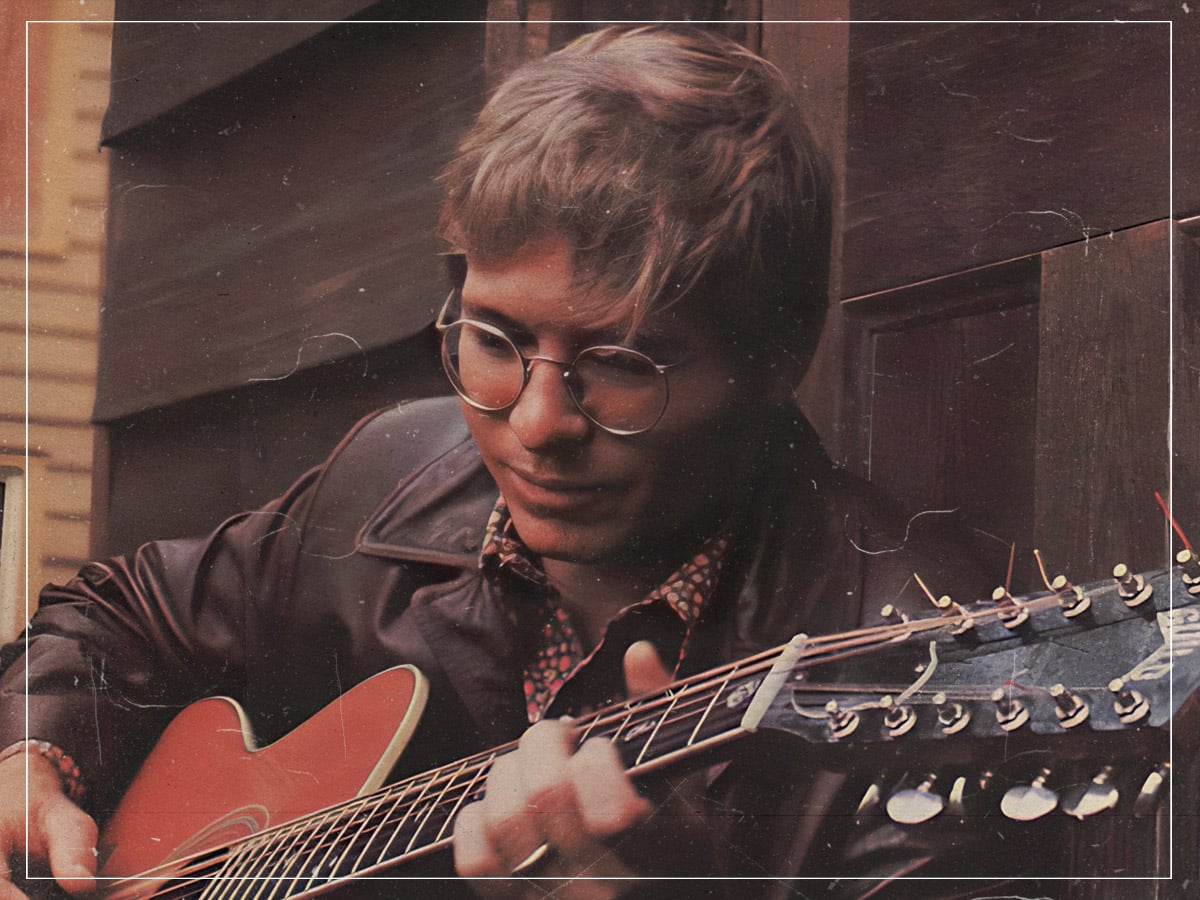
John Denver, the bespectacled and edgeless folk-rock singer of ‘Country Roads’ and ‘Rocky Mountain High’ fame, had none of the scary outward mystique of his testifying teammates, but that’s what made him the wild card. While nervous suburban parents could easily ignore whatever Snider or Zappa had to say, writing them off as satanic Hollywood perverts, Denver was as wholesome as an unsliced and fully clothed apple pie. The tension in the room eased as he disarmed the committee with a grin and a kindly “aww shucks” introduction.
“Frank and I were really concerned about John Denver,” Snider admitted to Classic Rock many years later, “We figured he should be on our side, but we had no chance to meet him beforehand. When he arrived, senators were falling over each other to fawn over him. It was disgusting to watch. They fully expected him to bolster their case.”
What Denver did instead was back up his new pals Dee and Frank with a simple statement: “The suppression of the people of a society begins in my mind with the censorship of the written or spoken word. It was so in Nazi Germany. It is so in many places today where those in power are afraid of the consequences of an informed and educated people.” He also explained that even well-meaning rating systems can miss the mark, noting that his own ode to the state of Colorado, ‘Rocky Mountain High’, was presumed by a lot of folks to be some sort of drug metaphor.
Ultimately, despite the best efforts of our three humble cowboys, Snider, Zappa, and Denver, the RIAA backed down to pressure from the PMRC and agreed to introduce the Parental Advisory stickers a few months later, leading to many of those shamed and stickered records getting banned entirely from major retail shops like Walmart. Even in a losing battle, though, unlikely bonds were formed, and new respect was earned: “If anybody says anything bad about John Denver, I will personally kill them,” Dee Snider told the Associated Press a few weeks after the hearing. The three contrasting amigos were in lockstep for life, while the Cosby Congressmen quickly moved on to other paranoias.
The Parents Music Resource Centre’s ‘Filthy 15’ songs of 1985:
- ‘Darling Nikki’ – Prince (masturbation / sexual content)
- ‘Bastard’ – Mötley Crüe (violence)
- ‘Eat Me Alive’ – Judas Priest (sexual content)
- ‘High ‘n’ Dry’ – Def Leppard (alcohol use)
- ‘Possessed’ – Venom (occult)
- ‘She-Bop’ – Cyndi Lauper (masturbation)
- ‘Dress You Up’ – Madonna (sexual content)
- ‘Into the Coven’ – Mercyful Fate (occult themes)
- ‘Trashed’ – Black Sabbath (alcohol/substance use)
- ‘Let Me Put My Love Into You’ – AC/DC (sexual content)
- ‘We’re Not Gonna Take It’ – Twisted Sister (violence)
- ‘Strap On Robbie Baby’ – Vanity (sexual content)
- ‘Sugar Walls’ – Sheena Easton (sexual content)
- ‘Animal (Fuck Like a Beast)’ – WASP (explicit sexual content)
- ‘In My House’ – Mary Jane Girls (sexual content)
