


Copycat Wankers: Five songs from the 1960s that out-punked punk

John Lydon has always been pretty scathing about the genre of music which he helped to pioneer, essentially saying that every punk band that came after the Sex Pistols was bollocks (and he minded).
“Early seventies Britain was a very depressing place. It was completely run-down, there was trash on the streets, total unemployment – just about everybody was on strike,” said Lydon, “Everybody was brought up with an education system that told you point blank that if you came from the wrong side of the tracks… then you had no hope in hell and no career prospects at all. Out of all that came pretentious moi, and the Sex Pistols and then a whole bunch of copycat wankers after us.”
He might criticise bands for being copycat wankers, but the fact of the matter is that, despite the term “punk” being coined in the late ‘70s as a result of the Sex Pistols, the idea of punk existed long before Lydon scribbled “I hate” on his Pink Floyd T-shirt.
Themes of rebellion, hope, chaos, change, and all things in between have been present within music for a long time, to the extent that there are some songs which predate punk yet uphold its values.
So, let’s have a look at some of the ‘60s songs which managed to out-punk punk.
Songs from the ‘60s punker than punk:
The Kinks – ‘You Really Got Me’
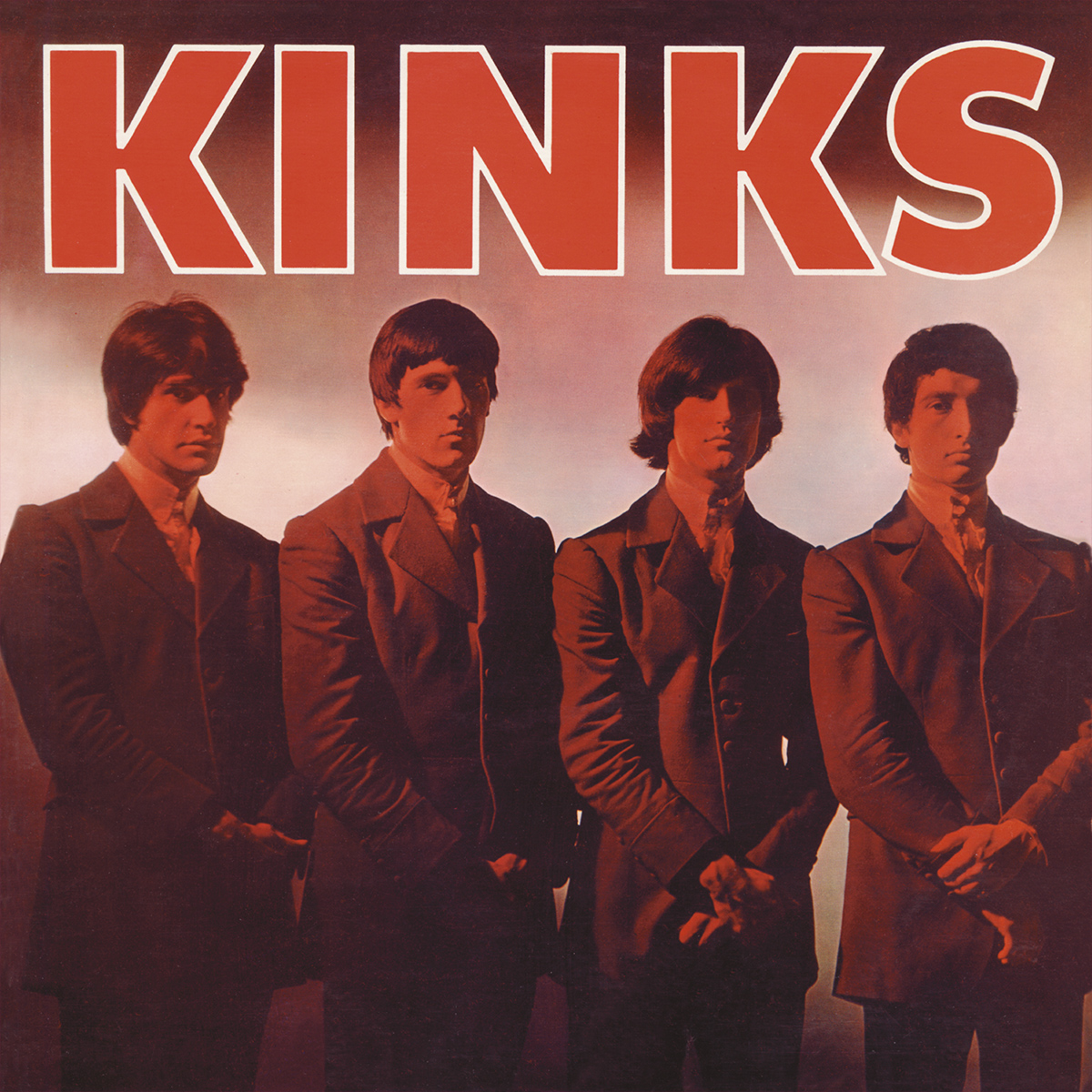
It’s well known that a lot of the famous punk musicians weren’t great at playing their own instruments. However, it wasn’t what they played which got the attention of people, but it was how they played it. There was an anger and a vigour in every note that helped provide a voice to the voiceless; however, it goes without saying that these punk bands were hardly the first musicians to play with a degree of emotion.
When you look at the chords which The Kinks use in their song ‘You Really Got Me’, they aren’t all that complicated. Despite the simplicity of the instrumentation that makes up this track, that combination of notes can still be heard throughout rock music. This is all because of the way the song was played, rather than what was actually played. The Kinks needed the song to be a hit, and so it was played with a real tenacity which resonates in the same way that great instrumentation from the punk movement does.
Nina Simone – ‘Four Women’
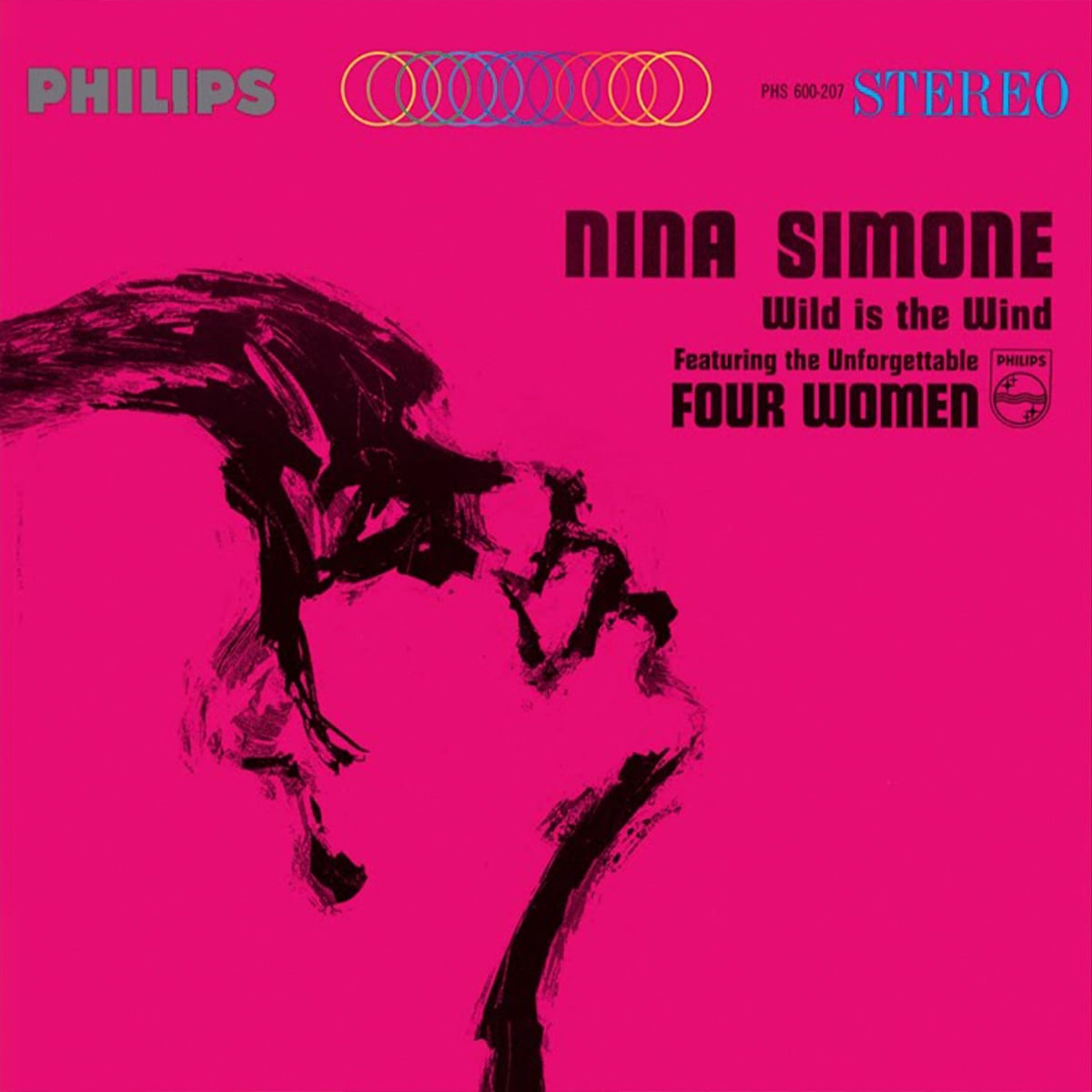
Nina Simone is one of the greatest vocalists of all time, not just because of her vocal tone, but also her ability to convey emotion within her vocals. If you think that punk singers can convey anger, you haven’t heard anything until you’ve heard a pained Simone sing. There is anger in her voice, but it’s tinged with equal parts of sadness and hope.
You can hear this range the best in her song ‘Four Women’, a track about the racial injustices black women so often face, told from the point of view of different women that Simone interviewed.
“It seemed we were all suffering from self-hatred. We hated our complexions, our hair, our bodies,” said Simone when discussing the track, “I realized we had been brainwashed into feeling this way about ourselves by some black men and many white people. I tried to speak to this in the song. And do you know, some black radio stations wouldn’t play it? It is true what they say: the truth hurts.”
Miles Davis – ‘Bitches Brew’
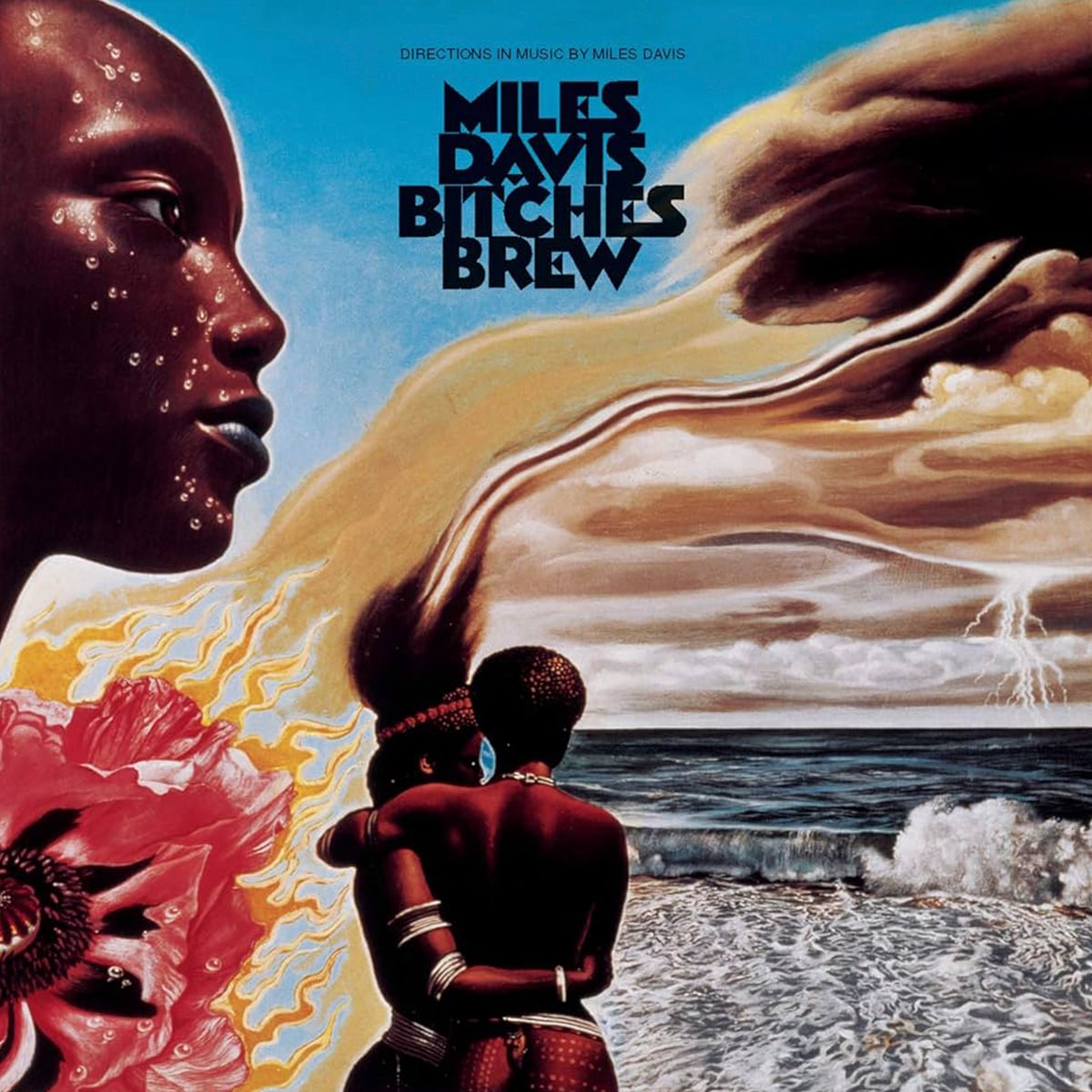
OK, I can already hear you music lovers getting mad at this inclusion, given the album came out in March 1970; however, it was recorded in 1969, so I figured I could include it. Additionally, if you want to talk about music which can be viewed as messy, chaotic, angry and borderline scary, before you had punk, you had the genius that was Miles Davis and ‘Bitches Brew’.
When Davis was asked during a dinner at the White House what made him so important, he responded, “Well, I’ve changed music five or six times.” He wasn’t wrong in his assessment, and one of his most genre-defining records was Bitches Brew, which showed jazz in a light that nobody had ever seen before.
Creedence Clearwater Revival – ‘Fortunate Son’
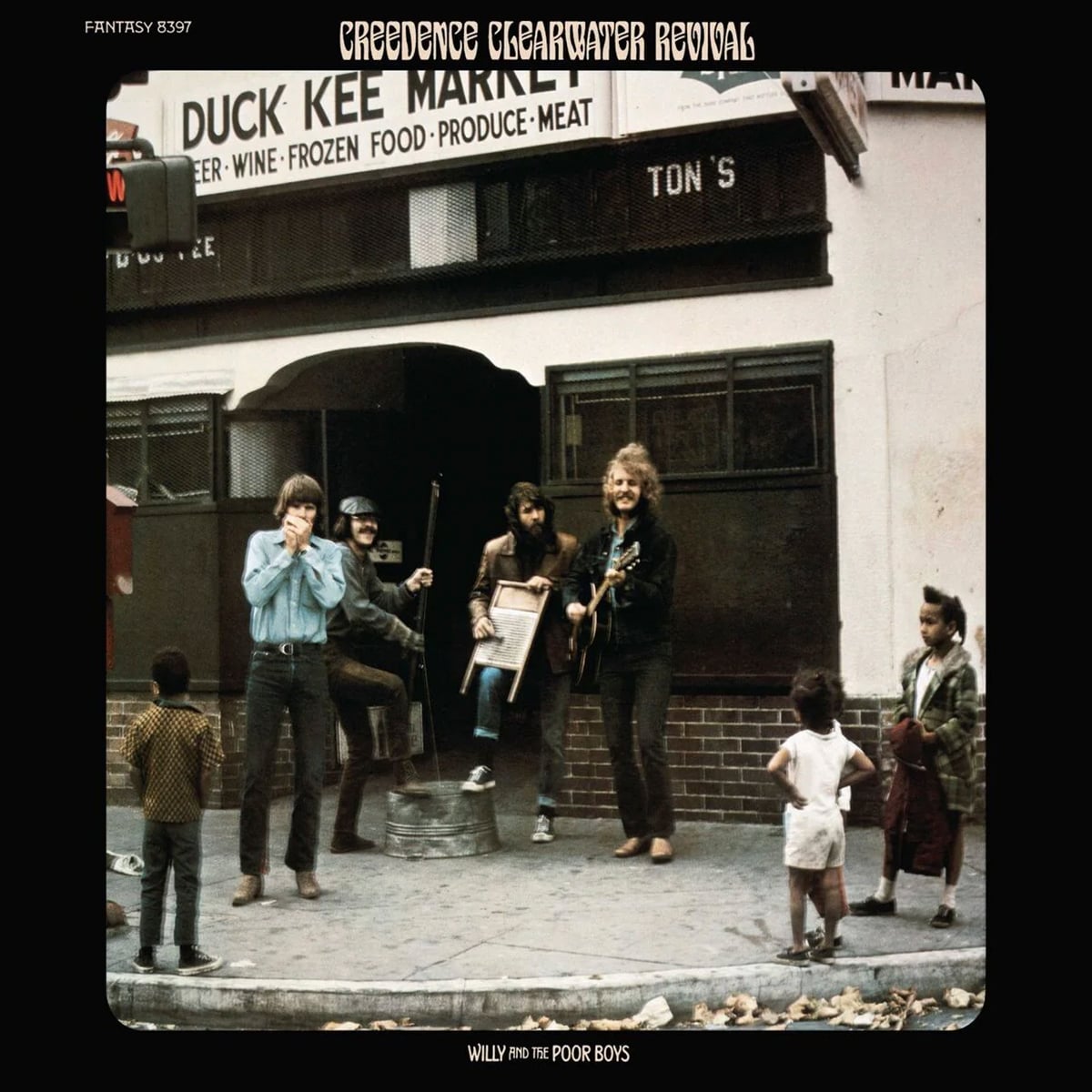
People love listening to ‘Fortunate Son’ because of how much it encapsulates the anger that so many felt during the Vietnam War. Of course, this wasn’t the only song written about the war, far from it, and yet it is the most famous. Why is that? Well, it’s because the members of Creedence Clearwater Revival could relate to the fear and anger some of the enlisted soldiers felt, and that can be heard in the music. In the same way, the working class connected with punk, so too did people connect with this.
“I was two weeks away from being transferred to the Army and sent to Vietnam,” said band member for Creedence Clearwater Revival Doug Clifford. “I even had the piece of paper in my hand, telling me where I’d be going […] Fifty-eight thousand Americans were killed out there, and hundreds of thousands were wounded, and John and I could have been among them.”
Sam Cooke – ‘A Change Is Gonna Come’
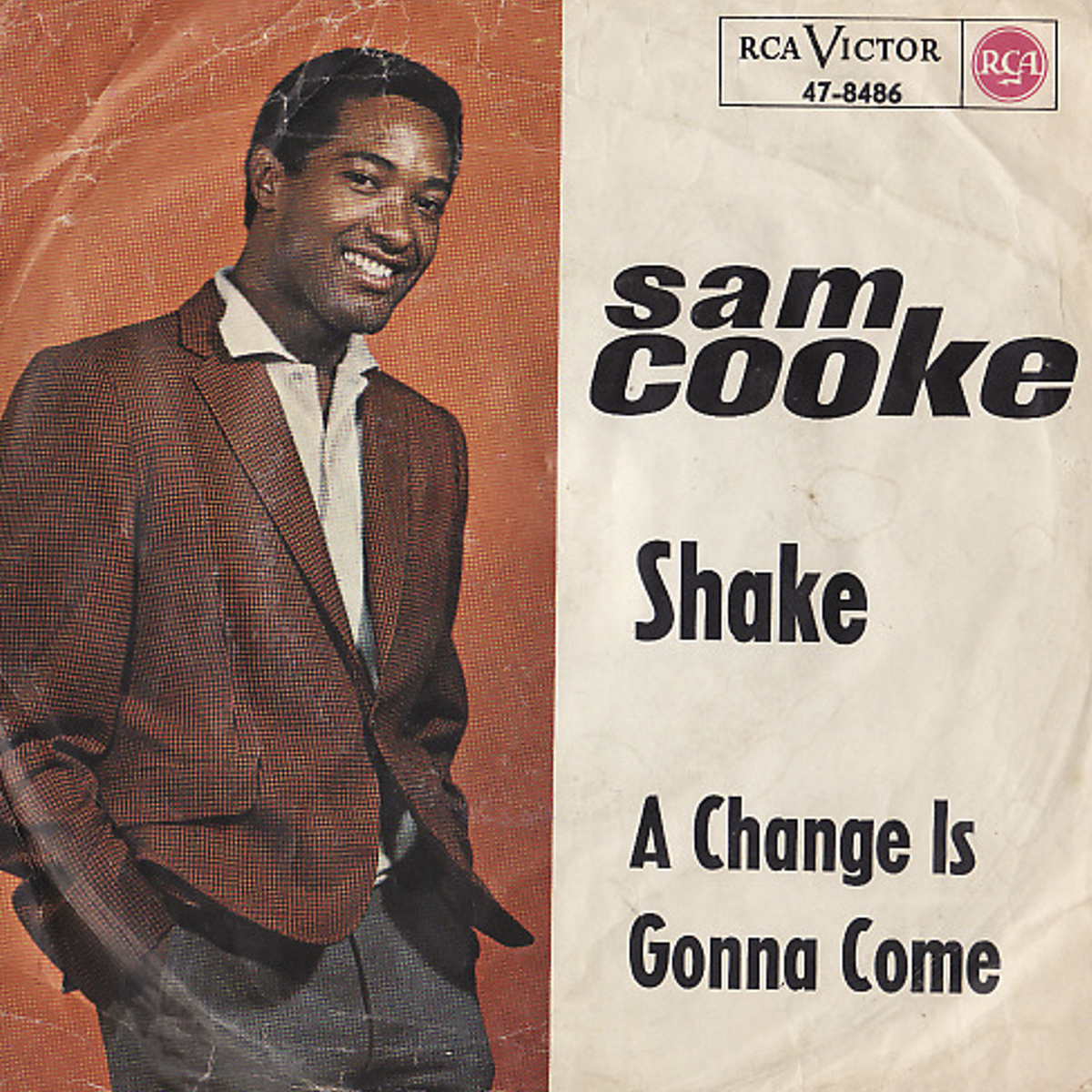
Punk remains an elusive genre. It’s one which is difficult to define, and while the term may have been coined towards the back end of the ‘70s, the fact that a list like this exists shows that the mentality of punk existed long before the word did. While punk as a whole is difficult to define, the things that it stands for are clear as day, and they are both rebellion and change.
While Sam Cooke is hardly the voice of rebellion, the idea of change has never been so beautifully presented in music before. If you want a song which is effective when it comes to giving hope to what many call a hopeless situation, you needn’t look any further than a track like ‘A Change Is Gonna Come’.
This is quite easily one of the greatest songs about change ever written, and while not immediately identifiable as punk, having such a topic at its heart makes the two styles of music comparable.
