


Bill Evans: A jazz legend’s life in five tragedies

He was the Chopin of American jazz; an otherworldly master of both the art of performance and composition on the piano from the late 1950s through the 1970s. But there’s no need for me to try to explain what was great about Bill Evans. The people who played alongside him were more than happy to do so.
Miles Davis, who selected Evans to play on arguably the most celebrated jazz album of all-time, 1959’s Kind of Blue, described him as having “this quiet fire that I loved on piano”.
“The sound he got was like crystal notes or sparkling water cascading down from some clear waterfall,” Davis wrote in his autobiography, “Bill played underneath the rhythm, and I liked that, the way he played scales with the band.”
Davis was quite blunt in acknowledging that he’d “planned that album [Kind of Blue] around the piano playing of Bill Evans”, but their collaboration went well beyond Evans following Miles’s lead. Two tracks on the album, ‘Blue in Green’ and ‘Flamenco Sketches’, were co-credited to Evans, but were predominantly based on his own compositions.
Off the success of Kind of Blue, Evans was able to build a following for his own band, the Bill Evans Trio, which released some of the seminal albums of the early 1960s: Portrait in Jazz, Explorations, Undercurrent, Waltz for Debby, and Conversations with Myself, among others.
Having lived and breathed music since the age of four, he was a savant of sorts, able to instantly access muscle memories of playing a thousand different pieces, from classical to jazz to old show tunes, and then run them through a spontaneous, improvised splicer to create something new. “I have no idea of what’s coming next,” he once said, “And if I did, I would be a nervous wreck. Who could keep up with it?”

The Bill Evans Trio went through various line-up and style changes over the years, and by the 1970s, he was casting a wider net with his collaborations, including a Grammy-winning record with Tony Bennett in 1977.

“What was fascinating to me was just to listen to how he constructed the performances of each song,” Bennett recalled in the 2015 documentary Bill Evans: Time Remembered, “It was the greatest music lesson I ever got.”
Evans was known as a shy, gentle, but good-humoured character, and though he sometimes stood out like a sore thumb as the tall, gangly, glasses-wearing white man hunched over the keys in Miles Davis’s band, he quickly earned the respect of any and all audiences that saw him play. Unfortunately, as with many of the jazz legends of his era, Evans also fell victim to the proliferation of heroin into the scene, and as he became increasingly reliant on its effects to buoy his confidence on stage, the wheels were set in motion for a bad end.
Even by the standards of the tortured artist cliché, he endured some truly devastating tragedies during his relatively short life; events that seemed to pull the rug out from under him every time it looked like he might get back on the straight and narrow. Some were self-inflicted, but others were just terrible twists of fate.
Five tragedies from the life of Bill Evans:
A volatile upbringing
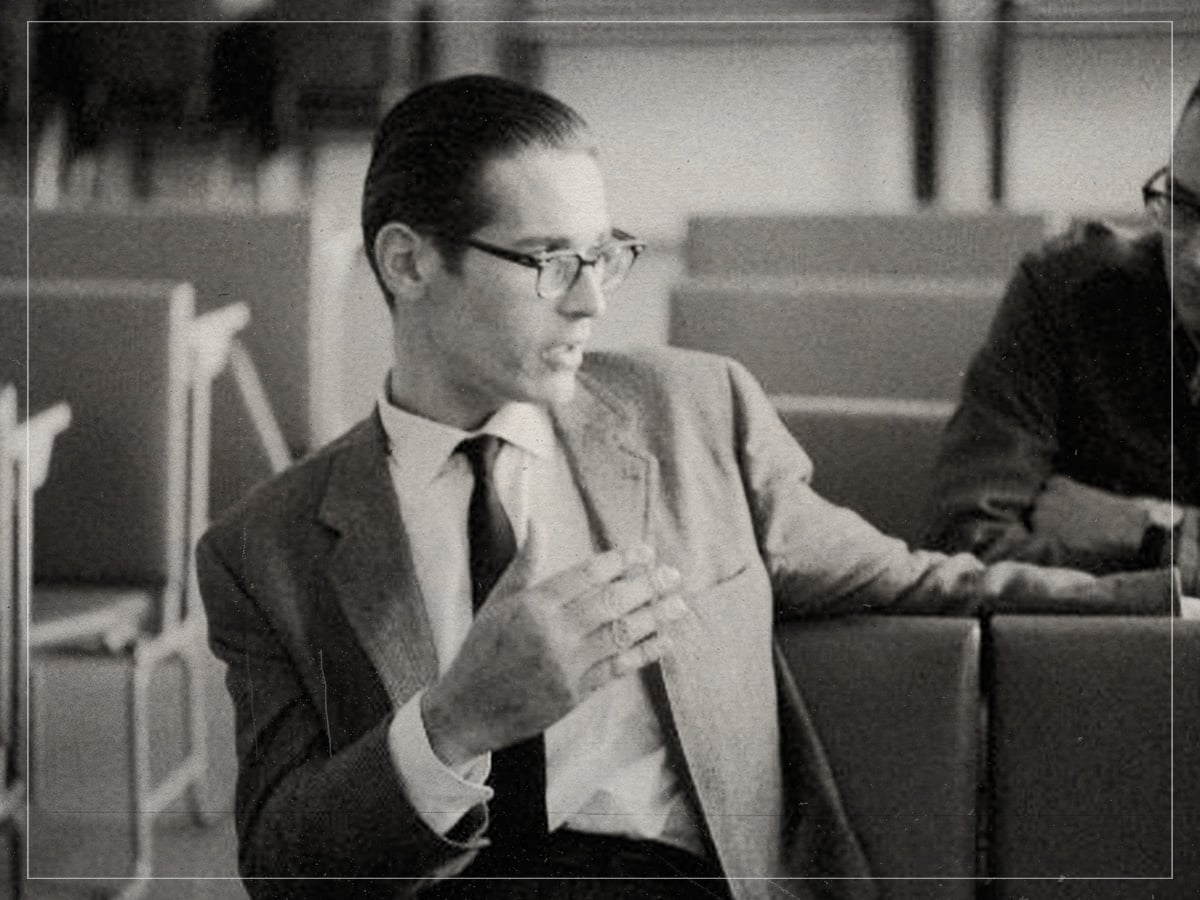
While Evans and his older brother Harry benefited from their parents’ love of music and their insistence on them both getting proper musical training at a young age, the two brothers wound up turning to their music more as an escape from their difficult home life. Their father, Harry Evans Sr, who ran a golf course in North Plainfield, New Jersey, was a gambler and an alcoholic prone to violent outbursts, often forcing their mother, Mary, to take the kids away for long stretches of time.
It was a tumultuous, day-to-day situation, and one that certainly found its way into Bill’s art. When his father died in 1966, Evans wrote a piece for him, ‘Solo – In Memory of His Father, Harry L Evans’. It’s telling, perhaps, that he chose to slightly distance himself from his dad in the title, using the word ‘his’ instead ‘my’. Unsurprisingly, it’s a sad number.
The loss of Scott LaFaro
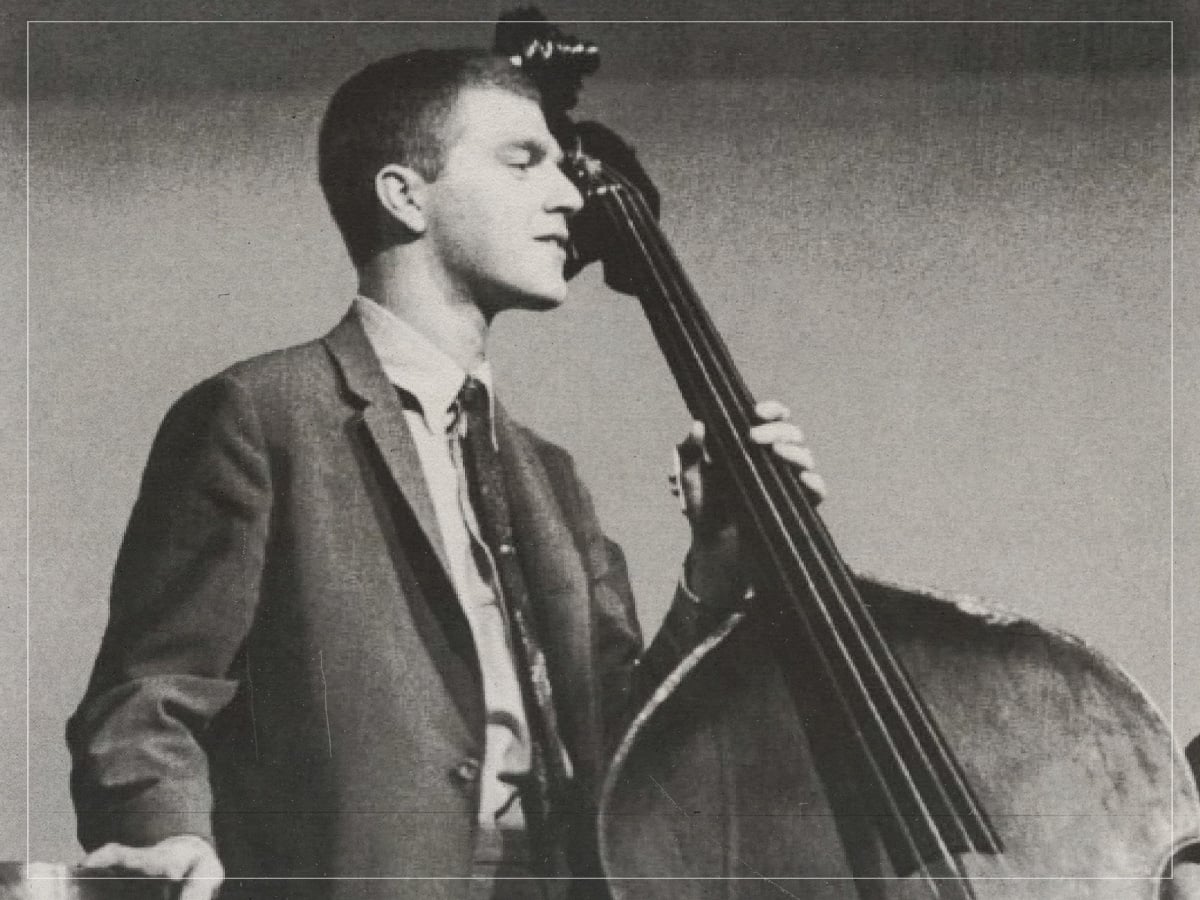
For his first record after parting ways with Miles Davis, Evans recruited a new version of the Bill Evans Trio, with Paul Motian on drums and an exciting new bass player named Scott LaFaro, who quickly became a close friend. This was the group that created the classic studio albums Portrait of Jazz and Explorations, along with a pair of fantastic live LPs recorded during their 1961 residency at the Village Vanguard in New York: Sunday at the Village Vanguard and Waltz for Debby. Those gigs were the stuff of legend even in their own time, and Evans and his bandmates were on cloud nine, feeling great about the state of the band.
Then, just days later, on July 6th, 1961, Evans received a phone call informing him that the 25 year-old LaFaro had died in a car accident in upstate New York. “I didn’t realise how it affected me straight away,” he later said, “Musically everything seemed to stop. I didn’t even play at home… I just can’t comprehend death. I can’t comprehend it. As far as I’m concerned he’s alive. He’s not here at this moment, that’s all.”
The suicide of Ellaine Schultz
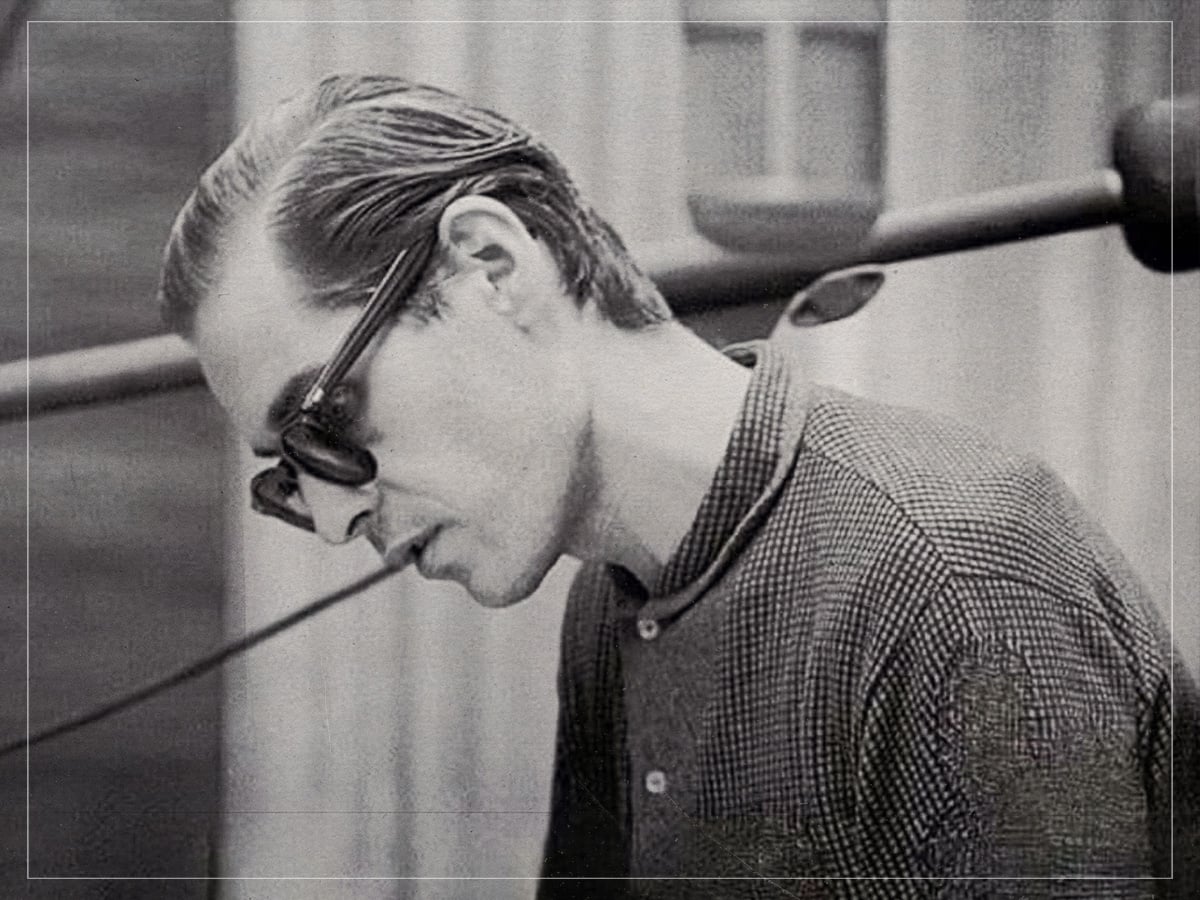
In the early 1960s, as his career was in full bloom, Evans started dating a waitress named Ellaine Schultz, a kind and sweet person who unfortunately shared Evans’s heroin addiction. The relationship lasted for more than a decade, with the duo notoriously spending much of Bill’s record sales earnings on their habit, leaving them repeatedly out on the street, unable to pay their bills or rent. Friends who’d grown tired of financing their lifestyle began cutting off Evans’ requests for loans, creating a growing sense of hurt and resentment on all sides.
After getting caught at the airport with heroin in the early 1970s, both were forced to start methadone treatments, but in 1973, seemingly out of the blue, Evans informed Schultz that he’d met another woman, a young waitress in California named Nenette Zazzara, and that he was going to pursue a relationship with her. Schultz supposedly told Evans that she understood his choice, but days later, word reached him that Ellaine had thrown herself in front of a subway train in New York. The guilt from the incident plunged the musician back into heroin use for a while, but Zazzara helped him return to the methadone treatments, and the two were married by the end of the year.
The sad demise of Harry Evans Jr
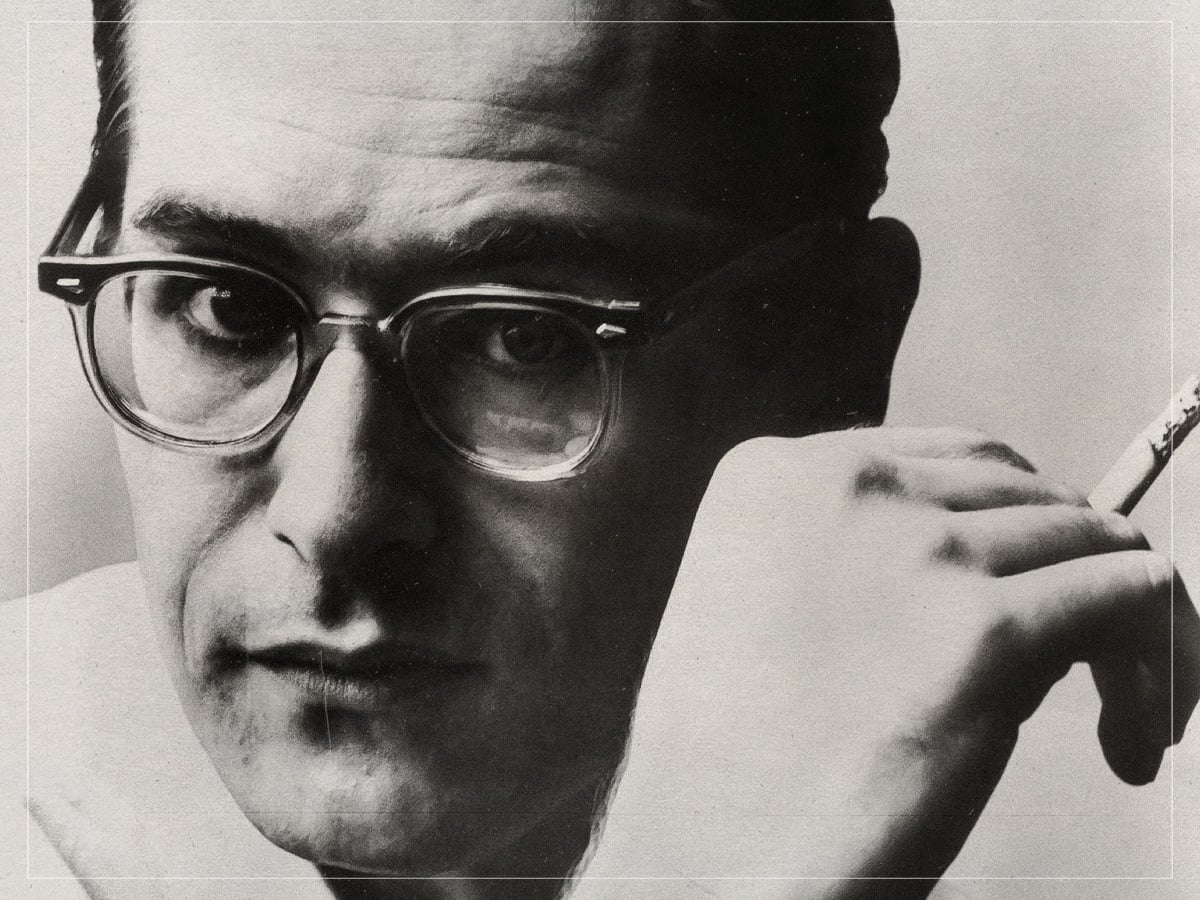
Bill’s much more gregarious older brother, Harry Evans, hadn’t just been a reliable defender during their stormy childhood; he was also a trusted musical collaborator, from their earliest piano lessons up through their time together at Southeastern Louisiana College.
As Bill became one of the great new jazz stars of the ‘60s, Harry devoted his life to teaching music in Baton Rouge, but the two always remained close. Any time the brothers would reunite, Harry would do everything he could to encourage Bill to get off drugs and turn his life around, and by the late 1970s, it briefly looked like he’d succeeded, as Bill settled down with Nenette Zazzara in New Jersey and started a family, including the birth of a son, Evan Evans.
Around this same time, though, Harry’s own mental health took a turn, and he was soon diagnosed with schizophrenia. In 1979, at the age of 52, Harry Evans took his own life, sending his younger brother into a tailspin that he never really recovered from.
The inevitable final chapter
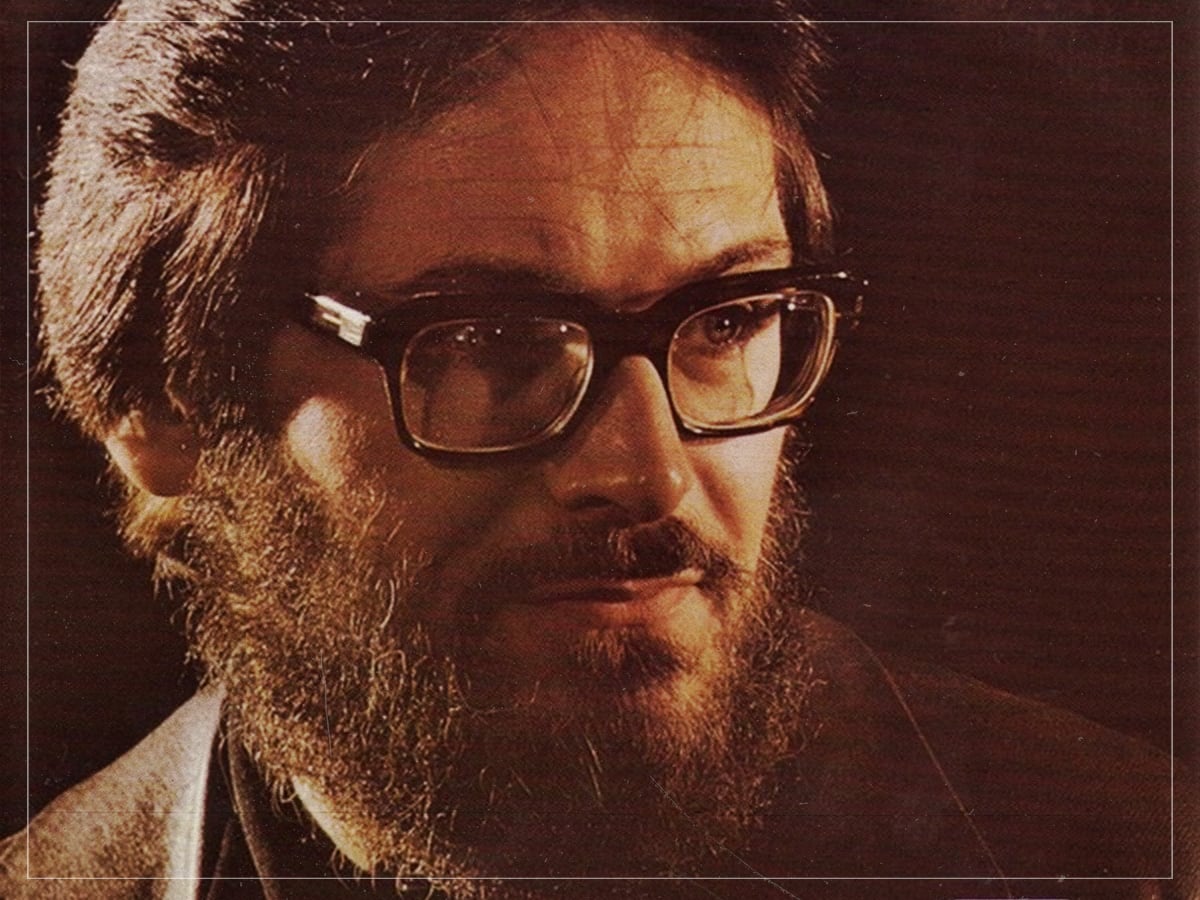
As the 1980s began, Bill Evans’ friends and family could plainly see that he was back on drugs, cocaine this time, and was in a very precarious state. They warned him about the risk of his young son growing up without a father, but it was too late to turn the ship around. “You don’t understand,” Evans once told Down Beat reporter Gene Lees, referring to the addict’s lifestyle, “It’s like death and transfiguration. Every day you wake in pain like death, and then you go out and score, and that is transfiguration. Each day becomes all of life in microcosm.”
Evans died from internal haemorrhaging on September 15th, 1980, at the age of 51, the end of what his friend Lees called “the longest suicide in history”. His final studio album, We Will Meet Again, which had been recorded as a tribute to his brother, won the Grammy for ‘Best Instrumental Jazz Album’ in 1981, several months after Bill’s own death.
