


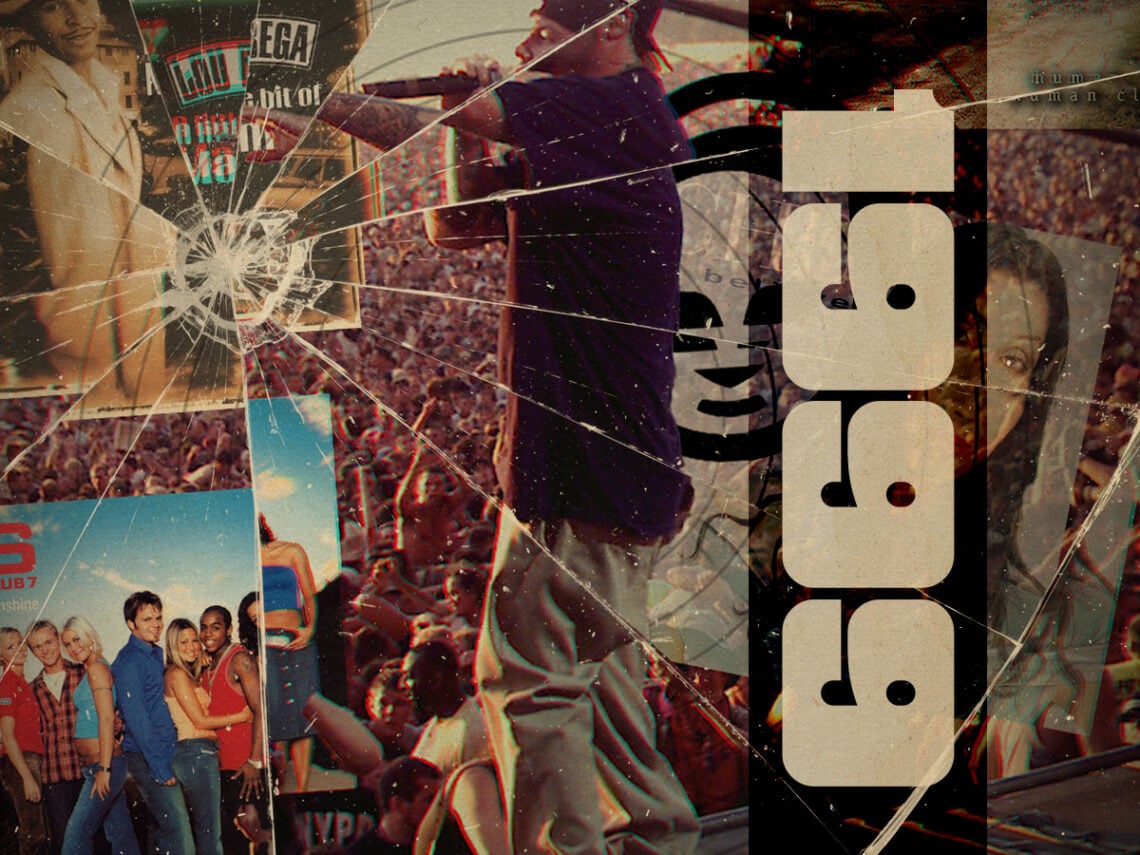
A timeline of 1999: the worst year in music history

Prince’s song ‘1999’ is commonly misinterpreted by those who listen.
The line “Tonight we’re going to party like it’s 1999” makes people think, understandably, of partying, which inherently makes them believe that Prince thought the year before millennia would be a fun one; however, it was the exact opposite. His song was written as a warning, and Prince genuinely thought that the world would end in 2000, and so figured that in 1999, people were going to feel the need to party as they stared oblivion in the face.
Of course, the world didn’t end, but in 1999, it almost did musically. It seems that a load of artists figured doomsday was nigh, as the music they released was essentially the reflection of disinterested minds.
There was no dominant genre; people were twiddling their fingers, waiting for the next big thing, but no one was going out there and trying to make it. The result is, arguably, one of the worst years of music ever.
Don’t believe me? Look at this timeline and tell us that there is a worse year for music. I’ll wait.
A timeline of music in 1999:
March

Cher’s ‘I Believe’ goes to number one
One of the best-selling singles in music history, Cher’s ‘I Believe’ truly achieved the unimaginable.
However, despite being an immediate floorfiller and a song that’ll be in your head days after you last hear it, it signalled a turning point for the use of auto-tune in the music industry, with some claiming its popularity indicated a broader concern about the depletion of musical authenticity and integrity.
March
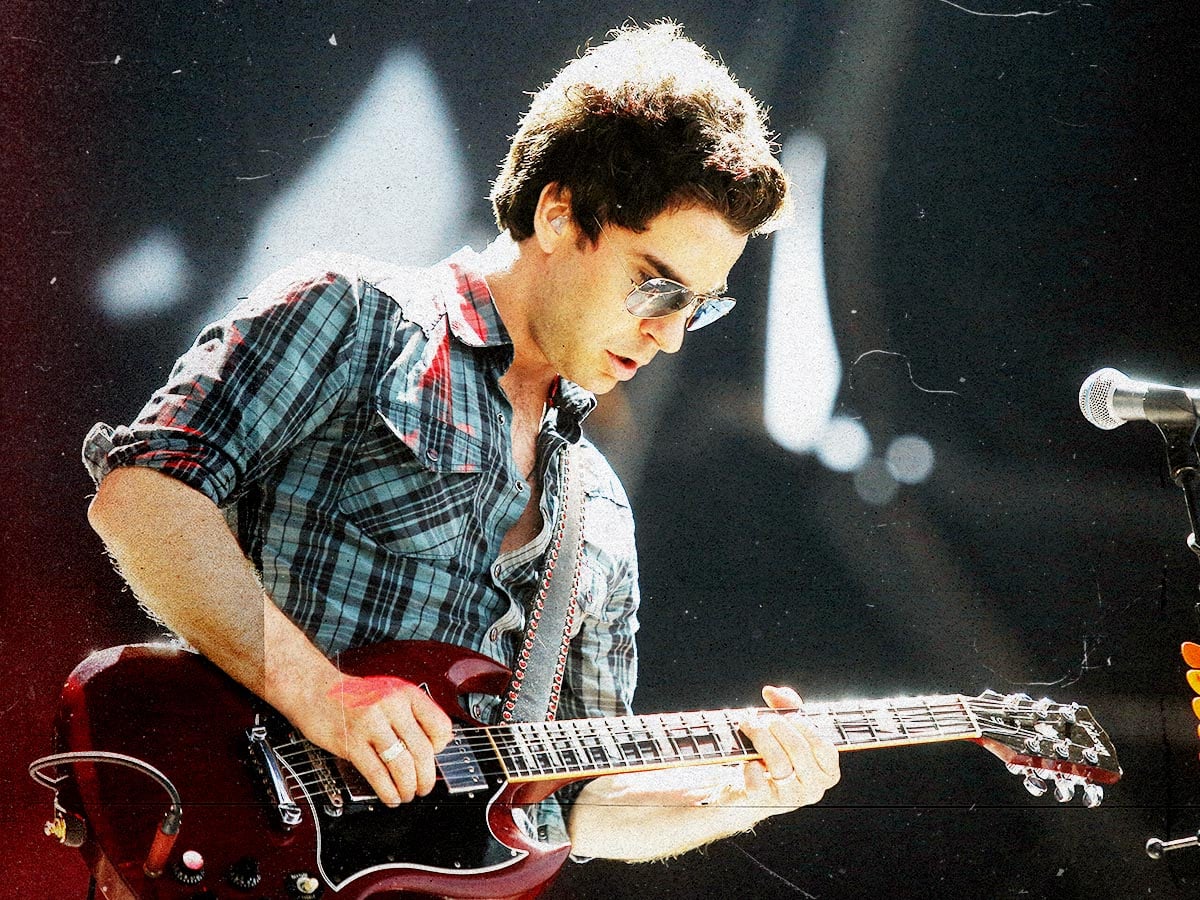
Stereophonics release Performance and Cocktails
Most people will be attached to Performance and Cocktails for nostalgic reasons, having grown up to the sounds of iconic singles like ‘The Bartender and the Thief’.
However, rather than continue the originality they’d established in their debut, some argued that they’d become a poor imitation of other Britpop bands, trading authenticity for more simplistic commercial pandering.
April

The Verve disband and Richard Ashcroft launches solo career
In 1999, The Verve announced their they had “mutually agreed to split” following the departure of guitarist Nick McCabe.
This occurred at their global peak, signalling a turning point in English rock where those with more artistic integrity were seemingly disappearing into the abyss, leaving those with arguably less so to float to the top, for better or worse.
May
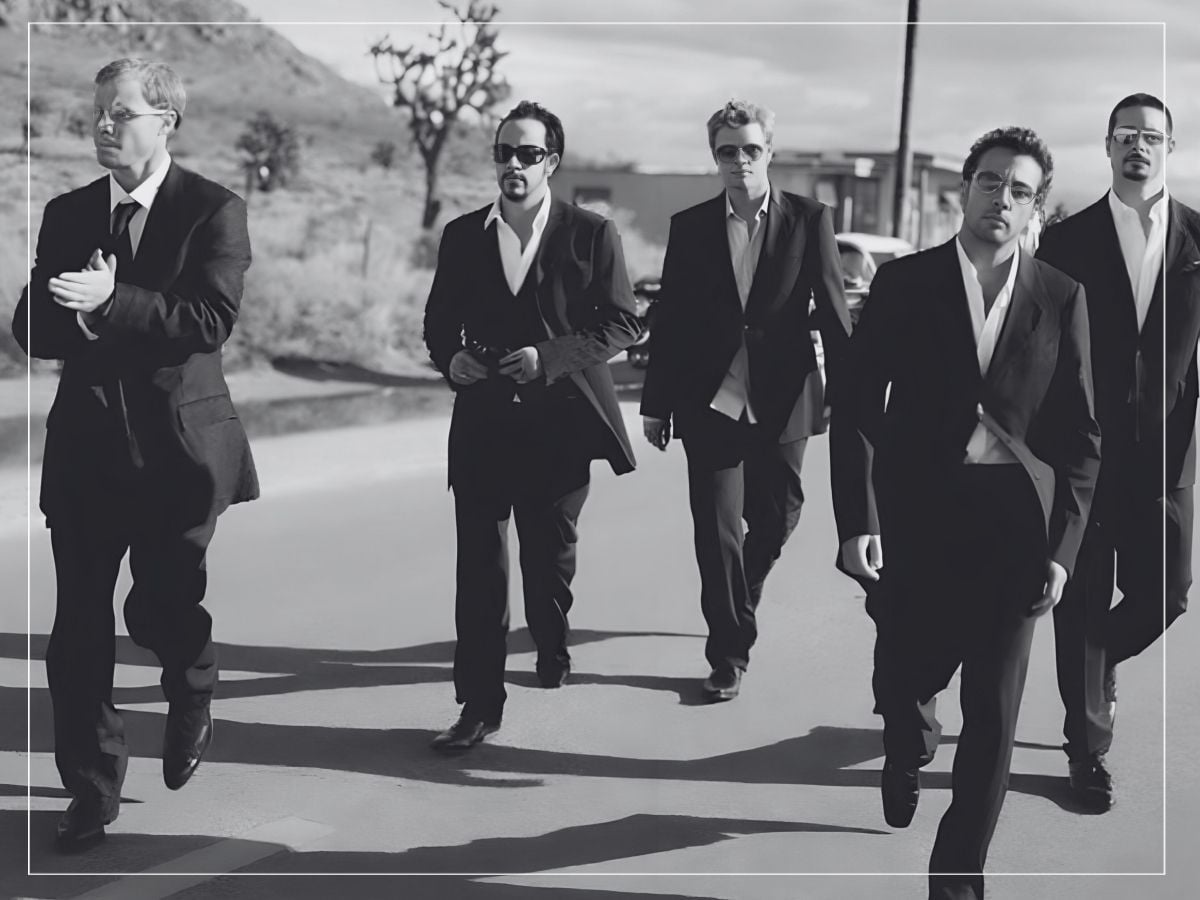
Backstreet Boys release Millennium
There was a broader trend emerging in 1999 that saw a series of pop artists address the fact that the year was, in fact, 1999.
One such release was Millennium, which, despite delivering a handful of catchy tunes like ‘I Want It That Way’ and ‘Larger than Life’, pushed the industry’s pivot towards the more flashy and polished pop groups.
June
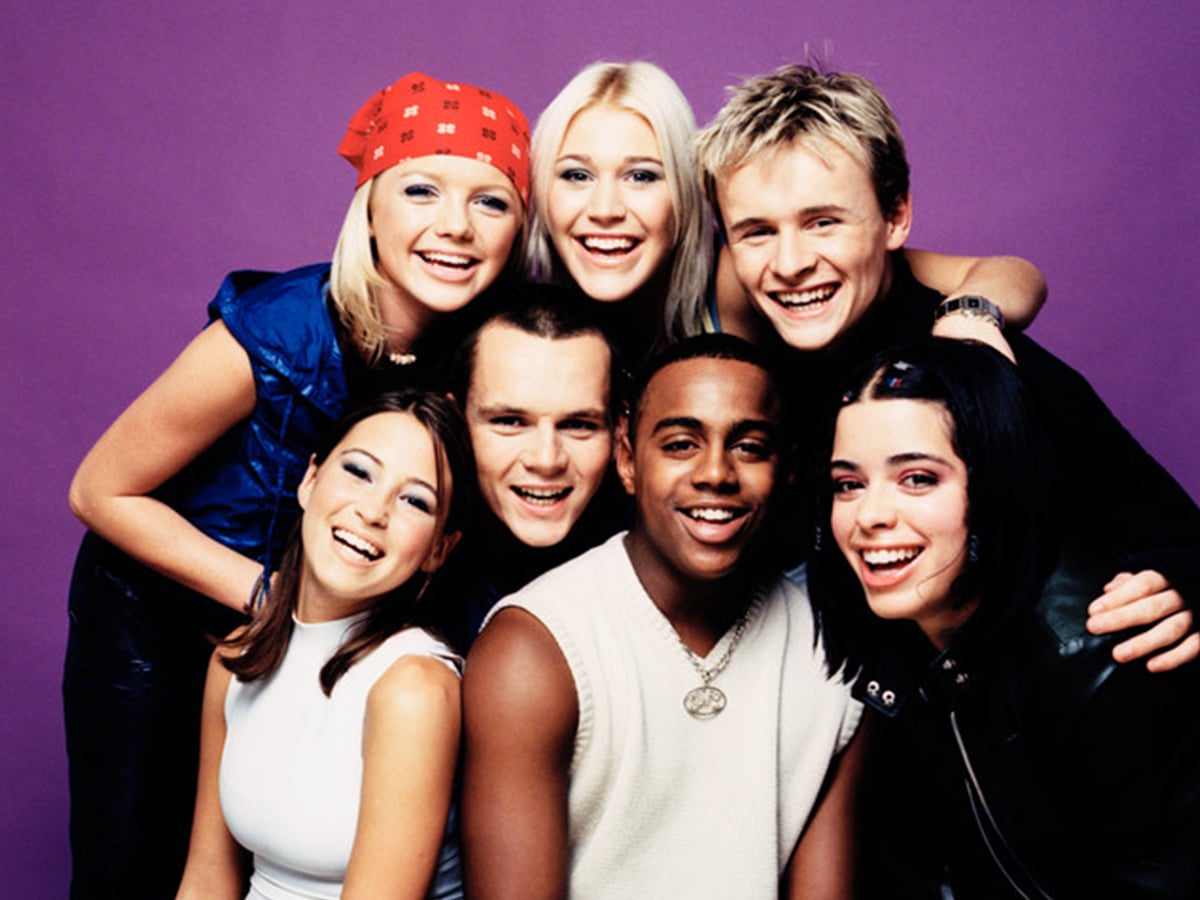
S Club 7 debut at number one with ‘Bring It All Back’
Similar to Backstreet Boys and other pop groups emerging around the same time, S Club 7 no doubt delivered a streak of infectious melodies that stay in your head for far too long after your last listen.
In 1999, the group debuted at number one with ‘Bring It All Back’, flying high ahead of their debut album, S Club. While there’s nothing overtly negative about such a feat, it did show how much the industry had started to overly manufacture corny music for the youth, eliminating any sense of authenticity entirely.
June
Shawn Fanning and Sean Parker launch Napster
Napster might have been significant in the development of streaming services like Spotify and Apple Music, but it also sparked major disruption in other areas of the industry that we’ve never really come back from.
For starters, aside from the copyright issues, it ushered music fans into a frenzy at the prospect of free music, nearly killing the entire industry in the process.
July
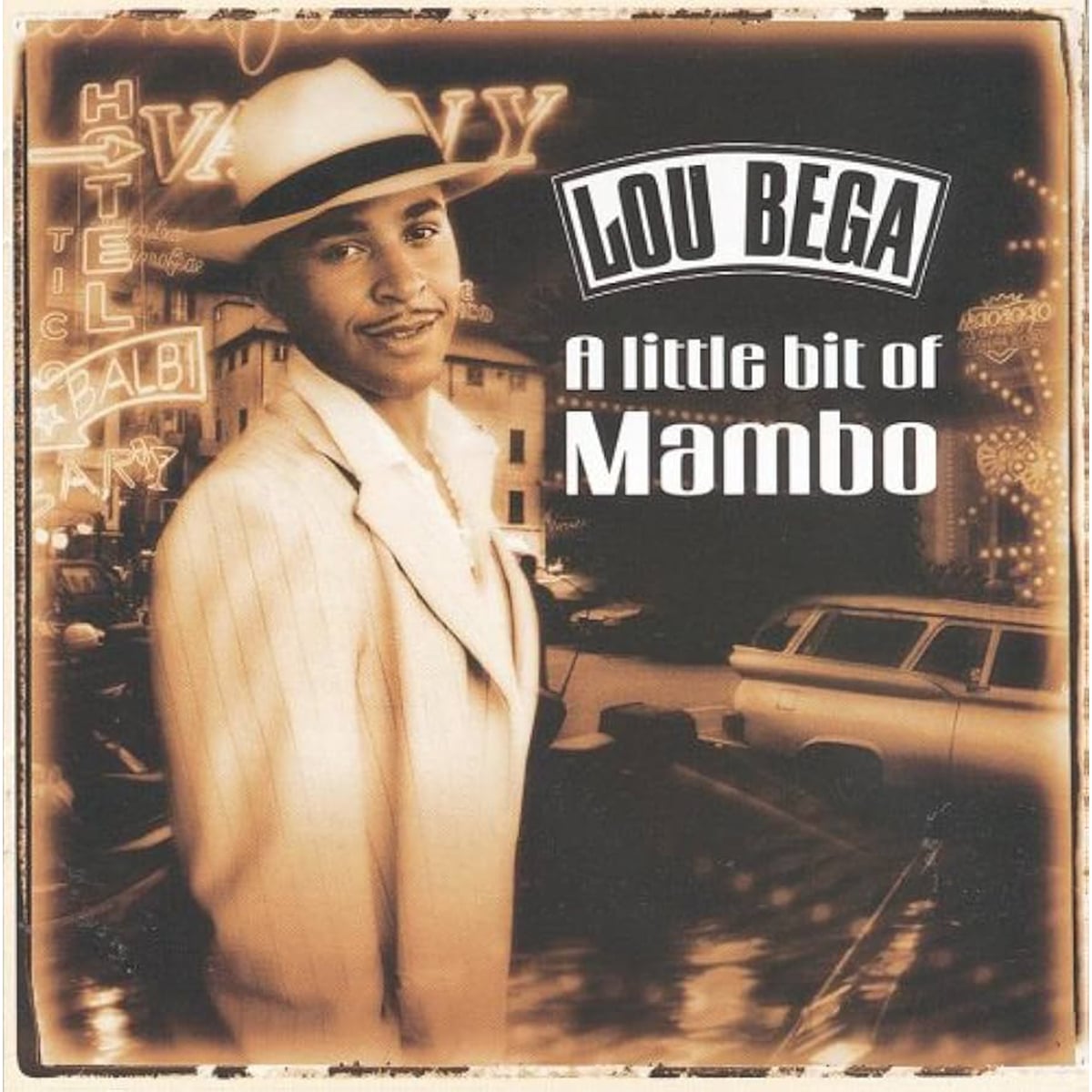
Lou Bager releases A Little Bit of Mambo
‘Mambo No 5’ might be one of the most catchy earworms of all time, but artists like Lou Bager, by and large, represented something far more telling about the state of the industry in 1999.
For one, there was a massive overexposure issue, meaning that pop hitmakers often rose to the top and stayed there for a long time, leaving those with arguably more meaningful material left at the bottom, struggling to keep their head above water.
July
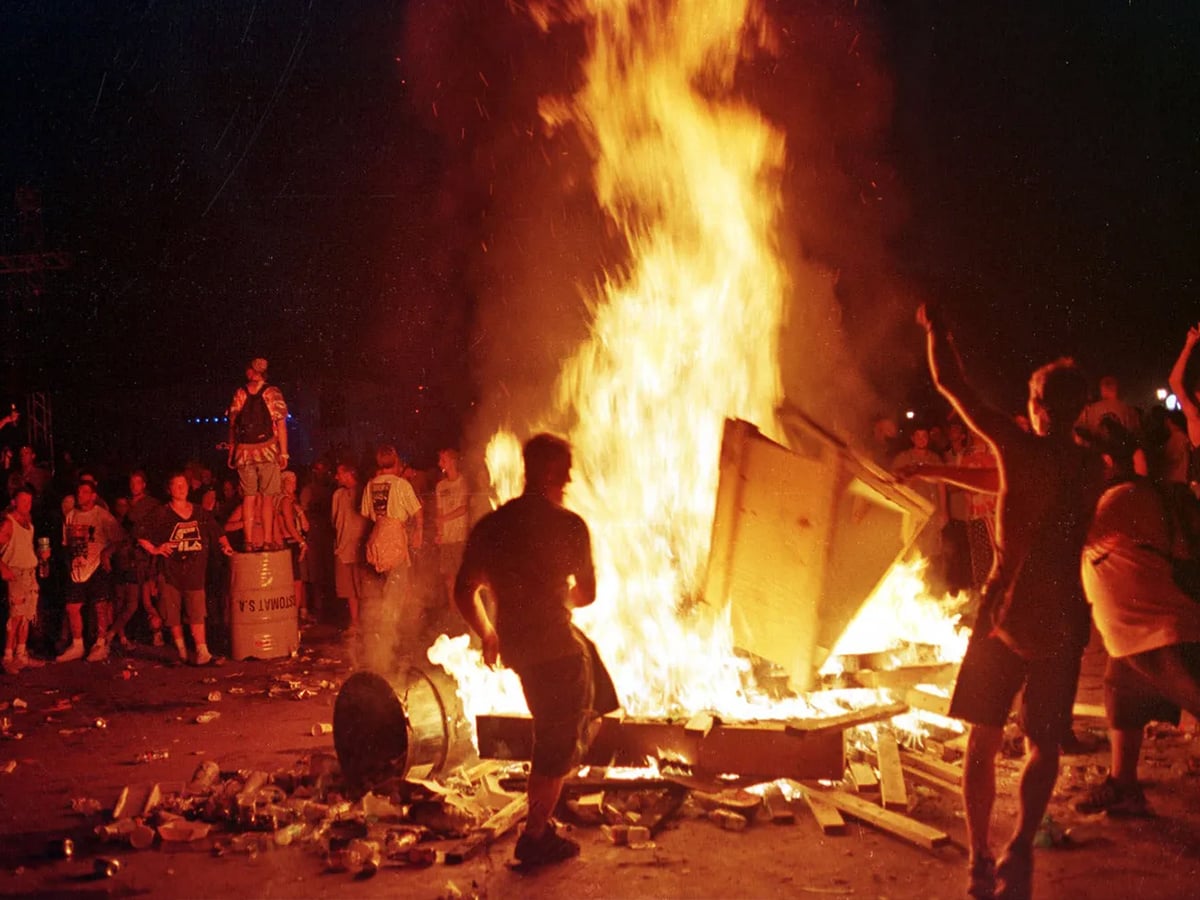
The disaster of Woodstock ‘99
Indended as a worthy echo of the nostalgic peace-and-love atmosphere of Woodstock ’69, Woodstock ’99 served as a cautionary tale of the dark side of the music industry.
The event showed music’s uglier side with chaos, riots, and perhaps worst of all, just how far into the depths of capitalism the industry had fallen to make a quick buck.
September
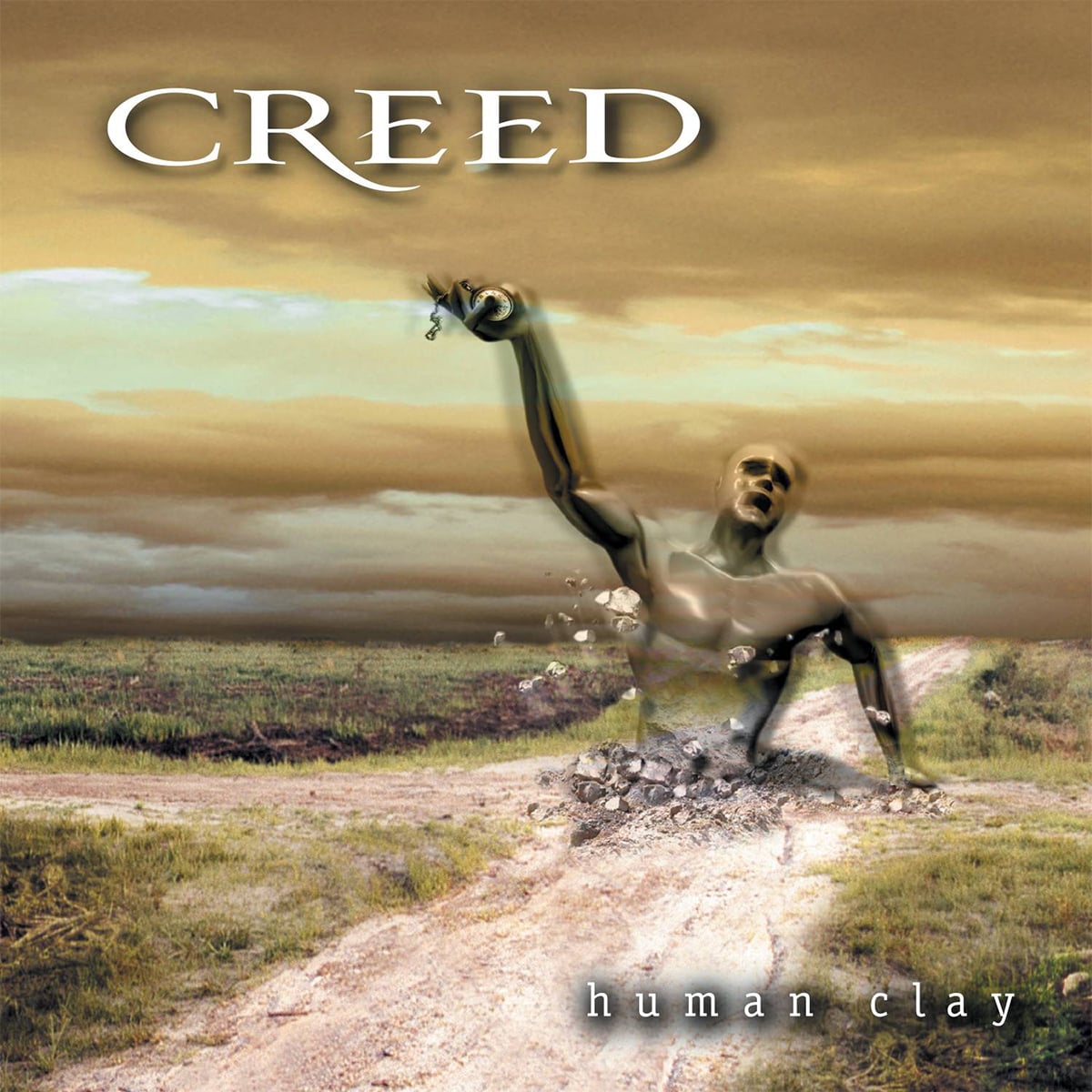
Creed release Human Clay
In the early 1990s, the defiant spirit of grunge had taken rock into a new era, with major players like Nirvana and Soundgarden leading the way.
By the end of the decade, however, this had somehow devolved into bands like Creed, taking the earlier angst of such musical excellence and presenting it as something far more watered down.
November
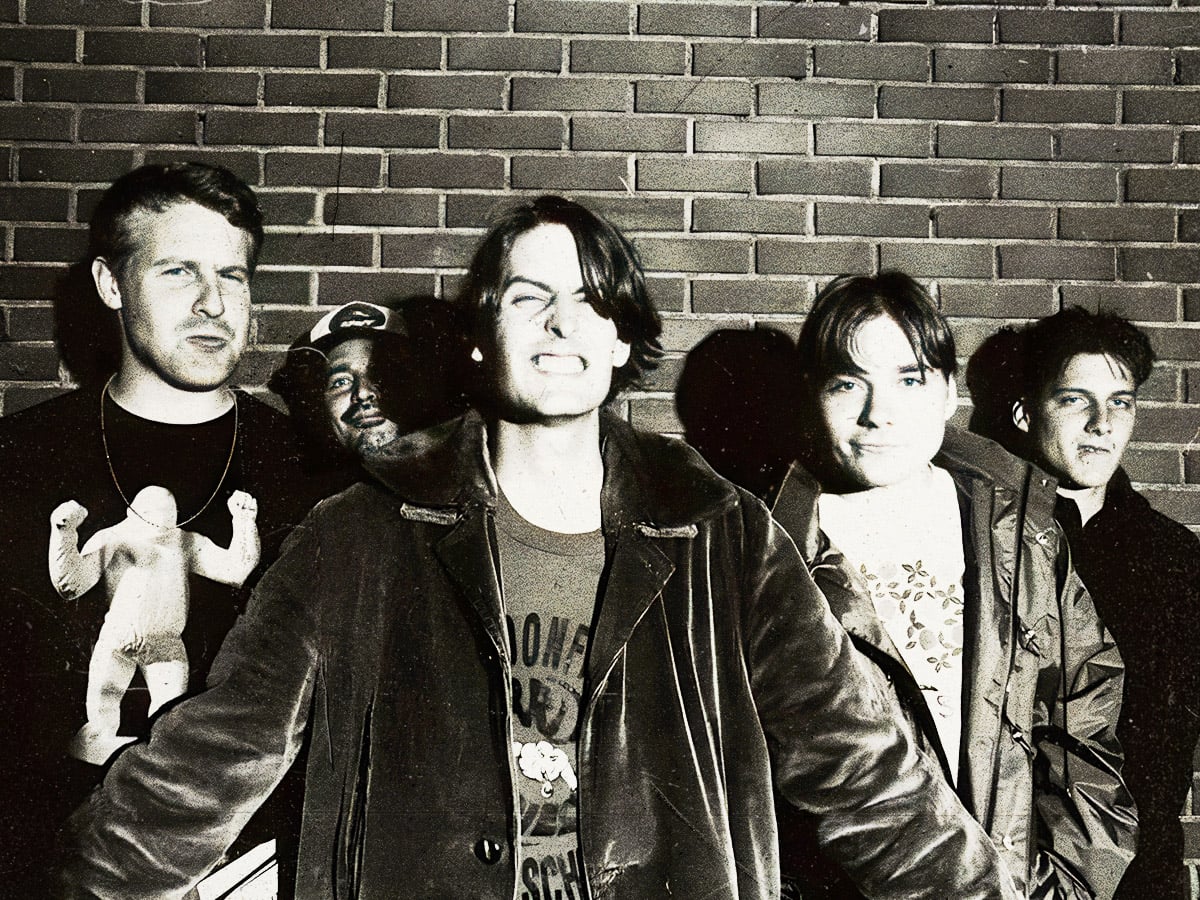
Pavement disband
Of all the ways a band can announce their disbandment, Pavement’s in 1999 was arguably the most dramatic, with Stephen Malkmus handcuffing himself to the microphone during their final show in Brixton to symbolise his entrapment and saying, “We just want to rethink what it means being in a band”.
The slacker-rock movement had emerged as a significant anti-establishment voice, with bands like Pavement fostering a community for all those who’d felt left behind by their own systems. However, in their absence emerged uncertainty about music’s honesty, especially without an overarching leader guiding the way.
