


“I don’t want the world, but I’ll take this city”: the uncomfortable transition from cult success to chart-topping fame

About a year ago, my housemate discovered a song called ‘Red Wine Supernova’ by a little-known pop artist called Chappell Roan. She proceeded to play it to death. In the car, in the kitchen, in the shower, I was constantly and relentlessly subjected to the sounds of the self-described Midwest Princess singing about sex toys and go-go boots at every turn. The overexposure irked me more than anything else, but it wasn’t long before I was converted.
The release of ‘Good Luck, Babe!’ in the spring cemented my love for Roan’s artistry. The song finds her addressing a lover who hadn’t quite yet come to terms with their sexuality over a nostalgic 1980s-style synth soundscape, and it quickly became a major contender for song of the summer. I wasn’t the only one who spent the sunnier months bumping the track in between Brat relistens. ‘Good Luck, Babe!’ put Roan on the pop map.
And as her streams began to rise, increasing 20 times over since the year kicked off, so did the opportunities presented to her. Somewhere between a stunning Tiny Desk performance and a win at the VMA’s, Roan had become one of the biggest stars in the world, experiencing a truly meteoric and equally intimidating transition from budding artist to household name.
She may be the most pronounced and most recent example, but Roan isn’t the only artist who has experienced this kind of overnight fame. This year saw New York City’s indie sleaze darling The Dare turn from cult artist to Charli XCX collaborator, while last year gave us overnight successes The Last Dinner Party, who have been subject to endless criticism and controversy ever since.
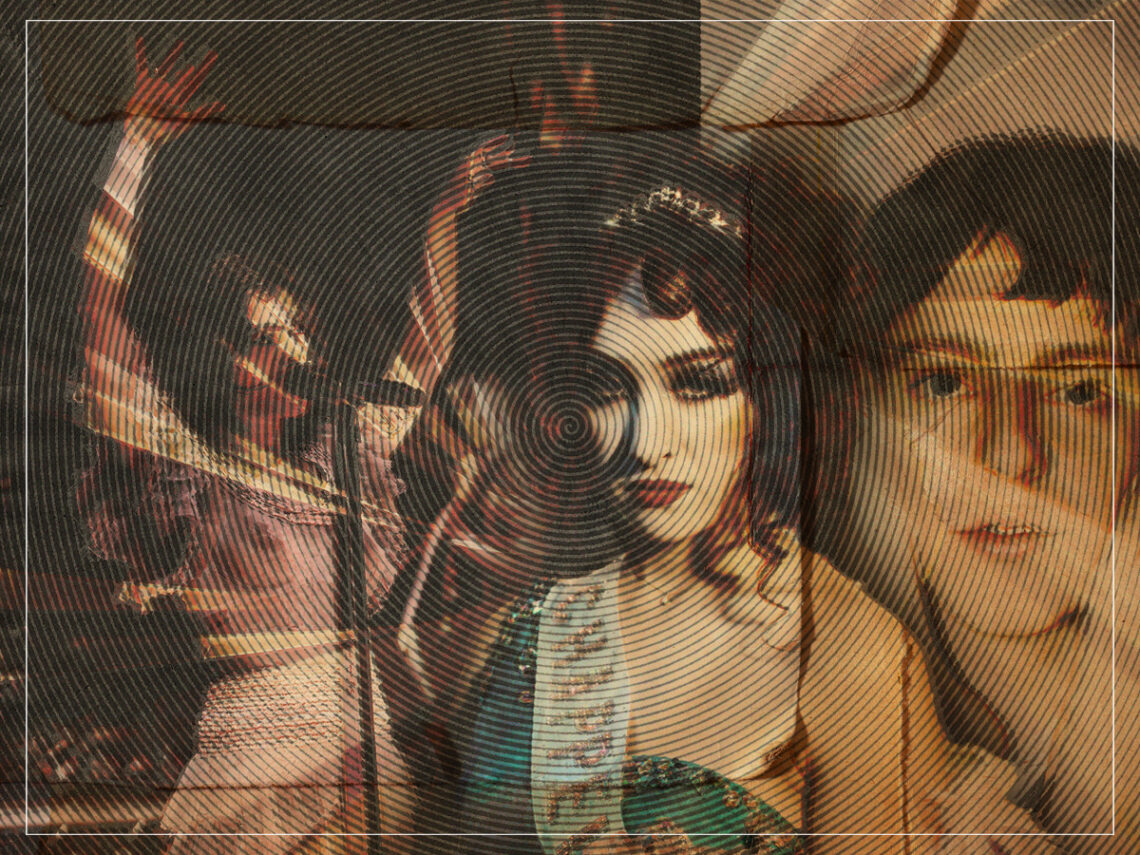
“We’re just going to be the next Fat White Family, and we’re happy with that level,” lead singer Abigail Morris remembered thinking while discussing the trajectory of The Last Dinner Party during an interview with BBC Radio 6. The quote has been widely mocked by Fat White Family fans who dispute any artistic connection between the cult outfit and the art rockers, but it does illustrate the unexpected upheaval induced when cult success becomes global fame.

Playing largely around the Windmill, The Last Dinner Party did seem destined for Fat White Family levels of success when they were starting out. Their art-rock sound and glamorously gothic aesthetic inspired fancy dress live shows for devoted audiences, but now they’re floating around the stages of O2 Academies rather than squeezing into cult venues. The same could be said for Roan. This level of success, which few artists expect to achieve, can lead people to treat you in strange ways.
Social media has allowed audiences behind the scenes of the artists they love, a previously unseen glimpse into their dressing rooms and private lives. It has endeared celebrities to us further, increasing their success and even, sometimes, enhancing their artistry, but it also creates a level of familiarity that simply isn’t there. It creates the kind of parasocial relationship that leads fans to approach musicians on the street as if they owe them something, that leads them to brazenly criticise any missteps, artistic or otherwise, and that leads artists to struggle so much with their newfound fame.
Roan has been particularly outspoken about her difficulties settling into the popstar role, even admitting to her discomfort to a live audience on-stage. “I just want to be honest with the crowd. I just feel a little off today,” she admitted mid-show in Raleigh, North Carolina, “I think my career is just kind of going really fast, and it’s really hard to keep up. I’m just being honest. I’m having a hard time today.”
Since then, Roan has spoken about demanding fan interactions, hired security after a stalker incident, and most recently pulled out of a couple of shows to focus on her health. Criticism has been mounting around the singer, but her responses seem entirely justified. Any one of us, placed in her situation, would find the pace and intensity of pop stardom overwhelming, and her outspokenness about the issue has been refreshing.
To see Roan on stage, admitting that she’s struggling to perform amidst the intensity of her rise to fame, is a stark reminder that many musicians aren’t ready for this kind of lifestyle change. It’s easier than ever to find global success, to go TikTok viral from the comfort of your own bedroom, and then to struggle to reckon with the consequences from that same lonely spot. Expecting to find a loyal but small audience and instead collecting more fans than you can feasibly imagine is a shock to the system.

The responsibility of care for these artists lies partly in the hands of us the audience. Responses to Roan’s decision to cancel shows and her reluctance to interact with over-familiar fans on the street have been mixed, with some criticising her while others take a more understanding approach. The former reaction seems to have been birthed from the strange fan culture that we’ve cultivated, from the entitlement it breeds.
As more artists like Roan put these boundaries in place and use their platforms to speak about the disorienting effects of fame, fans should heed their words rather than reject them. But it’s not just listeners who should be looking out for artists. Teams behind the scenes need to be looking out for overnight stars, providing them with the right support to deal with fast fame. As this trajectory to worldwide stardom becomes more common, procedures need to be put in place to ensure that artists are able to grapple with their new lifestyles to cushion the unnerving transition from cult success to worldwide acclaim.
It’s exciting to see these artistically driven musicians pushing beyond the boundaries of grassroots venues and cult followings into the mainstream. Roan is one of the most exciting artists in pop, pulling from drag culture and using her platform to detail the experiences of girls who like girls. She’s exactly the kind of artist we’ve all been hoping to succeed, rising up the ranks of festival posters in a manner that few new musicians have been able to, but she’s being stifled by the very industry that surrounds her.
If we want these new, exciting artists to succeed, to see their names at the top of the bill, and to change the parameters of stale genres, we also need to consider the effects of fame on their mental health and well-being. Fandom culture needs to change from entitlement to encouragement, from cutthroat to caring, and labels need to look out for the artists they sign.
On her track ‘Hot To Go!’, Roan sings, “I don’t want the world, but I’ll take this city.” She’s talking to a potential lover rather than commenting on the perils of fame, but her words seem apt nonetheless. Some artists crave a city and end up with an entire world of fans, often a worthy but overwhelming and unwelcome difference in attention. With the right care and changing culture, hopefully, new artists can navigate this change a little more comfortably.
