


1984: A timeline of one of the greatest years in music history

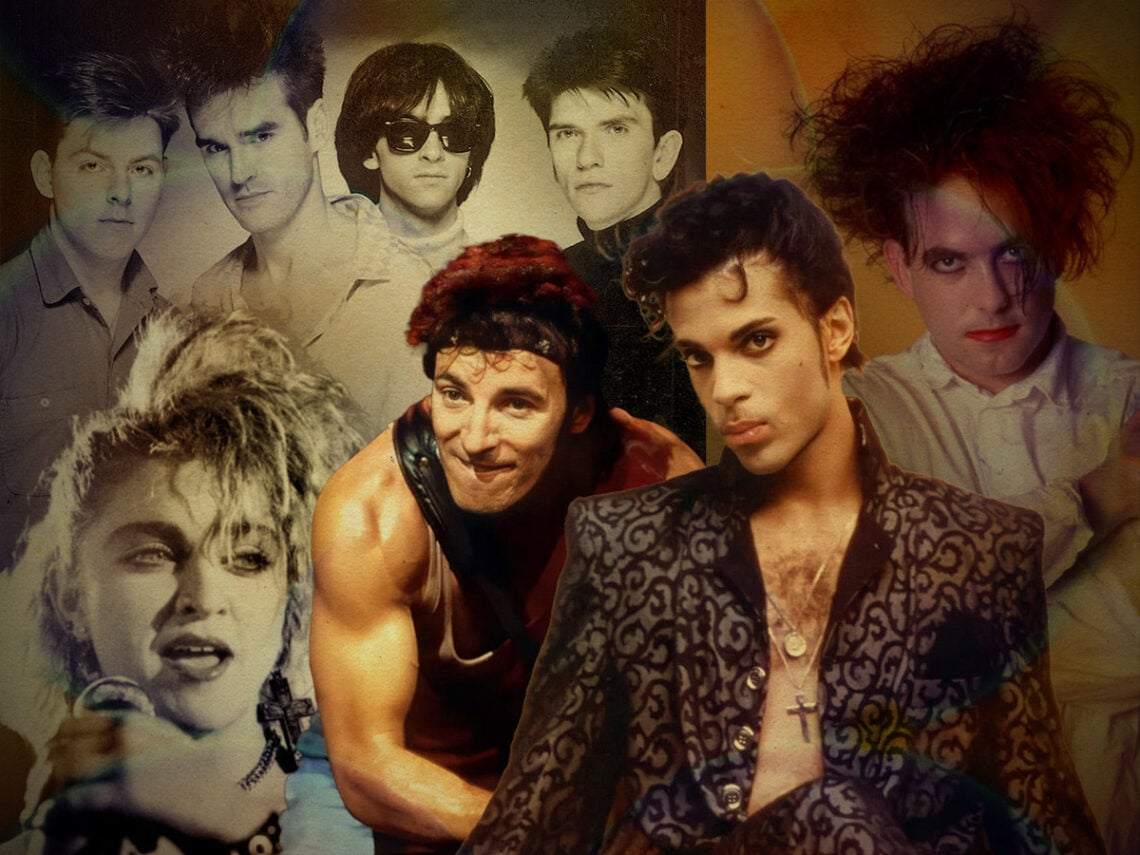
1984 was one of the most unpredictable years for music, for several reasons. In that strange, anything-could-happen mid-decade juncture, certain genres were becoming exhausted, while others were appearing in the ring, some merely fads, others introducing a type of innovation that kicked back against society’s bigger, era-defining struggles.
If the 1970s were branded as the hangover of the 1960s, then the 1980s certainly presented something more sure of itself, replacing that unsettling paranoia and uncertainty with a different kind of confidence that mocked anything that failed to deliver on its promise. Much like how 20 years earlier, 1964 proved to be the pinnacle of the ‘60s, 1984 also stood proudly as a bastion of unity in times of trouble.
After all, there was plenty to fear in 1984. The AIDS epidemic was emerging during Margaret Thatcher’s reign, pushing many queer people to seek safety, solidarity and a sense of belonging wherever they could find it. For many, that place was music. Through their work, a generation of artistic trailblazers helped marginalised communities feel seen and empowered, embracing flamboyant and unapologetic personas that sent a clear message: being LGBTQ+, or standing alongside those who were, was nothing to be ashamed of.
Elsewhere, bands like Duran Duran, Depeche Mode and The Cars continued to pioneer the new wave boom, revolutionising the emergence of new tech with synthesiser-heavy arrangements and catchy hooks. Across the board, it was all about diversity, escapism, fun, and storytelling, with something for everyone, even when it didn’t always feel like everybody had space to simply exist.
A timeline of music in 1984:
February 13th
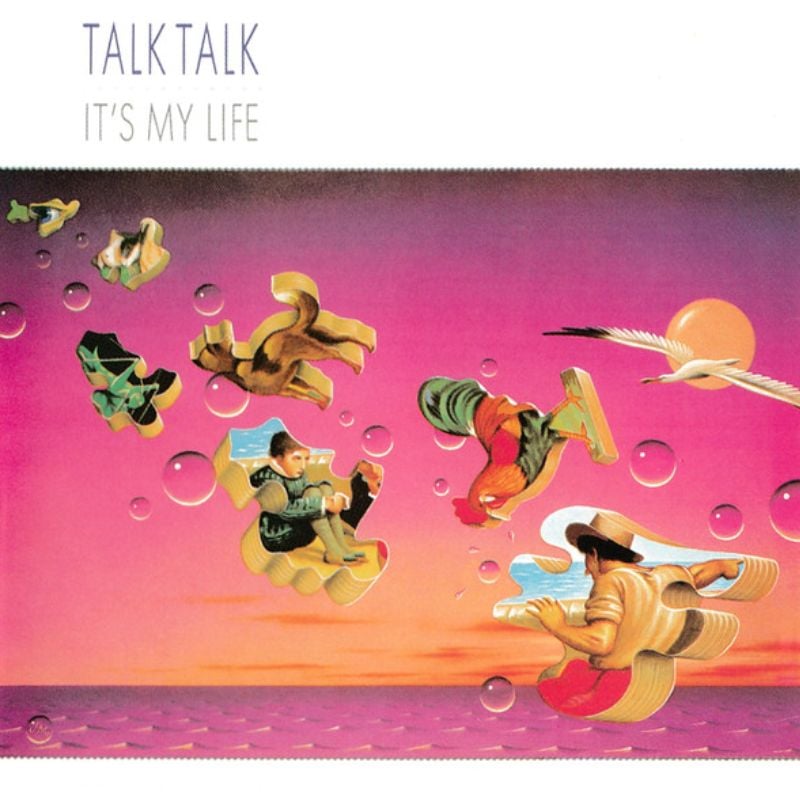
Talk Talk – It’s My Life
In 1984, there was something especially satisfying about belting out the words, “It’s my life, don’t you forget!”
During this year, many bands were starting to take more of a stand, both against the industry and bigger issues rooted deeply in society. It’s My Life was an art-pop triumph, pushing typical synthesiser-led artistic barriers with music that was actually meaningful.
February 20th

The Smiths – The Smiths
A major turning point in alt rock, The Smiths offered a different perspective from the upbeat pop melodies in other mainstream spaces, holding up a mirror to society while also poking fun at it.
It also proved that music didn’t have to be wild or in-your-face to kick back, it just had to have intellectual charm and wit, and that was enough to get people to listen and go along for the ride.
April 9th
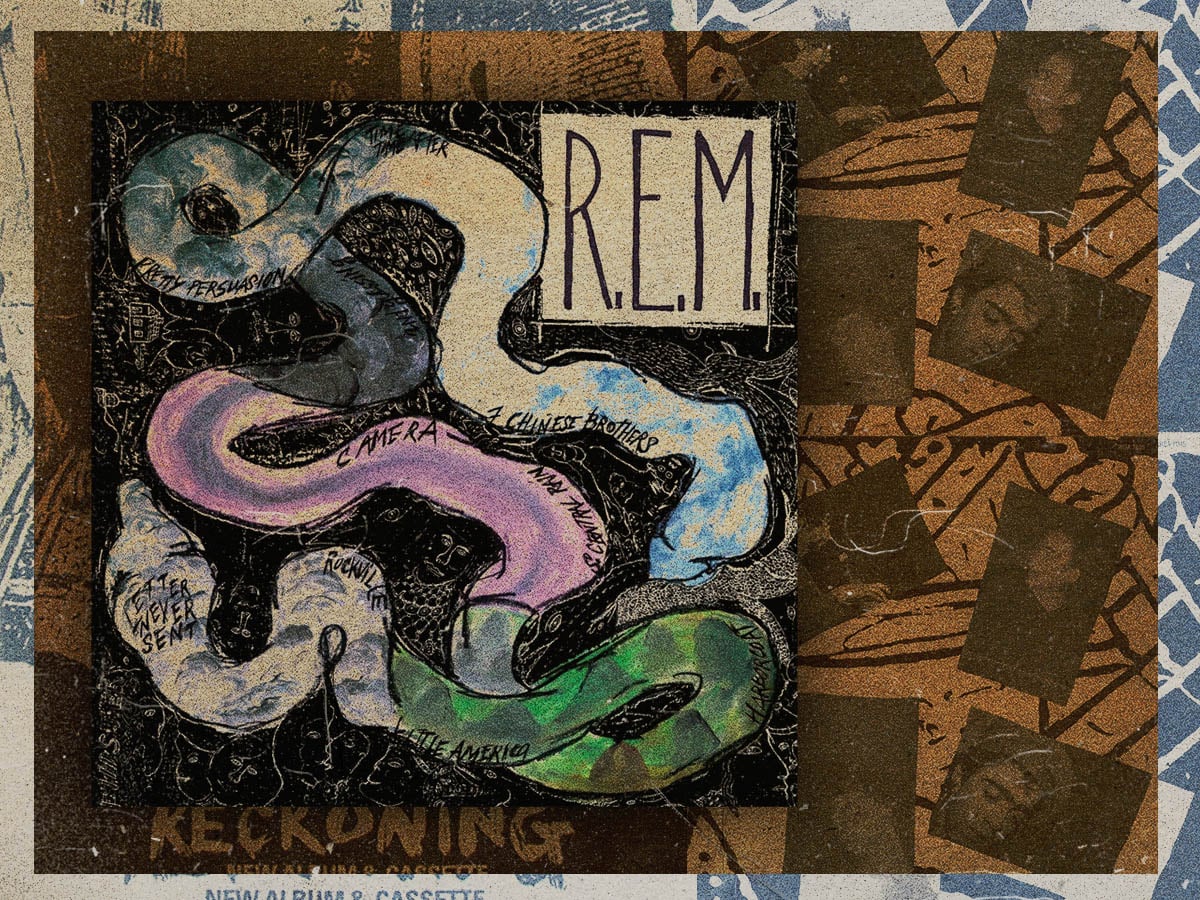
REM – Reckoning
In 1984, REM were in a strange position. The success of their debut, Murmur, left people wondering if their achievements were a one-time thing, and whether any follow-up would carry even a fraction of the same charm and lasting appeal.
Reckoning, however, was as much an indicator of their forthcoming longevity as any, providing the foundational groundwork for countless bands of the burgeoning post-punk scene.
May 4th
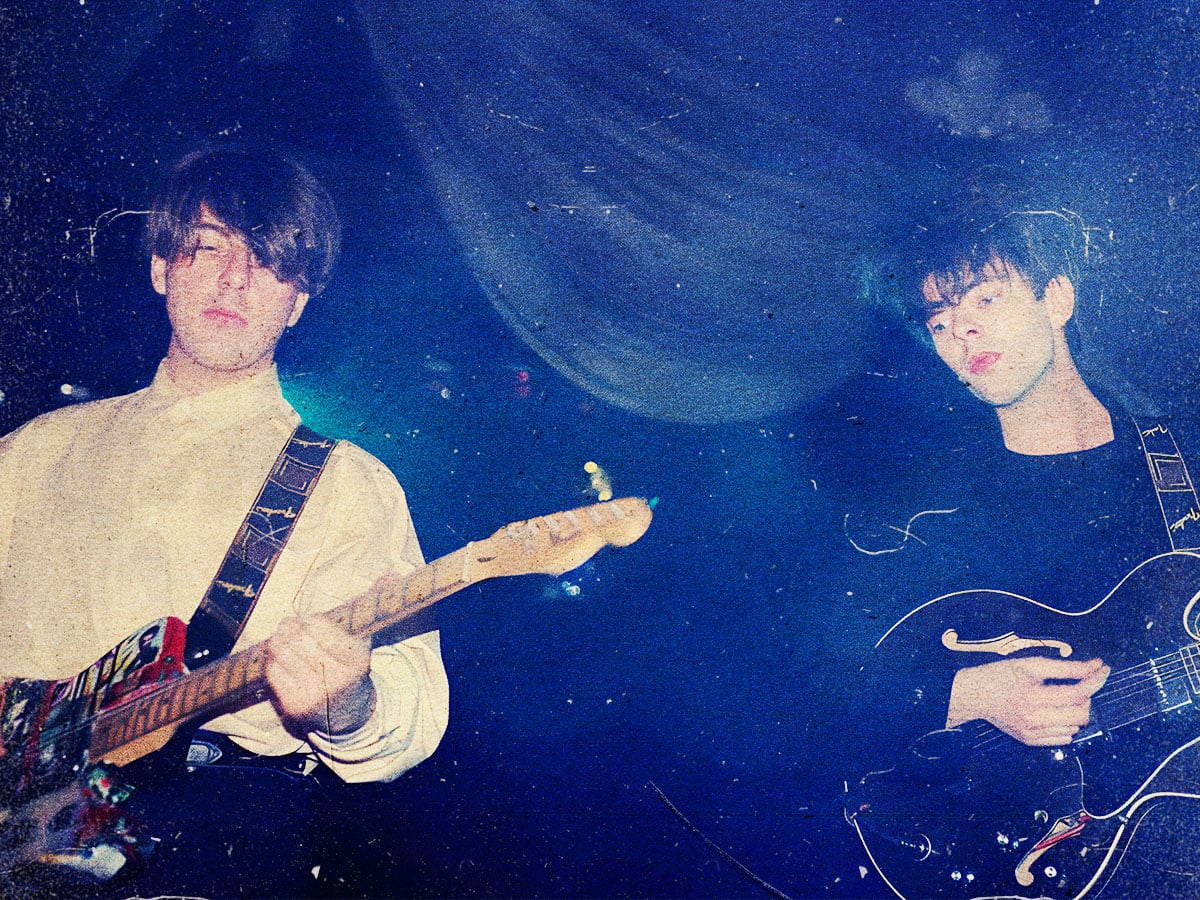
Echo & the Bunnymen – Ocean Rain
A masterpiece in its own right, Ocean Rain is rife with poetic flair, giving an edge to the 1984 rock scene that also hinged on gothic romanticism.
Its shining star, ‘The Killing Moon’, proved the utter genius of Ian McCulloch, the idea for which was so good that he felt it might have been gifted from god himself.
As he once said, “When I sing ‘The Killing Moon’, I know there isn’t a band in the world who’s got a song anywhere near that.”
May 4th
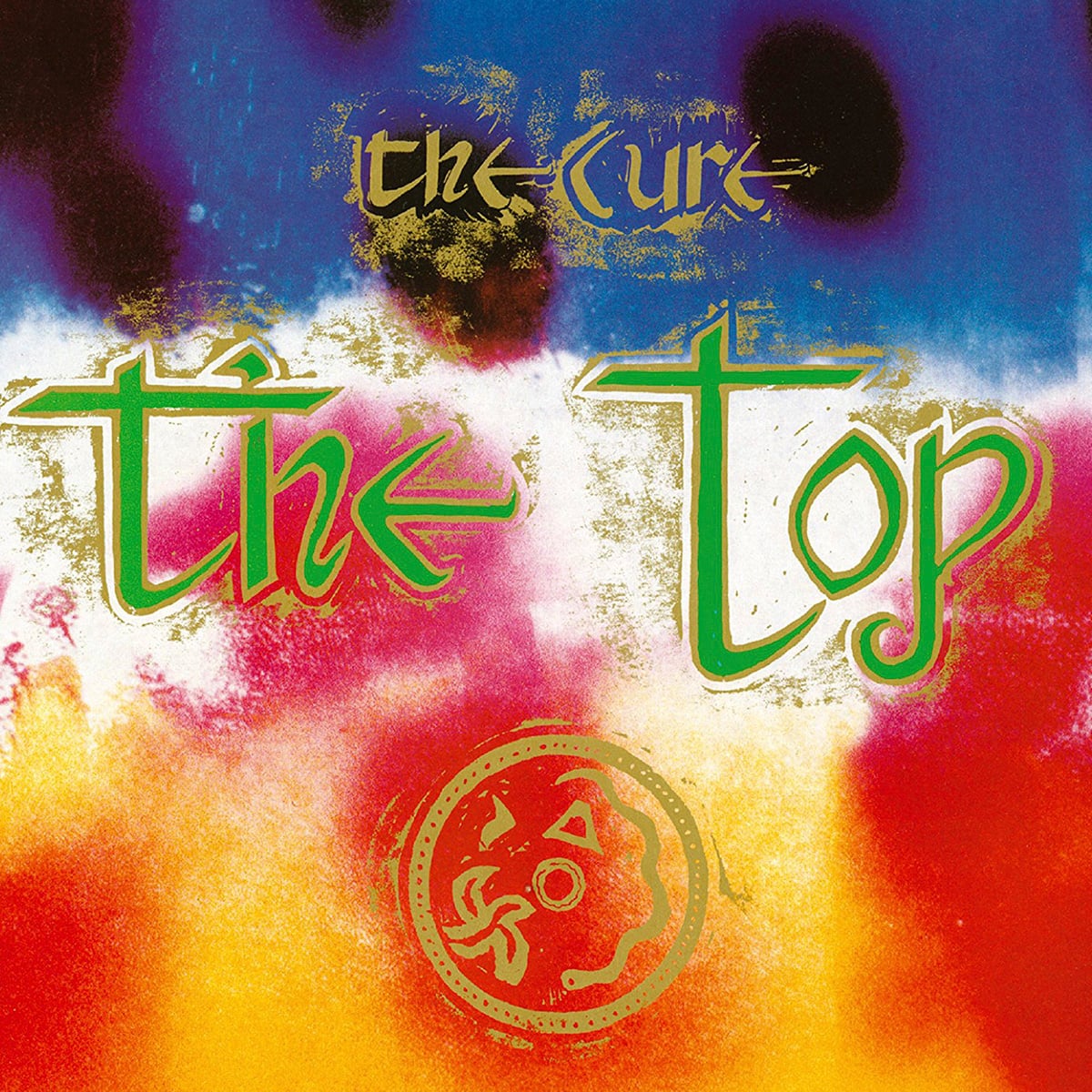
The Cure – The Top
One of The Cure’s more overlooked gems, The Top was perhaps one of the most significant turning points in their trajectory, presenting a divergence from their previous sound and into more pop-leaning territory.
While Pornography has since become one of the band’s career-defining albums, The Top marked a shift from one of the darkest periods in Robert Smith’s life, with music that was more fun and easygoing.
June 4th
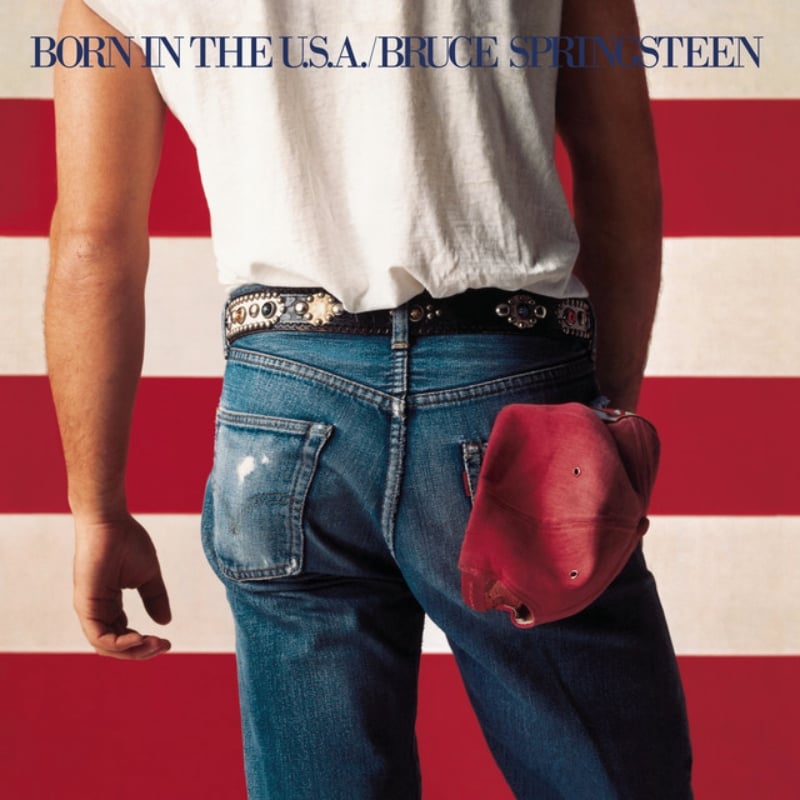
Bruce Springsteen – Born in the USA
A record that quite literally needs to introduction, Born in the USA was a surprise hit, setting a new standard for political rumination in music and the ways such musings can be misinterpreted in more ways than one.
As Sprinsteen later reflected, “Born in the USA changed my life, gave me my largest audience, forced me to think harder about the way I presented my music, and set me briefly at the centre of the pop world.”
June 25th

Prince – Purple Rain
When Tipper Gore picked up a copy of Purple Rain for her 11-year-old daughter and heard the lyrics to ‘Darling Nikki’, she was positively appalled.
Her outrage led to a broader debate about censorship in music, eventually sparking the launch of the famous ‘Parental Advisory’ label on music releases.
July 17th
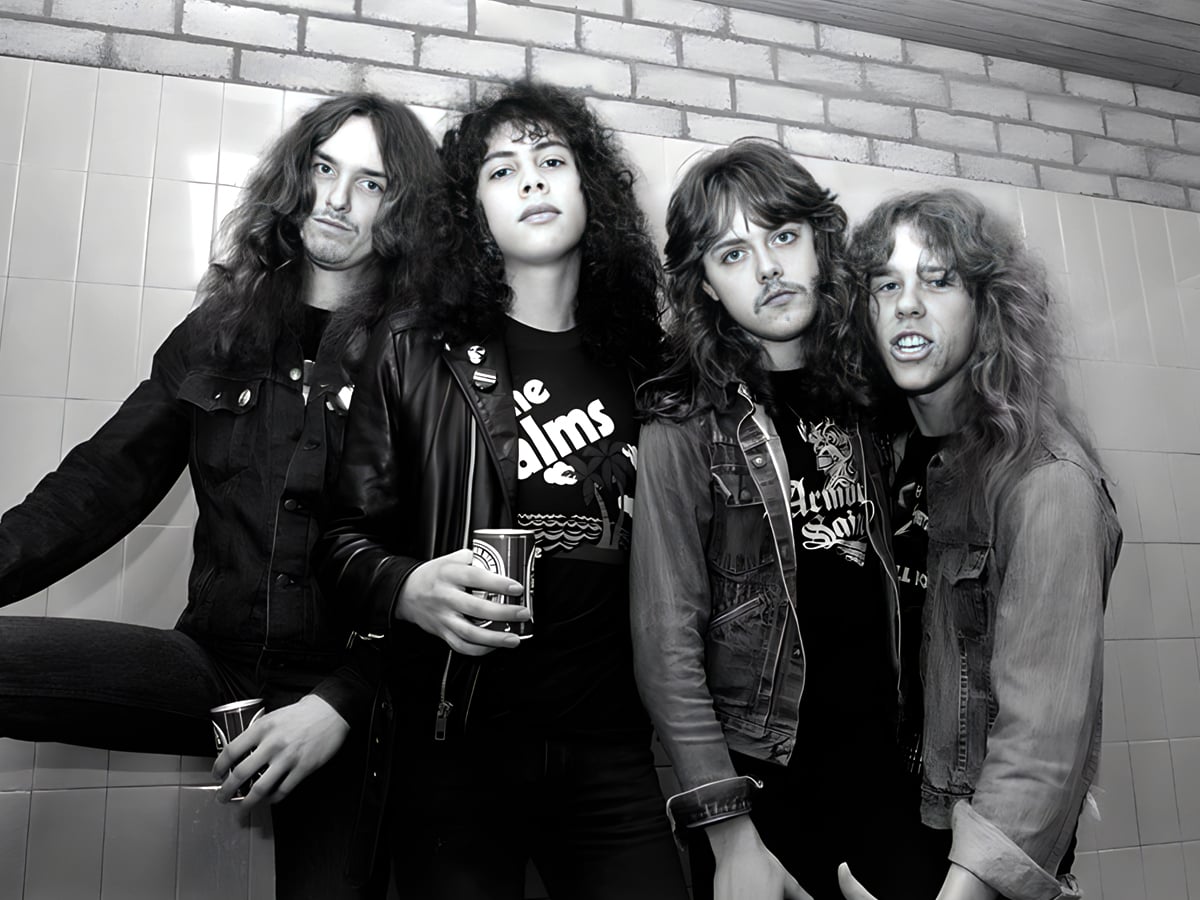
Metallica – Ride the Lightning
Labelled as one of heavy metal’s greatest records, Ride the Lightning was unlike the familiar thrash style Metallica pioneered with their debut.
This time around, the band adopted more complex arrangements and structures and tackled darker themes, reflecting the broader paranoia and uncertainty felt by much of their community at the time.
October 15th
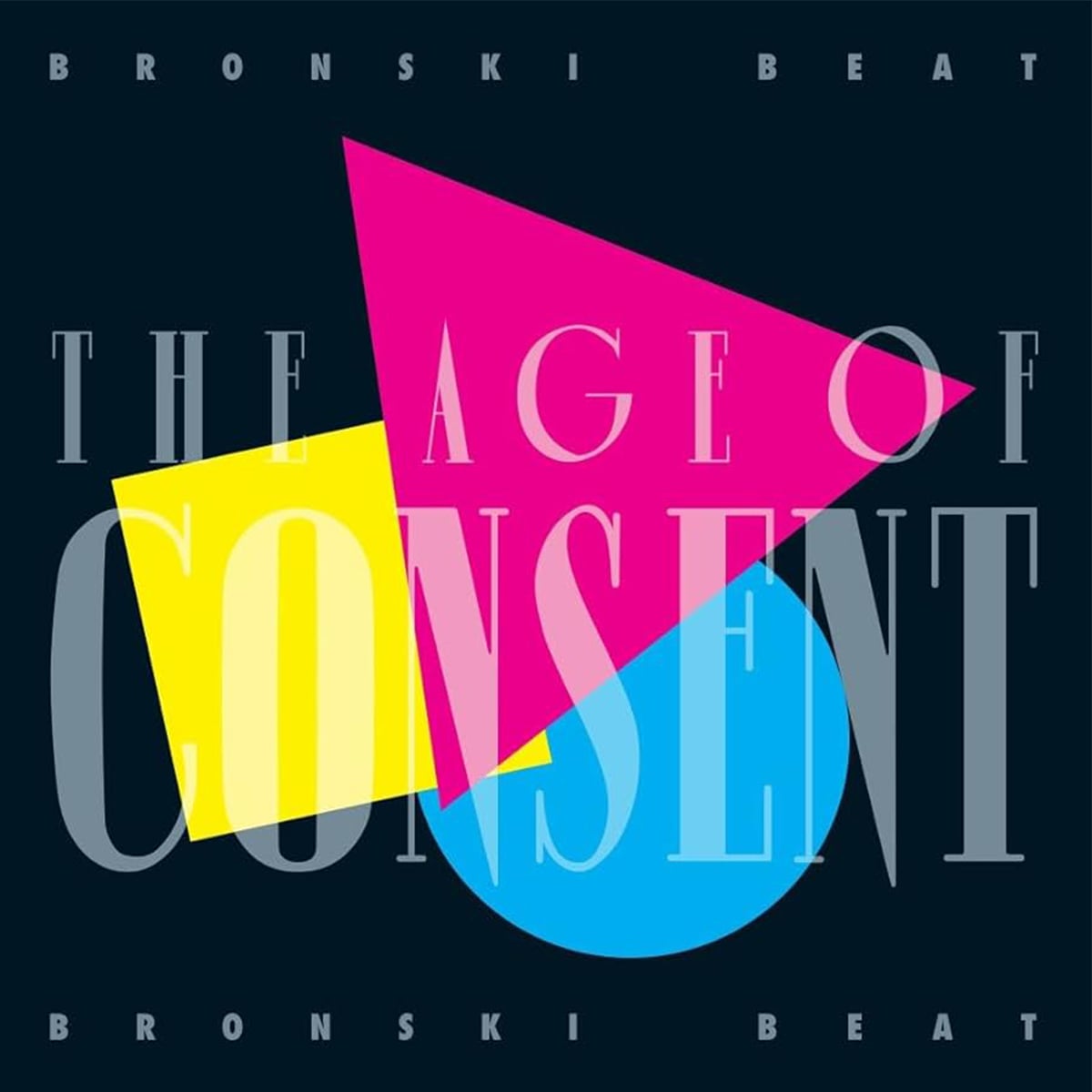
Bronski Beat – The Age of Consent
Perhaps one of the most important releases of the entire era, Bronski Beat’s The Age of Consent was a call to arms, a kick back against anti-LGBTQ+ discourse and a proud stand against queer hate.
There was a lot to be angry about in the queer community in the 1980s, and music like The Age of Consent helped people to feel heard and hopeful.
October 29th
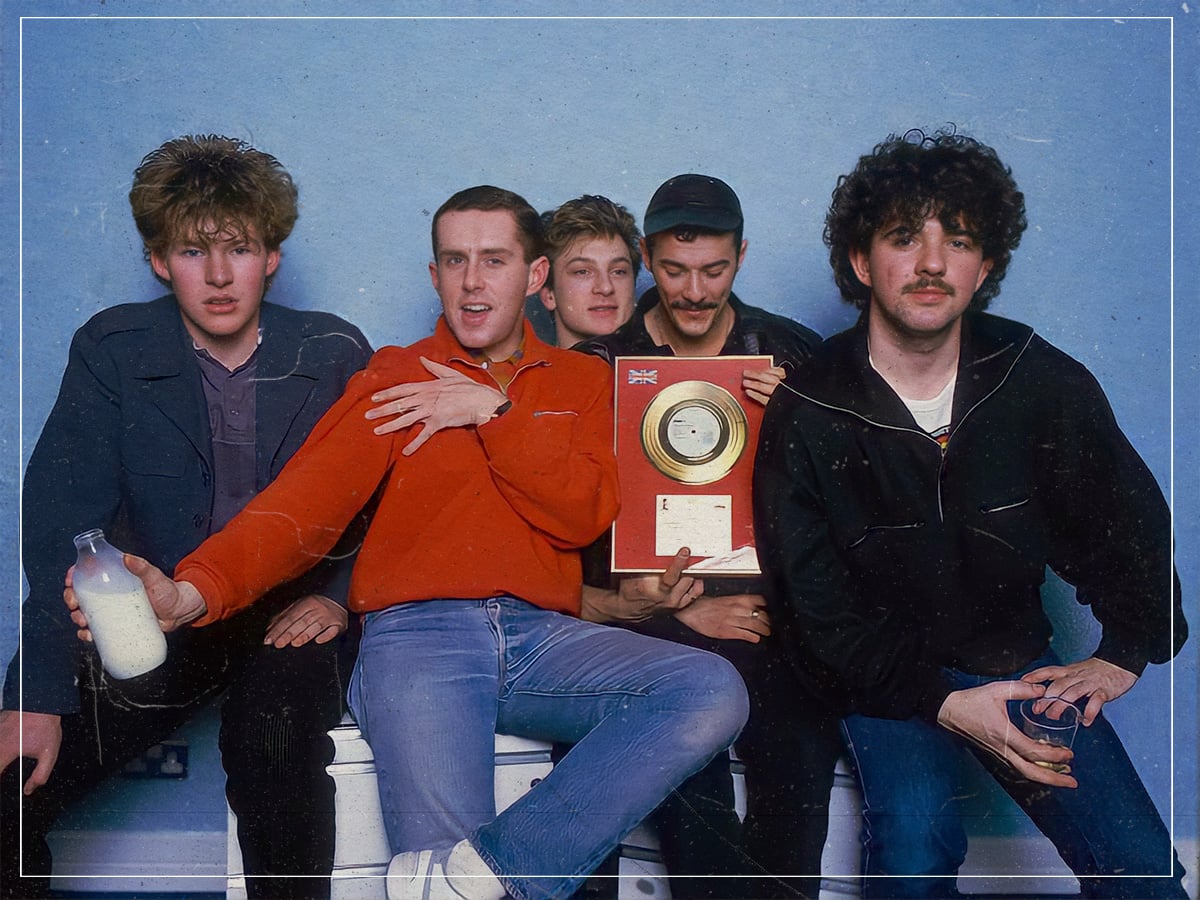
Frankie Goes to Hollywood – Welcome to the Pleasuredome
At the same time, Holly Johnson and Paul Rutherford emerged as empowering figures in their own right, not only as some of the first openly gay musicians to have such immense charting success but as musicians who pioneered a mix of styles and brought an entire community together.
‘Relax’ was also banned by the BBC, turning it into an anthem of defiance and resilience and challenging broader discrimination.
November 12th
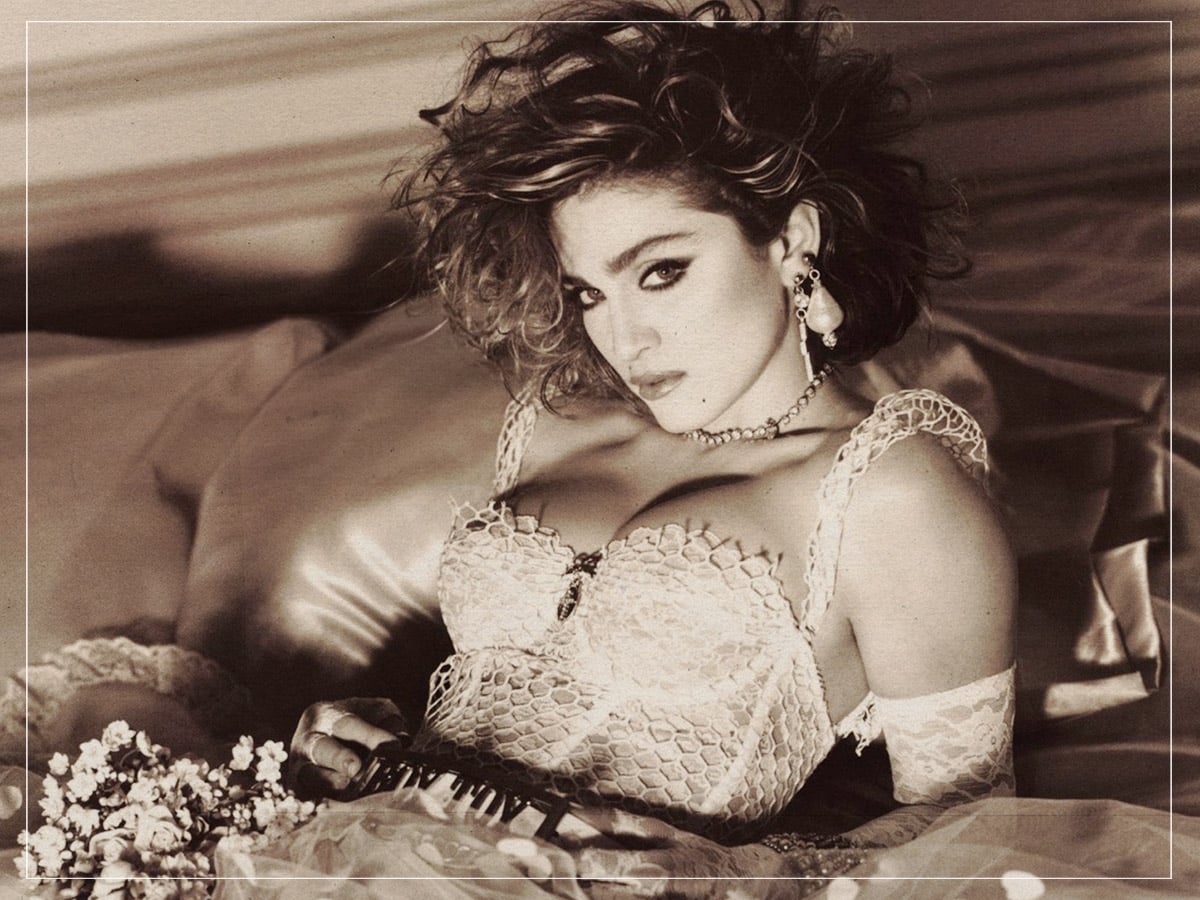
Madonna – Like a Virgin
Madonna has had one of the toughest journeys in pop music history, and Like a Virgin propelled her into the mainstream stratosphere, turning her into a real trailblazer who wasn’t afraid to ruffle a few feathers in the name of art.
As an artist, she also pushed herself in ways she hadn’t before, ensuring that whatever she did next would earn a new level of respectability. As she put it, “Like a Virgin is a much harder album, much more aggressive than the first. The songs on that were pretty weak. On this one, I’ve chosen all the songs, and I want them to be all hits. No fillers.”
