


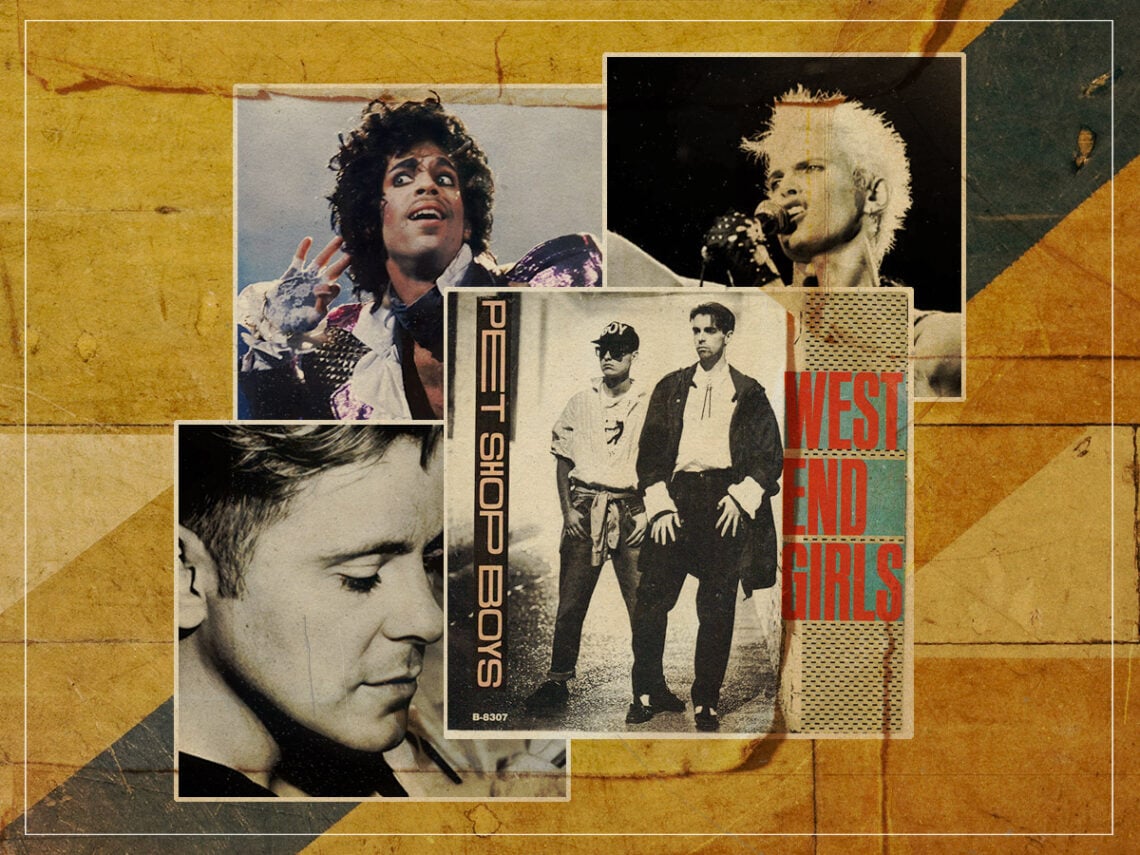
Five best new wave songs released as singles in 1984

The tinny melodies of synths and riffing electric strings can only mean one thing—it’s new wave time. The genre that defined much of the late 1970s and early 1980s made a permanent imprint on the modern foundations of pop music, giving birth to some of the best-loved artists and songs not only of the era but of all time.
The sonic surf created a kaleidoscope of colour for the pop and rock worlds, that not only defined the era but has transcended into every aspect of the sonic canon ever since. From its origins rooted in punk to the lightest notes of its sparkling melodies, new wave was all-encompassing but equally hitting the cultural zeitgeist on the head in terms of paying homage to the past yet also looking to the future.
From classic acts of eras gone by like David Bowie and Fleetwood Mac, to those who came to the fore at the height of the genre, what marked new wave different from the rest was its ability to include every type of artist from all walks of the sonic landscape. What also contributed a huge factor was the dawn of MTV at the time, meaning that songs were now committed to both sound and video, making the power of technology a stronghold in music forevermore.
At the peak of the period was the seminal year of 1984, nearing the midpoint of the decade, where big dreams and even bigger hair were reaching their full height, and the art of the music video was being fully mastered after the launch of MTV three years prior. It was the quintessential time of the new wave, and as such, here we count down five of the best singles from the genre, hailing from that special year four decades ago.
Five best new wave singles from 1984
‘When Doves Cry’ – Prince

If aliens came to Earth and asked you to name the best music artists of all time, Prince would inevitably get a place on the illustrious lineup. Within that, ‘When Doves Cry’ is a firm contender for being among the best of the best. Lead single from the legendary album Purple Rain, despite its iconic status, it was actually a late addition to the bill.
Seeking a last-minute song to fit on the film soundtrack of the same name, Prince casually knocked this one out overnight—and never looked back. When the song was released, it spent five weeks at number one, marking Prince’s first ride at the top, and became the best-selling American single of the year.
‘Thieves Like Us’ – New Order

Taking the crown for possibly the longest introduction to a song in all history—taking up over a third of its six-minute span—if you need a crash course in quintessential new wave sound, ‘Thieves Like Us’ by New Order is the song for you. An explosion of synth riff, pacy bass, and commanding electric guitar, it sounds like one of those stereotypical life-affirming ‘ride off into the sunset end credit’ tunes.
What makes it slightly hilarious—and genius, I suppose—is when you realise that it has some of the most depressing lyrics you’ll probably ever hear. Frontman Bernard Summer sings: “I’ve watched your face for a long time/ It’s always the same/ I’ve studied the cracks and the wrinkles/ You were always so vain/ Well, now you live your life like a shadow/ In the pouring rain”. Turning bleakness into brilliance.
‘Eyes Without a Face’ – Billy Idol

In many ways, the legacy of new wave and the place it still holds in current music consumption habits is exemplified in Billy Idol’s ‘Eyes Without a Face’. Grab any teenager and play them this song—they might not know its name or the artist behind it, but they will most certainly be familiar with its opening line as it’s been a viral sound on TikTok for a decent chunk of time. Say what you like about the current state of the music industry and its subservience to the social media platform, but it does have this amazing ability to thrust classic tunes back into the spotlight long after their first rodeo.
Forty years on from its release, there’s still something so striking about Idol’s maudlin vocal—it’s similarly as downtrodden as New Order’s, but this time we see that reflected in the slow tempo synths, only injected to life by a shocking rile of guitar at the song’s climax. It’s new wave by a markedly less upbeat style, but it’s still among the best.
‘West End Girls’ – Pet Shop Boys

As I write this, I realise there’s a theme running here—what was it about the new wave that had everyone so depressed? “Sometimes you’re better off dead”, the Pet Shop Boys inform us in the opening seconds of ‘West End Girls’. Cheers, guys. Dire messages aside, there’s no denying that the music of the Pet Shop Boys defines not only new wave but its specific ‘80s place in time.
Yet even decades on, it holds that remarkable attribute of perfectly reflecting the space it found itself in while still sounding so effortlessly cool. Challenge anyone who doesn’t like the Pet Shop Boys, because guaranteed any current popstar’s sound can be traced back to the iconic Chelsea duo breaking through the airwaves.
‘Dancing in the Dark’ – Bruce Springsteen

Finally, you couldn’t compile any list relating to the ‘80s without the Boss somehow sneaking in. Bruce Springsteen’s image may be that of your stereotypical old guy guitarhead these days, but his height at the peak of new wave back in the day will never be forgotten. After all, it was the era that produced his most famous ‘song—’Dancing in the Dark’ spent four weeks at number two in the American charts, coincidentally pipped to the post by Prince’s ‘When Doves Cry’.
There must be something about music icons and their ability to bash out megahits at the 11th hour, because Springsteen, too, like Prince, wrote the song in the space of one evening, purely due to the fact that he needed another single to put on the album. Well, the rush job paid off as it became his biggest ever success—and the rest, they say, is history.
