


Scandals, sexuality, and dismantling the establishment: the story of 1984 in music

If 1983 was the year pop music lost its mind, then 1984 was when it soared to its pinnacle. It was a year of extravagant hits like we’ve never seen before. Yet, beneath the surface, whispers of even greater things were stirring in the music world. It felt like music was on the brink of a breakthrough, and many key players weren’t ready to concede without a battle.
In that peculiar mid-decade juncture, we’ve either come to expect an array of sleeper hits or outright flops. However, history has shown that we also embrace the magnificence it can bring. Gone is the disquieting paranoia of the dawning of the decade; we’re now firmly settled into the era, ready to fully immerse ourselves, and 1984 exemplified just that. In fact, akin to how 1964 epitomised the British Invasion, 1984 stands as the pinnacle of the era.
At its core, 1984 promised a widespread dismantling of the establishment. As the nation very much continued its attempt at staying afloat amid Margaret Thatcher’s reign, the AIDS crisis began to emerge, and music became a necessary platform and spotlight for talent and solidarity. Through the art form, many trailblazers emerged, occupying the extraordinarily brave role of charging the LGBTQ+ community forward during a time when support and acceptance were at an all-time low.
Even if acts weren’t “openly” gay, queerness became a dominant force in music, with acts like Bronski Beat, Depeche Mode, Prince, Elton John, Queen, David Bowie, Eurythmics, and many more challenging the status quo. Expressionism in music wasn’t a new phenomenon, but the importance of boundary-pushing became increasingly significant as musicians grew less afraid of flaunting flamboyance.
1984 seems like a haze, one as beautiful as it was tragic. Synth-pop and the alternative music scene started to veer into darker territory with the onset of the miner’s strikes and Thatcherism grinding industries to a halt. Post-punk and rock bands like The Smiths embraced misery as a poignant art form, while others like Queen and songs like ‘I Want To Break Free’ attempted to communicate the power of self-love in a broken world.
The lead single off Depeche Mode’s fourth album Some Great Reward, ‘People Are People’, played into the year’s cry for greater tolerance as many battled systemic racism and war. The song is regarded by many now as a tool for speaking out against homophobia and transphobia, which also aligns well with the wider, burgeoning anti-hate movement of the 1980s.
Bronski Beat also championed this mindset with ‘Smalltown Boy’, a song that has seen numerous comebacks over the years thanks to its incredibly catchy tune and impactful message. Similarly, Prince’s ‘When Doves Cry’ stands out for its unique arrangement, lacking a bass line, which was unconventional for its era. With the piece, Prince showcased his continued sophistication and relatability as a songwriter, delving into profound topics like tumultuous relationships that resonated with many.
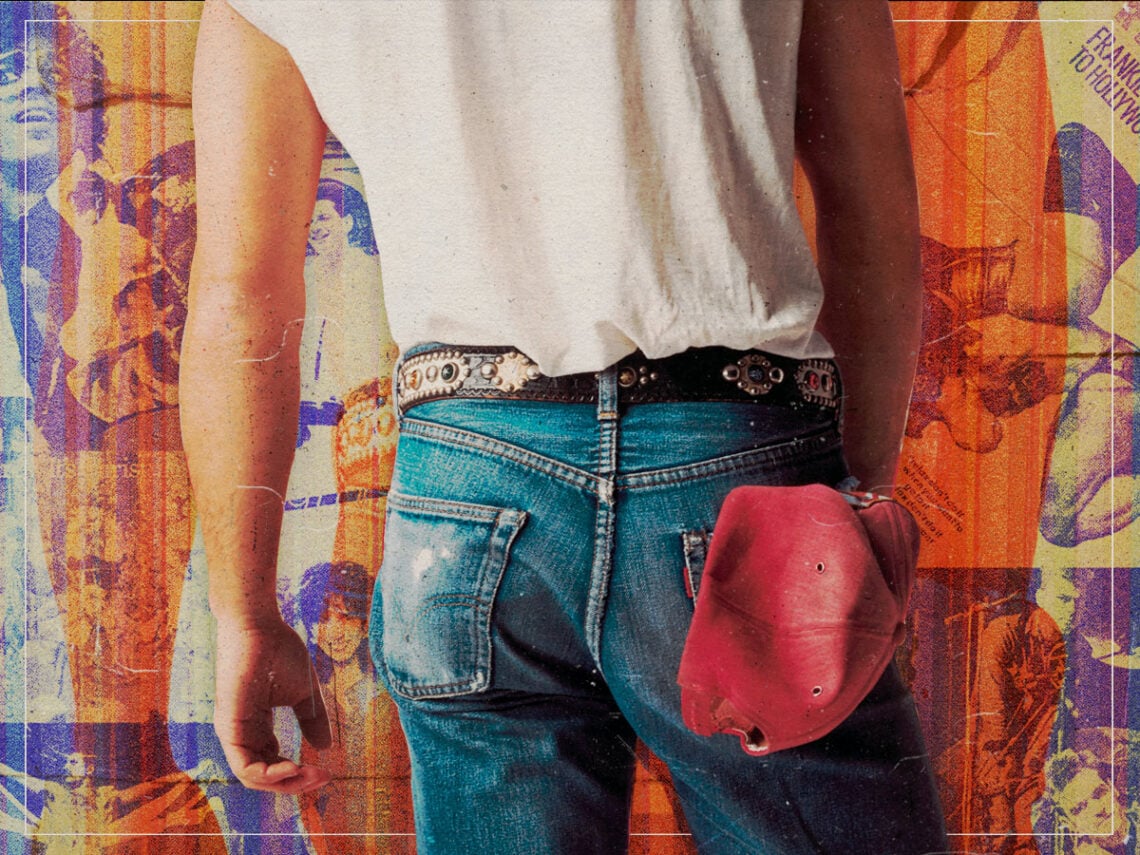
Challenging patriotic and conversational values occurred across the globe, with releases like Bruce Springsteen’s ‘Born In The U.S.A’, which came to epitomise American patriotism despite its explicit criticism of the country’s value system. Similarly, Nena provided a cautionary tale with ’99 Luftballons’, a protest anthem about the potential consequences of overreacting to perceived threats.
The progressiveness instilled in some of our most celebrated hits didn’t always sit right with certain broadcasters and institutions, however. Frankie Goes To Hollywood received a ban from the BBC on the song ‘Relax’ due to its “suggestive” lyrics about sexuality. The uproar surrounding the group was further intensified by the fact that its video included two homosexual men.
Moreover, accusations were rife, with Prince receiving criticism from Tipper Gore about the lyrics to ‘Purple Rain’ after discovering her daughter’s copy of the record. Meanwhile, Michael Jackson experienced one of his most successful yet scandalous years to date, with his eight Grammy wins and infamous Pepsi commercial grabbing headlines.
The year concluded with the release of the original ‘Do They Know It’s Christmas?’, yet it will be remembered for much more than just that. It marked a time when more people united to challenge the elite, sceptically considering the words of leaders and disregarding conventional norms. While figures like Thatcher and others in positions of power upheld traditional values, music continued to champion individuality, steadfast in its promise to serve as a refuge for outsiders.
