


The 1968 Pink Floyd song Roger Waters never believed in: “Notable failure”

The most important thing that a band needs is cohesion; everything else comes after that.
Take Led Zeppelin, for example; they were all excellent musicians in their own right, but they were so successful because of how well they could all play together. They had a cohesive sound, where all of the individual elements sounded good on their own but came together in an exciting way.
The best way a band can do this is to ensure each member plays to the other’s strengths. Essentially, recognise that different members are good at different things and ensure that people have the chance to flex those skills. This happened in Pink Floyd, eventually, but they had to realise they were incapable of mimicking other members’ talents in the process.
Syd Barrett had a real knack for songwriting. While many psychedelic songs were quite lengthy, Barrett could keep them relatively punchy while maintaining the epic qualities that drew people towards psychedelic music. These tracks appealed to labels because they were short, sweet and easy to sell.
Barrett’s mental health started to take a steady decline. He is believed to have suffered from schizophrenia, and it became impossible for him to work with others. As such, he left the band, and it was left to David Gilmour and Roger Waters to keep flying the Pink Floyd flag; as excellent songwriters themselves, this was a challenge they were happy to accept; however, when the label asked them to write like Barrett, they quickly realised it wasn’t something they could do.
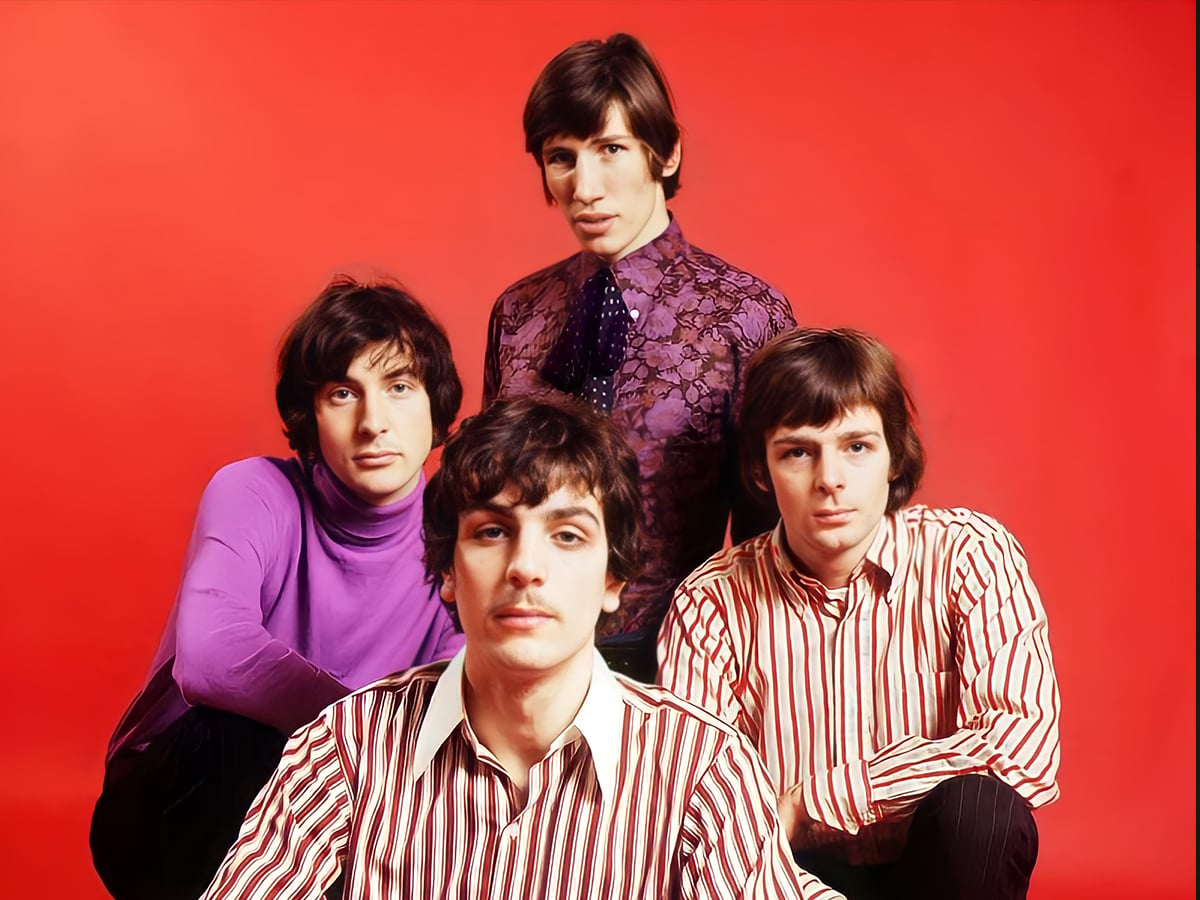
As they tried to embody Barrett and write a song as he would, they came up with the single ‘Point Me At The Sky’, which ended up being one of the band’s biggest flops as fans and critics struggled to take to it. Waters would go on to describe the song as “One notable failure when Syd left the band.”
In hindsight, the mistake seems obvious. Barrett’s songwriting was never something that could be replicated through formula alone. His eccentric lyrics and melodic instincts came naturally, and trying to reverse engineer that approach only highlighted how different the remaining members were as writers. The single demonstrated that they needed to stop looking backwards and start discovering what the band would become in his absence.



The single was an important turning point for the band, though, as they realised if Pink Floyd was going to continue, they had to adapt and play to their strengths, which meant abandoning the idea of the “hit” single and instead focusing on longer tracks and albums.
After that, the band entered one of their best eras, as they approached music like novelists approach books. There was no quick in and out for the band; they spent ages focusing on the bigger picture, how an album would fit together and what story they were trying to tell. The result was some of their best work, as Pink Floyd is now a band renowned for their lengthy songs and intricate concept albums.
That shift in philosophy changed almost everything about Pink Floyd. Instead of treating albums as collections of potential singles, they began viewing them as complete artistic statements, with every song serving a purpose within the larger narrative. It was an approach that suited Waters and Gilmour far better than chasing concise psychedelic pop, allowing their strengths as composers and conceptual thinkers to come to the fore.
Pink Floyd is an excellent example of how musicians need to play to their strengths to excel rather than try to replicate other musicians. When Waters are Gilmour tried to sound like Barrett, it was rubbish; when they embraced what they were good at, they wrote a hit. It’s simple, really.
