


Why Bob Dylan recorded most of his 1962 debut in a single take: “Can’t see myself singing the same song twice in a row”

One thing that was endlessly remarkable about Bob Dylan during the early part of his career was just how prolific he managed to be, and how he managed to pair that with a high level of consistency in terms of the quality.
Very few people are blessed with the ability to continually churn out material of a superior nature, and while Dylan wasn’t necessarily the person responsible for writing all of the material he performed, with plenty of covers of traditional folk songs and standards eking their way into his repertoire, he still managed to pull these performances off with aplomb.
Some artists prefer to take their time, painstakingly working out how to do something correctly and recording multiple takes of the same thing to ensure that only the best version makes it to the final cut of the record. Others, like Dylan, aren’t as particular about this sort of thing and would prefer to act instinctively and capture the rawness that comes with performing something off the cuff, and this is why subtle imperfections appear to have a place within his work.
Many of Dylan’s recordings wouldn’t sound right if they had the most over-rehearsed vocal takes replacing his scratchy tone, and they wouldn’t benefit from layers of additional elements being thrown in to offer his works an extra sheen in terms of production value. What makes so much of his work so special is the straightforwardness of it, and how the spur-of-the-moment nature of him laying down a recording makes you feel as though you’re present in the room with him as he plays.
This wasn’t something that he found himself gradually gravitating towards over time either, this was something that he decided upon from an early age, with his self-titled debut album in 1962 providing multiple examples of him choosing to leave songs completely untouched after he’d laid down a single take of a song.
Of the seventeen songs that were recorded for the album, nine of them were done in a single take, with five of those making the final tracklist, while the other four were released later as outtakes for his Bootleg Series. While only two original songs were recorded for the album, with all of the others being traditional songs that Dylan had picked up from the folk circuit, the fact that so much of it was done in a single take is indicative of just how ingrained these songs were in his memory.
Granted, Dylan was only afforded two days in the studio to record his debut, but his decision not to redo a significant portion of the album wasn’t down to time constraints and was more a case of it being how he preferred things to be.
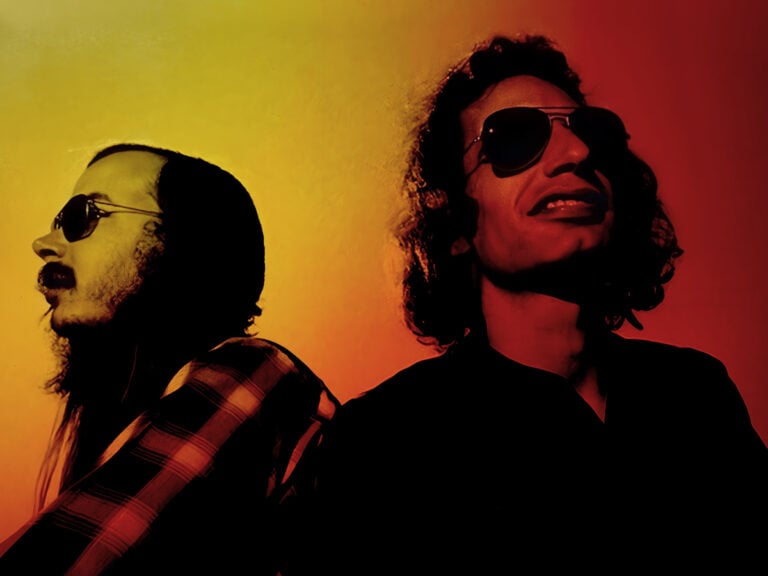
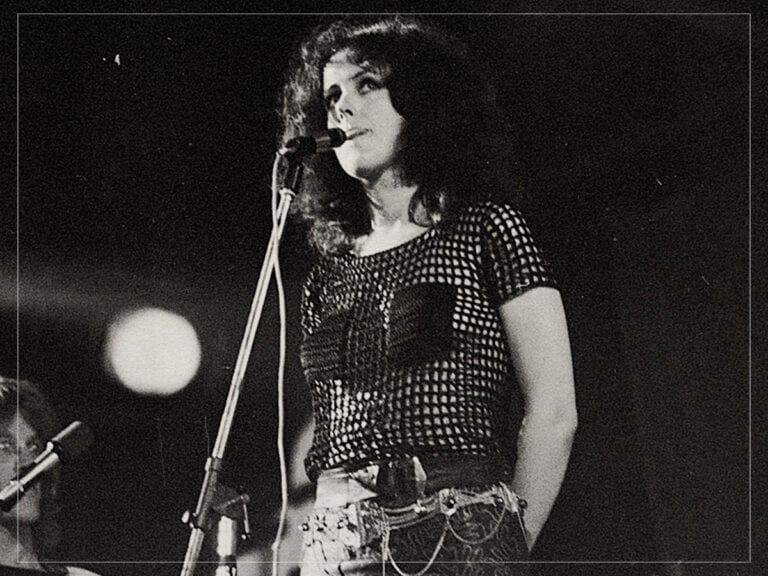

According to an interview transcribed in Dominic Cavallo’s A Fiction of the Past: The Sixties in American History, Dylan was adamant that there would be minimal second takes of songs. “I said no,” he claimed. “I can’t see myself singing the same song twice in a row. That’s terrible.”
If the songs were so clearly embedded within him, with him also claiming later in life that he only ever needed to hear a song once or twice to have it memorised, then why would there be any need to paper over the cracks? It was clear that Dylan wanted his audience to hear the most honest renditions of these songs that meant so much to him, and if that meant not retreading over ‘Gospel Plow’, ‘Highway 51 Blues’ and ‘In My Time of Dyin’’, then that’s the way it deserved to be.

Never Miss A Tale
The Far Out Bob Dylan Newsletter
All the latest stories about Bob Dylan from the independent voice of culture.
Straight to your inbox.