


“No cultural or social ethic”: The 1970s band Grace Slick struggled to enjoy

For many, Grace Slick and Jefferson Airplane were the absolute epitome of the counterculture movement. During a time when society was championing peace and freedom of expression, Slick’s music provided the perfect soundtrack, reflecting the defiant, free-spirited nature of the time.
Joining the band in 1966, Slick’s claim over the entire movement began with Surrealistic Pillow, Airplane’s second record, which the group started making just two weeks after she joined. The first recordings included many that anchored the album’s message, including ‘She Has Funny Cars’, ‘My Best Friend’, and ‘Today’, featuring Grateful Dead’s Jerry Garcia on guitar.
Following those sessions, Slick brought a composition from her time in her previous group, The Great Society, called ‘White Rabbit’. Inspired by Lewis Carroll’s Alice’s Adventures in Wonderland and Through the Looking-Glass, ‘White Rabbit’ ruminates on generational hypocrisy in the context of the drug-altering landscape of ‘60s counterculture, using the white rabbit as a metaphor for curiosity and discovery of a world beyond what is presented.
As Slick later explained, the white rabbit itself was viewed as an alternative source of power, almost a symbol for all the women who weren’t yet aware that breaking the mould was an option. As such, the white rabbit was her essentially suggesting a different portal of escapism, presenting a message to women “about how you can push your own agenda”.
The lyrics also play on this duality and the blending of intellect and mind-altering drugs, with characters and multiple drug references (a first at the time, at least on a mainstream level) that place mental or societal distortion as a magical reality accessed through a secret tool or source of knowledge (the rabbit or, in reality, the psychedelic drugs). “The line in the song ‘Feed your head’ is both about reading and psychedelics,” Slick later explained, “[It’s about] feeding your head by paying attention: read some books, pay attention.”
It was for this reason that Airplane always seemed like one of the most authentic groups out there, especially with their ability to hold up an accurate mirror to the world around them in ways that didn’t seem to do it for any reason other than the fact that that’s precisely what they wanted to do at the time.
However, when the band transitioned into Jefferson Starship because of a line-up reshuffling and subsequent rebrand, Slick suddenly left behind her gritty, psychedelic roots in favour of a more chart-topping, commercial phenomenon, with hits like ‘We Built This City’ and ‘Nothing’s Gonna Stop Us Now’ topping the Hot 100 and cementing her position in pop music history.

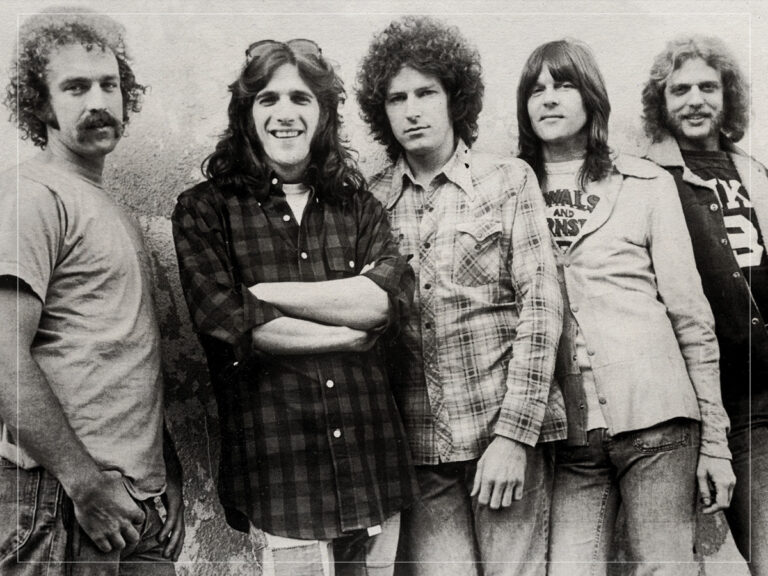
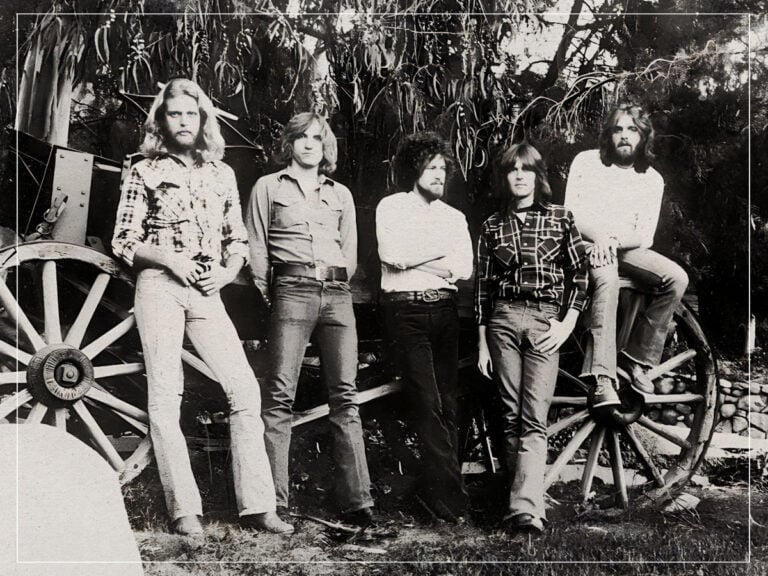
And yet, while many musicians would have celebrated this shift, the frontwoman had mixed feelings about it, feeling like she’d somehow disobeyed her own creative authenticity in favour of selling out. As she later reflected, “Starship was a whole different thing. It was pop rock. It made more money and had more hit songs than Airplane”.
She added, “There was no cultural or social ethic behind it. For me, it was like selling out. I was the only one selling out. The rest enjoyed doing what they were doing”.
