The singers David Gilmour wanted to be remembered with: “Good stuff”
The best kind of legacy to leave behind.


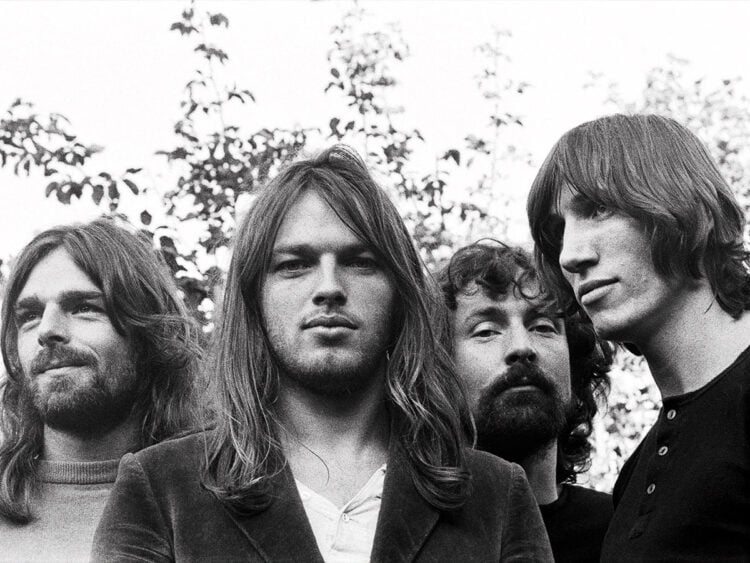
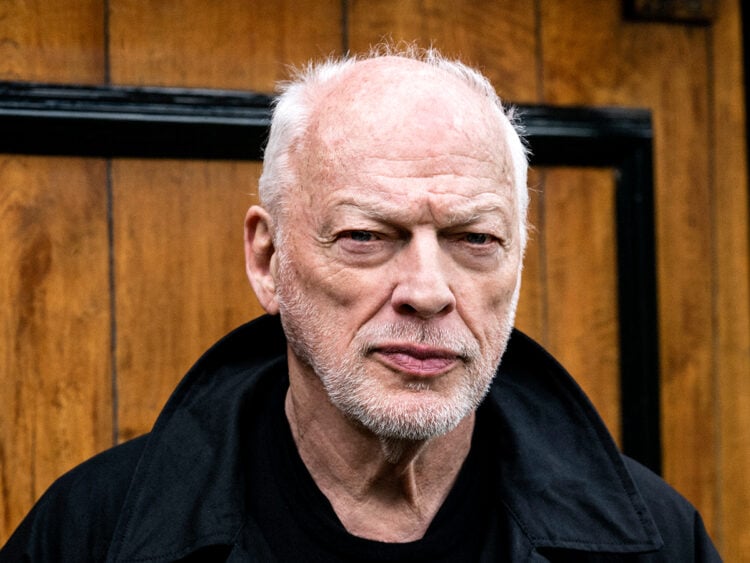
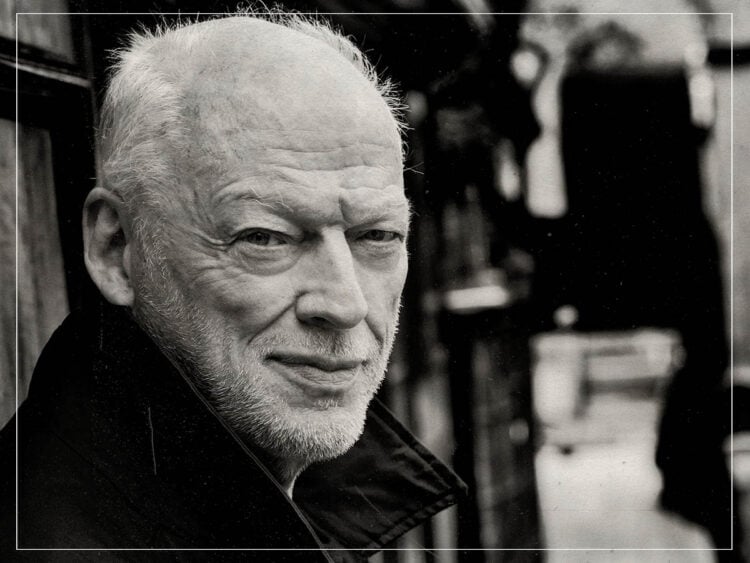
David Gilmour is an English musician, singer, and songwriter best known as the lead guitarist and co-lead vocalist of Pink Floyd. Born in 1946 in Cambridge, England, Gilmour fell in love with music early, thanks to his father, a zoology professor and a keen guitarist.
Gilmour started his music career in the early 1960s as a member of several local bands, including Jokers Wild and The Bullitts. However, everything changed in 1968 when he joined Pink Floyd, replacing the band’s founding member, Syd Barrett. With Gilmour on board, Pink Floyd achieved worldwide success and became one of the most influential rock bands of all time.
As a guitarist, Gilmour is known for blending the blues with psychedelia. Gilmour’s guitar playing is stylised by his famous soaring, melodic solos that are both technically impressive and emotionally resonant.
Aside from his guitar work, Gilmour is also a talented songwriter and vocalist. He has also co-written some of Pink Floyd’s most beloved songs, including ‘Wish You Were Here,’ ‘Comfortably Numb,’ and ‘Shine On You Crazy Diamond.’ As a vocalist, Gilmour added soul and depth to Pink Floyd’s sound.
In addition to his work with Pink Floyd, Gilmour has released several solo albums, including ‘About Face,’ and On an Island.’ These albums showcase Gilmour’s songwriting and guitar-playing skills in a more intimate, stripped-down setting which is a far cry from the expansive sounds of Pink Floyd.
Outside of music, Gilmour is respected for his philanthropic work. He has been involved in several prominent charity events, including the ‘Concert for Diana’ and ‘Live 8,’ which raised money for global poverty relief. In 2019, Gilmour auctioned off more than 120 of his guitars, raising over $21million for various charities close to his heart.

The best kind of legacy to leave behind.
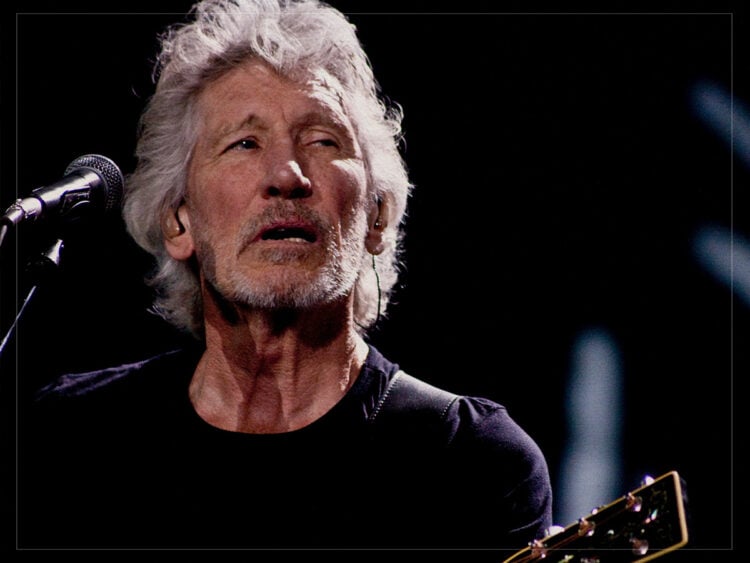
No sense of inspiration anymore.
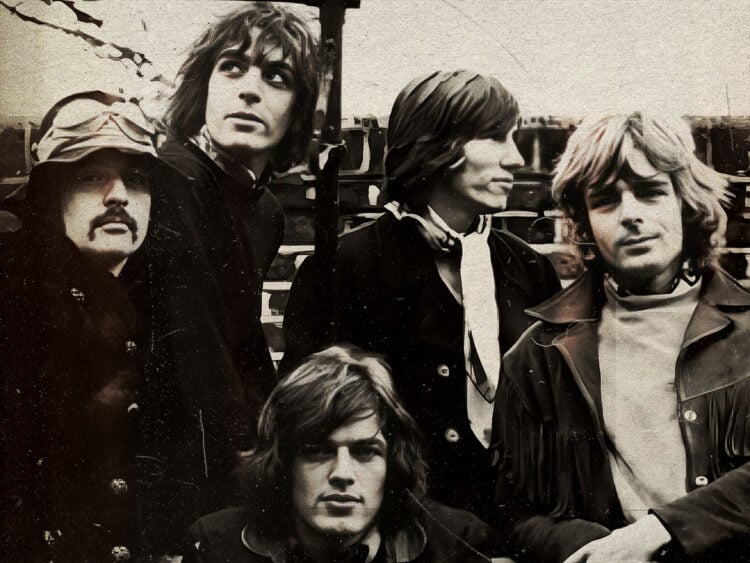
Getting used to prog rock brilliance.
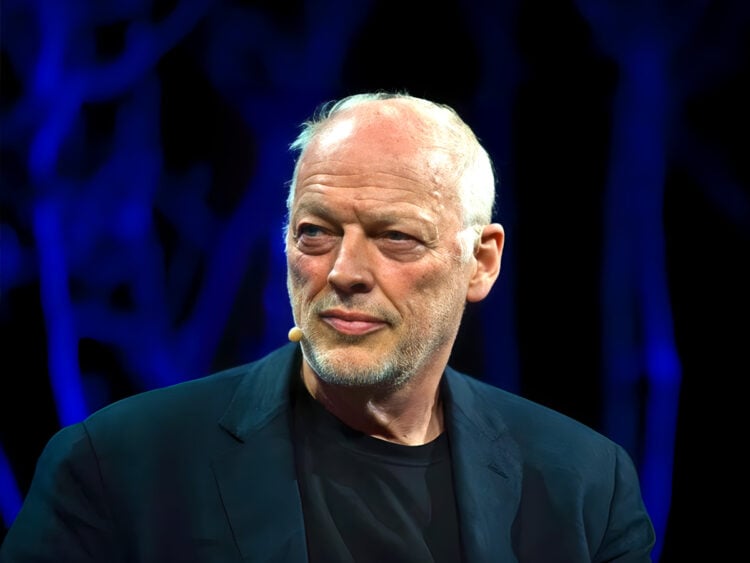
Getting a bit more experimental.
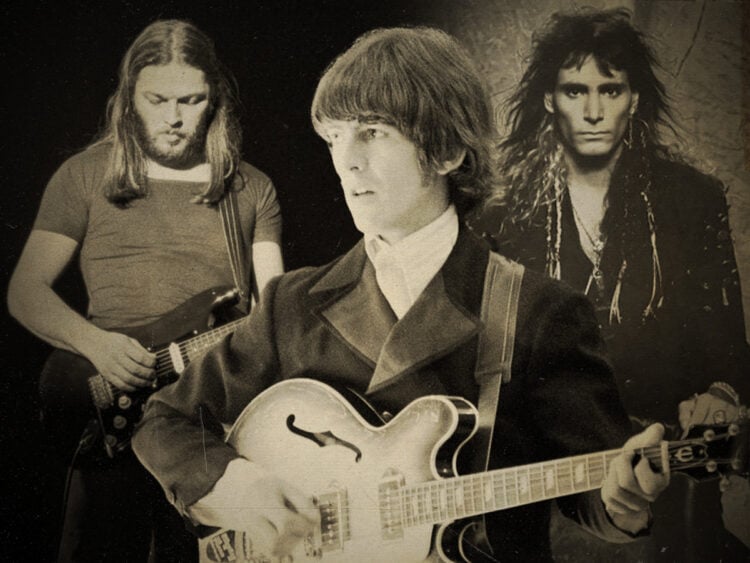
Getting that nostalgic feeling.
One last roll of the dice.