


The 1971 song David Gilmour will always love playing: “I get a charge”

For all those years in Pink Floyd, there are bound to be a few times when David Gilmour didn’t need to go on those massive stadium shows.
He had said all that he wanted to say after working on The Division Bell, and even though The Endless River was released kicking and screaming, it was at least a decent way for Gilmour to pay tribute to Richard Wright after he passed away. He still might play a handful of Floyd cuts during every single one of his solo shows, but there are certain cuts throughout their discography that haven’t yet worn out their welcome whenever he plays them.
Then again, Gilmour had a much different taste in what Floyd was supposed to be than Roger Waters did. He could have done without having a concept on virtually every single project that they worked on, and while he did amp up the theatrics on every single record that the band made, he could have easily been happy to have a decent light show going on in the background and leave it at that.
Because when you listen to a lot of Gilmour’s earlier tunes, it wasn’t always about making the heaviest subject matter of all time. He was the one writing tunes like ‘Fat Old Sun’, and while the rest of the band weren’t as thrilled with a song like that taking up space in the setlist, Gilmour did have a side of him that was more interested in mellow music. But the band were definitely turning a corner when they started working on albums like Meddle.
Gilmour could still make some softer music every now and again on tunes like ‘San Tropez’, but ‘Echoes’ was really the moment where everything changed for the band. They had been one band for most of the late 1960s, but as soon as that opening ping from Wright’s organ happened, they had transformed into something else. Waters had stepped up his lyrical game considerably, and when they did break out into a jam during the mid-section of the song, Gilmour was ready to make some of the most off-kilter noises with his guitar.
Having already worked on avant-garde pieces, the band were definitely used to working on the fly when it came to certain songs, but ‘Echoes’ is a bit of a different case. The whole song feels like one long headtrip that builds to the climax of the tune, and even though Gilmour isn’t always sure what he was going to do during the midsection, he knew that he was going to get a fair bit of surprises when working off of his bandmates.
Not everything needed to be planned out, and that was the joy behind half of it, with the guitarist saying, “‘Echoes’ has a guitar buildup that I love. It’s a creation of dozens of different parts. That sort of textural thing often thrills me more than a particular solo I may have played. I get a charge out of thinking, How the hell did I actually do that? You get this out-of-body experience. You’re not quite sure if it was you who did it.”
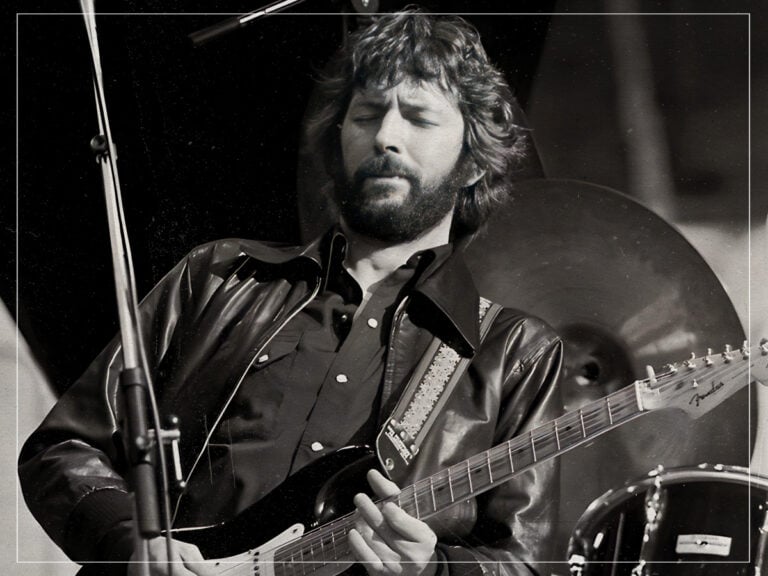

And when you look at the way that Gilmour works off of the band, a lot of what he’s doing isn’t the typical guitar hero moves. He wasn’t going to break out into the same kind of Eric Clapton and Jeff Beck-style freakouts, but when he heard what the rest of the band were doing around him, he was trying to make the kind of noises that coloured the sound in the right way rather than using it as an excuse to grandstand.
Because that’s what all great sonic masterpieces are supposed to do. Gilmour never wanted to be known as the guitar hero who built songs around his solos, and that sense of collaboration between everyone in the band is what drove them to make the masterpieces that turned up on Dark Side of the Moon and Wish You Were Here.

Never Miss A Tale
The Far Out Classic Rock Newsletter
All the latest Classic Rock content from the independent voice of culture.
Straight to your inbox.