


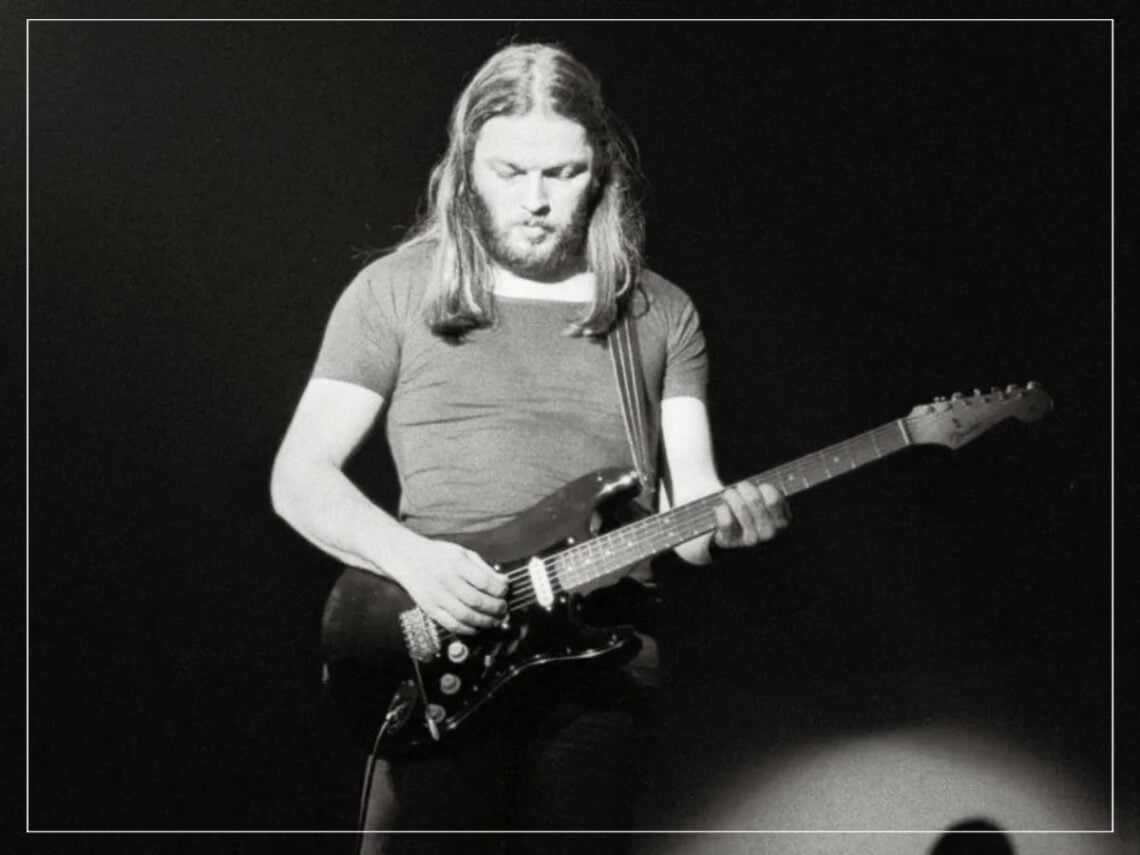
The singers David Gilmour wanted to be remembered with: “Good stuff”

There’s no real way for David Gilmour to choose how he is remembered.
When the phrase ‘Pink Floyd’ is nothing but a distant memory 100 years from now, there’s a good chance that people will know Gilmour more for his beautiful guitar phrases than anything else, whether that’s him turning ‘Comfortably Numb’ into one of the most emotional solos of all time or ‘Time’ capturing every second passing by like it’s the most important thing in the world. But when looking at his contemporaries, there are certainly people that Gilmour wouldn’t mind sharing his legacy with as the years go by.
Then again, there aren’t many other bands that could reach the same level that Floyd reached during their career. They are a prog-rock band in name for sure, but if you look at the kinds of songs that they were making, there’s hardly any chance that a band like Yes or Genesis could have ever had the impact like The Dark Side of the Moon did upon release. Gilmour was looking to make music that became art pieces, but he also didn’t forget about the mainstream side of their sound, either.
Whereas many prog bands like to show off their skills every single time they make a record, a lot of Floyd’s songs are easy to pick up from a melodic perspective. ‘Echoes’ may have been a bit tricky for someone to grasp when they first heard it, but when you look at a record like ‘Fat Old Sun’, it’s nothing but a simple folk tune that happened to be played by one of the greatest prog acts to ever live.
And when you look at what Roger Waters was getting at in a lot of those tunes, it’s not like they were looking to talk about Flower Power for the rest of their days. They needed to grow past being considered a psychedelic outfit after Syd Barrett was let go, and when you listen to their best tunes, it’s all about the emotions that we all feel every day. Not all of us have had to experience one of our friends going insane, but Wish You Were Here is the kind of record that could touch anyone who has lost someone close to them.
For Gilmour, that’s half the reason why those songs work, and he’s happy to think of himself in the same league as people like Joni Mitchell when looking at his legacy, saying, “It’s good stuff. People listen to Neil Young and Joni Mitchell the same way. We’re in a fine, select group. It’s great for every new generation to investigate. I’m happy to be considered part of it.” But there’s one thing that Floyd had that precious few bands take to heart whenever they’re making a new record: honesty.
Sure, Gilmour had to go into the studio with no real motivation when making The Endless River, but a lot of the biggest songs of their career always showed their heart in the right place. Gilmour was determined to continue on without Waters, and despite his bandmates badmouthing everything that the band did without him, a record like The Division Bell has more than its fair share of great material on it.

Then again, it’s a little different when talking about someone like Young or Mitchell. Both of them were mavericks who were trying their best to work outside the norms every single time they made a record, and while Gilmour wasn’t going to make one of Mitchell’s jazz-infused records or try something completely off-the-wall like Young is wont to do, he’s happy to have had records that were about the universal truths of the world.
Whereas most bands like to tell fanciful stories every single time they make a record, Gilmour knew that none of his songs was going to be dated if they stuck to the building blocks of songs. They weren’t going to go down The Beatles route and start making nothing but love songs, but if he could write something that touched on something that felt human, that was more than enough for him.
