


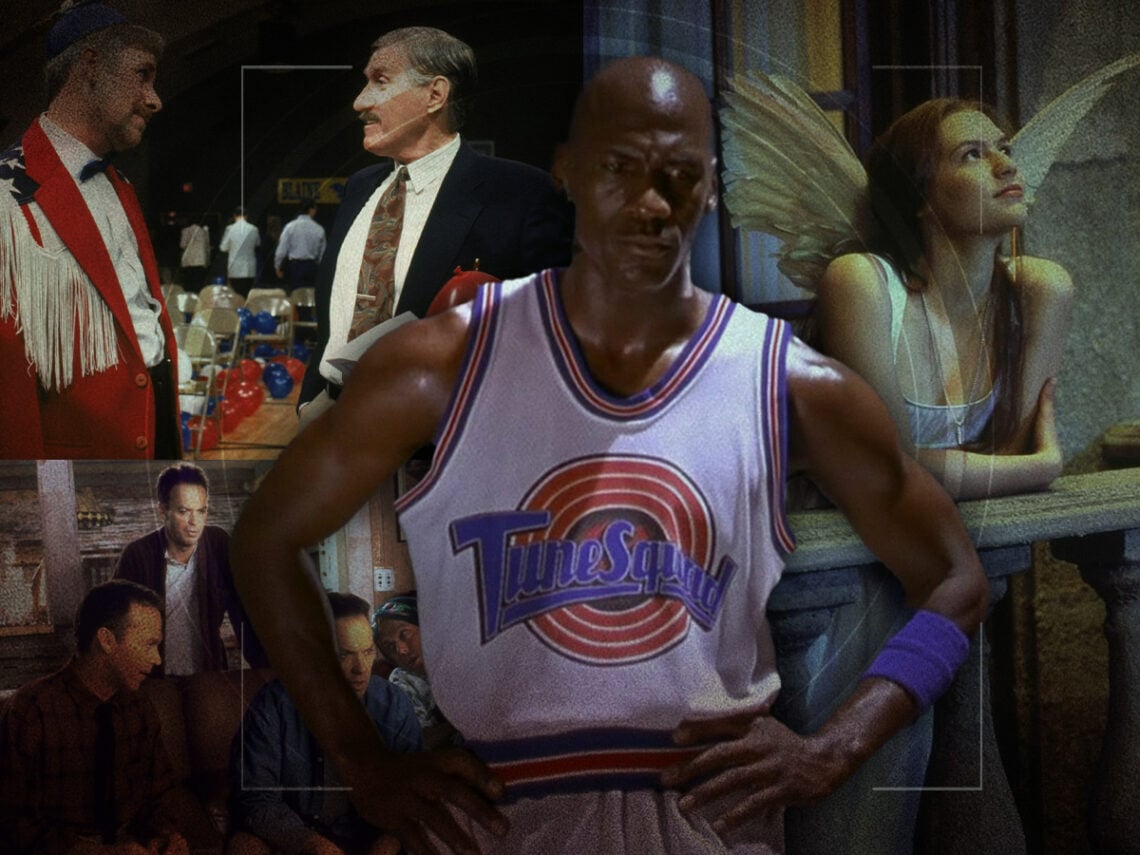
The 10 weirdest movies of 1996

1996 marked a midway point for an exciting cinematic decade in which the industry began to shape into what it would be today.
Independence Day ushered in a new era of blockbuster filmmaking, but the year’s ‘Best Picture’ winner, The English Patient, was the last of the old-fashioned, sweeping romantic epics that had once been reliably released at a regular rate. This was during an era in which films were still at the epicentre of popular culture. While television would begin to fill that role at the beginning of the 21st-century, the aggressive prominence of social media and vertical content in recent years has made the very notion of the collective moviegoing experience feel like a relic of the past.
There were just as many great movies being made in the ‘90s as there are today, but audiences in 1996 tended to be a lot more curious and open when compared to their modern counterparts. While it’s often that current films seem to appeal to an existing fanbase, generate nostalgia, or reaffirm to audiences something they already know or believe, 1996 saw several major hits that produced baffling, unusual, and thought-provoking ideas.
At the time, it may have been pretty easy to accept that this was just the way that the industry works, and that degree of originality was to be expected out of the cinematic arts. It’s only upon reflection, three decades later, that these films begin to stand out for being weird.
The 10 weirdest movies of 1996:
‘Michael’ (Nora Ephron, 1996)
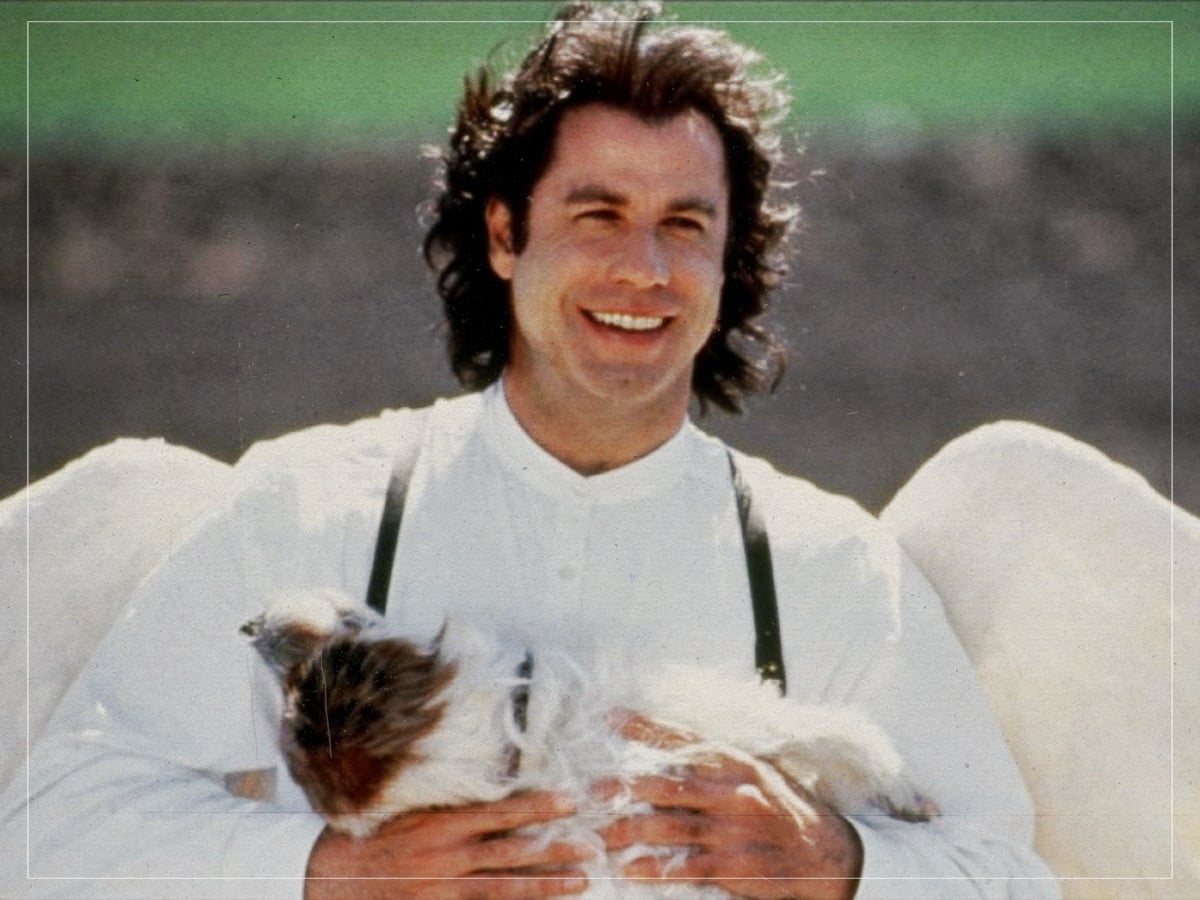
John Travolta has always been a fascinating movie star because he seems larger-than-life; whether he was playing the smoothest dancer in New York in Saturday Night Fever, a high school heartthrob in Grease, a ruthless gangster in Pulp Fiction, or an absurd supervillain in Face/Off, Travolta has proven that compelling movie stars don’t need to be relatable.
Travolta was perhaps the only person who could play a character who was literally not from this world in Michael, the Nora Ephron comedy in which he portrays an angel who lives on Earth and acts like a slovenly house guest. What’s most bizarre is that every character in Michael just seems to accept the fact that angels exist, and Travolta’s character only ends up being a supporting player within the romantic dynamic between the protagonists, played by William Hurt and Andie MacDowell.
‘Jingle All The Way’ (Brian Levant, 1996)
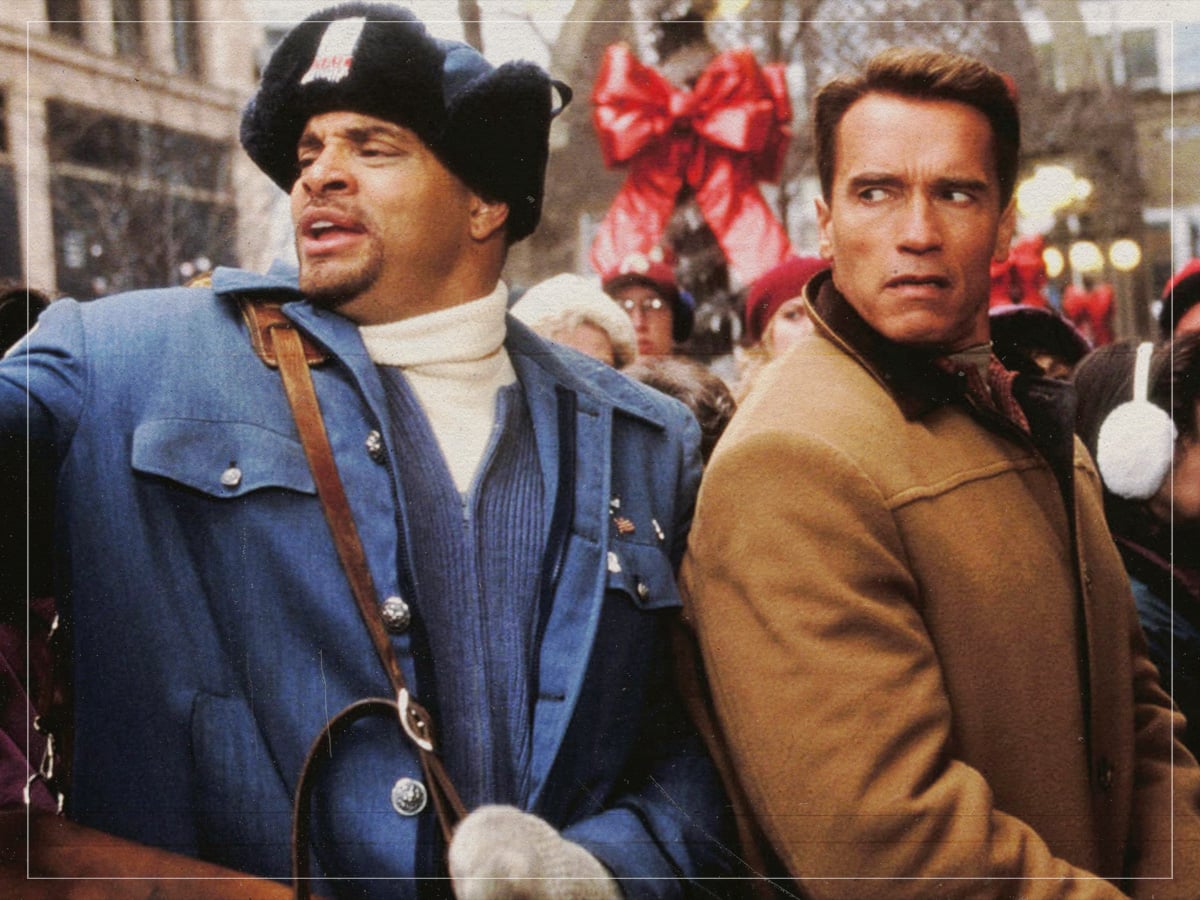
Arnold Schwarzenegger made a strange pivot in the ‘90s when he decided to be a comedy star, as he had seemingly already considered the action genre… While a film like Twins was inspired by his heritage as an immigrant, and Kindergarten Cop was still vaguely an action film, Jingle All The Way attempted to position him as an average dad who is trying to find a bestselling action figure to gift his son (Jake Lloyd) for Christmas.
Jingle All The Way might have been an average holiday comedy if it had starred someone like Tom Hanks or Chevy Chase, but putting Schwarzenegger in the lead just made it weirder – the film is also absurdly marred by endless product placement, as it shot major sequences at the Mall of America and seemed to pay for itself thanks to deals with marketing arms.
‘The Mirror Has Two Faces’ (Barbra Streisand, 1996)
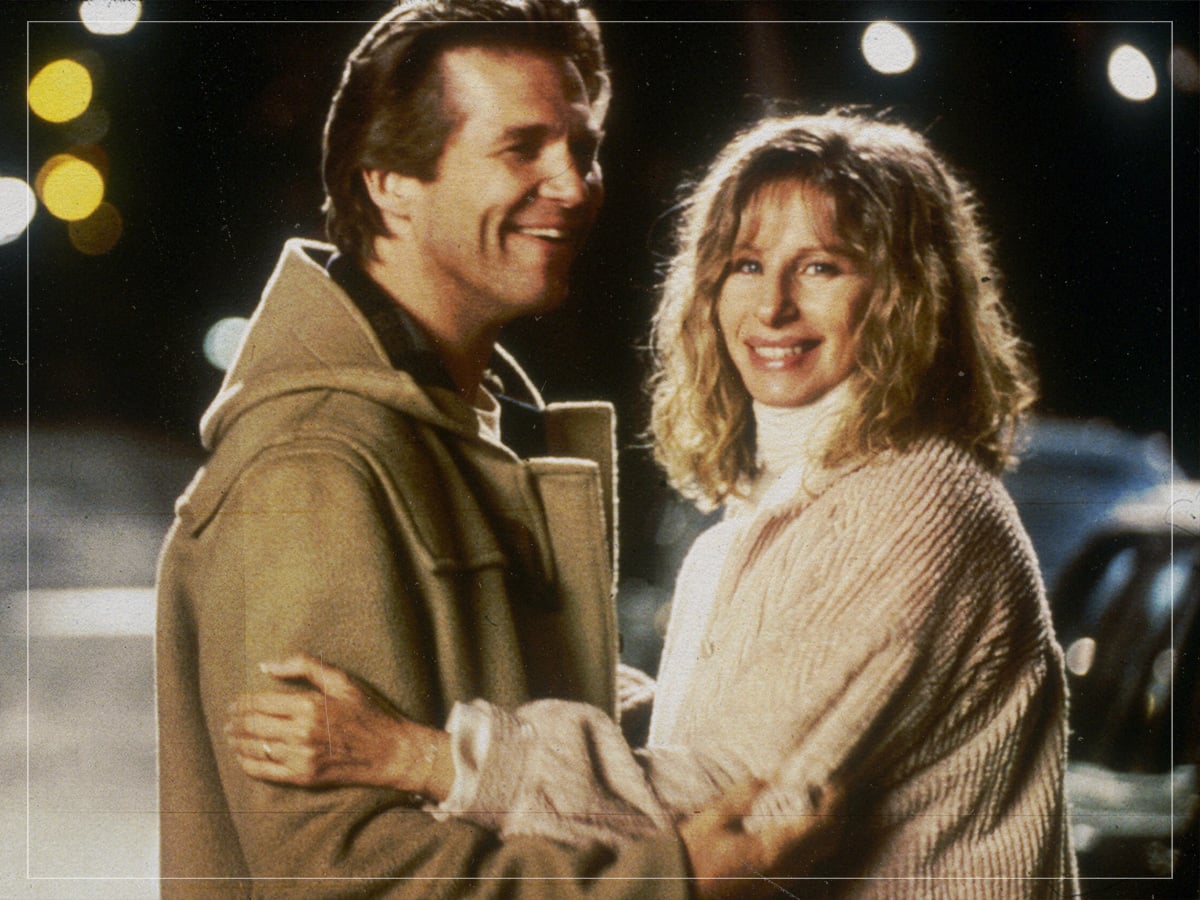
Barbra Streisand had a fascinating career as a director, as it was after essentially having creative control on A Star is Born that she made three bizarre vanity projects. The Mirror Has Two Faces may have begun as a straightforward romantic comedy, but Streisand is insistent on playing a character who has to constantly be reaffirmed of how beautiful she is; alternatively, she cast Jeff Bridges, one of the most inherently charismatic people on the planet, as a dorky professor who has an inability to talk to women and has to take out a personal ad.
The self-seriousness is often at odds with the ridiculous storyline, made no less confusing by a regressive depiction of panic attacks and a strangely moving performance from Lauren Bacall, who managed to survive the film’s abysmal reviews and earn an Academy Award nomination for ‘Best Supporting Actress’.
‘Space Jam’ (Joe Pytka, 1996)
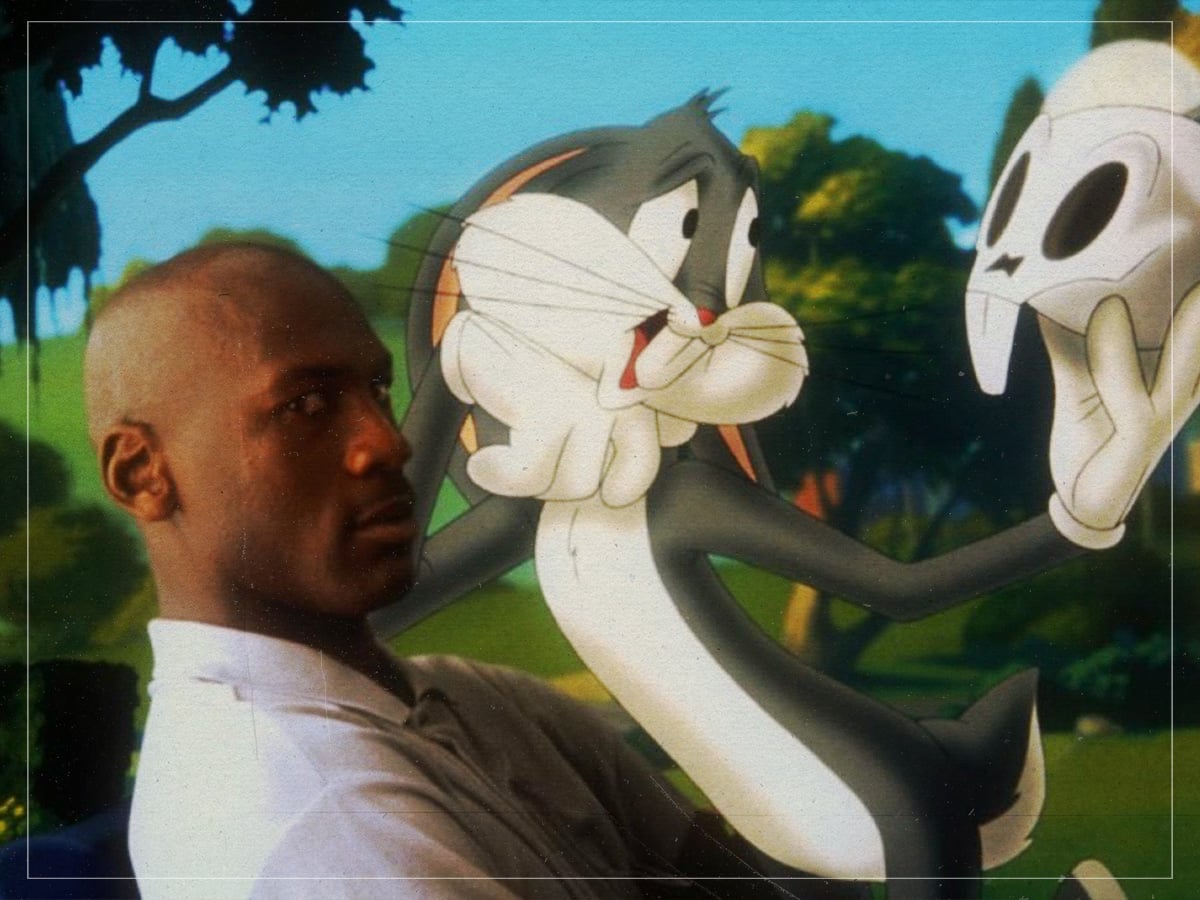
Looney Tunes were in need of a rejuvenation in the ‘90s in order to ensure continued merchandising opportunities, and Space Jam also helped to aid Michael Jordan during a difficult public relations period. Jordan was marred by a gambling scandal that allegedly contributed to his stepping away from the NBA, and he was also coming off an unsuccessful attempt to be a baseball player.
The script for Space Jam was hastily thrown together, and Bill Murray was added in at the last minute because he was a massive Chicago Bulls fan; the idea of Murray being involved in the final game wasn’t added until days before shooting. It’s still not clear how the Looney Tunes characters exist in both reality and in their cartoons (which Jordan’s kids watch in the film), but Space Jam hit the right cultural moment and became a surprising hit that sustained interest in both classic animation and the NBA.
‘Romeo + Juliet’ (Baz Luhrmann, 1996)
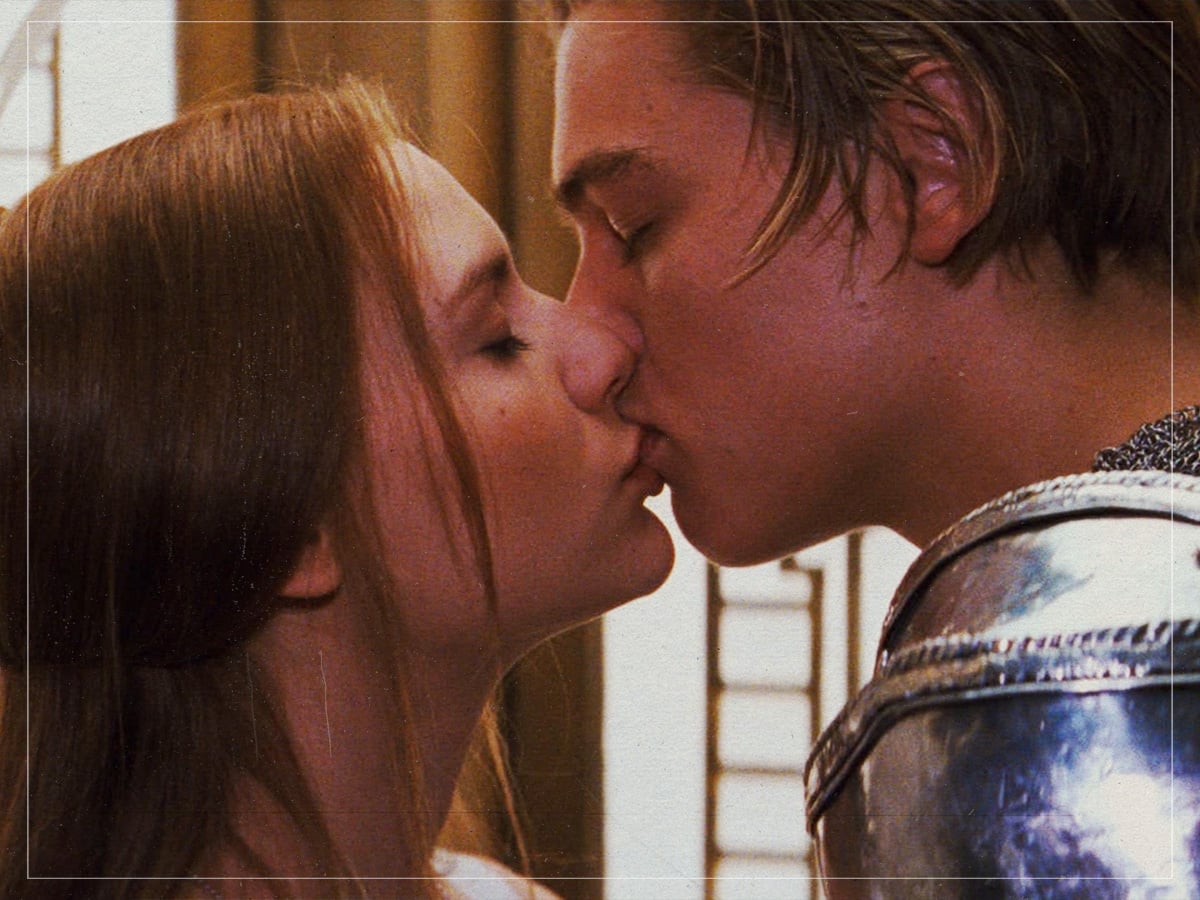
Baz Luhrmann wasn’t the first filmmaker to conceive of a modern Shakespeare adaptation, but his novel idea was to retain the original language within a contemporary setting. This wasn’t a case like in O or 2000’s Hamlet, in which the story was modified to make sense in modern times; Luhrmann embraced all the excess and colourful music of the ‘90s within a film that faithfully translated the dialogue that had existed for centuries.
The film survived a challenging production to be a breakthrough feature for Luhramann, who would be afforded even more creative freedom when he did Moulin Rouge! It also helped two former child stars to transition into being respected adult actors; Leonardo DiCaprio was able to grow beyond What’s Eating Gilbert Grape, and Claire Danes earned a more mature role after the one-season wonder of My So-Called Life.
‘Waiting For Guffman’ (Christopher Guest, 1996)
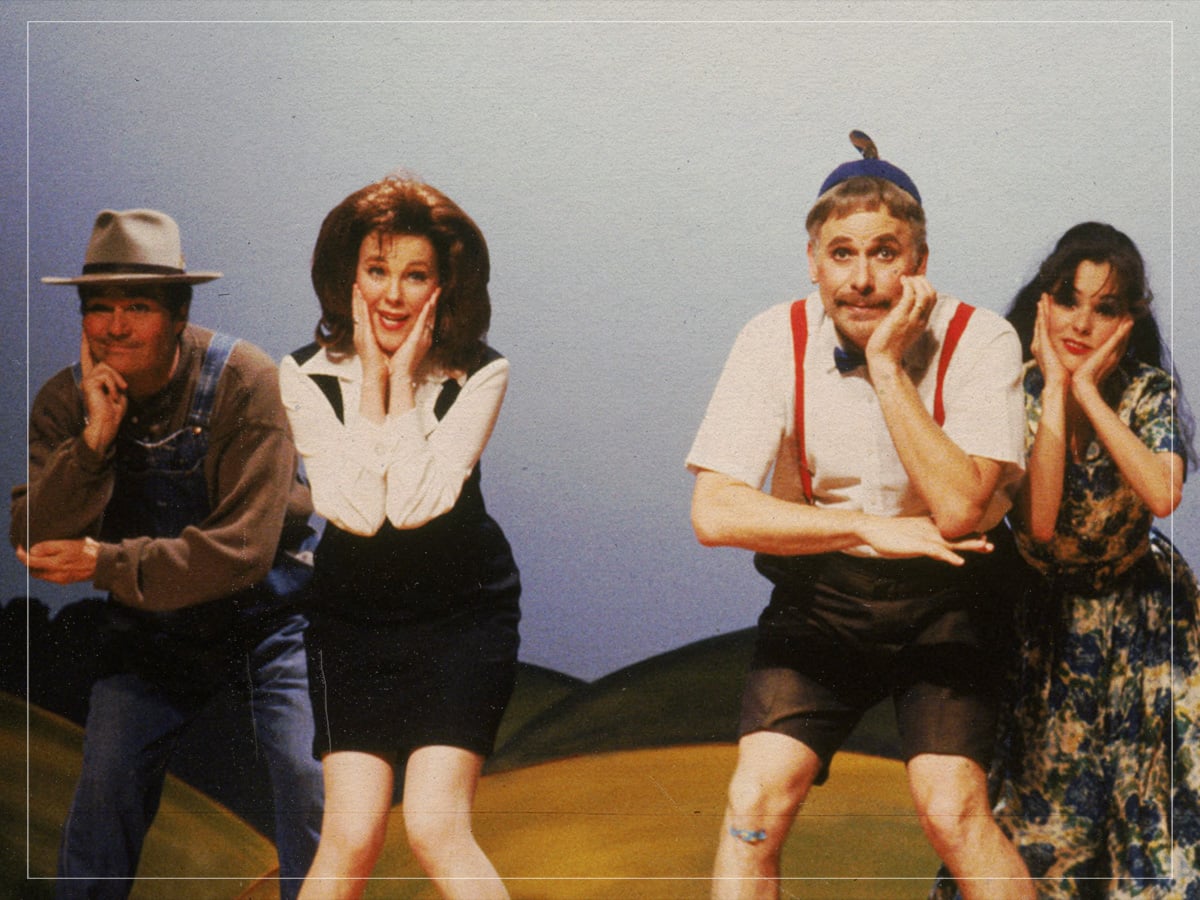
Christopher Guest had already had a scene-stealing role in Rob Reiner’s This Is Spinal Tap before he began developing his own unique brand of mockumentaries, most of which focused on some aspect of performing arts. Waiting For Guffman’s title was a vague allusion to Waiting For Godot, and it was nearly made in a documentarian-style way because the script offered only the barest of outlines, allowing most of the actors to improvise a lot of their own dialogue.
Guest defined himself as a filmmaker who was interested in weirdos and oddballs, yet didn’t treat them as complete jokes. The main aspect of his work that was unique when compared to the other popular spoof films of the ‘90s was that Guest seemed to have genuine sympathy and affection for his characters, and could tell stories that were as hilarious as they were moving.
‘Escape From LA’ (John Carpenter, 1996)
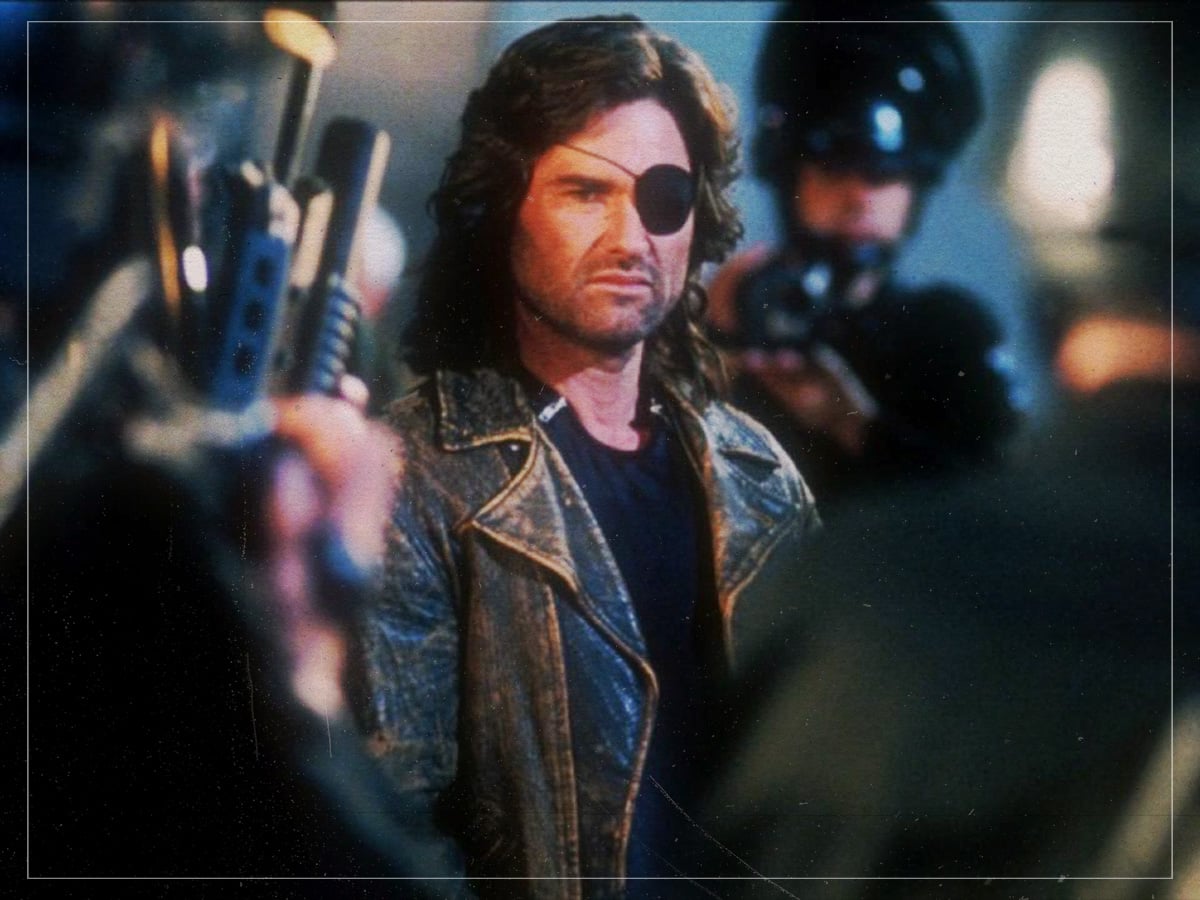
John Carpenter had resisted making sequels to all of his hit films, but finally decided to continue his passion project by making a follow-up to Escape From New York. Not only did the sequel make for a reunion with his loyal collaborator Kurt Russell, but it also allowed him to make a film in the city that he grew up in, and gave him an opportunity to satirise Hollywood. Escape From LA had its budget slashed halfway through production, resulting in a cheap-looking film that featured amateurish special effects.
Although it was clearly a film that would have been improved had Carpenter been given the resources he had been promised in order to execute his vision, there’s still a lot to recommend about Escape From LA, particularly in an ending where Snake Plissken essentially decides to throw humanity into chaos on a whim.
‘Beavis and Butt-Head Do America’ (Mike Judge, 1996)
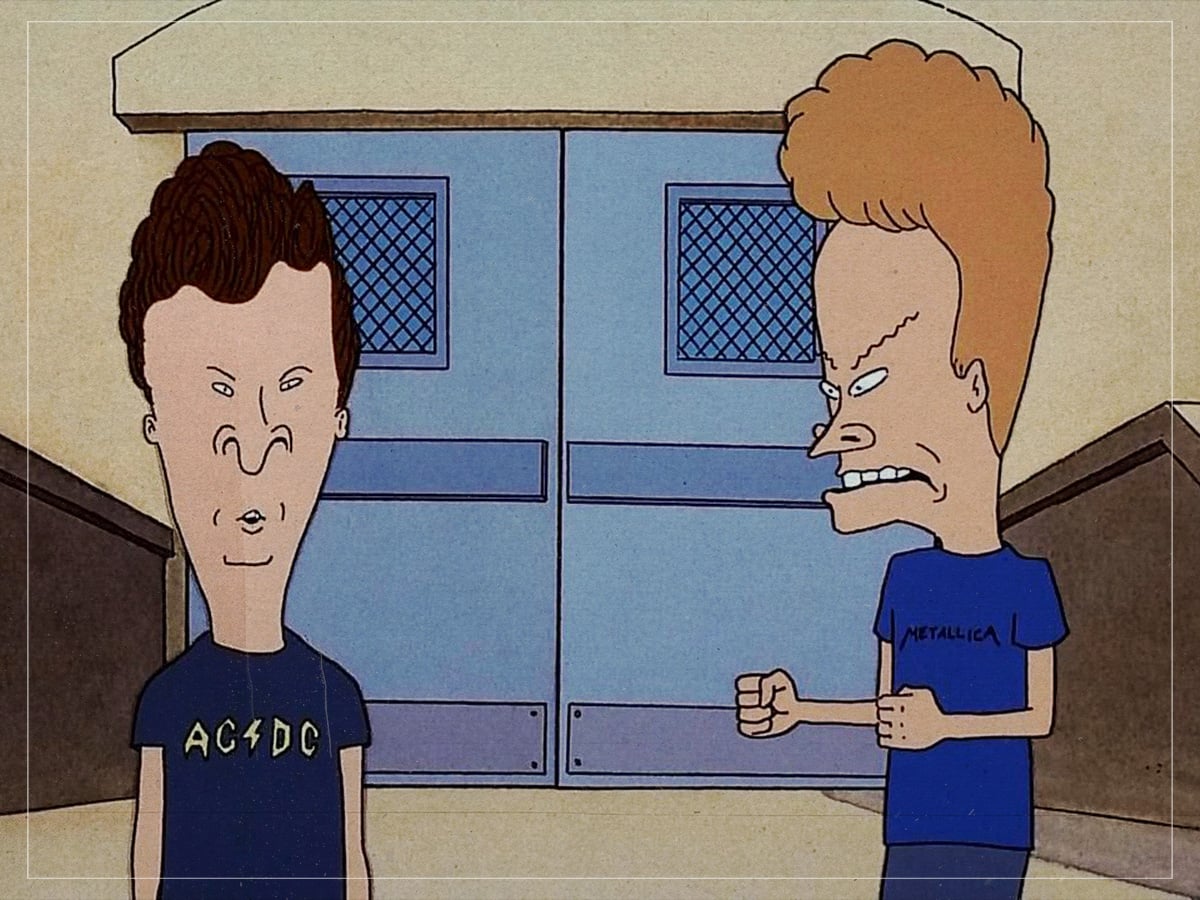
It was unusual for films based on television shows to be released in theatres while they were still airing, and it had never been done before with animation. Beavis and Butt-Head had been such a juggernaut on MTV that Mike Judge was allowed to bring the characters to the big screen for a bizarre road trip adventure and conspiracy thriller, which featured appearances by celebrities like Bruce Willis and Demi Moore.
While Beavis and Butt-Head could have easily been a cheap way to cash in on a cult show, Judge actually took the time to develop a real story that went beyond what could have been done on the small screen, and offered some humorous insights on American culture and politics. It was such a surprisingly great film that it even managed to convince those who hadn’t seen the show, and earned glowing recommendations from Roger Ebert and Gene Siskel.
‘Multiplicity’ (Harold Ramis, 1996)
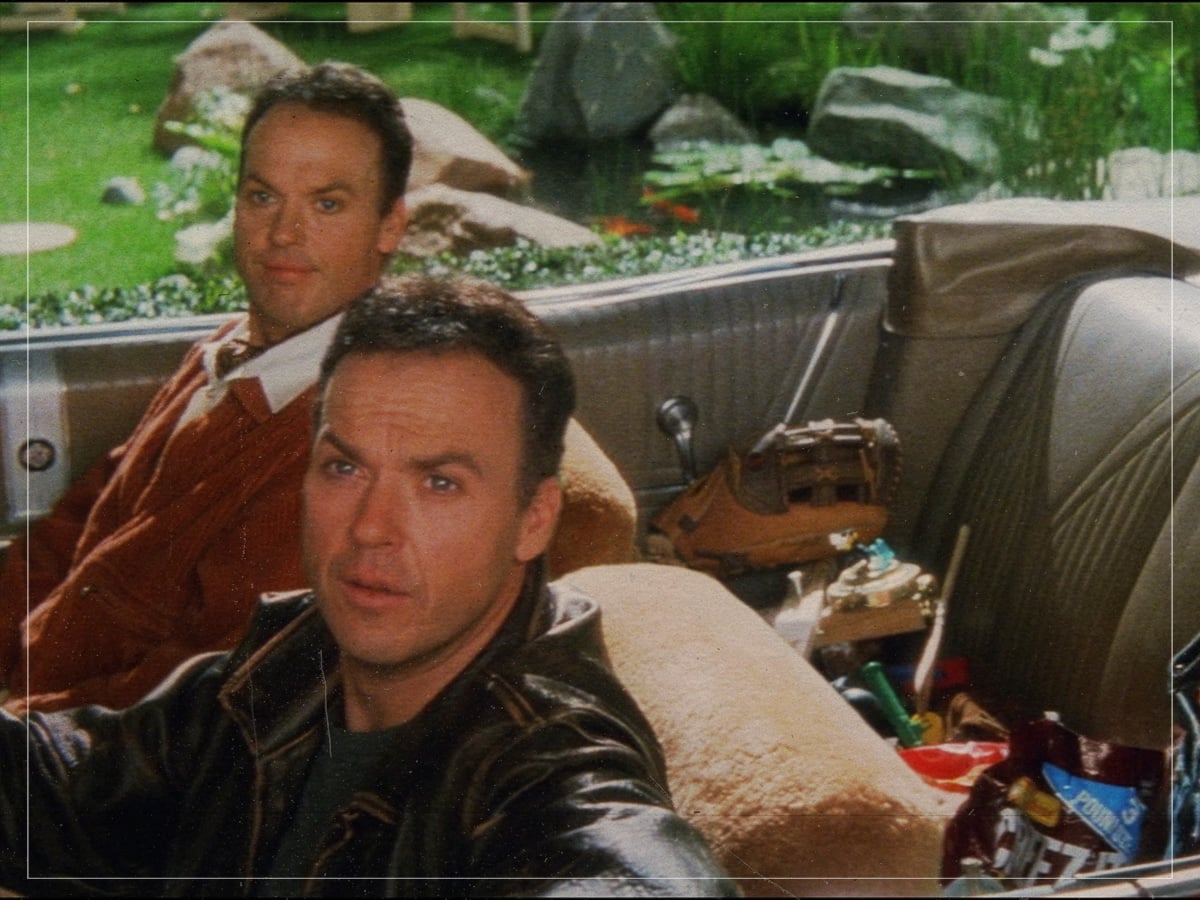
Michael Keaton was in a strange period in his career in 1996, as he was no longer getting the star parts he had a decade prior, and the Batman franchise has proven that it didn’t need him thanks to the success of Val Kilmer in Batman Forever. Harold Ramis had also been struggling to find a new direction after his feud with Bill Murray on Groundhog Day had caused them to fall out with each other, which led him to hire Keaton for a high-concept comedy about a family man who makes clones of himself.
Multiplicity is one of the more strangely ambitious special effects showcases of the ‘90s, and has been cited by Ramis as being one of his most underappreciated films. It was also impressive how brilliantly Keaton was able to distinguish the different personalities between the characters he played, even if he didn’t get the recognition of Michael B Jordan in Sinners.
‘The Phantom’ (Simon Wincer, 1996)
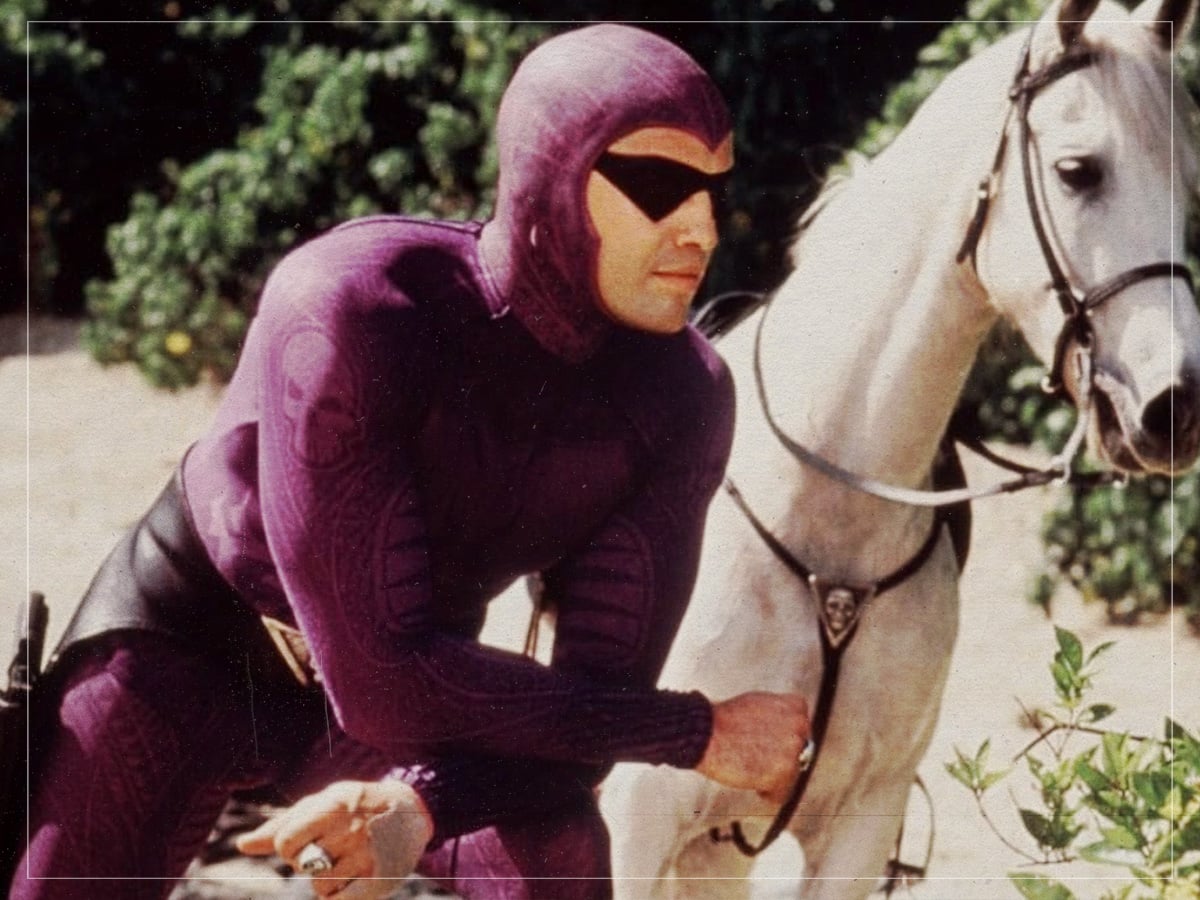
Although the success of Batman had ignited an obsession with superhero films in Hollywood, studios didn’t turn to more DC and Marvel characters, and instead drew from pulp heroes of the ‘30s like Dick Tracey, The Shadow, and The Rocketeer. The Phantom was based on a script by Joe Dante that was intended to be a satire of the inherently ridiculous genre, but he was shocked to learn that director Simon Wincer had decided to make a straight-faced adventure film.
It’s perhaps only in 1996 that a major Hollywood action film starring Billy Zane in purple tights could be released without the Internet tearing it to shreds from the moment that set photos were leaked or a trailer debuted online. It may not have ended up being the spoof that Dante intended it to be, but there are enough cheeky moments in the film to suggest that at least Zane was in on the joke.
