


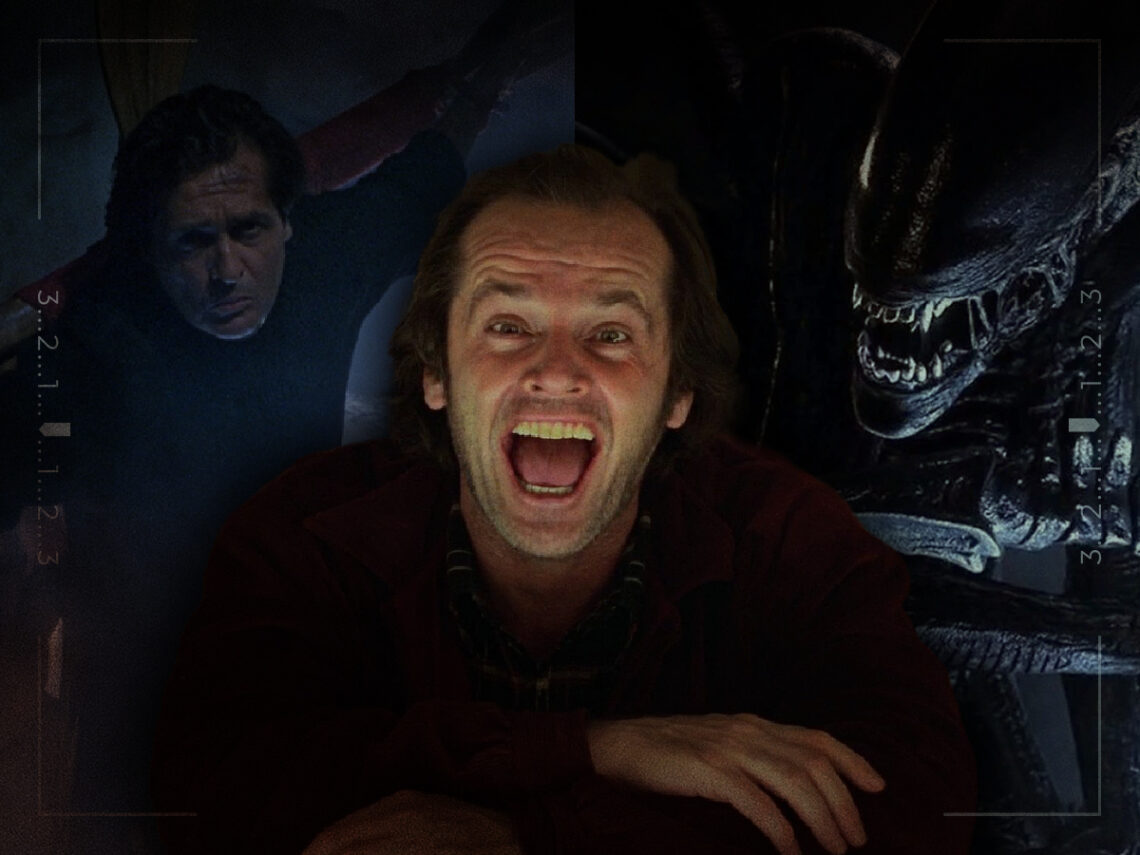
10 unforgettable jump scares that get you every time

A horror film can’t rely on jump scares, but that doesn’t mean that they can’t occasionally be used effectively.
Within the community of horror aficionados, the use of jump scares is somewhat controversial. While having a direct, shocking instance that takes the audience by surprise can be elemental in setting the right tone, its overuse can be a sign of amateur filmmaking craft. The greatest horror films of all time have deeper, psychological ideas that get under the audience’s skin and create a perpetual tone of suspense that leaves viewers completely bewildered, with some of the worst jump scares tending to pop up in recent years, specifically in franchises that are made cheaply and without craft.
Even if there is a proud history of horror classics that are made with little-to-no budget, studios like Blumhouse have clearly spent very little on films that don’t respect the audience, such as the Paranormal Activity sequels, in particular, standing as a strong example of how terrible jump scares embody the extent of laziness in a horror film if it doesn’t take the time to develop anything subtextual.
That being said, any master of the genre knows how to effectively catch an audience off guard with a jump scare that will keep them on the edge of their seat. It’s an essential part of what makes horror cinema a unique experience that benefits from being seen with an active and involved crowd.
10 unforgettable jump scares that will always get you:
‘The Lord of the Rings: The Fellowship of the Ring’ (Peter Jackson, 2001)
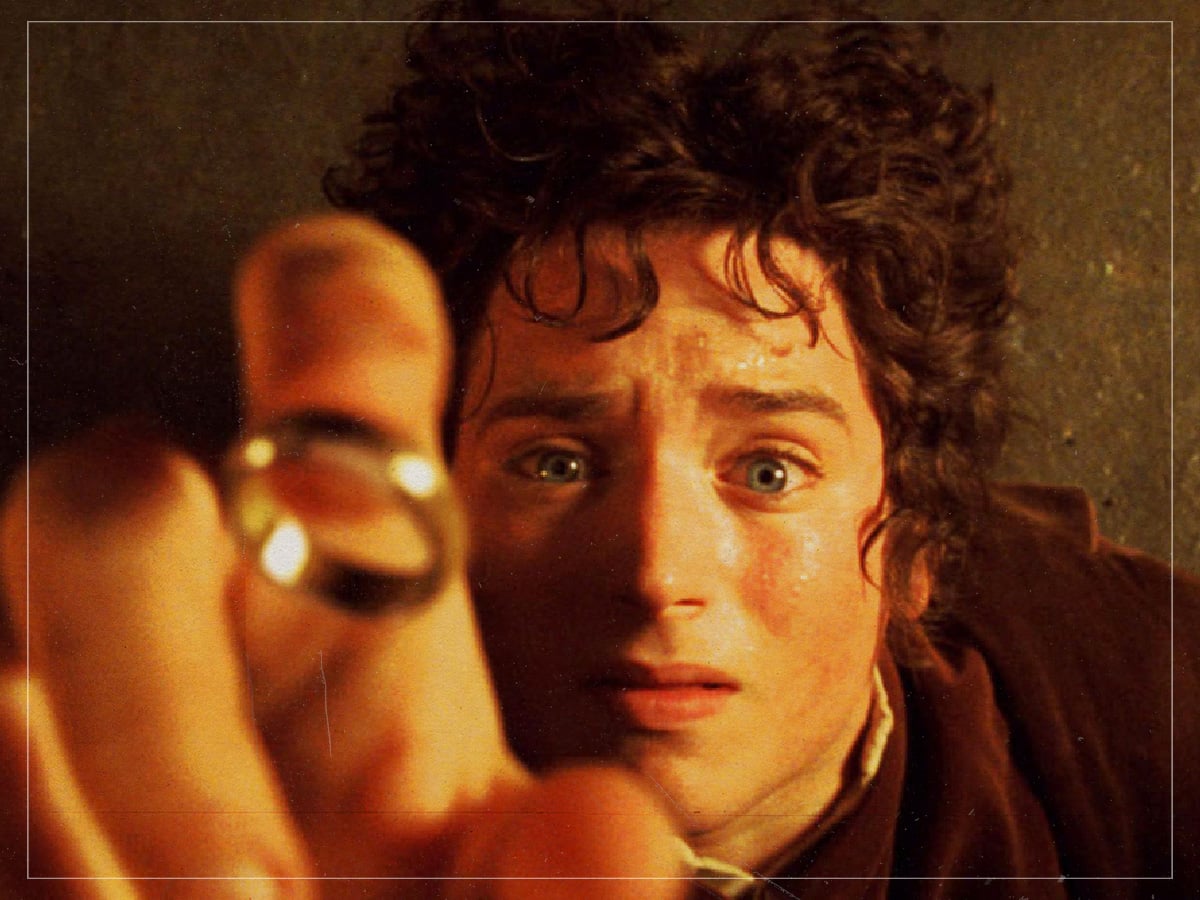
The Lord of the Rings is not a horror franchise, but its director Peter Jackson had attracted a significant reputation as a horror aficionado based on the early, low-budget New Zealand films he made, such as Bad Taste, Meet the Feebles, and Braindead, and although The Lord of the Rings trilogy mostly adheres to the classical style of a fantasy epic, the director could not help himself by incorporating at least one terrifying jump scare.
It’s after Frodo Baggins has been brought to Rivendell to meet the Council of Elrond that he finally reunites with his uncle, Bilbo Baggins, who transforms into a monstrous figure when he tries to steal the One Ring. It was the perfect way to show how deeply corrupting the One Ring was to anyone who would be tempted by its power, and why it was important for Frodo to destroy it.
‘Se7en’ (David Fincher, 1995)

David Fincher is Hollywood’s expert when it comes to serial killers, thanks to Zodiac, The Girl With The Dragon Tattoo, and Mindhunter, but he first showed his brilliance in creating a psychological thriller about a ruthless murderer with the 1995 classic Se7en. Although it has one of the most disturbing endings in film history, the most unforgettable jump scare occurs earlier on when detectives William Somerset, played by Morgan Freeman, and David Mills, played by Brad Pitt, come across the body of a victim who was left behind by the serial killer, Kevin Spacey’s John Doe.
Although the victim, a presumed killer himself, was left to wither away on a bed with the nickname ‘Sloth’ attributed to him, there’s a shocking instance in which he is revealed to still be alive, which is the first time Somerset realises they may be dealing with a deeper source of evil.
‘Signs’ (M Night Shyamalan, 2002)
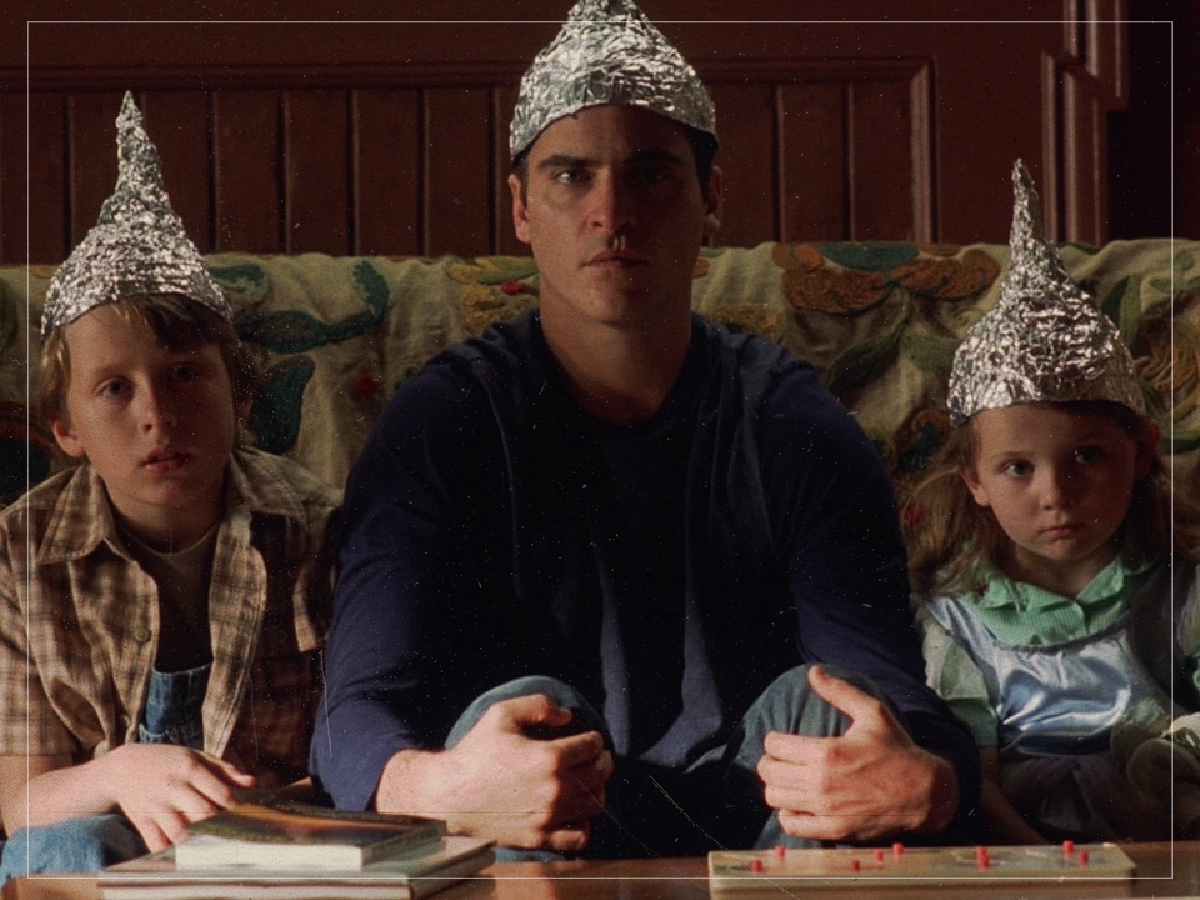
M Night Shyamalan has a somewhat divisive reputation in the horror fan community, and not just because his films began to decline in quality over time. Shyamalan certainly includes creepy moments, often ones that are supernatural, but there are only a few instances in which one of his films could be classified as horror.
At first glance, Signs is a rather straightforward science fiction drama that focuses on a family as they mourn together as an alien invasion threatens the future of the planet, but there’s a scene in which Joaquin Phoenix’s Merrill watches video footage of aliens showing up at a children’s birthday party that is absolutely haunting, proving that the threat of an extraterrestrial invasion is not some theoretical conspiracy, but a reality that he and his family will have to deal with in the very near future.
‘The Thing’ (John Carpenter, 1982)
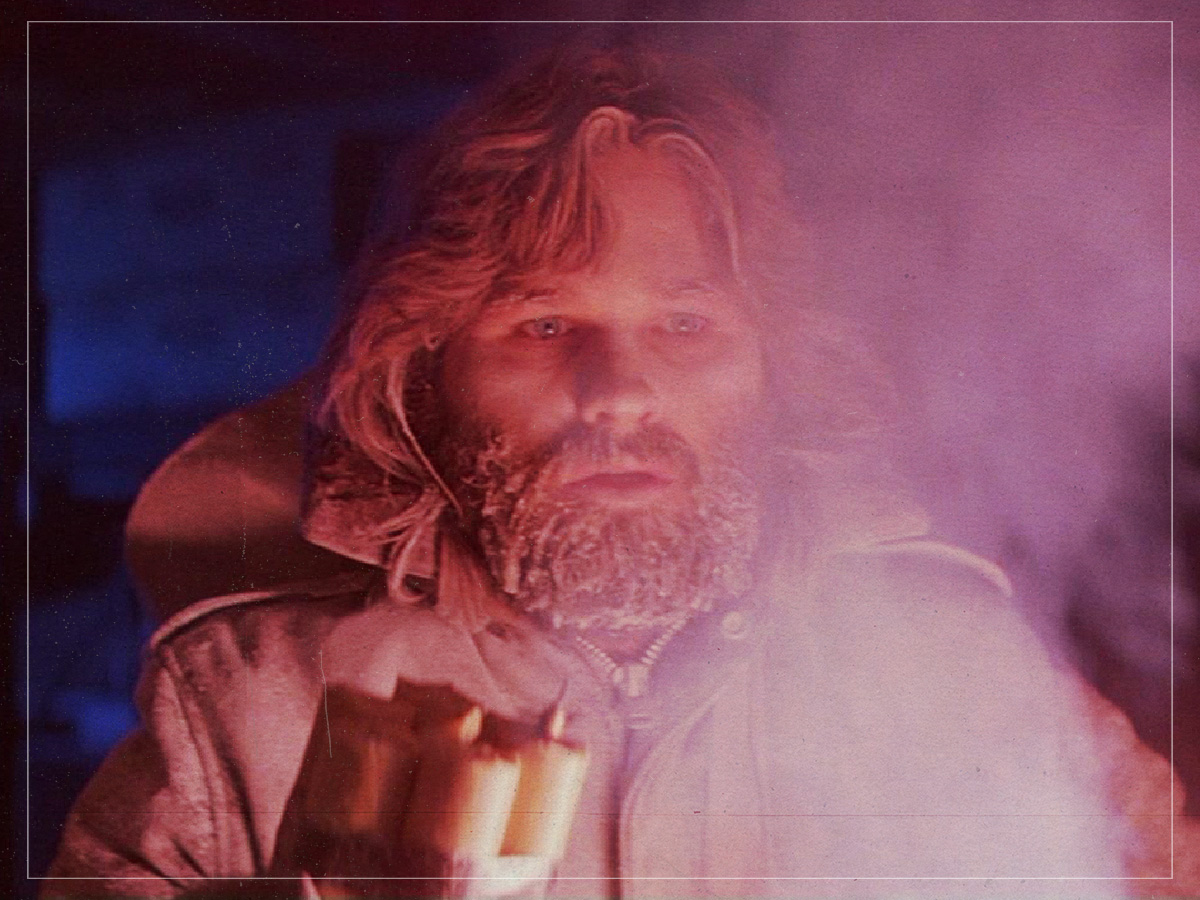
John Carpenter is without a doubt one of the most influential horror filmmakers of all time, and has particularly been acclaimed for the run of films that he made with Kurt Russell. The Thing was loosely based on the classic science fiction body horror film The Thing From Another World, but was soon hailed as one of the most definitive monster films ever made, boasting of the most impressive use of groundbreaking makeup and visual effects when Russell’s character MacReady is testing the other scientists in the snowy bunker to see if they could be secretly the alien creature that can take form.
The shocking transformation of Norris, which involves an alien creature seemingly growing out of him, is so visceral that it redefines the type of threat that MacReady and his companions will be forced to deal with.
‘Insidious’ (James Wan, 2010)
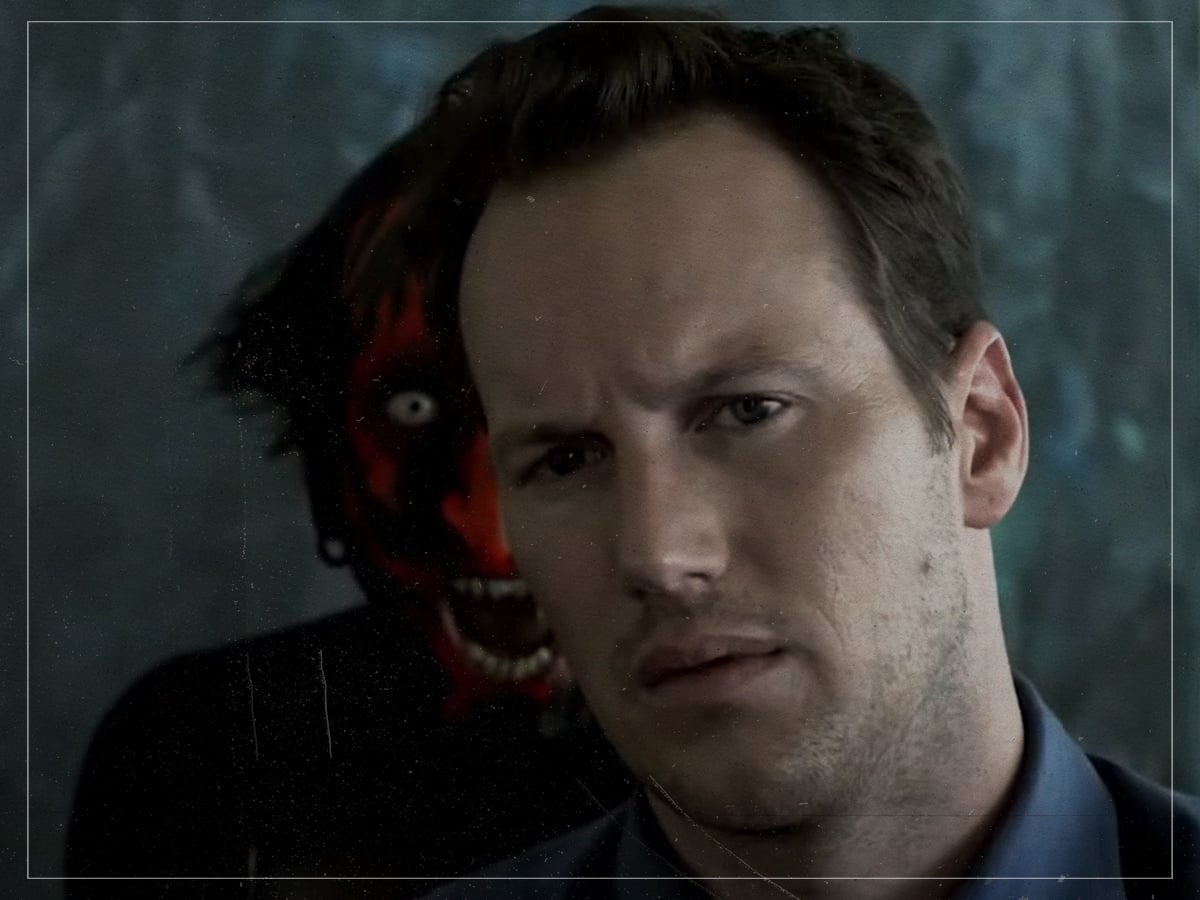
James Wan is responsible for some of the most influential properties in contemporary horror, as he created the Saw franchise and started The Conjuring universe, and while the Insidious series might be considered the lesser of the three sagas he created, perhaps because it’s the only one in which the entries are all rated PG-13, the first installment in the series includes the most shocking jump scare of Wan’s career.
It’s during a seemingly normal dinner conversation between Patrick Wilson’s Josh and Rose Byrne’s Renai Lambert that a mysterious demon appears in the background to haunting results. The brilliance of Wan’s direction is that he does not anticipate the scene with rising music or any sort of foreshadowing that would clue in the audience, but just simply allows the emergence of the supernatural into a normal moment of interaction to speak for itself.
‘Mulholland Drive’ (David Lynch, 2001)
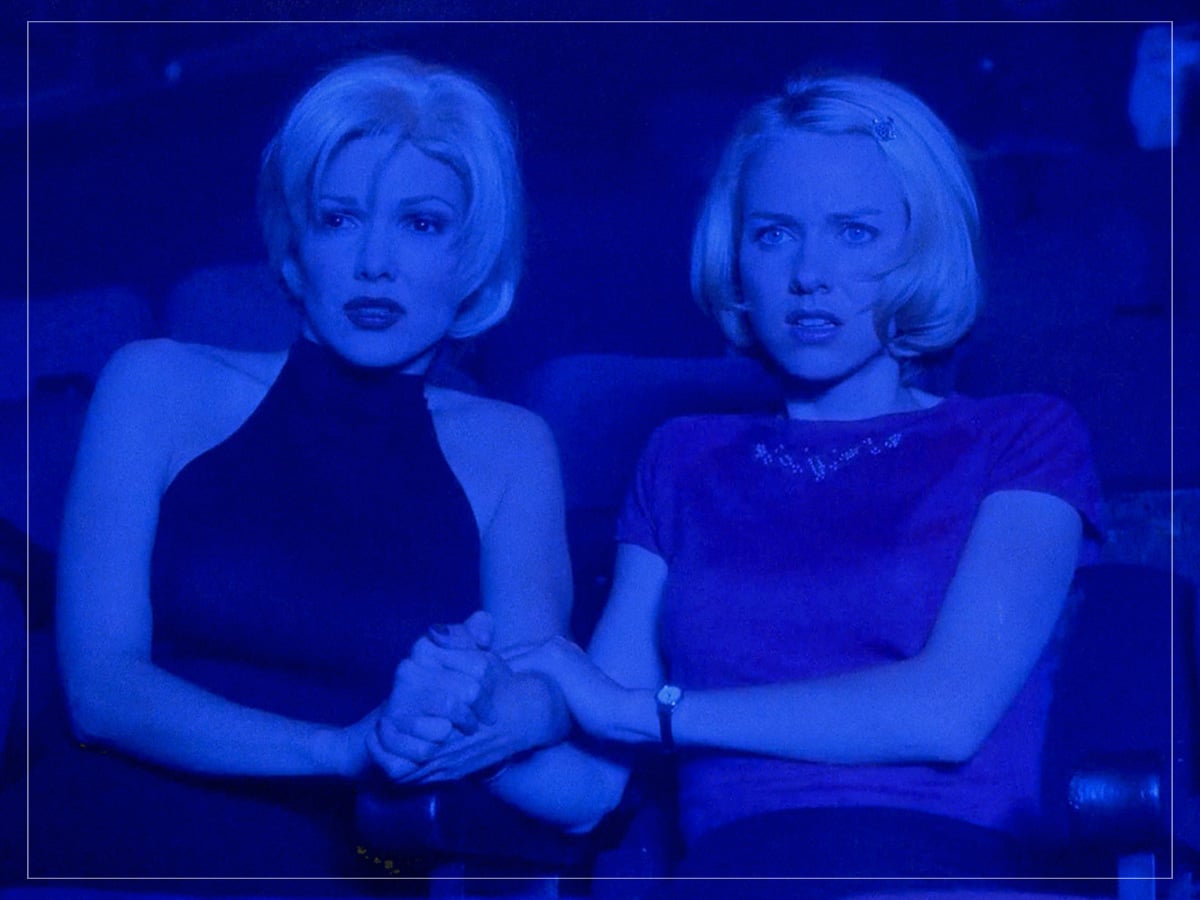
David Lynch has made films that embody all types of subgenres, including satire, experimental, dark comedy, thriller, and supernatural, and Mulholland Drive is often considered to be his masterpiece because it crystallised his feelings about the real location in Los Angeles, and showed how Hollywood insidiously preyed upon young dreamers before stealing their essence.
Dreams are an important component of any Lynch film, and there’s a critical moment in Mulholland Drive where Dan, played by Patrick Fischler, is discussing a nightmare he had at a diner, and it’s after walking out of the diner that he sees a horrific creature in the sunlight that is so terrifying that it causes him to collapse. It served as a statement on Lynch’s part that none of the characters in Mulholland Drive would be safe, as even figures from their literal nightmares were there to prey upon them in broad daylight.
‘The Shining’ (Stanley Kubrick, 1980)
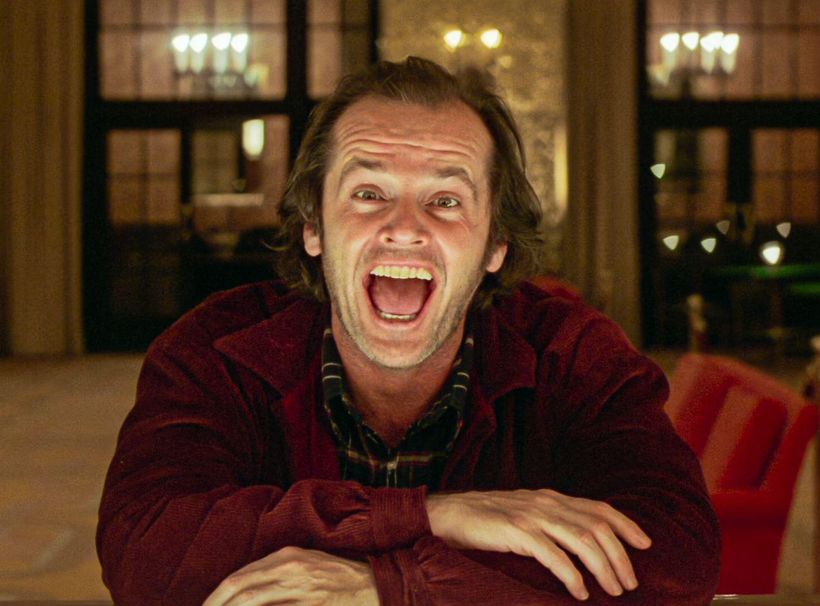
Stanley Kubrick famously invoked the wrath of author Stephen King when his adaptation of The Shining proved to be nothing like the book, particularly in the way it depicted Jack Torrance, played by Jack Nicholson, and his relationship with the Overlook Hotel. Although the novel had depicted Jack as being a troubled, tragic character who was wrestling with the darkness inside him, Kubrick implied that he had been evil from the beginning, and that the Overlook had only unlocked his desire for brutality.
The now-famous moment in which Nicholson yells “Here’s Johnny!” while breaking down a door with an axe may have become subjected to endless parodies, most notably by The Simpsons, but it is hard to overstate just how terrifying it was for audiences in 1980 who had no idea what they were getting into, not to mention that it’s the scariest Nicholson has ever been.
‘Jaws’ (Steven Spielberg, 1975)
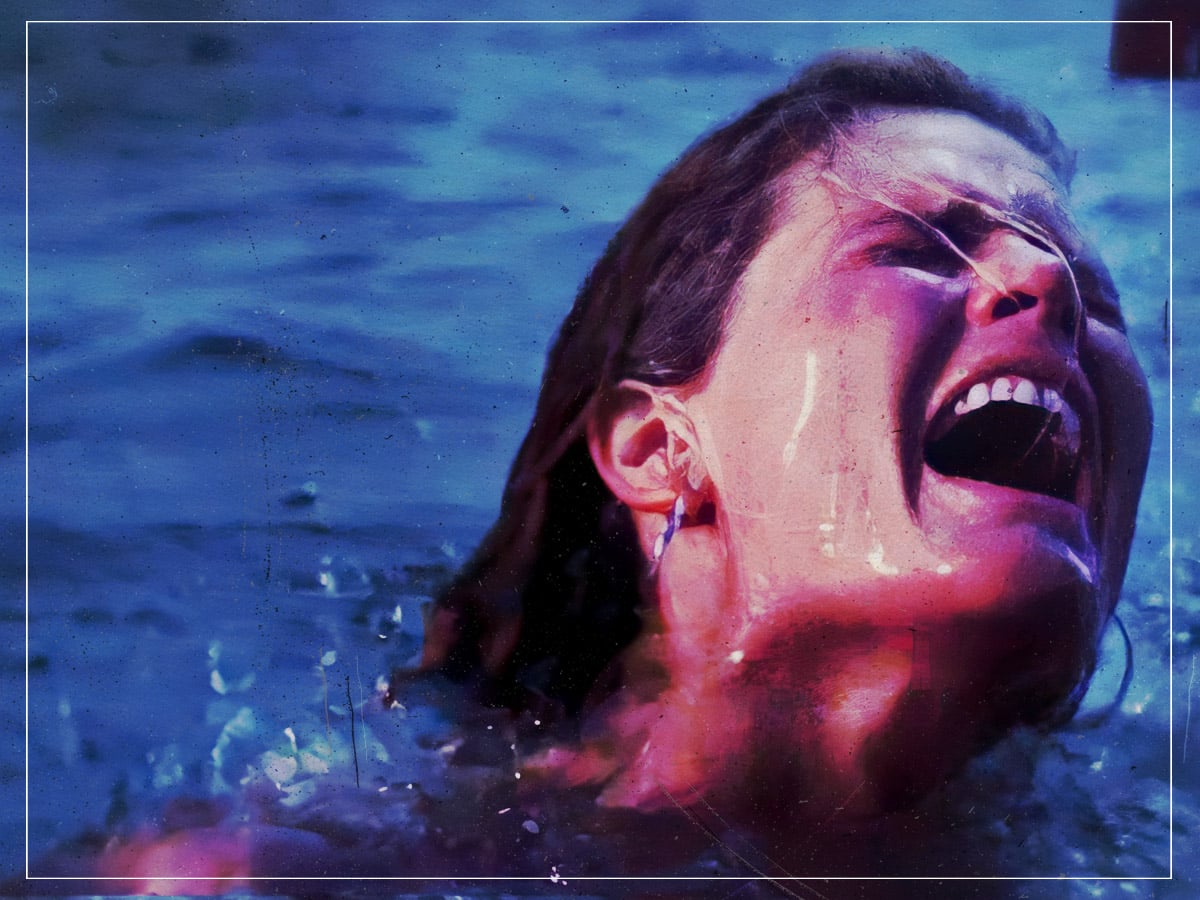
Steven Spielberg went through hell making Jaws, a shoot that sent his entire crew spiralling and resulted in a bitter feud between Richard Dreyfuss and Robert Shaw. In one of the greatest instances of limited resources being preferential in cinematic history, Spielberg was limited by how much he could show off the main shark (which the crew had nicknamed Bruce) because the creature wasn’t working.
The decision to keep the shark looming in the background, never giving the audience a full glimpse, is what made Jaws so terrifying, and led it to become the highest-grossing film of all-time (at least until Star Wars topped it two years later). The one shot in which Bruce emerges from the water, leaving a shocked look on the face of Chief Brody, played by Roy Scheider, has now become the film’s most defining image.
‘Alien’ (Ridley Scott, 1979)
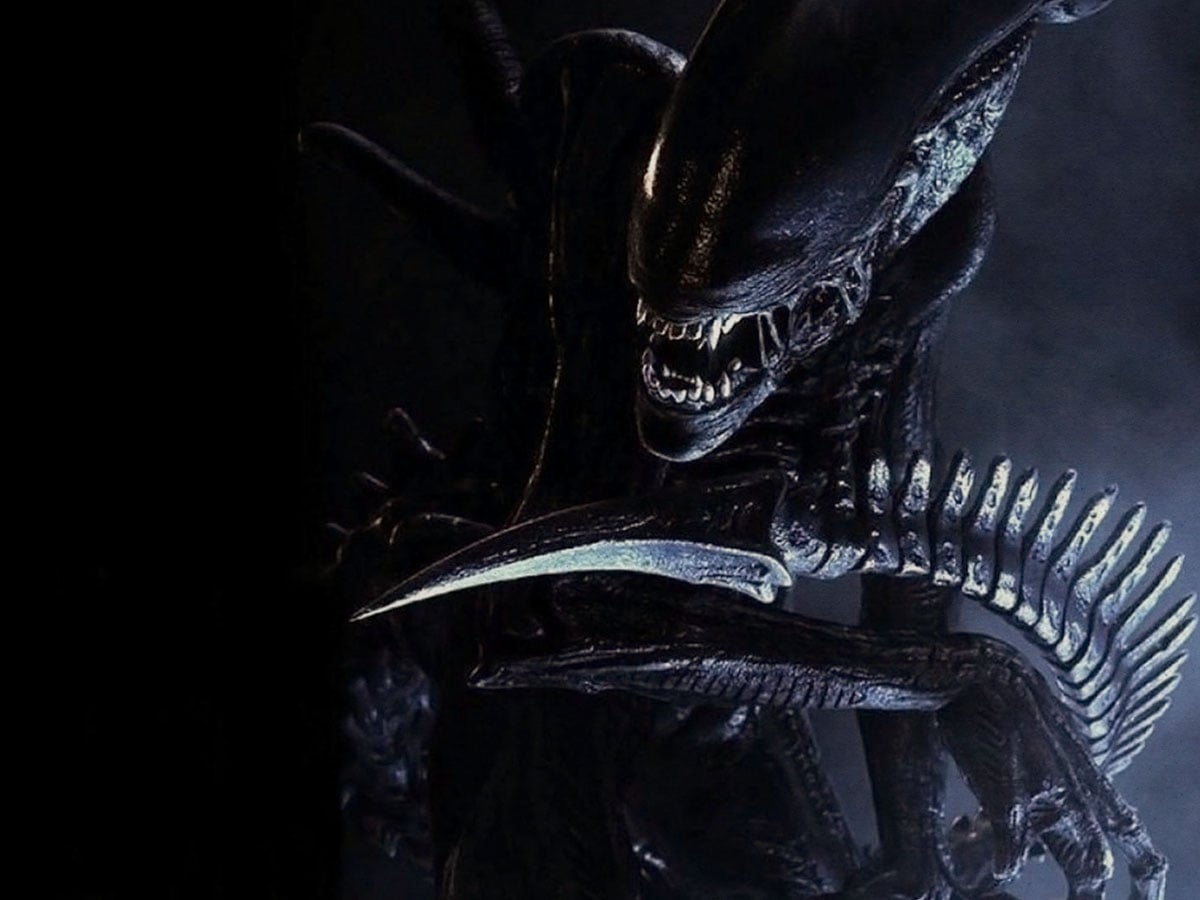
Ridley Scott has been making films for over 50 years, but he may have peaked when he came up with the brilliant logline of “Jaws in space”, which helped sell Alien as the first modern science fiction horror film. As was the case with Jaws, Scott made a brilliant decision to only hint at what the Xenomorph would look like until it was absolutely essential, allowing the audience to get progressively anxious.
The biggest shock of the film occurs when the ‘chestburster’ emerges from John Hurt’s Dallas’ body during a meal, which shocks all of his fellow crew members; the looks of terror reflected in the actors were real, as Scott did not tell them what the effect would look like until the day of shooting. The moment itself became so famous that it would be parodied less than a decade later in Spaceballs, with Hurt reprising his role.
‘The Exorcist III’ (William Peter Blatty, 1990)
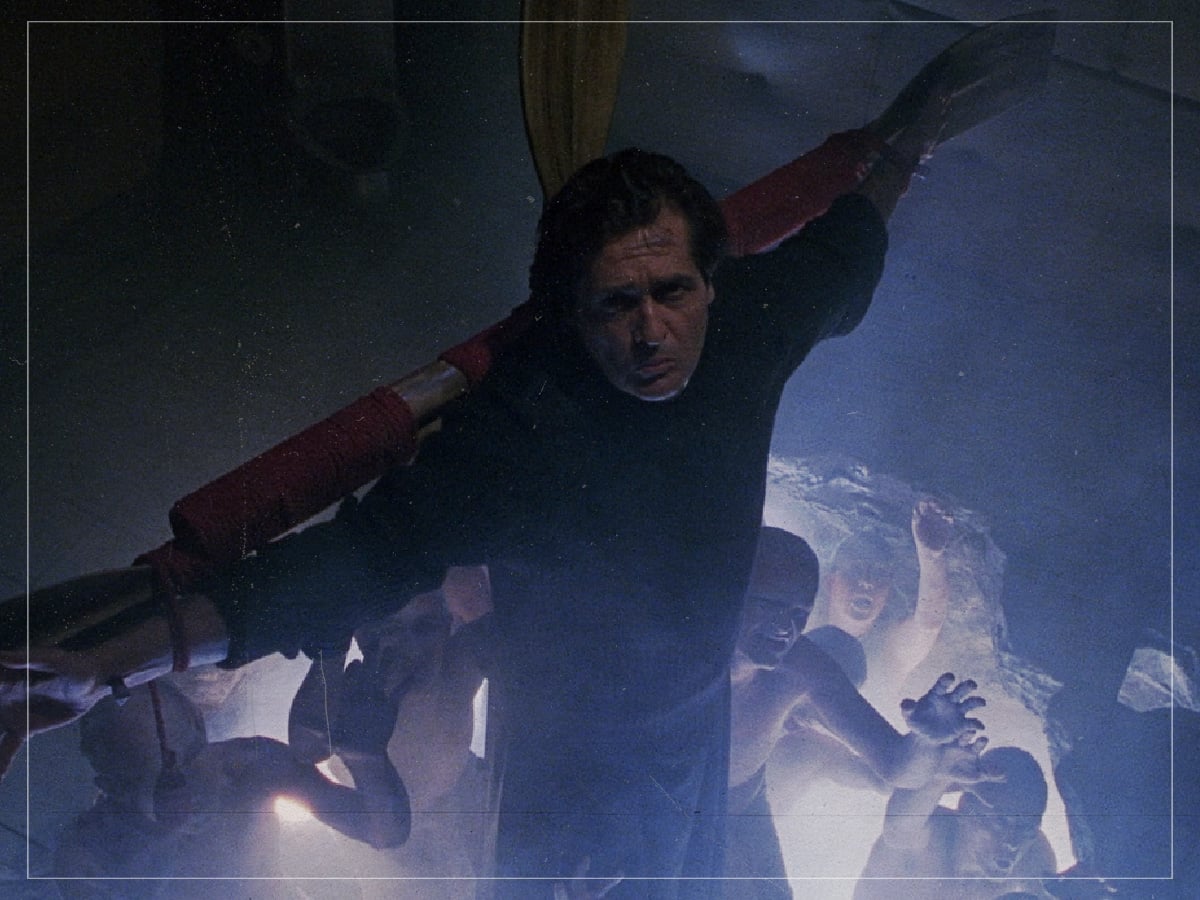
The Exorcist was a true phenomenon in 1973 that changed the way that horror films were released and received, and has still been remembered as a classic in the genre. The film’s sequel, Exorcist II: The Heretic, was such a disaster that it led the franchise to go extinct for over a decade, and then William Peter Blatty, who had written the original The Exorcist novel, returned to direct the third film in the series, which was adapted from his latest novel, Legion.
The Exorcist III follows Detective Lt Kinderman, played by George C Scott, as he attempts to investigate the Gemini Killer, portrayed by Brad Dourif, and his connection to the supernatural. However, it is a sequence of a nurse going through her duties in a quiet hospital that ends with a shocking moment of violence that solidified The Exorcist III as a masterpiece that was equally as terrifying as its predecessor.
