


10 movies made worse by a director’s cut

The myth that every director‘s cut is superior is a lie.
The clash between studios and filmmakers over the matter of artistic freedom has become so extreme that it has caused the need for ‘director’s cuts’, which are versions of the film in which the director has the final edit. There are many famous examples of studios needlessly cutting down films for their theatrical releases, only to have their directors release more completed and satisfying versions on their own.
Ridley Scott’s Kingdom of Heaven, Orson Welles’ Touch of Evil, and Sergio Leone’s Once Upon a Time in America are just a few of the legendary director’s cuts that made significant changes and have become the definitive versions of the films. In some cases, like with Francis Ford Coppola’s version of The Godfather: Part III, the extra cut was enough to turn a bad film into a good one.
Although there are many filmmakers out there who claim that any issues that audiences and critics have with their work can be fixed by a director’s cut, it’s not always a guarantee that it will be superior. In many cases, director’s cuts only add in deleted scenes that had been taken out for a reason, and it can be dangerous when a filmmaker returns to their own material years later while they are in a different headspace. Good directors can sometimes be caused to doubt their prior instincts, and bad directors aren’t going to get any better if they are afforded the chance to make their films longer.
10 times the director’s cut ruined the film
‘ET the Extra-Terrestrial’ (Steven Spielberg, 1982)
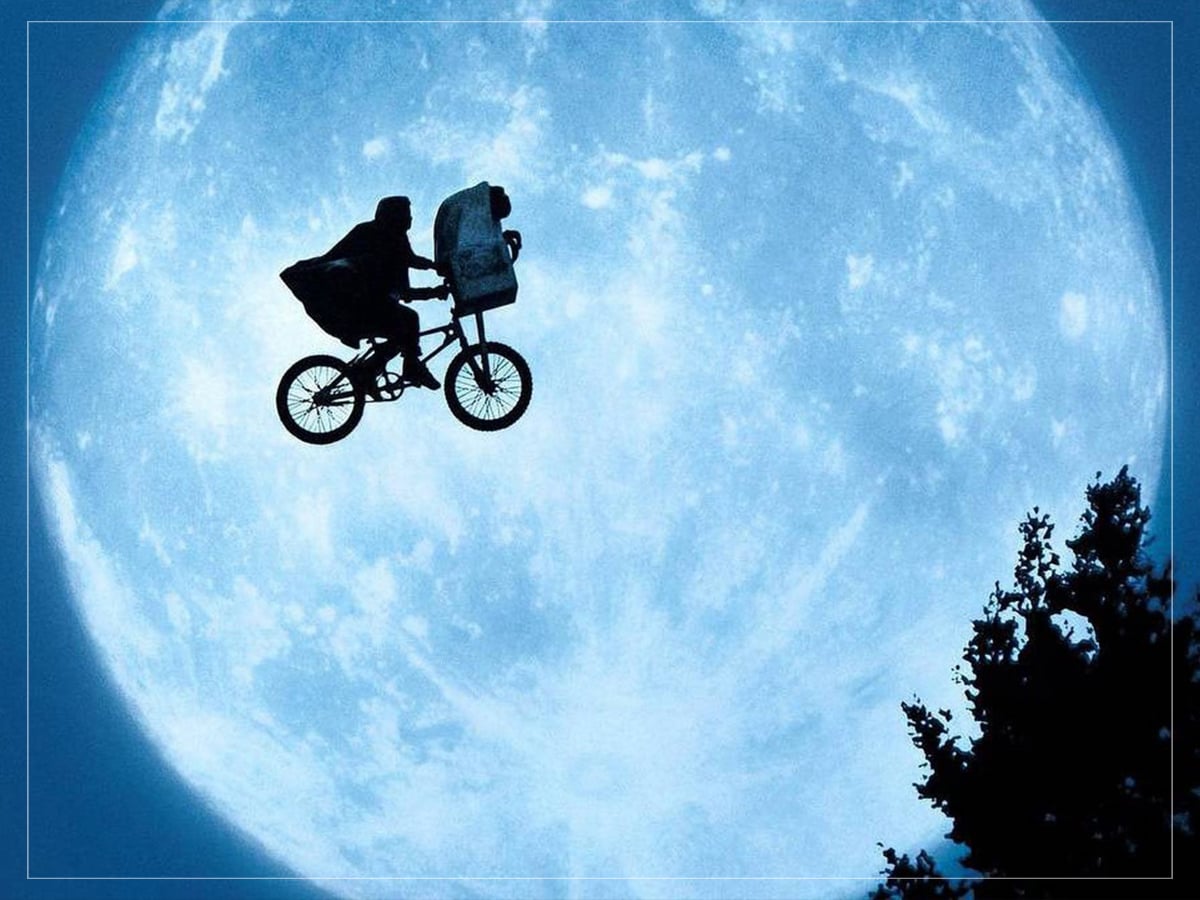
Steven Spielberg was in the most creatively industrious period when he made ET the Extra-Terrestrial, which became a phenomenon that surpassed Star Wars to become the highest-grossing film of all time. Spielberg’s film is regarded as flawless, but he decided to tinker with it in a 2002 Special Edition re-release that included several deleted scenes and added digital touch-ups. Most notable was a moment in which guns were replaced by walkie-talkies, which led to criticism that Spielberg was trying to shy away from darkness in the original film.
Humbled, he has since allowed the original version to exist as the definitive edition. Given the level of control that Spielberg has generally been allotted and his unprecedented level of success within the industry, he hasn’t had many instances in which he has felt the need to have a director’s cut.
‘Star Wars: Episode IV – A New Hope’ (George Lucas, 1977)
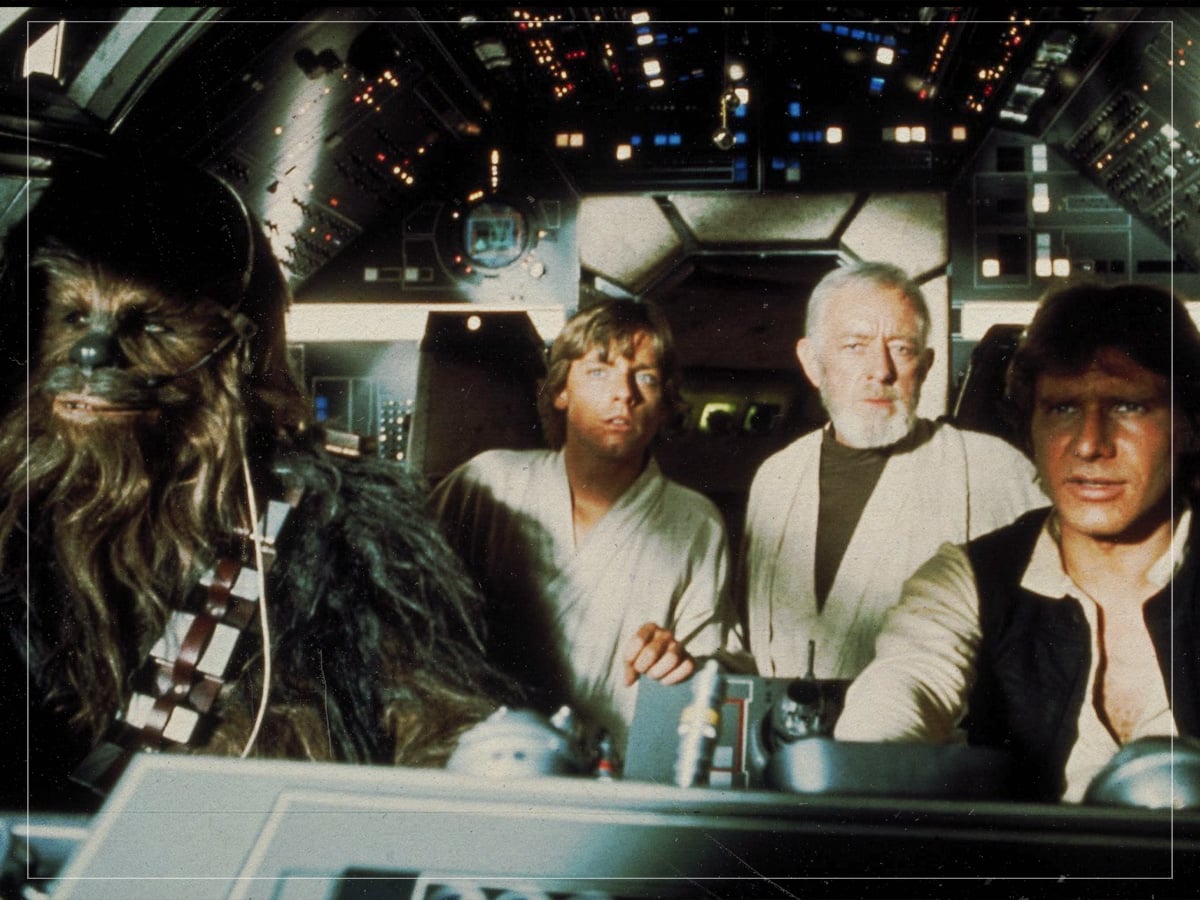
Star Wars had a famously troubled shoot that was so traumatic for George Lucas that he quit directing for over two decades until he decided to return and direct the first instalment in the prequel trilogy. Despite voicing criticism for altering the colour of classical films, Lucas made many significant changes to the original Star Wars trilogy when they were re-released on the big screen in 1997 as the ‘Special Editions’.
New CGI effects were added, and an infamous scene was changed so that Harrison Ford’s Han Solo is not the first to shoot when confronted by the bounty hunter Greedo in the Mos Eisley Cantina, but despite the backlash from fans, he continued to make more changes when the films debuted on DVD in 2004, were released on Blu-Ray in 2011, and premiered on the Disney+ streaming service in 2019.
‘Léon: The Professional’ (Luc Besson, 1994)
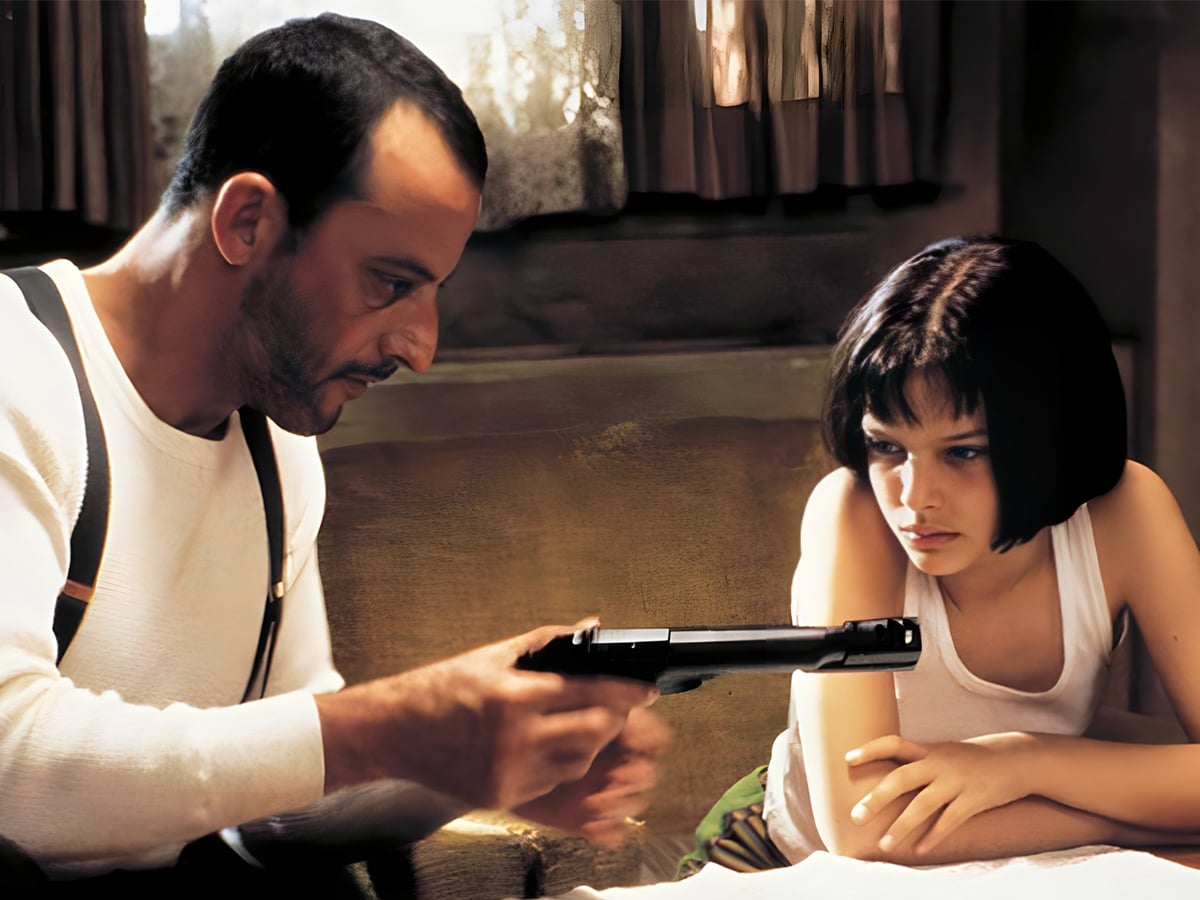
Luc Besson is all style and no substance, but he managed to make one genuinely beloved classic with Léon: The Professional, hailed as one of the most influential action films of the ‘90s. However, there has always been criticism against Besson for the questionable relationship between the titular assassin, Jean Reno’s Léon and the young Mathilda, played by Natalie Portman, who hires him to kill the cop, played by Gary Oldman, who murdered her parents.
Portman has come to regret her part in the film, and the allegations of sexual misconduct against Besson has made it harder to rewatch. The extended edition of the film adds about 25 minutes of new footage, in which it is implied that there is some sort of sexual relationship going on between Léon and Mathilda; in France, where the film was shot, the age of consent is 15.
‘Rebel Moon – Part One: A Child of Fire’ (Zack Snyder, 2023)
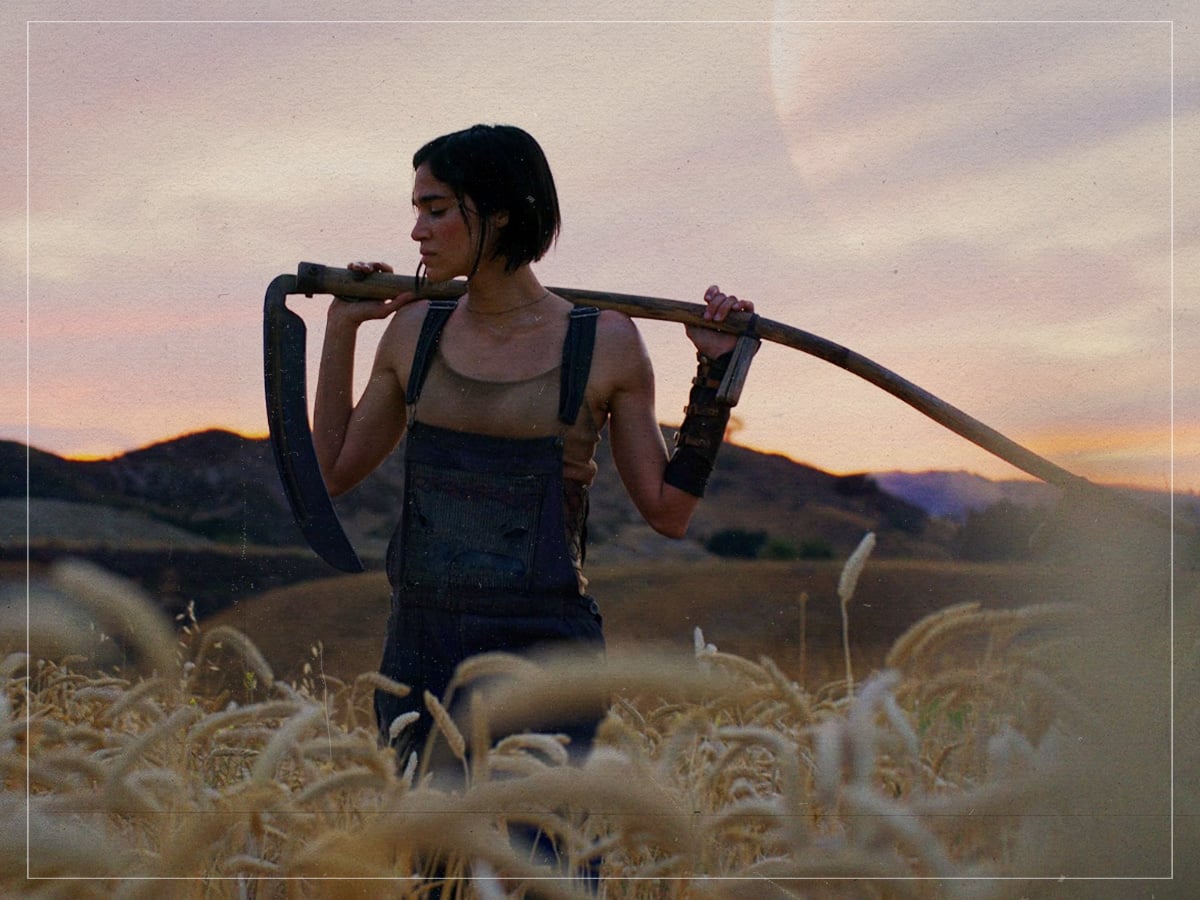
Zack Snyder has tried to blame every criticism of his films on not being given a director’s cut, even though he can’t have legitimately thought that Warner Bros was going to let him make R-rated DC films with Batman and Superman that were over three hours long. However, Snyder was revealed to be a complete charlatan with the release of his Netflix film Rebel Moon – Part One: A Child of Fire.
Even though Netflix gave him complete creative control, he still made a PG-13 film that he later expanded into an R-rated cut that included more senseless gore and filler scenes. Both instalments in the Rebel Moon franchise were so reviled, especially after their director’s cuts were revealed, that they infuriated fans who thought that they would be getting a completed story, causing Netflix to cancel its deals with Snyder.
‘The Blues Brothers’ (John Landis, 1980)
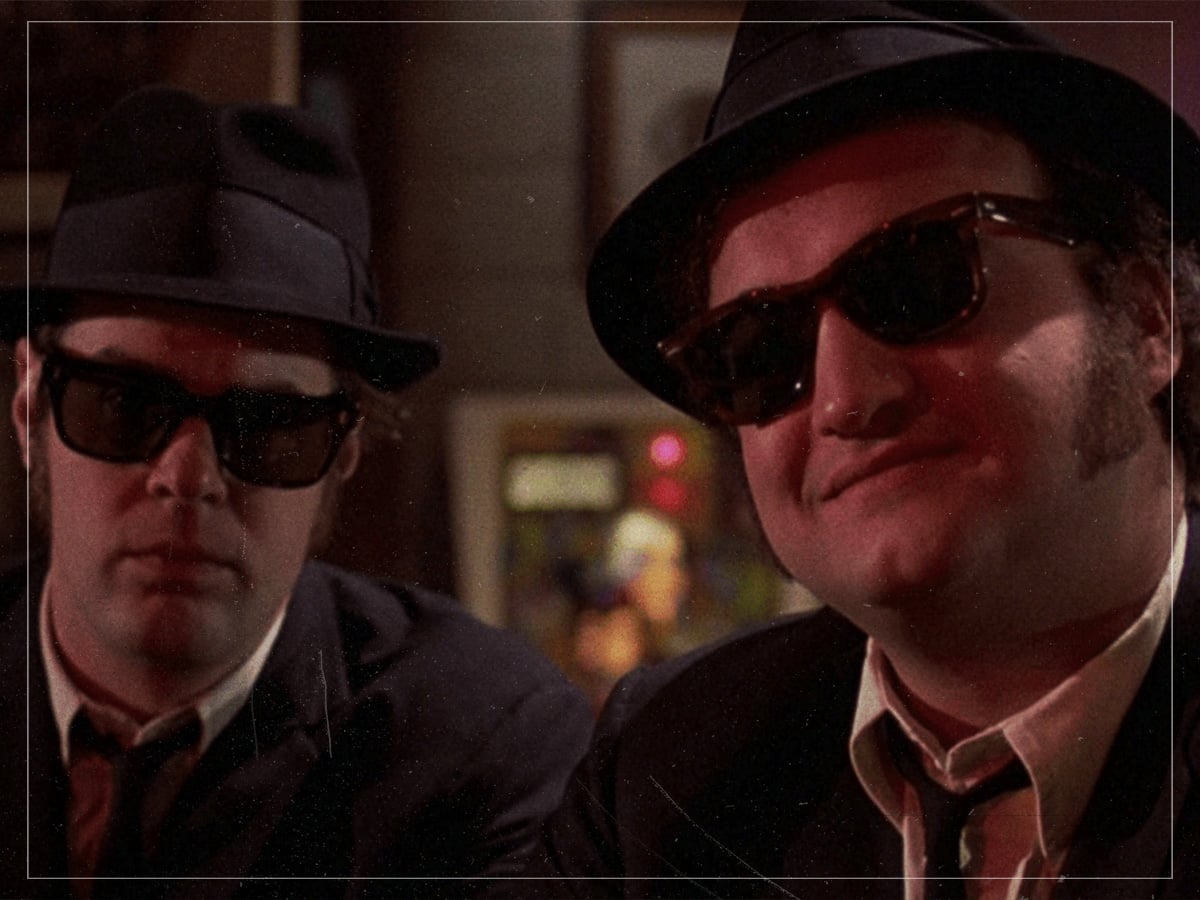
John Landis is a reprehensible human being who is hated in the industry, but that doesn’t mean that he isn’t also a genius when it comes to comedy. The Blues Brothers is remembered as being a cult classic because it was the first instance of a Saturday Night Live sketch being taken to the big screen, with John Belushi and Dan Aykroyd reprising their roles from the series. The theatrical cut is already pretty long, as it’s rare that a studio comedy is more than two hours.
Although the excess is part of the point, Landis’ director’s cut pads out scenes with more jokes and includes extra musical numbers, ensuring that the pacing is completely sacrificed. It was evident that he had lost touch with what made the film so great, which may explain why his sequel, Blues Brothers 2000, was such a disaster.
‘Rocky IV’ (Sylvester Stallone, 1985)
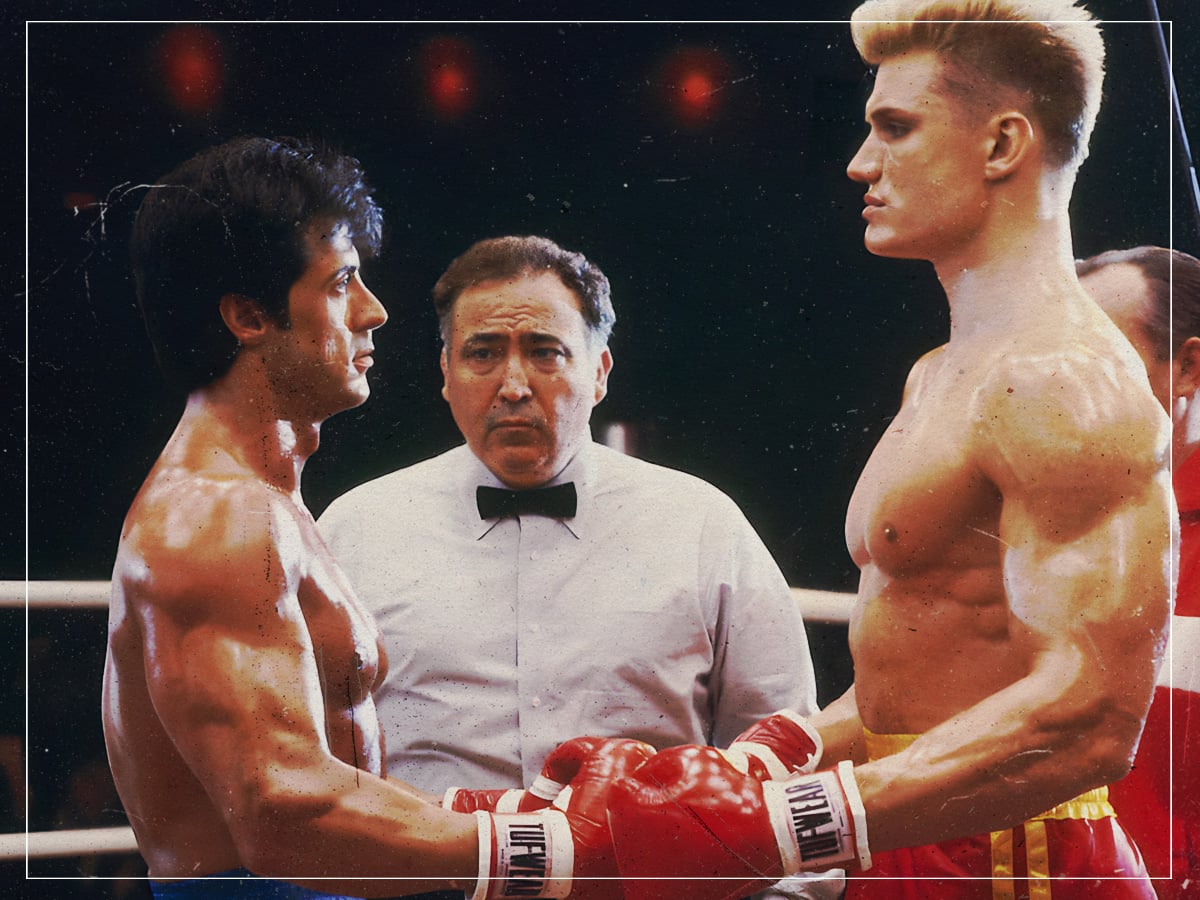
Sylvester Stallone never had more control in the industry than he did in 1985, which saw the release of both Rambo: First Blood Part II and Rocky IV, the latter of which he directed. Rocky IV is a completely ridiculous glorification of Americana and excess, and has been celebrated for the unabashed goofiness of its endless training montages, wacky side elements, and a ridiculous ending where Rocky gets the crowd in the Soviet Union to cheer for him.
Stallone recently released a new cut of the film that tried to make it more serious, removing elements like the robotic butler hired by Paulie (Burt Young). The issue is that Rocky IV is a great film because it’s easy to make fun of; the Rocky sequels had become entertaining because they were silly, and Stallone lost sight of that when he returned to the material with a serious lens.
‘Dumb & Dumber’ (The Farrelly Brothers, 1994)
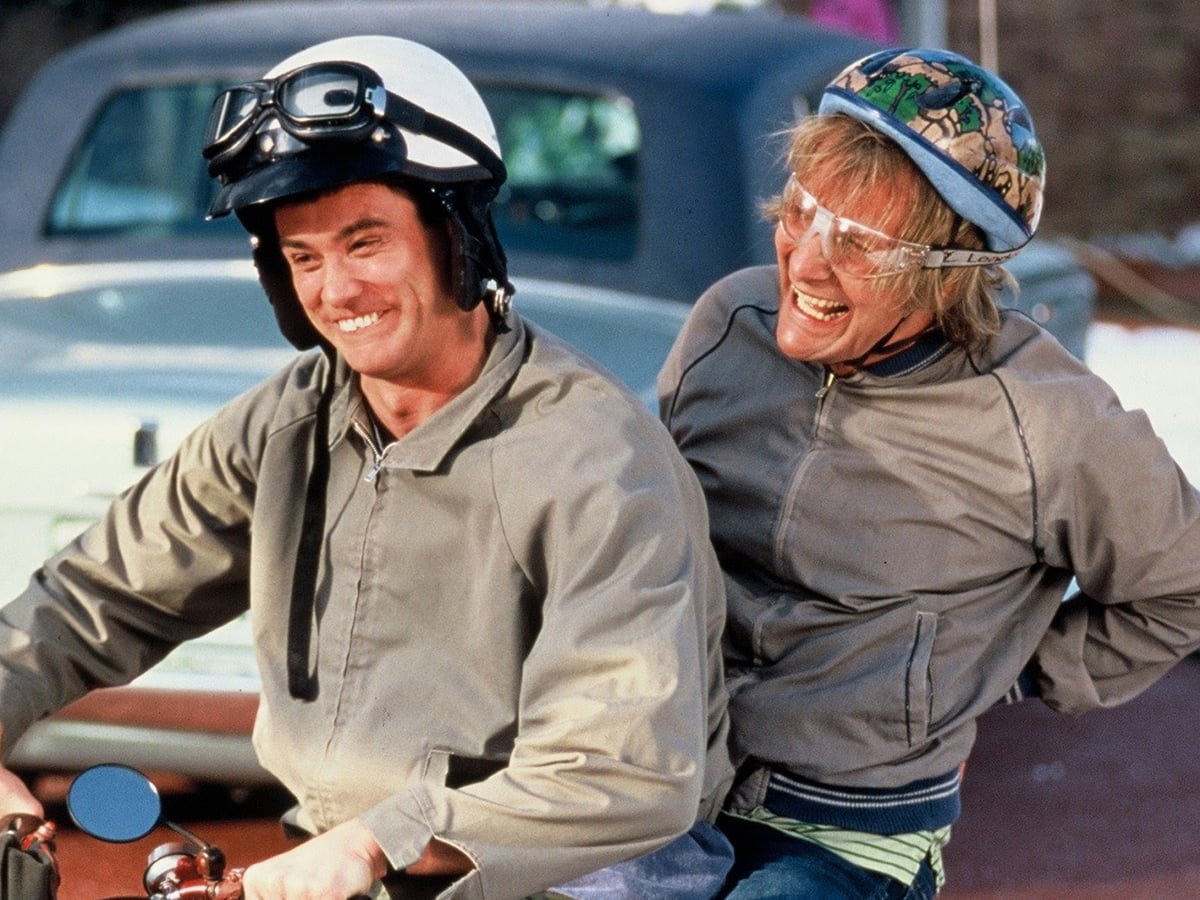
The Farrelly brothers were once considered to be the most consistent comedy filmmakers in the industry, as they had a run of hits in the late ‘90s and early 21st century that rivalled that of Adam McKay, Judd Apatow, Paul Feig, or any other contemporary comedy directors. Dumb & Dumber might not be as great a film as There’s Something About Mary or Kingpin, but it’s certainly a classic that is remembered lovingly by those who grew up with it.
Part of the charm in Dumb & Dumber is that the Farrellys were able to get away with a number of gross-out gags and lewd jokes within the confines of a PG-13, making it less funny when they did an ‘Unrated’ edition that was raunchier. It added six extra minutes that are grosser and more profane, but not any funnier.
‘Mallrats’ (Kevin Smith, 1995)
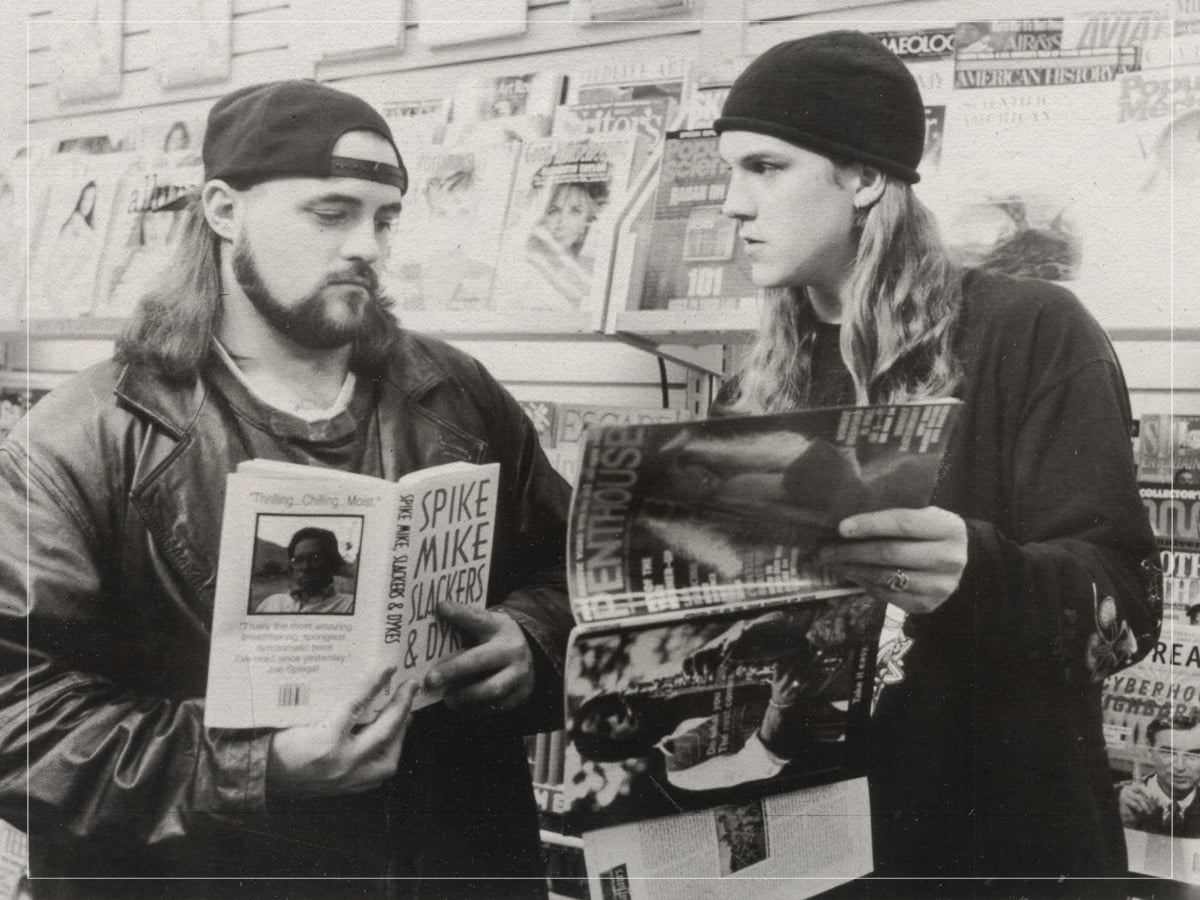
Kevin Smith was on a creative high when he made Mallrats because he was coming off the success of Clerks, his self-financed directorial debut that had become a surprise hit. Smith had to actually work with a studio on Mallrats and deal with the consequences of a negative test screening, in which 30 minutes were shaved off. The Extended Edition of Mallrats revealed that these scenes just dragged down the pacing and included more attention to the conspiracy storyline involving the governor and the media.
The theatrical release of Mallrats is stronger because it feels more like a ‘hangout’ movie, and doesn’t feel burdened by an overcomplicated narrative that takes the story in a darker direction. Although Smith’s Silent Bob and Jason Mewes’ Jay are fun in the theatrical cut of Mallrats, they overstay their welcome in the director’s cut.
‘The Warriors’ (Walter Hill, 1979)
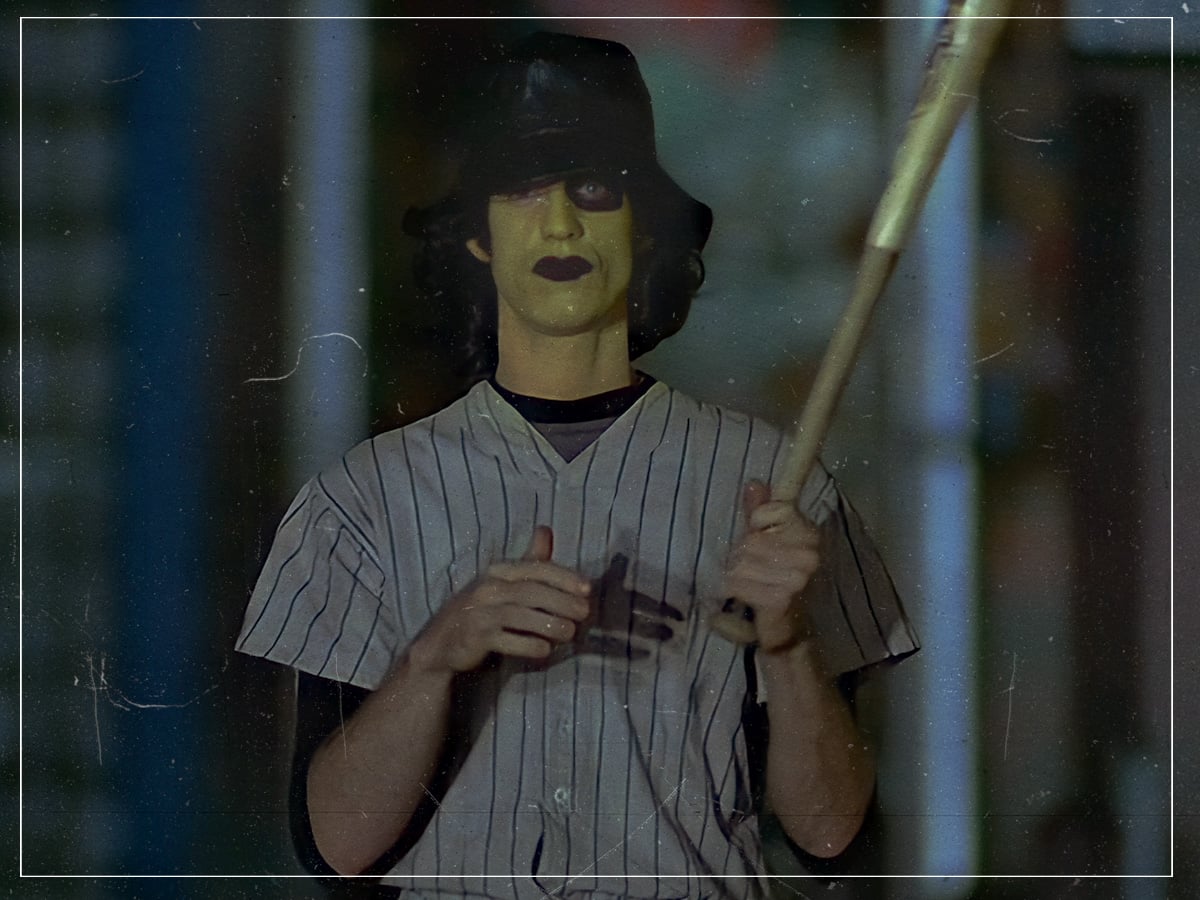
The Warriors was a cult sensation that sparked a passionate, dedicated fanbase, making it all the more disappointing how completely misguided Walter Hill’s director’s cut is. Perhaps the most derided aspect of the version is the use of controversial animated segments that are made to homage the comic book inspirations for the story; not only does the animation look bad, but it adds an aura of slickness to a film that was already working because it was rough around the edges.
Hill also added in deleted scenes and a new introduction, which only crippled the pacing of a film that had managed to get a lot done in a small amount of time. There’s even an introduction by Hill in which he explains how the story was inspired by Greek mythology, and fans didn’t need the subtext to be explicitly spelt out for them.
‘Blackberry’ (Matt Johnson, 2023)
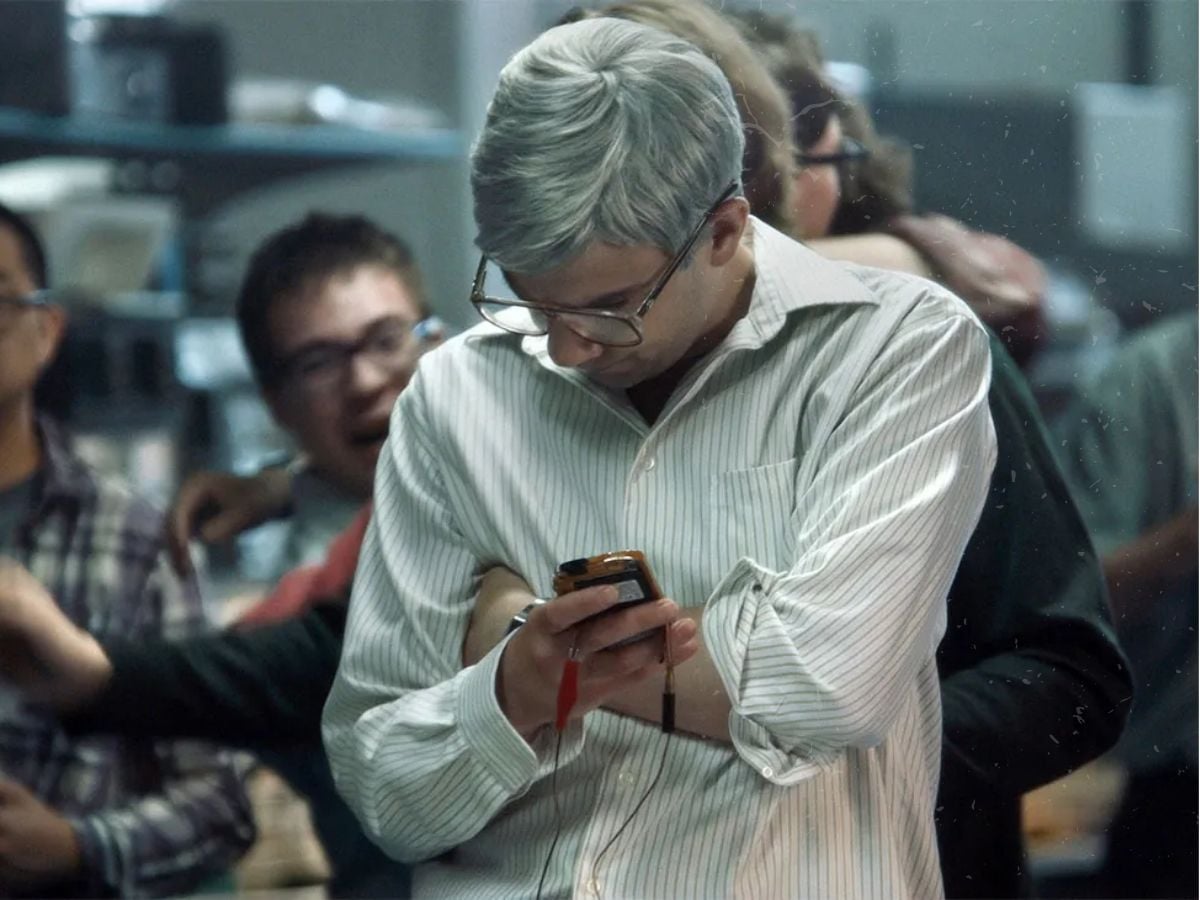
Canada has produced many exciting young filmmakers in the last decade, and few have proven to be as dynamic as Matt Johnson, the co-creator and co-star of Nirvana the Band the Show. Although he showed a remarkable degree of ingenuity with his dark comedy The Dirties and his meta conspiracy thriller Operation Avalanche, he hit a new level of brilliance with Blackberry, a historical drama about the dramatic rise and fall of the tech company.
Blackberry was an acclaimed film that won many Canadian film awards, but when it was picked up to air on AMC, the network chose to divide it into a miniseries. It was a completely awkward way to splice up a film that was already good, as the episodic breaks made the flow of the story worse when compared to how crisp it was in the theatrical release.
