


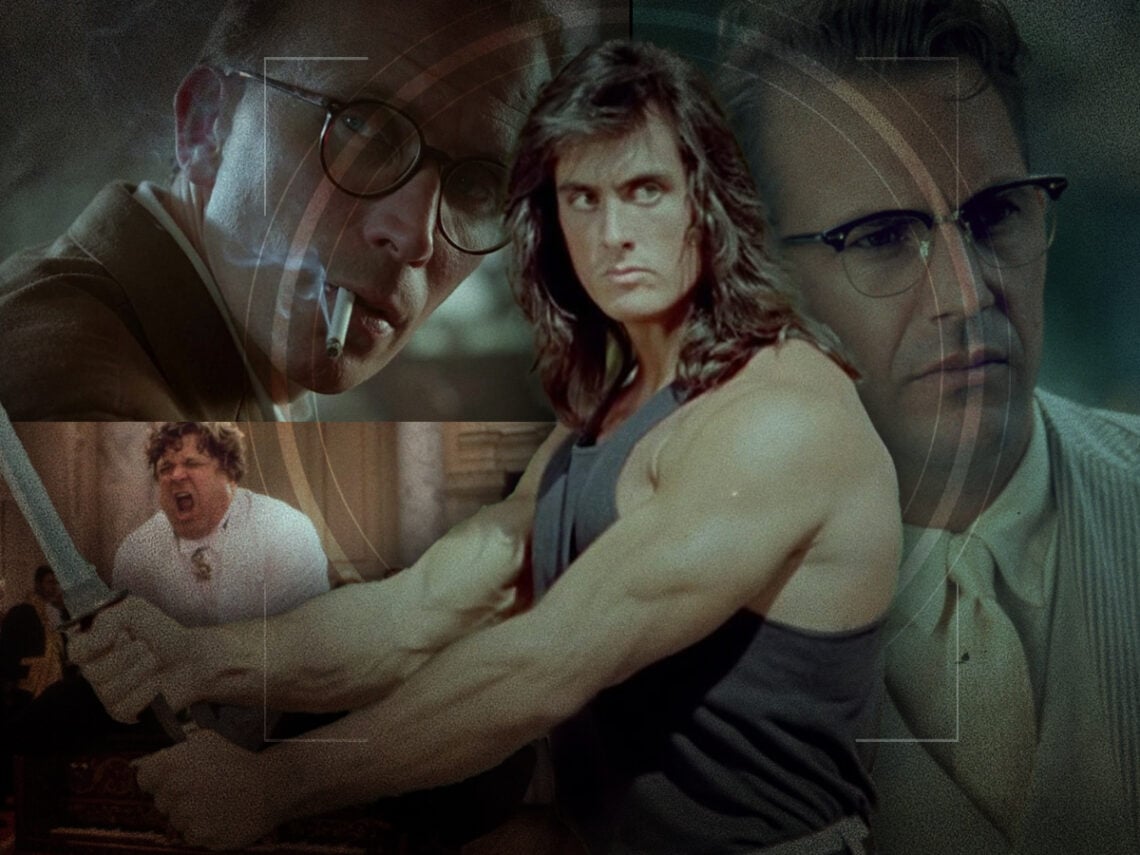
10 movies from 1991 that you’d never get away with today

By 1991, Hollywood had fully transitioned out of the nonstop commercialism of the 1980s and settled into a healthier cinematic ecosystem where it was possible for mature, critically-acclaimed films to be commercially successful.
The rise of independent cinema had made it so it was easier for up-and-coming filmmakers to get their first shot in the industry, and there were many films released that are now viewed as all-time classics. 1991 was a year filled with precedents, which saw The Silence of the Lambs become the first horror film to win ‘Best Picture’ at the Academy Awards, John Singleton become the youngest ever director to be nominated by the Oscars for Boyz n the Hood, Beauty and the Beast set a standard of excellence for Disney’s renaissance period, and Terminator 2: Judgment Day revolutionised the use of computer-generated imagery.
It also had Akira Kurosawa release one of his final masterpieces with Rhapsody in August, and had Martin Scorsese make his first remake with Cape Fear. Keanu Reeves solidified himself as a movie star with Point Break, My Own Private Idaho and Bill & Ted’s Bogus Journey, and the Coen brothers won the Palme d’Or for their masterpiece Barton Fink, while Steven Spielberg earned some of the most mixed reviews of his career for Hook.
Enough time has passed for it to feel like cinephiles in 1991 didn’t know how good they had it; the industry of today has become a lot less adventurous, much more cynical, and less willing to offer such a diverse range of genres.
10 movies from 1991 that could never exist today
‘JFK’ (Oliver Stone, 1991)
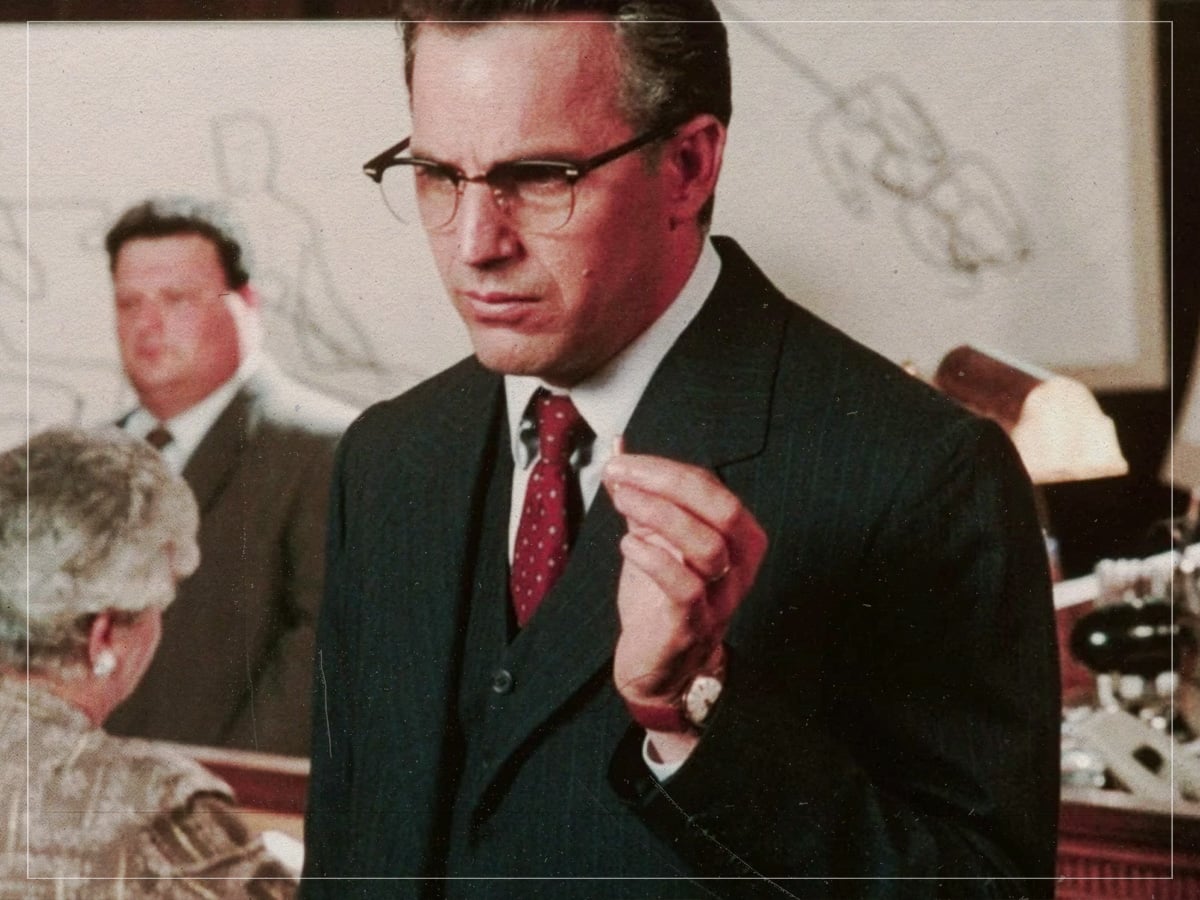
Oliver Stone provokes and stirs up controversy with nearly every film that he makes, but 1991 saw him taking on his most ambitious project to date when he dug into the assassination of an American president with JFK. People had had substantial distance from the actual tragedy for Stone to begin positing a theory about why President Kennedy was assassinated, who was responsible, and what the impact of the incident was on American history.
Stone didn’t care about ruffling feathers in Washington, but what was even more shocking was that JFK was a massive hit that earned many Oscar nominations and actually caused more scepticism about the cover-up. While today actors are often scared to get involved with films that could provoke backlash, JFK featured a massive cast that nearly everyone in Hollywood wanted to be a part of, even if it was just for a minor role.
‘King Ralph’ (David S Ward, 1991)
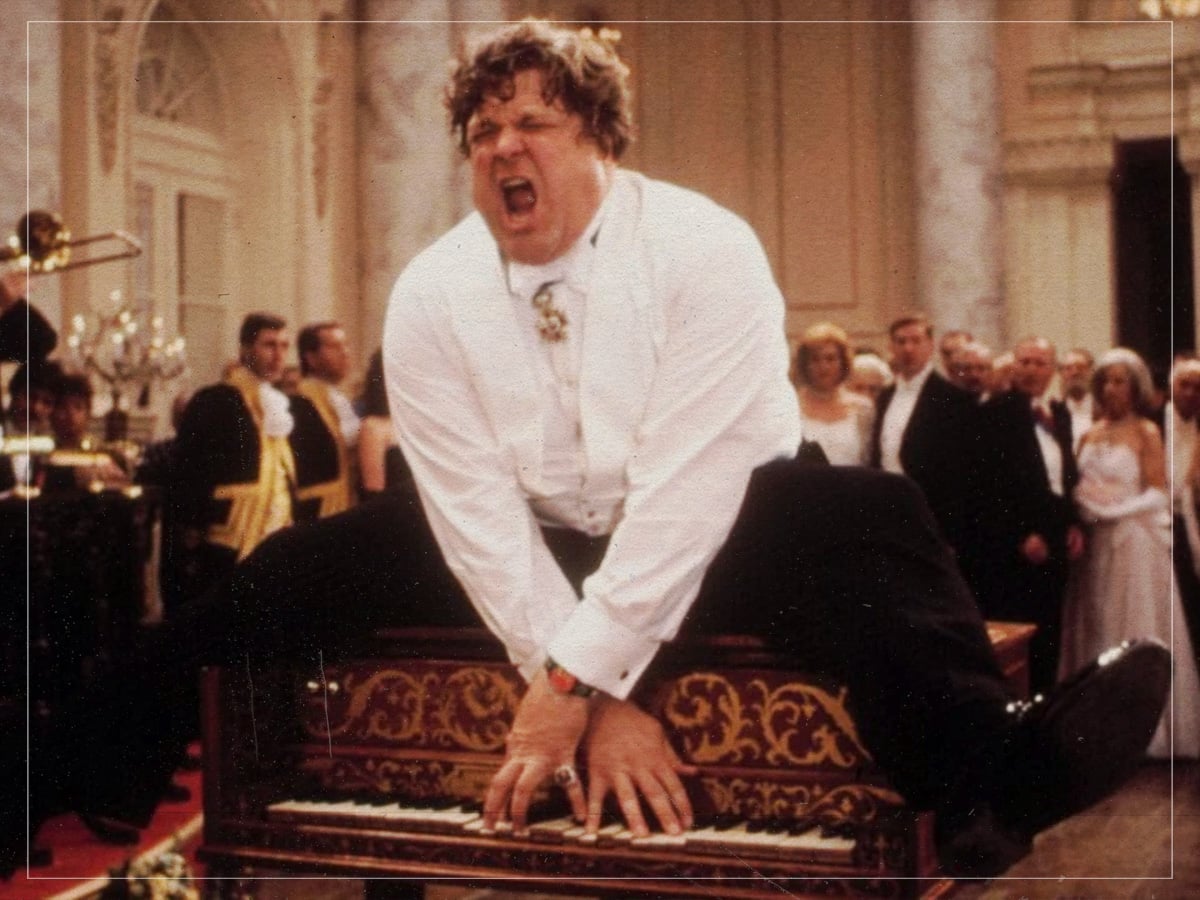
John Goodman has always been a beloved character actor, but King Ralph was the rare occasion in which he got to be a leading man. Beyond the fact that live-action, PG family films simply don’t get made anymore, the film wouldn’t fly in contemporary Hollywood because any executive would question if kids actually wanted to see a slapstick comedy about the line of British succession.
Given that discussions about the British Royal Family intensified around the world, it’s not likely that a film like King Ralph would even be pitched, given that it begins with all the heirs to the throne getting killed. That the film playfully mocks the institution of the monarchy while also getting away with some surprisingly raunchy content makes it even more of an anomaly that it exists in the first place.
‘Toy Soldiers’ (Daniel Petrie Jr, 1991)
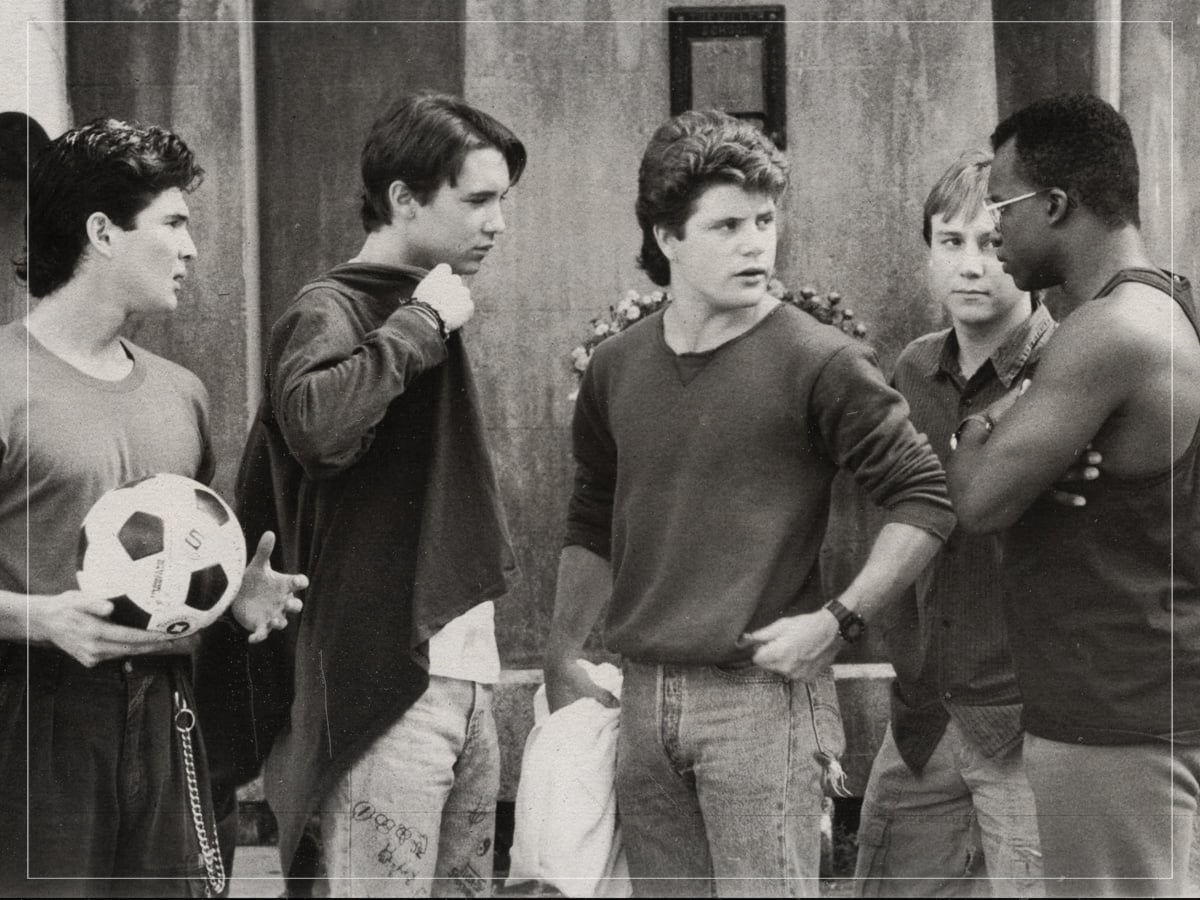
Gun violence and school shootings have become such a hot-button topic in the United States that any film that discusses them is subjected to serious backlash, regardless of what position it takes. A film like The Drama was able to get away with it because it discussed the issue in depth and used it for the sake of a character drama, but Toy Soldiers was basically ‘Die Hard in a prep school’.
The film stars Sean Astin and Wil Wheaton as teenage boys who, along with their classmates, have to resist terrorists who have taken over their private school campus. The film is not afraid to show children being killed, and would likely trigger a significant amount of discourse on how much school violence is depicted. Unlike something like Euphoria, the actors in Toy Soldiers actually looked the same age as their characters.
‘Out for Justice’ (John Flynn, 1991)
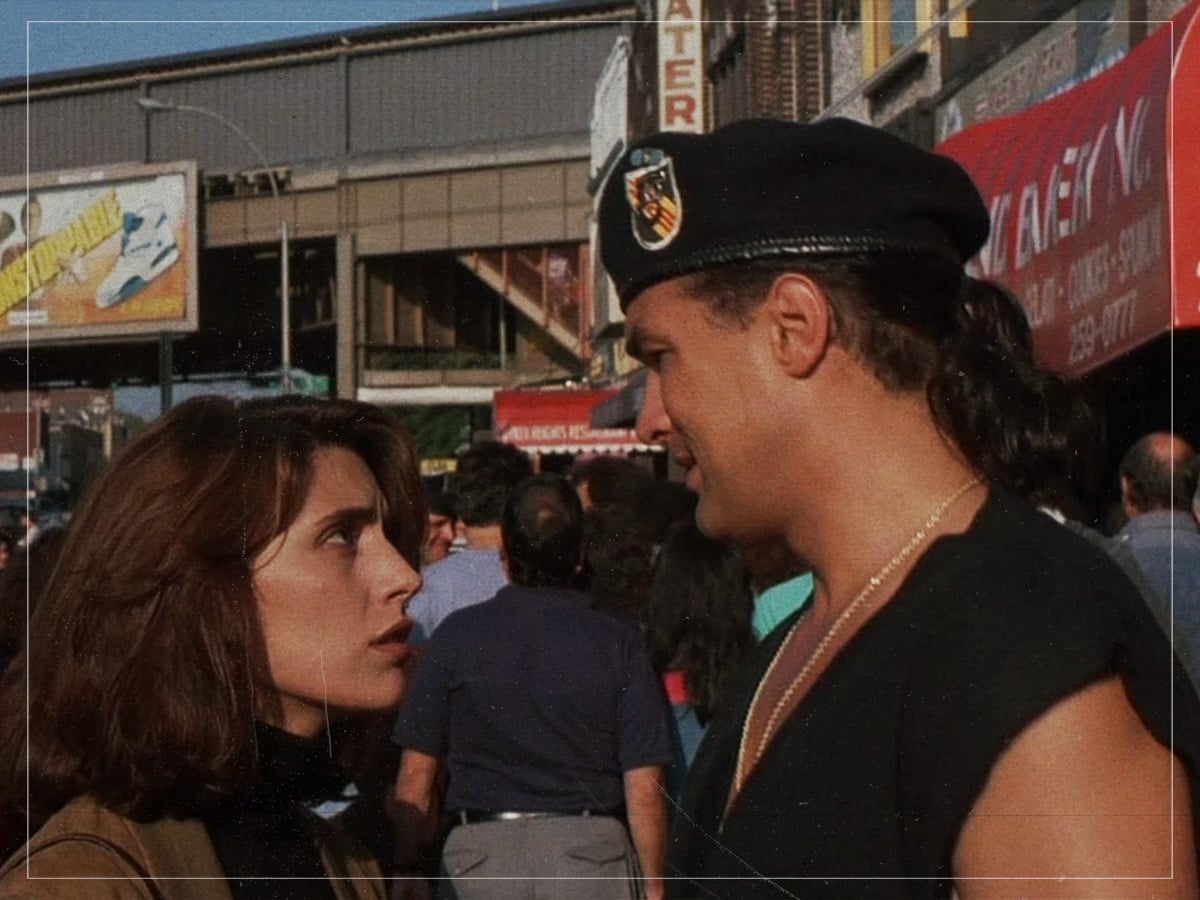
Steven Seagal is an anomaly whose career can never be explained; he’s a notoriously difficult-to-work-with martial artist with no formal acting training who has been accused of some pretty ghastly crimes and has openly advocated for the reign of Vladimir Putin.
Seagal was known for having such a massive ego that he would take creative control of films he was in and would rarely allow himself to look vulnerable onscreen. Nonetheless, 1991 was a time in which someone like Seagal could be the star of a legitimate, mainstream action film, as Out for Justice wasn’t a cheap B-movie but a pretty good film with a real filmmaker behind it in John Flynn, director of Rolling Thunder. It is a bit of a miracle, as Seagal’s lack of charisma was somehow perfect for the role of an NYPD detective seeking revenge for his partner’s death.
‘Homicide’ (David Mamet, 1991)
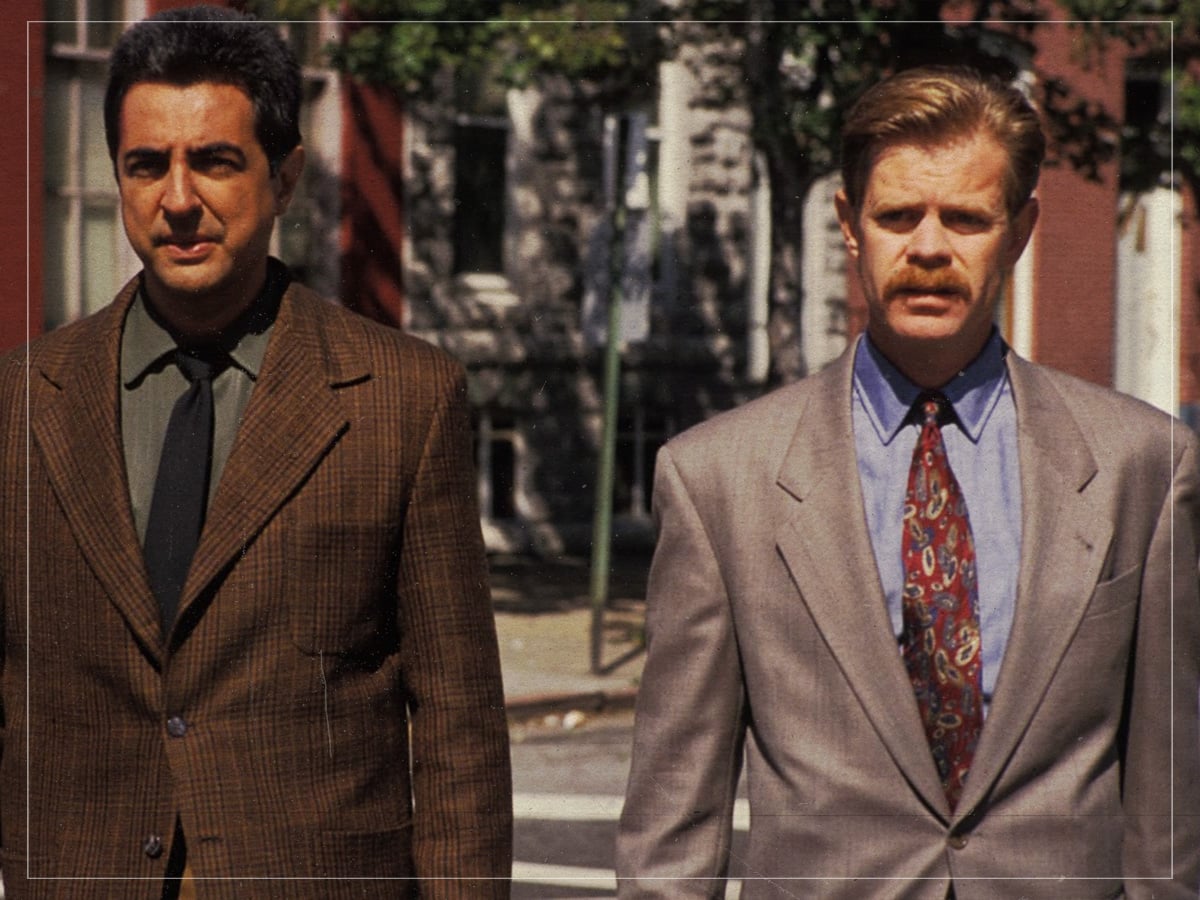
David Mamet has basically been cast out of Hollywood for his political views, and the few upcoming projects he’s slated to work on feature actors who are far past their prime. Mamet had written many great films in the ‘80s, but Homicide was an ambitious undertaking of his as a director because it combined his signature, idiosyncratic dialogue with the premise of a crime thriller.
Contemporary audiences tend to revolt against crime dramas that are secretly arthouse films, as the viewer pushback to The Counselor and Killing Them Softly (two great films) ensured that those types of manipulative advertising campaigns would never be issued again. Homicide might be even weirder because it’s a murder mystery that’s wrapped up in Mamet’s specific political beliefs, and includes some jarring material related to the depiction of hate crimes that would surely spark serious criticism today.
‘Naked Lunch’ (David Cronenberg, 1991)
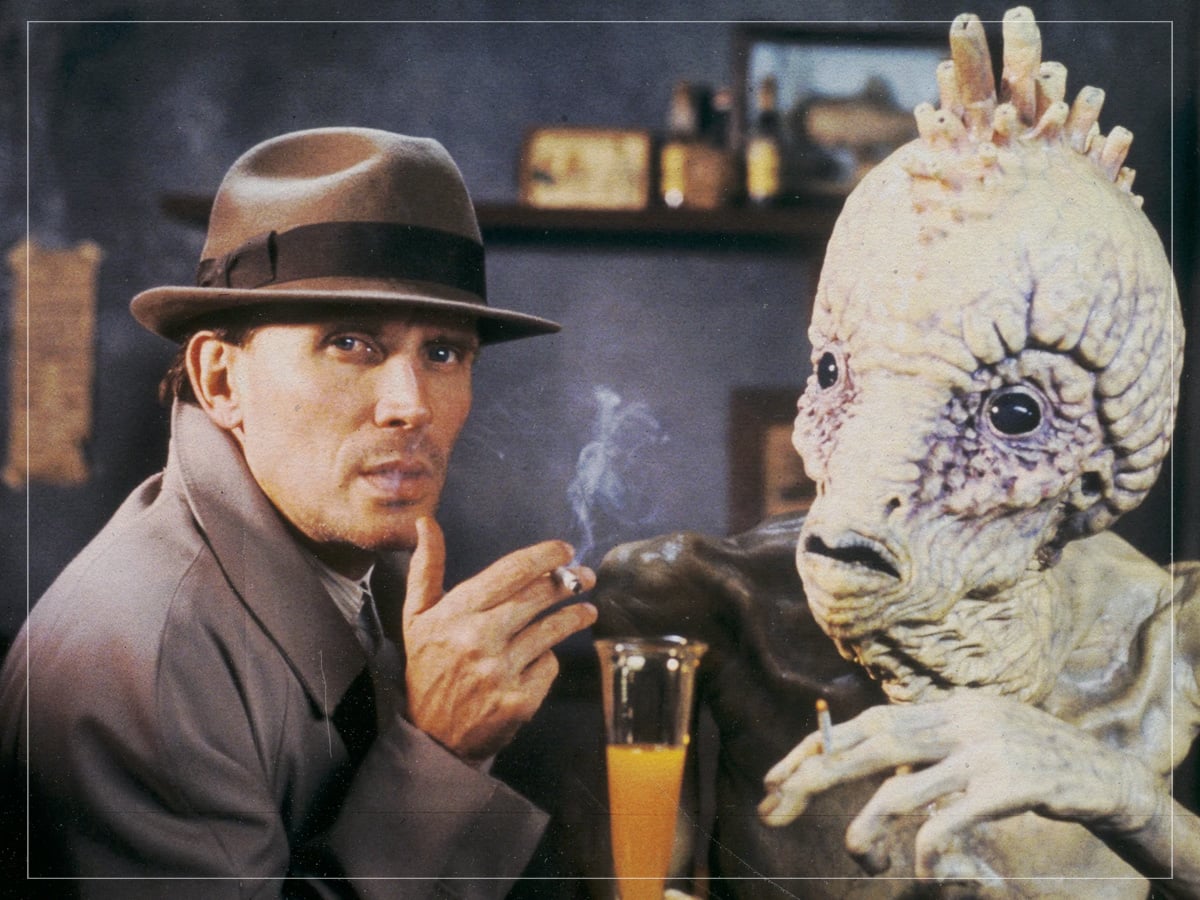
David Cronenberg has thankfully not stopped making movies, but he’s recently been working on more personal projects that often debut at European festivals, and only barely get released in the United States. There would never be a chance that he’d be given the rights to a classic of American literature, especially not one as seemingly ‘unadaptable’ as Naked Lunch.
Cronenberg may have managed to get notable stars for the film in Peter Weller and Judy Davis, but Naked Lunch is a relentlessly unpleasant film with jarring makeup effects, grotesque body horror, and highly disturbing drug content. The director was given a fairly sizable budget because of how much makeup and effects were necessary to create the bizarre insectoid creatures, and the film’s box office underperformance pretty much guaranteed that he would never be given the same resources again for something so weird.
‘The Last Boy Scout’ (Tony Scott, 1991)
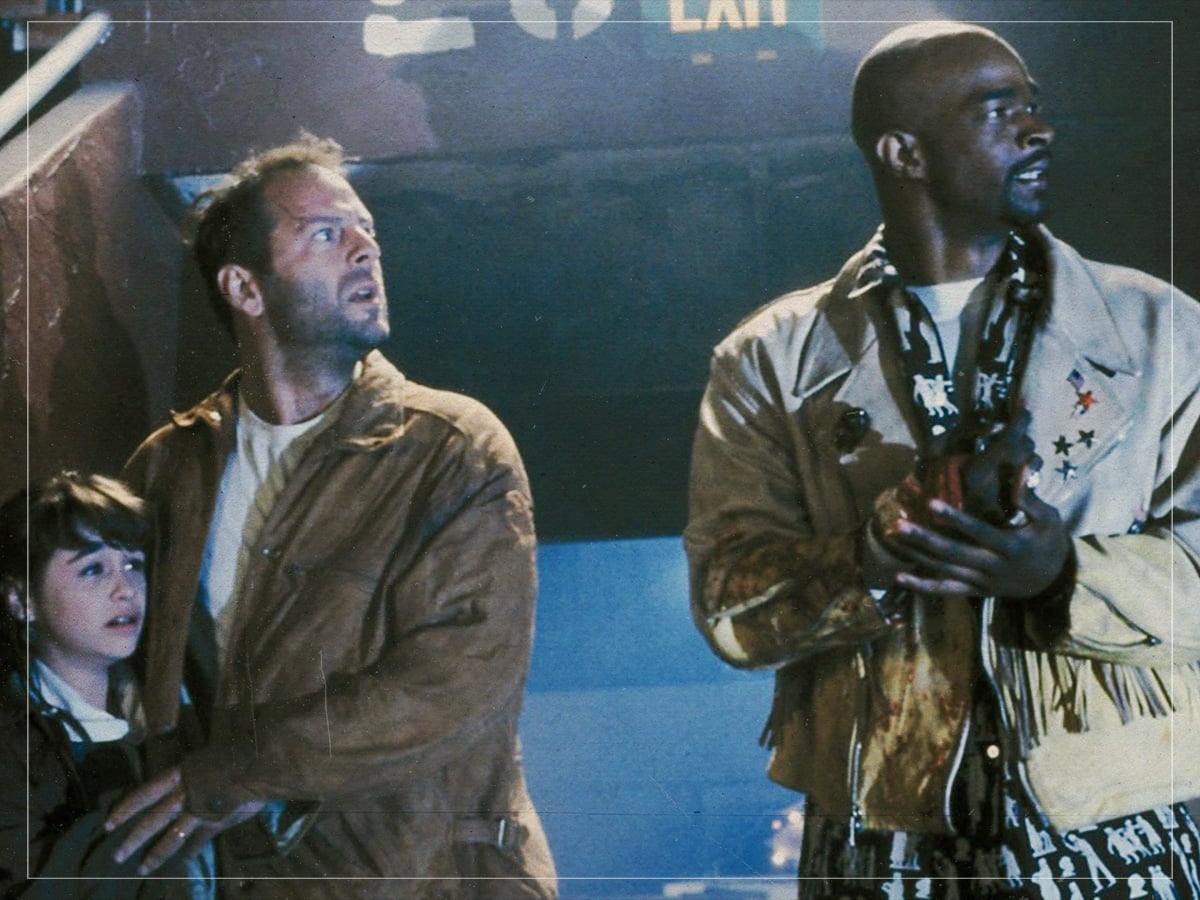
Tony Scott has earned more appreciation from contemporary critics and pundits, and for the most part, he made highly accessible genre films that were a lot smarter than they were given credit for. The Last Boy Scout wasn’t just a film that underperformed, but one that made people mad; it was written by Lethal Weapon screenwriter Shane Black, who developed a caustic story with miserable characters, shocking acts of depravity, and a relentlessly dark sense of humour. In an era where action films all seem determined to have characters who are as likeable as possible, there’d never be a film about an alcoholic, dishevelled husband like the one portrayed by Bruce Willis.
Black’s style of writing has sadly fallen out of favour with audiences in the last decade; The Nice Guys was a great film that flopped, The Predator was a terrible film that deserved to bomb, and his most recent feature, Play Dirty, wasn’t even given a theatrical release.
‘Soapdish’ (Michael Hoffman, 1991)
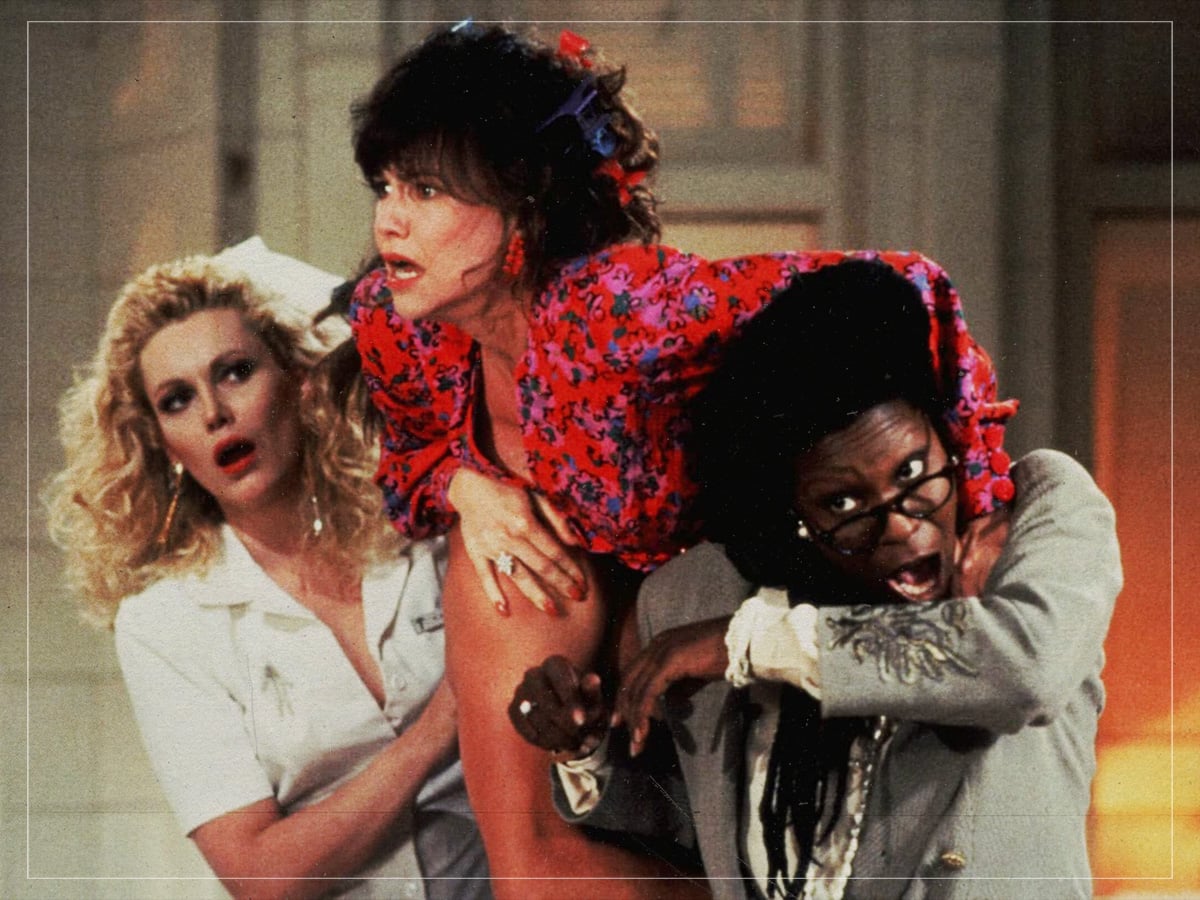
Although it is exciting that there are younger audiences engaging with films based on online content that appeals to them, today’s youth don’t have much respect for classic Hollywood; older films are rarely made available on streaming services, and films about the industry’s Golden Age have consistently bombed, such as Babylon and Hail, Caesar!
Soapdish is reliant on nostalgia for classic sitcoms, and its in-jokes simply wouldn’t work for an audience without some sort of respect for the medium and its legacy, wherein the only way to do something even remotely close to it would be to sneak it into a project audiences are already interested in because of existing franchises, such as WandaVision. Additionally, there are a few jokes in the film involving the character played by Robert Downey Jr that are fairly transphobic and would earn it some backlash.
‘Regarding Henry’ (Mike Nichols, 1991)
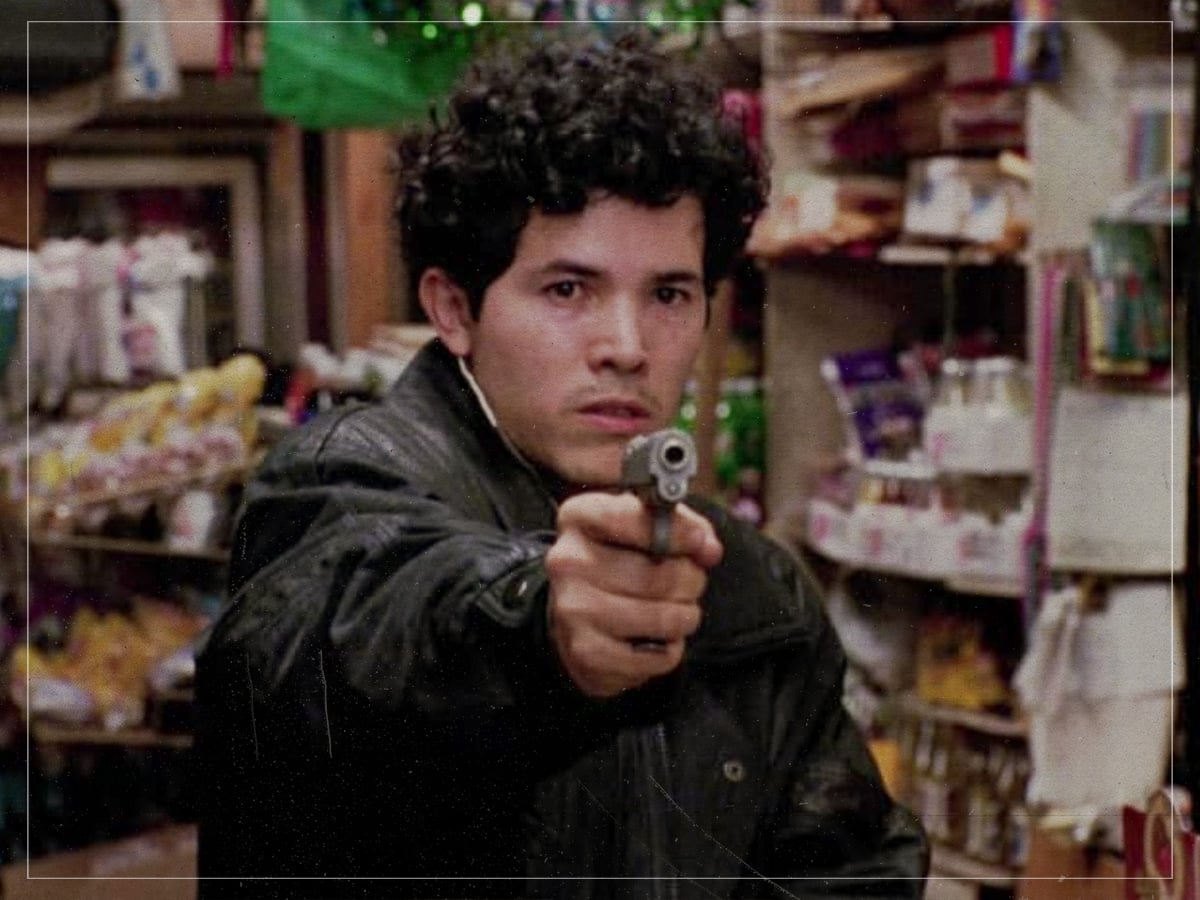
Harrison Ford had embraced a few darker roles in the aftermath of Star Wars and Indiana Jones, which made it all the more surprising that he agreed to star in a lighthearted family dramedy like Regarding Henry, which isn’t something that A-listers do today. There are actors who specifically appeal to kids, like Ryan Reynolds and Jack Black, but there wouldn’t be a film like this starring a more ‘serious actor’, such as Leonardo DiCaprio or Christian Bale.
Regarding Henry is a very strange film, and it’s unlikely that it would be made today with a narcissistic, callous, and wealthy New York lawyer as the main character. There’s a lot less affinity for stories about rich men who turn out to have a heart, and the depiction of developmental disorders in Regarding Henry would likely result in some sort of exhausting discourse.
‘Samurai Cop’ (Amir Shervan, 1991)
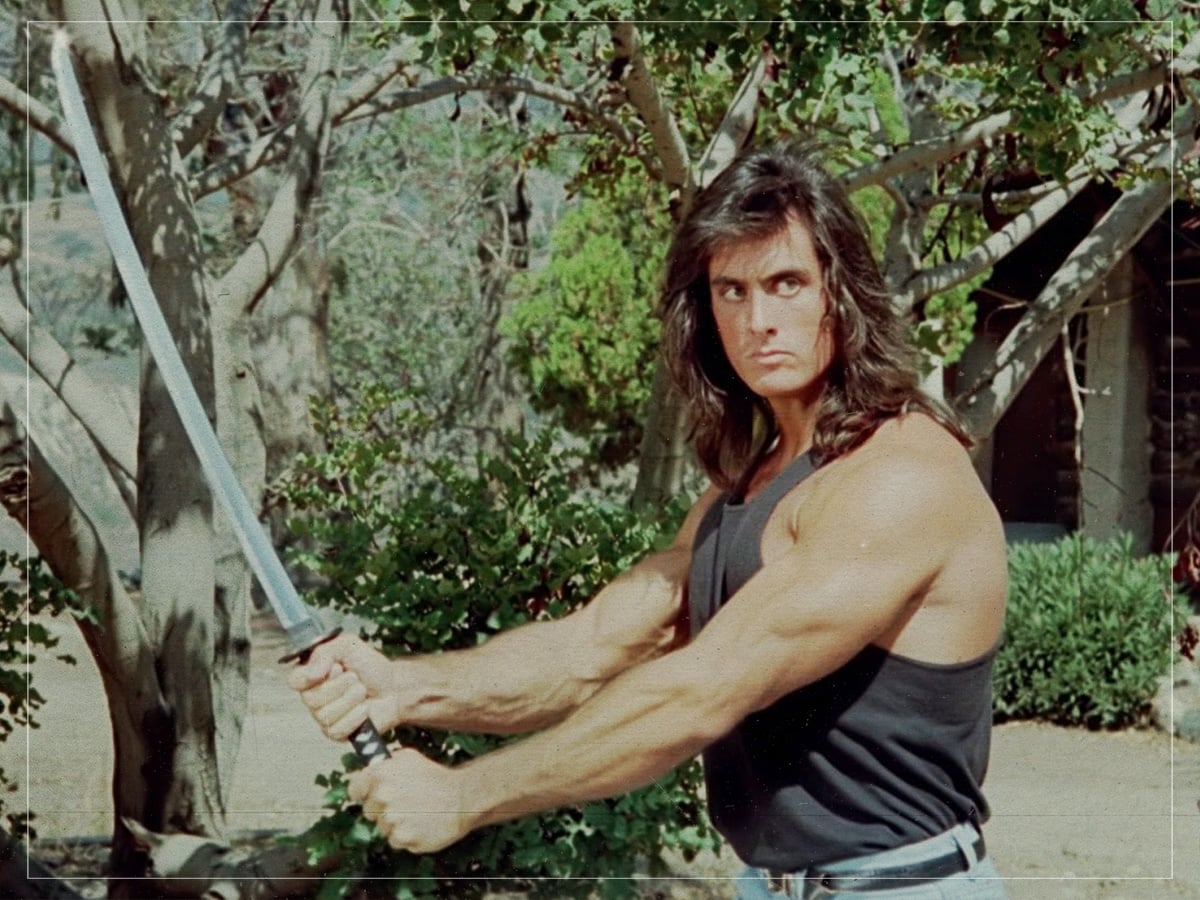
Cult films are a lot harder to come by today because there’s usually a niche fanbase that latches on to an underrated release right away, leading to less discovery. The issue with unintentional comedies is that today’s audiences are so irony-pilled that they are used to seeing self-referential camp that makes fun of its own ineptitude.
It’s rare to see a film that genuinely takes itself seriously and fails to the point of complete incompetence, as the last true unintentional ‘so bad that it’s good’ classic was likely The Room. However, Samurai Cop is perhaps even wilder because it was made by an international director, Amir Shevran, who thoroughly misunderstood the archetypes of both action and martial arts films, resulting in a truly baffling end product that is riddled by incomprehensible dialogue and unusually stylistic choices that are just distracting.
