The masterpiece Martin Scorsese and Steven Spielberg agree is “the most classic movie ever made”
An absolute classic.


The Hollywood movie business, often simply referred to as “Hollywood”, is synonymous with the global film industry and stands as a symbol of creativity, ambition, and entertainment. It has been pivotal in shaping the world’s cultural landscape, becoming a multi-billion-dollar industry over the past century.
The birth of Hollywood as a film industry hub can be traced back to the early 20th century. It was in 1910 that D.W. Griffith and Thomas Ince established the first movie studios in Hollywood, California. The combination of favourable weather, diverse landscapes, and proximity to resources made it an ideal location for filmmaking. Soon, other studios like Paramount Pictures, Warner Bros, and Universal Pictures followed suit, solidifying Hollywood as the heart of the movie business.
The Golden Age of Hollywood, from the late 1920s to the 1950s, marked a period of unprecedented growth and glamour. Iconic actors and directors, such as Charlie Chaplin, Marilyn Monroe, Alfred Hitchcock, and Orson Welles, became household names. The studio system, characterised by major studios controlling every aspect of filmmaking, was at its zenith during this era.
The Hollywood movie business experienced a significant transformation with the advent of television in the 1950s. To compete with this new medium, Hollywood studios turned to innovations like widescreen formats, colour films, and 3D technology. The result was a wave of epic productions like ‘Gone with the Wind’ (1939) and ‘Ben-Hur’ (1959), which drew audiences back to the theatres.
The 1960s and 1970s brought about the New Hollywood era, marked by groundbreaking directors like Martin Scorsese, Francis Ford Coppola, and Steven Spielberg. The era produced iconic films such as ‘The Godfather’ (1972) and ‘Jaws’ (1975). This period also witnessed a shift in the power dynamics within the industry, with independent filmmakers gaining prominence.
The advent of home video in the 1980s and the rise of digital technology in the 21st century further transformed the Hollywood movie business. Hollywood studios embraced globalisation, reaching audiences worldwide through international distribution and co-productions. Blockbuster franchises like ‘Star Wars’, ‘Harry Potter’, and the Marvel Cinematic Universe became cultural phenomena, generating massive box office returns.
However, the industry has faced challenges, including issues of diversity and representation, changing distribution models with the rise of streaming services, and the impact of the Covid-19 pandemic on movie theatres. Despite these challenges, Hollywood remains an influential force, with its films reflecting societal trends, sparking conversations, and providing a window into different cultures and perspectives.
The Hollywood movie business is not just an industry; it’s a cultural institution. It continues to evolve, adapt, and thrive, captivating audiences worldwide with its storytelling prowess and technological innovation. From the silent films of the early 20th century to the blockbuster franchises of today, Hollywood’s enduring legacy as the entertainment capital of the world is a testament to its enduring impact on global cinema and culture.


“Hollywood is a place where people from Iowa mistake each other for stars.”
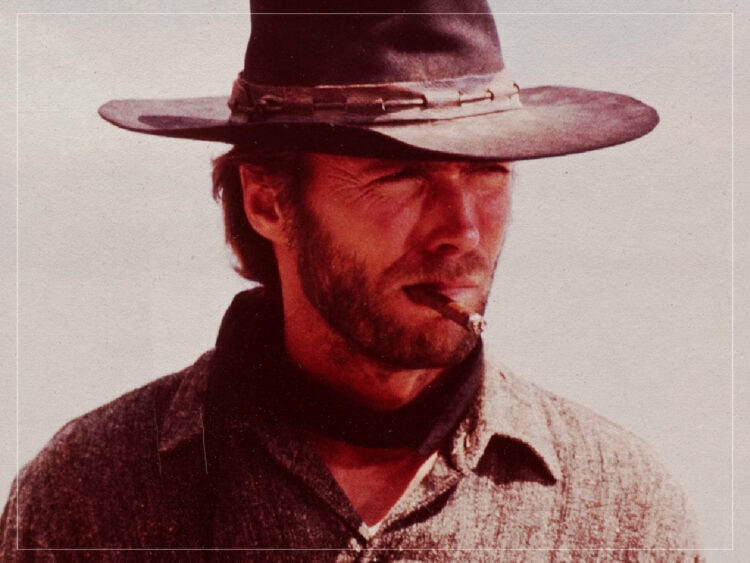
A performance best forgotten…

“There’s so much to fix…”
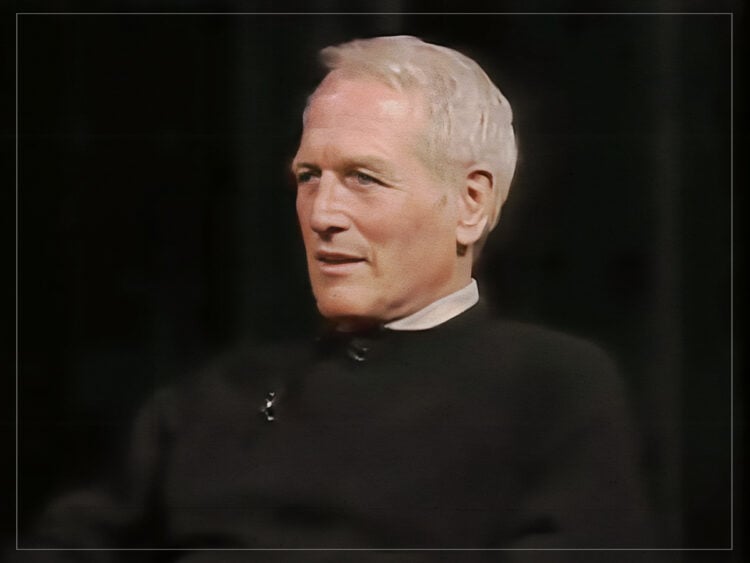
A backhanded compliment.
“It was a dark-edged comedy.”

It’s not him, obviously.