


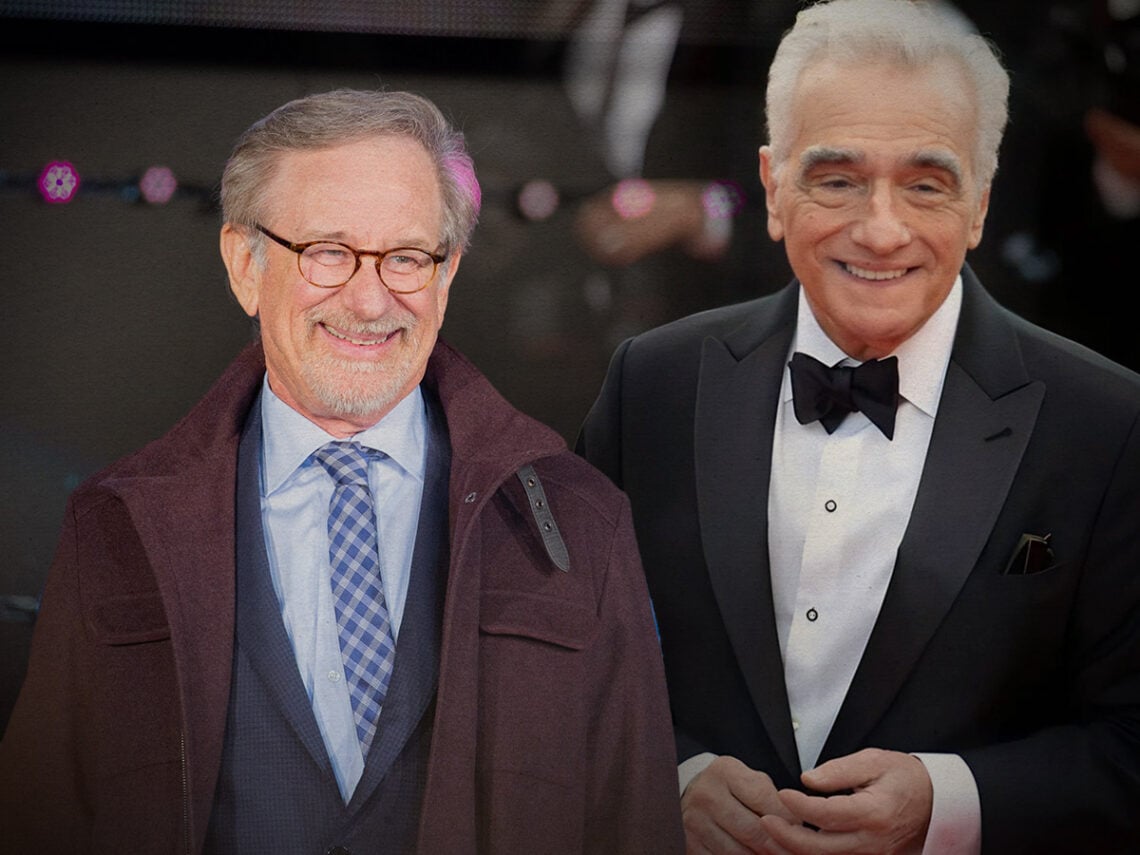
The masterpiece Martin Scorsese and Steven Spielberg agree is “the most classic movie ever made”

The greatest films continue to unspool long after the final curtain has fallen on them. You chew over the subplots, see snapshots of the little details reflected in the world around you, and in the case of Martin Scorsese and Steven Spielberg, they may even change your life.
Both Scorsese and Spielberg define what is best about American cinema. Their films move with the gripping pace and confidence of great entertainment, yet beneath the spectacle lies an emotional and thematic richness that lingers long after the credits roll. It’s the same combination of accessibility and artistry that drew them to one of cinema’s most enduring masterpieces.
Back in 1941, Hollywood was still experimenting with what was possible in cinema. It was an exciting time for the art, but with war unfurling in Europe, a new necessity for meaning was also afoot. Into that landscape stepped Orson Welles with the trademark gait of a man who has never considered a doorway might be too small for him.
The bumbling director and leading star arrived with Citizen Kane, and it seemed to rewrite the rulebook overnight, making a firm point about capitalism while also moving the masses. For Scorsese, it also made him aware of the nature of filmmaking itself.
When reflecting on its groundbreaking ways with the AFI, the Goodfellas director recalled, “I saw Citizen Kane on TV, and I began to become aware of editing and camera positions… Welles was not afraid of being self-conscious with the camera and making self-referential remarks with the camera.”
He explains that it was the moment that he became aware of what a director did. It had much the same impact on Spielberg, all while sweeping them both up with the story. Citizen Kane takes a bold gaze into the American dream and elucidates the troubling contradiction: the currency of power can leave a man impoverished when it comes to the virtue of peace.
It’s not without irony, given the film’s theme tackling the tryst of ownership and fulfilment (or lack thereof), that Spielberg loved it so much he wanted a piece of it. In 1982, he brought the prop sledge and proclaimed that it was “a symbolic emblem of quality in the film business.”

He also went on to crown Citizen Kane the “the most classic movie ever made”.
Speaking with the AFI, he furthered that point, explaining how moved he was by the filmmaking at hand, “It means everything to me… It is an icon of courage… It’s about courage and audacity, and I’m making this my way, and I’m going to make this my way, and I’m going to deepen the focus.”
He continued, “We’re going to see from one inch to infinity in every shot, and we’re going to see ceilings, and we’re going to tell a very convoluted mystery story about a man’s life. It is just one of the greatest movies ever made.” You could also argue that it is one of the most meaningful; that much is clear by how much the greats that it has inspired have chewed on it.
“Well, yes, there’s Citizen Kane,” Scorsese told Time. “That changed my life. He broke all of the rules. One of the things that Welles said was one of the best things you can bring to filmmaking is ignorance. When they say you can’t do this, why not?”
Both men have been boldly inspired by that outlook, always citing the film as a favourite throughout their careers. Its innovations have been absorbed into the language of cinema, but its questions about ambition, loneliness, and the search for meaning remain as urgent as ever and just as unanswered.
But what is clear for Scorsese, Spielberg, and a thousand other filmmakers still moved by it decades on, is that it continues to serve as a creative ambition slip to break the rules and be bold with storytelling in every which way. After all, as Scorsese hinted, many of cinema’s greatest moments begin with someone asking, ”Why not?”
You see that reflected in both their works, just as you see the need for nuance and a thousand other flourishes plucked straight from the film, as Kane says himself, ”A fellow will remember a lot of things you wouldn’t think he’d remember.”
