


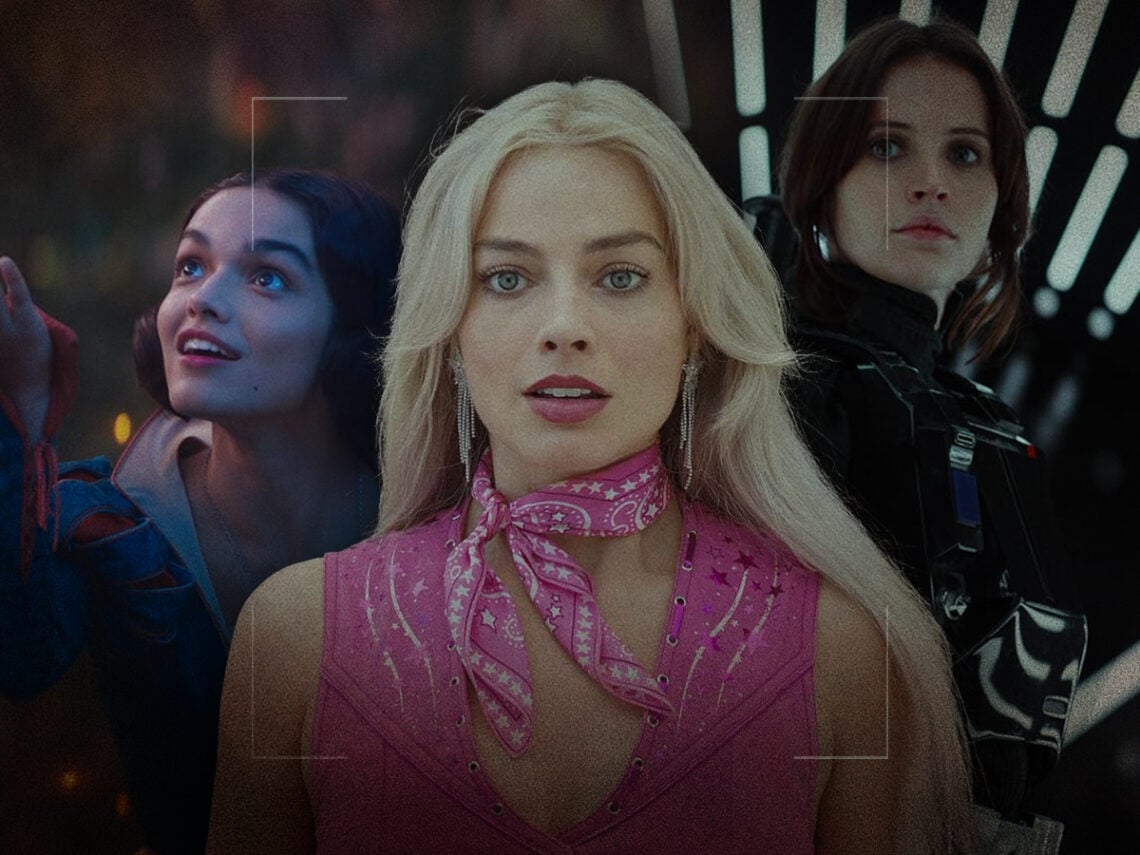
Five promising directors who sold their souls to the Hollywood machine

Time and time again, an exciting new director emerges on the scene and makes something genuinely interesting and new.
It’ll seem like they haven’t been swayed by the demands of Hollywood to make a movie purely designed to get people to buy cinema tickets; maybe the state of cinema is alright after all, you think.
But then something that seems like it’s becoming increasingly inevitable happens, and the director ‘sells out’. What I mean by that is that they move away from the arena of unique filmmaking that features a bold and distinctive style and into a world of blockbusters lacking in depth, soulless franchise films, or movies that clearly have money at the heart of their modus operandi, not true artistry.
It’s a genuine shame when we lose these creatives to Hollywood’s artificial machine, where good art basically goes to die. Yet, unfortunately, it’s all too common, like when Greta Gerwig ditched her roots in the mumblecore genre for Barbie, or when David Gordon Green made the tender All the Real Girls before turning to The Exorcist: Believer. You have to wonder at what point it all went wrong.
So, from Gerwig and Green to Ridley Scott, here are five directors who appear to have sold their souls to the corporate money-obsessed world of Hollywood.
Five promising directors who sold their souls to Hollywood
Marc Webb
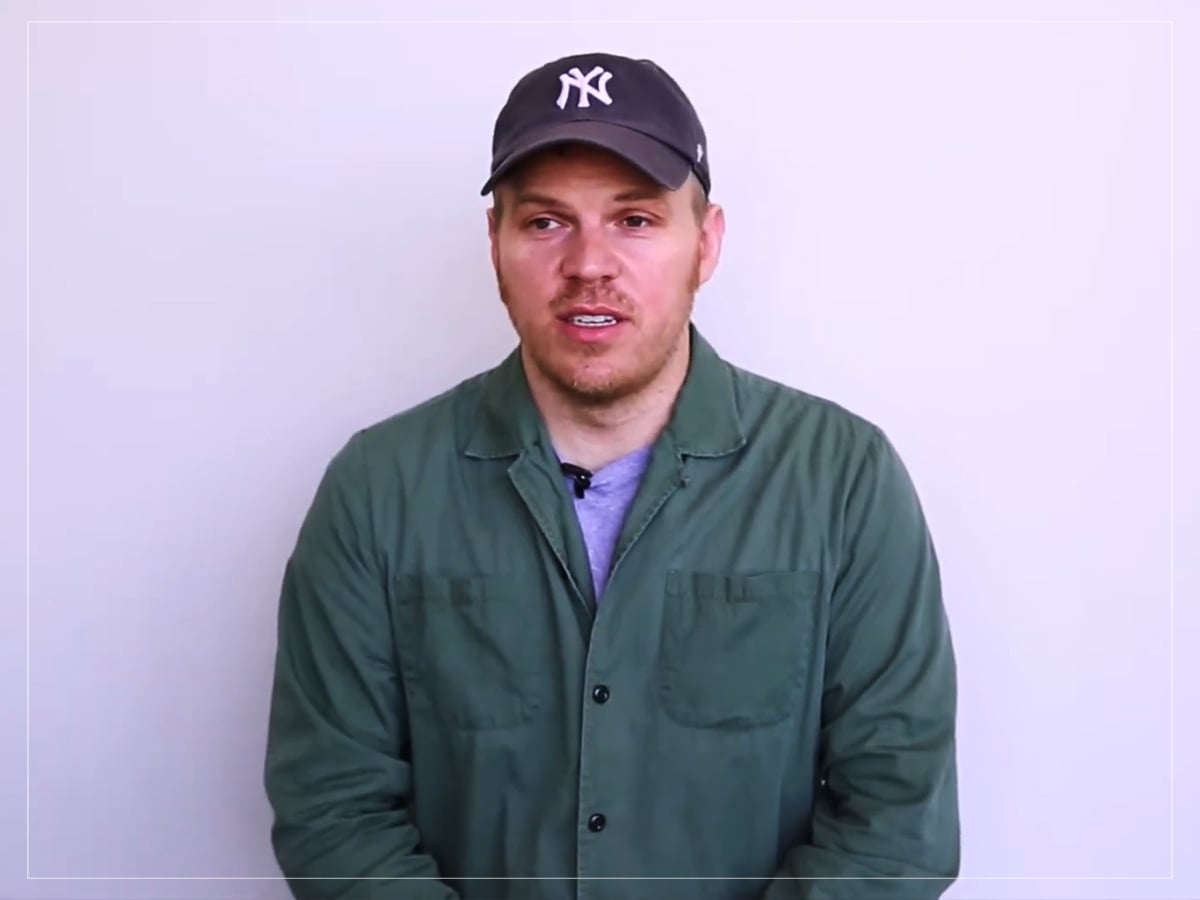
Before he got into feature filmmaking, Marc Webb was a prolific music video director, working with the likes of My Chemical Romance, Snow Patrol, Hilary Duff, and Weezer. When he finally made his move to the big screen, he delivered a classic yet divisive rom-com, (500) Days of Summer, which was independently made under Fox’s Searchlight Pictures banner. Whether you loved it or hated it, you couldn’t deny Webb’s potential. But soon, he’d spend it on bigger and bigger movies, starting with some Marvel, in the form of The Amazing Spider-Man and its sequel.
More offensively, however, is the project he took on in 2025. There could surely only be dollar signs in his eyes and nothing else, because what else would possess him to direct the shitshow that was Snow White? Starring one of cinema’s worst actors, Gal Gadot, in the role of the Evil Queen, the movie looked bad, it was acted poorly, and it received unanimously bad reviews.
The box-office bomb Snow White is a far cry from (500) Days of Summer, and if this downfall, spurred on by big budgets, doesn’t epitomise the meaning of a Hollywood sell-out, then I don’t know what does.
David Gordon Green
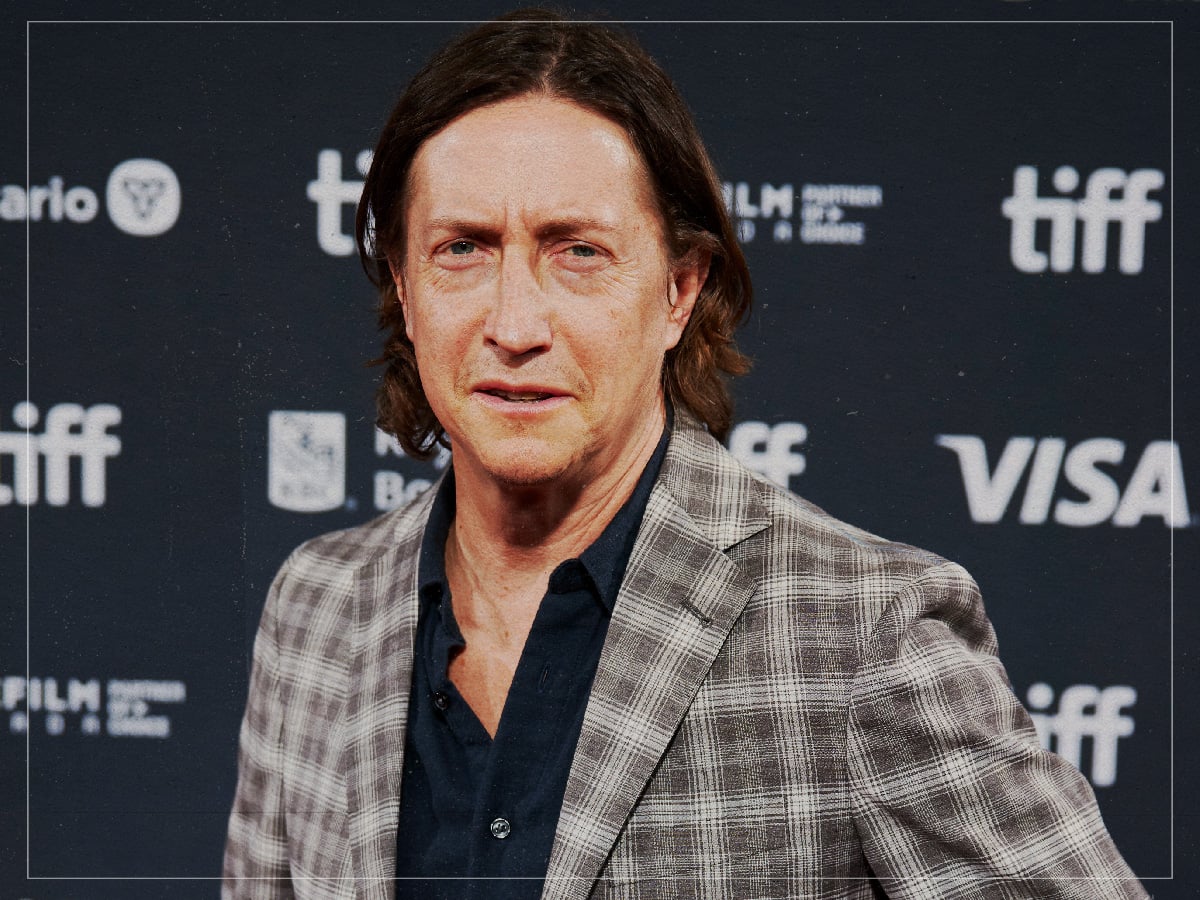
David Gordon Green might not be an instantly recognisable name, but you’ve almost definitely seen one of his movies. He directed the three most recent Halloween reboots, the panned 2023 film The Exorcist: Believer, and even the stoner comedy Pineapple Express starring Seth Rogen and James Franco.
But Green’s roots are in the indie realm, having made his debut with the 2000 film George Washington, on a budget of just $42,000, which received acclaim from critics and proved that you didn’t need a big Hollywood budget to make something meaningful.
As the years went by, Green slowly allowed this desire to make genuinely impactful movies to erode. Even though he helmed an independently-made film starring Al Pacino, Manglehorn, as recently as 2014, he has since let generic franchise movies overrule his love for interesting cinema. With his latest film standing as the forgettable Christmas flick Nutcrackers, it seems like the days of making movies like George Washington and All the Real Girls are far behind him.
Gareth Edwards
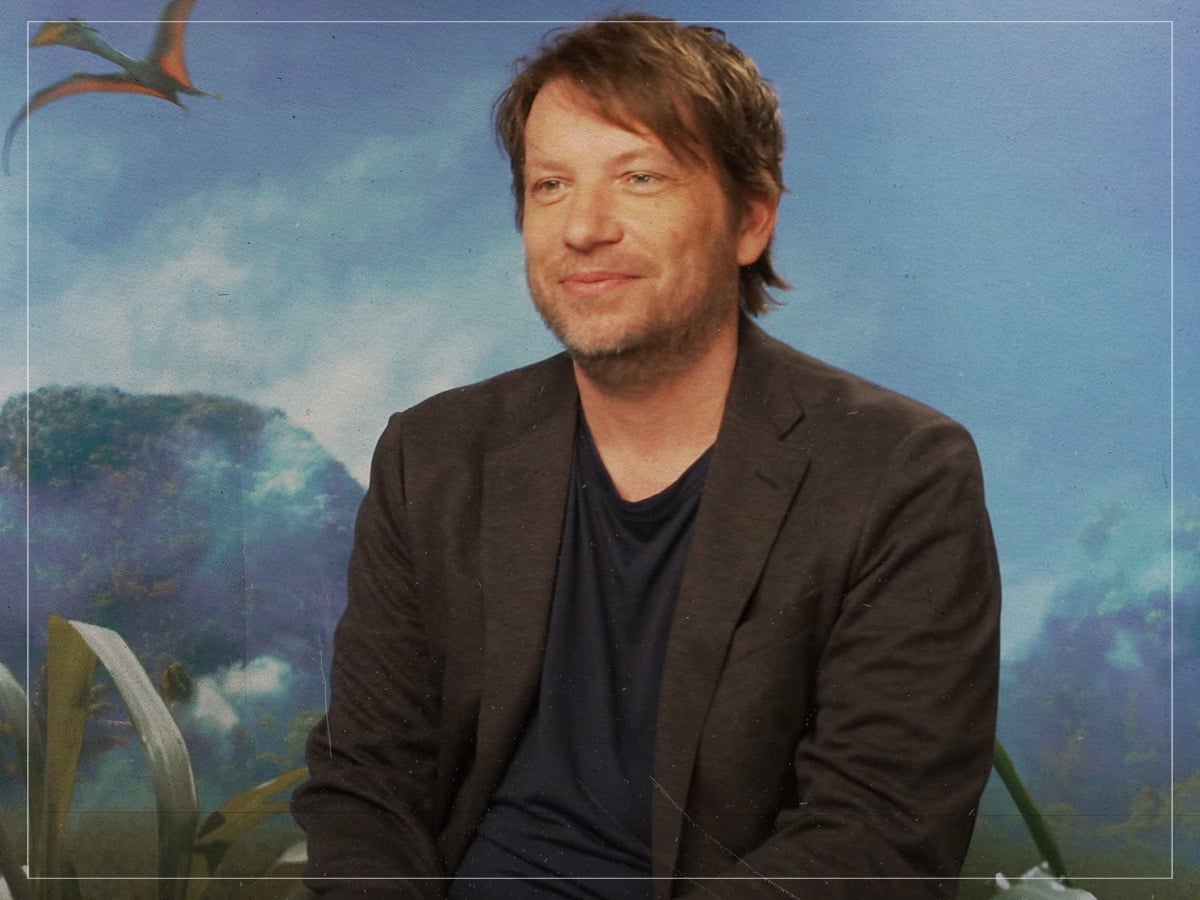
After directing the indie film Monsters in 2010 on a budget of $500,000, which largely received positive reviews, Gareth Edwards was given the chance to move into the arena of big blockbuster territory. It’s hardly surprising that he was able to move up the ladder into Hollywood so fast, because he had found acclaim for his extensive behind-the-scenes work on Monsters, which saw him serve as the cinematographer, production designer, and visual effects director, as well as writing and directing it.
But then came Godzilla, Rogue One: A Star Wars Story, and Jurassic World: Rebirth, with the Star Wars instalment standing as one of the most expensive films ever made, but then calling Edwards a sell-out when it seems like this is always what he has wanted to do feels pointless. He cites Star Wars as the reason he became a filmmaker, and with such a strong interest in creating impressive visual effects, it seems like he has always been aiming for the big leagues.
With that being said, there’s arguably much more interest to be found in his indie effort than his franchise movies, which, while incredibly lucrative, will hardly go down in cinema history as anything particularly enduring.
Ridley Scott

Once upon a time, Ridley Scott was the apple of the industry’s eye, with widespread acclaim coming for his debut feature, The Duellists, which he followed up with a sci-fi horror movie that would change cinema forever: Alien. Released in 1979, the film was awarded the Oscar for ‘Best Visual Effects’, and it has since become a stone-cold classic. Blade Runner followed, which, while certainly no small indie movie, wasn’t a multi-million dollar endeavour, and Scott was still working with modest budgets despite the scope of the worlds he was creating.
Since then, however, Scott has worked pretty consistently, but that doesn’t mean the quality of his output has been all that consistent. While he has made some admittedly iconic movies, like Thelma and Louise and Gladiator, you can’t ignore how many blockbusters he has taken on, which simply feel like a chance to play around with as much money as he can get his hands on.
Scott has made some questionable movies in his time, like Exodus: Gods and Kings, House of Gucci, Napoleon, A Good Year, 1492: Conquest of Paradise, and Black Rain, but perhaps he should’ve slowed down and actually taken on projects that were worthwhile instead of becoming a sell-out.
Greta Gerwig

I’d argue that Greta Gerwig is one of the most interesting cases of being a ‘Hollywood sell-out’, because gender has a big part to play. She started her career in the film industry, making and starring in low-budget, independently made mumblecore movies before working with slightly bigger directors, like Noah Baumbach and Mike Mills, and when it came to forging her own career as a director, she found significant success with Lady Bird, a charming coming-of-age comedy-drama that earned five Oscar nominations, despite being independent.
She worked with a considerably bigger budget for her next film, Little Women, which grossed an impressive $220.1million, before, of course, signing on to write and direct Barbie. With a cost of around $145m, paired with an additional $150m marketing budget, the movie was a phenomenon that officially marked the end of Gerwig’s indie roots.
The whole thing was rather contradictory, with this hugely capitalistic exercise presenting a surface-level vision of feminism, and since then, she has begun working on a major Netflix adaptation of several books in the Narnia series. The director has certainly sold her soul to Hollywood’s well-oiled money-making machine, but at the same time, it’s important to celebrate the fact that Gerwig became the first woman to direct a movie grossing over $1billion, and that she has arguably inspired many young women to consider the reality of a filmmaking career. With that being said, it’s sad to watch her move from the excitement of something so soulful like Frances Ha or Lady Bird to the surprising lack of nuance in Barbie.
