


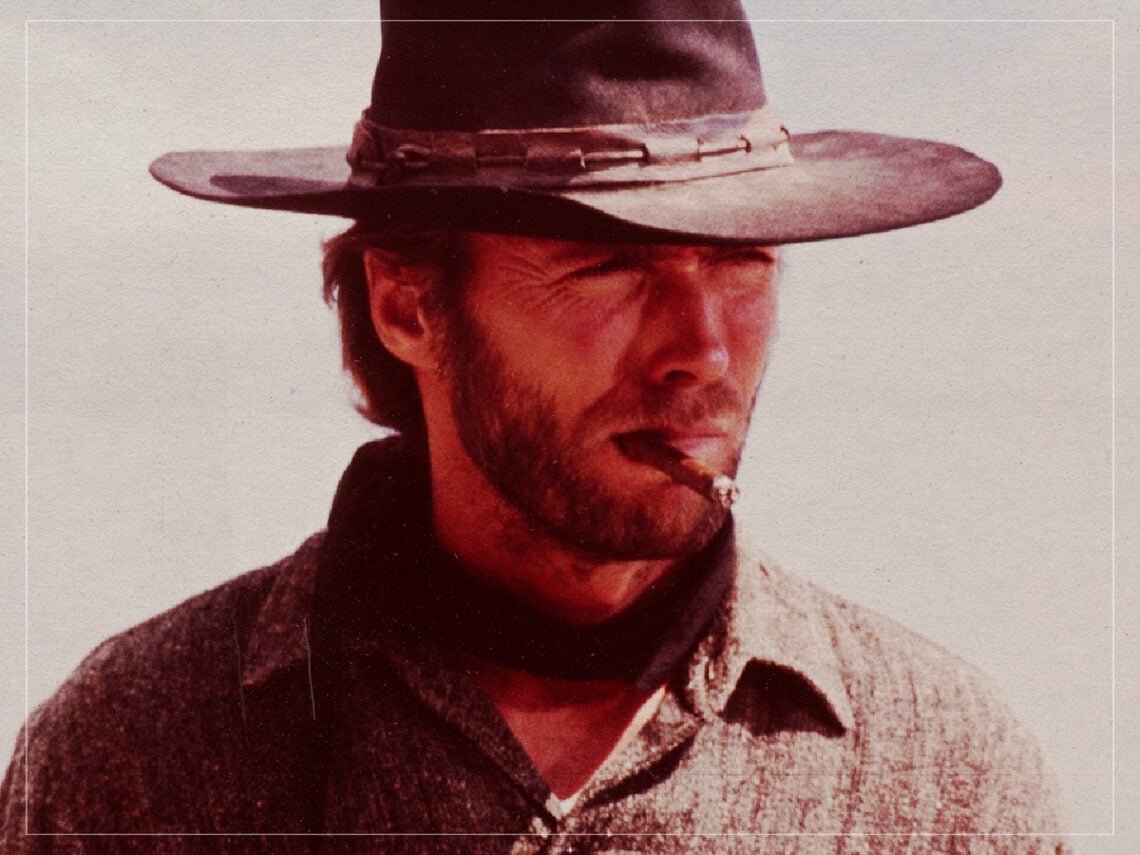
The 1958 role that almost ended Clint Eastwood’s career before it began

With his trademark steely gaze and low, growling voice, Clint Eastwood was always destined to be an action movie star; it is almost impossible to hear his name without picturing him with a brimmed hat, a cigarette in his mouth, or a gun in his hand. Yet, back in the 1950s, Eastwood’s career came exceedingly close to ending before it had truly begun.
Hollywood is a notoriously difficult industry to break into, and the teenage revolution of the 1950s saw an endless onslaught of hopeful young people relocate to the sun-soaked streets of Los Angeles with dreams of silver screen stardom. Young actors were ten-a-penny, and the ever-popular western genre had an abundance of brash John Wayne types to fill its various roles. Even for a relatively local lad like Eastwood, opportunities weren’t going to arrive on a silver platter.
If you look back at the earliest part of Eastwood’s filmography, there’s very little to get excited about. A string of obscure B movies and box office blunders punctuated much of the actor’s 20s, the future Dirty Harry star could hardly be considered a hot commodity in Hollywood. Before long, then, work dried up almost entirely, and Eastwood seriously considered abandoning the industry entirely.
“I got to do this one picture, a B movie, a little cheapo – did it in nine days, really a grind-out. It was called Ambush at Cimarron Pass and I did it and forgot it,” he recalled in a 1978 edition of Crawdaddy, harking back to a difficult period in his career and a film which stands out among his worst.
“The movie finally came out and I went with my wife down to the little neighborhood theater, and it was so bad,” he said.
At that moment, Eastwood wanted nothing more than to walk away from the film world forevermore. “I just kept sinking lower and lower in my seat,” he shared. “I said to my wife, ‘I’m going to quit, I’m really going to quit. I gotta go back to school, I got to start doing something with my life.’ I was twenty-seven.”
Unsurprisingly, his performance in that travesty of a western film didn’t spur on other studios to offer Eastwood any acting work. “I started thinking I must be really bad because Wagon Train and all these other series were coming up, and I wouldn’t even be able to get in the front door,” the actor remembered, with despair.

Eventually, things took a slight turn for the better when Eastwood was granted an audition with CBS Television for a new western serial in the vein of the aforementioned Wagon Train. Despite succeeding in getting the part, though, that series sat gathering dust for quite some time before it finally aired.
“They said that hour shows aren’t going anymore, only half-hour shows,” the actor explained. “It was supposed to go on for the fall and it was cancelled for the fall, and I thought, ‘Oh, my God, my career is going to sit there on the shelf.’”
Luckily, both for Clint Eastwood and the future of Hollywood more generally, that series – Rawhide – eventually found an air date in January 1959, and it became an instant hit, giving Eastwood regular work for the next six years and spurring him on for future western roles in masterpiece films like The Good, The Bad, and The Ugly.
Yet, if he had followed his own advice, Ambush at Cimarron Pass might have been his final on-screen appearance.

Never Miss A Tale
The Far Out Clint Eastwood Newsletter
All the latest stories about Clint Eastwood from the independent voice of culture.
Straight to your inbox.