


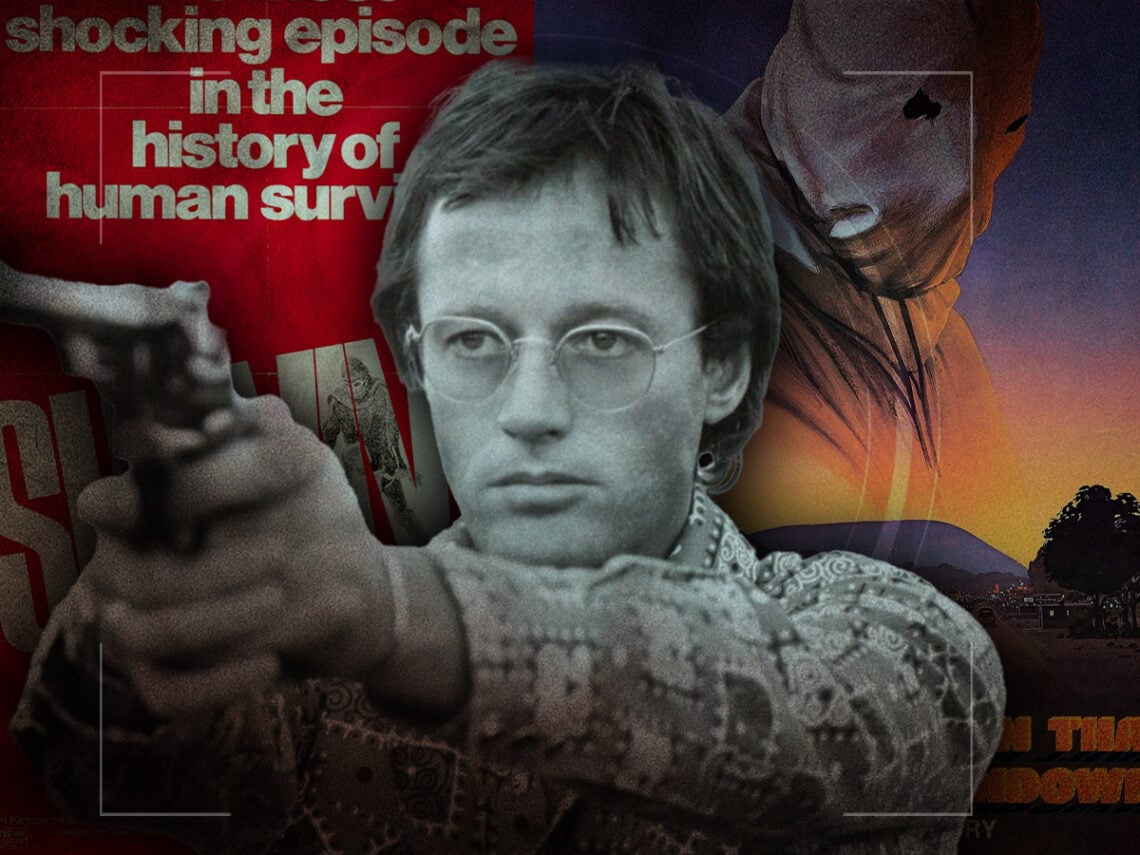
10 movies from 1976 that should be deleted from history

1976 was one of the greatest years in film history, but not every release was a classic.
It’s easy to look back at the best of 1976 and think about the types of films they don’t make anymore, as the year had many successes that would seem improbable now. No one would have expected that a literal underdog sports film like Rocky, starring a no-name actor, would end up being both the highest-grossing release of the year and the Academy Award winner for ‘Best Picture’, that Taxi Driver would become the definitive cinematic depiction of the anti-hero, that Network would become prescient about the next half-century of media, or that All the President’s Men would serve as a blueprint for what great journalism looked like, especially when faced by an authoritarian president of the United States.
Although the ‘70s are idolised as the greatest decade in cinematic history, there isn’t a single year that didn’t have bad films. There was just as much junk in 1976 as there is today, as it’s really only the best films of the year that have been preserved. When looking through physical media and streaming services for films from ’76, there’s not likely to be a ton of opportunities to check out those that were absolutely torpedoed by critics.
Granted, sometimes bad films are simply made and don’t have any significant impact, as there isn’t an actor out there who has a spotless track record (with the exception of Daniel Day-Lewis), but that said, there are some 1976 films that were legitimately harmful to their cast and crews, and started negative trends.
10 movies from 1976 that shouldn’t exist:
‘Midway’ (Jack Smight, 1976)
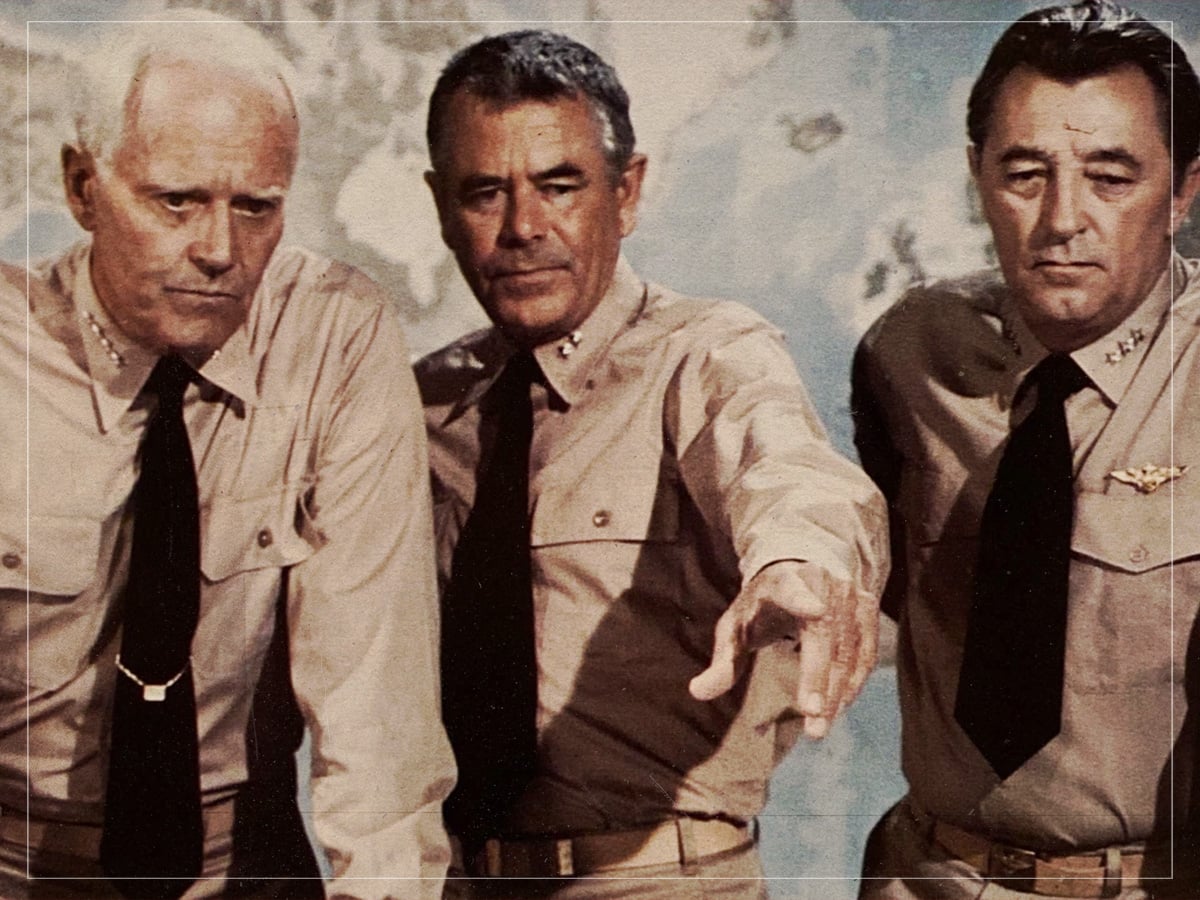
World War II had a tremendous impact on Hollywood, as many famous actors ended up serving in the war, and directors like John Ford made propaganda films for the Allied Forces, establishing the ‘World War II action film’ as a sturdy genre that began almost immediately after the war ended, and offered an opportunity to make fun, generally disposable works of spectacle where it was easy to root against the bad guys because they were Nazis.
Midway was a poor entry in the genre because it tried to present itself as a more accurate version of history, leading to some revisionism and misconceptions about how one of the most famous battles in the Pacific Theatre actually went down. It took Hollywood quite some time to turn around and start making more realistic films about World War II, which only began after the acclaim Steven Spielberg earned with Saving Private Ryan.
‘Fighting Mad’ (Jonathan Demme, 1976)
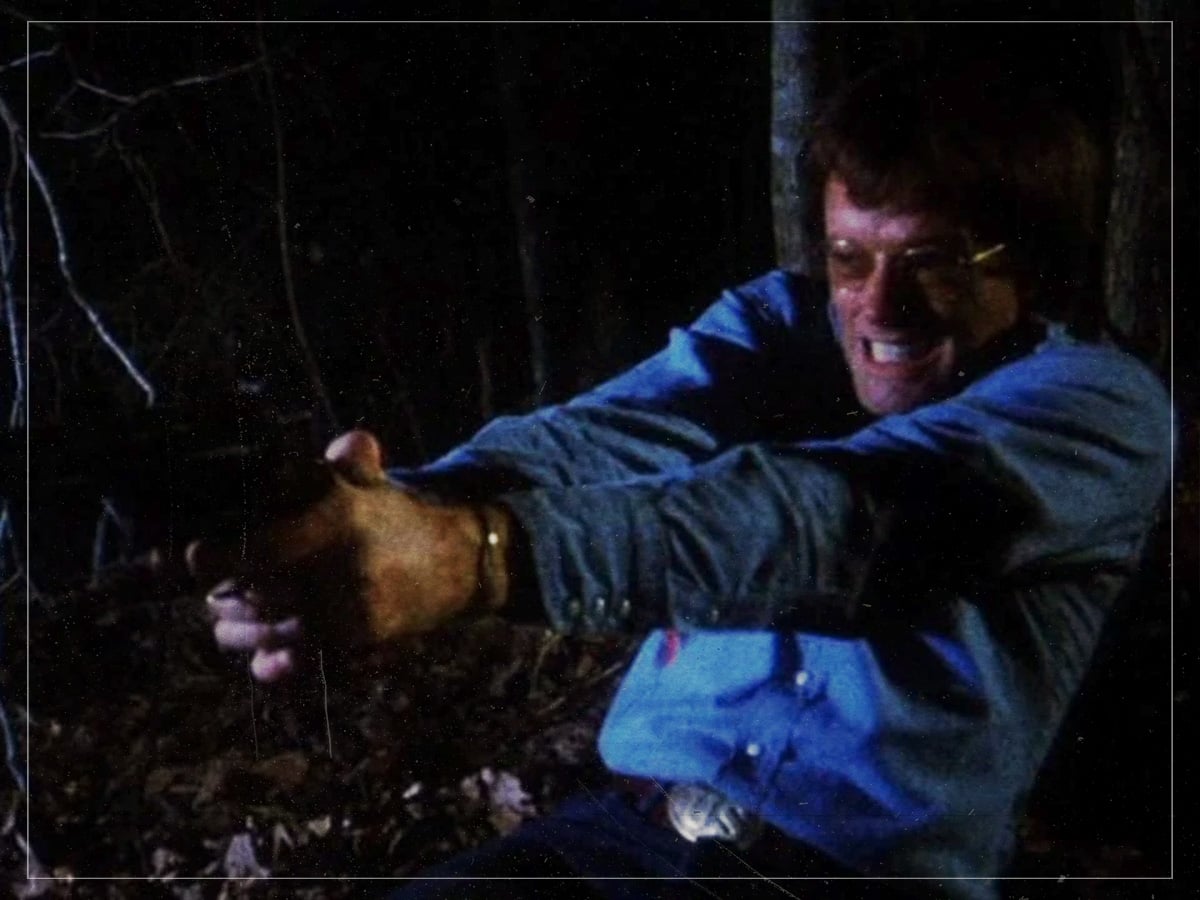
Jonathan Demme was a brilliant filmmaker who has only garnered greater admiration in recent years, as Paul Thomas Anderson cited him as a major influence, but one of the reasons that Demme hasn’t always been afforded the respect he deserves is that he has had a few misfires in his career that frankly weren’t his fault.
Fighting Mad is the third of three exploitation films that Demme made for Roger Corman, following Caged Heat and Crazy Mama, and while the film itself has more skill than many of the other exploitation films released within the same era, it can be seen as one of the reasons why Demme was considered to be a second-rate director up until he solidified himself as a more seasoned auteur with Melvin and Howard and Married to the Mob, comedy hits that made it even more surprising that he was capable of directing The Silence of the Lambs.
‘Two-Minute Warning’ (Larry Peerce, 1976)
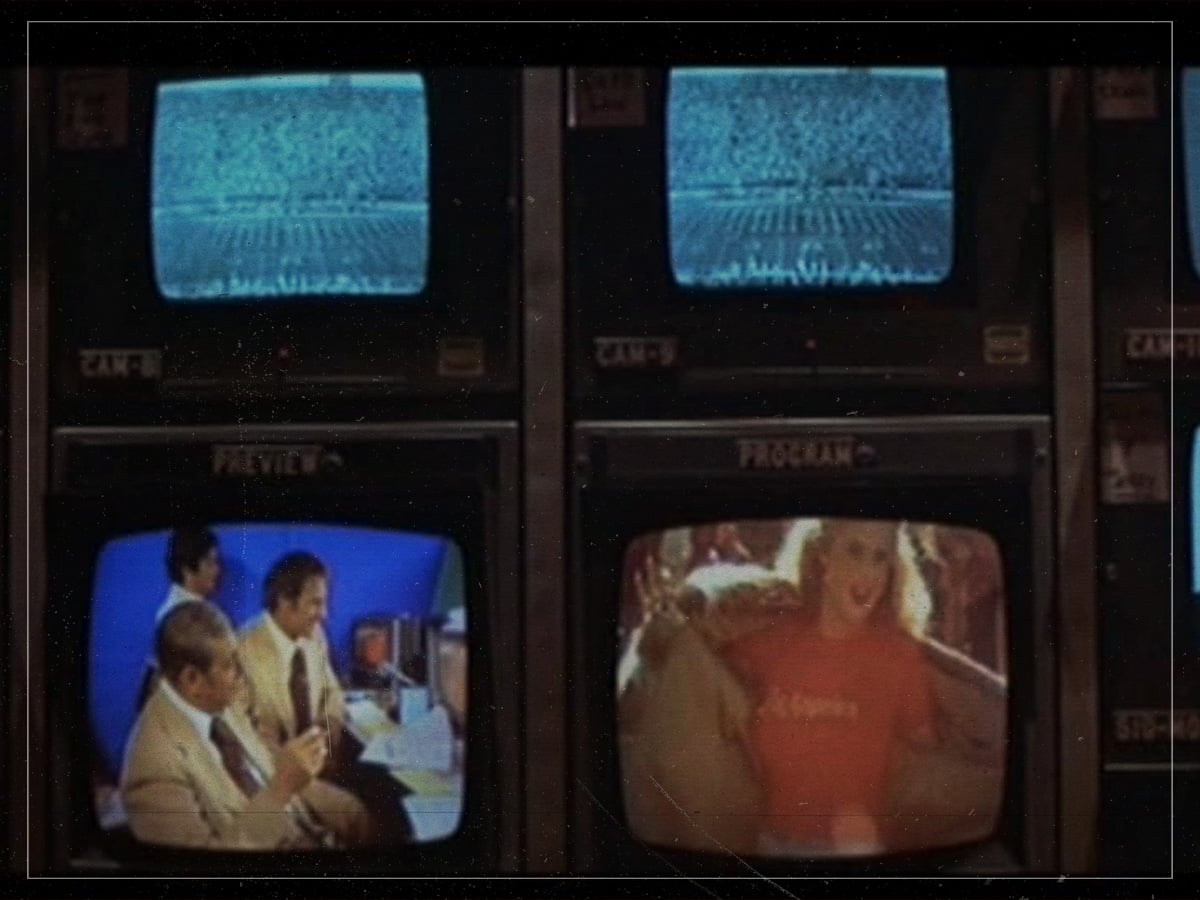
Two-Minute Warning is somewhat bizarre in that it is an action film that left no cultural impact, despite the fact that it has an amazing cast that included Charlton Heston, John Cassavetes, Beau Bridges, and Gena Rowlands. Even though it earned a nomination at the Academy Awards for ‘Best Editing’, it was trashed by critics as being another disposable action film.
The harm of movies like Two-Minute Warning is that they created the perception that action was a genre that was only for guilty pleasures and exploitation, and wasn’t capable of being true art. Even though 1976 also saw the release of The Enforcer, an excellent entry in the Dirty Harry series, action films didn’t end up being treated with more respect until the ‘80s delivered genuine classics like Mad Max 2: The Road Warrior, Aliens, Lethal Weapon, and Die Hard.
‘Grizzly’ (William Girdler, 1976)
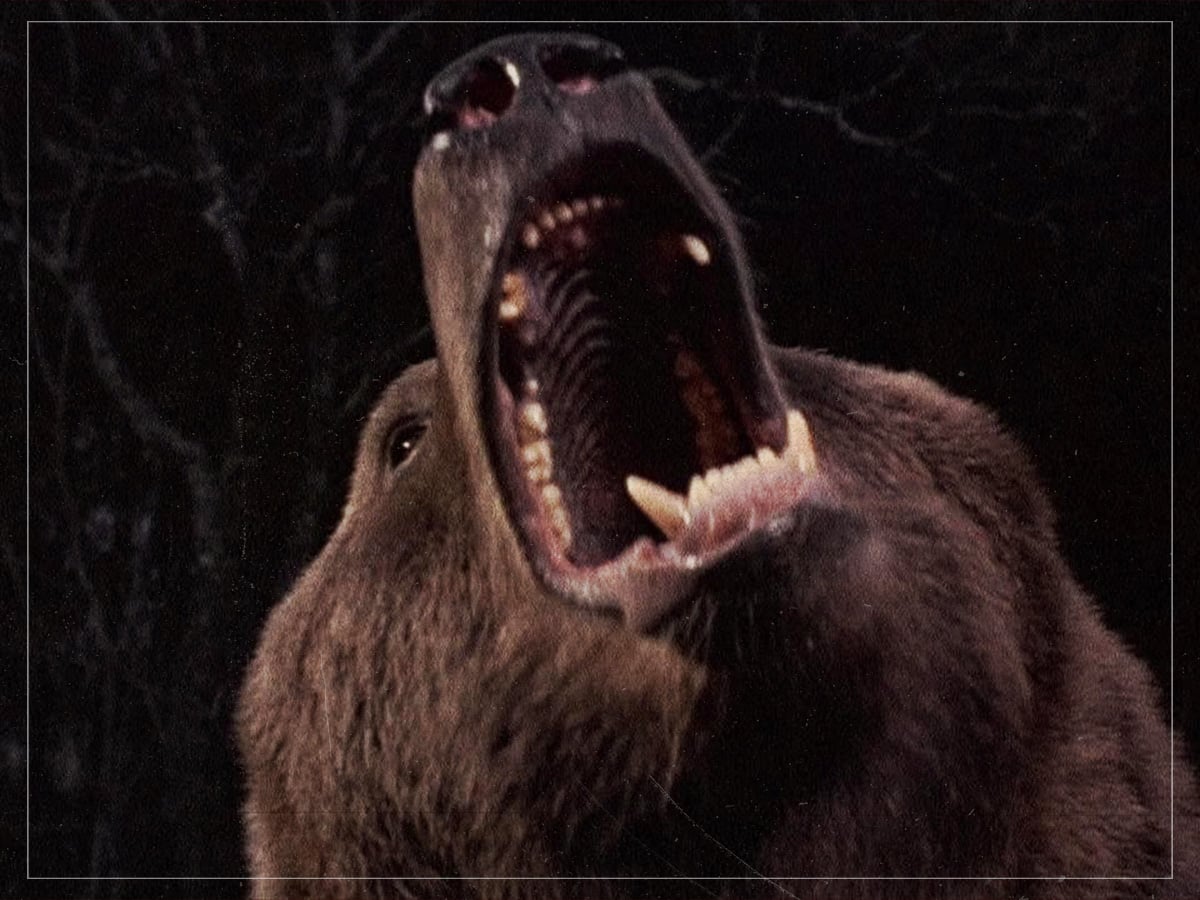
Jaws had become the highest-grossing film of all-time in 1975, which led many studios to churn out as many cheap knock-off ‘animal attack’ thrillers as they could. Grizzly ended up being one of the more successful ones because it was made so quickly after Jaws, and audiences weren’t aware that it didn’t have a brilliant director like Spielberg attached.
Even though Jaws is the ultimate example of an elevated thriller, films like Grizzly gave the industry an example of how lazy, generic nature thrillers could succeed based solely on the appeal of their gimmick. The film is not only responsible for dozens of other animal-based horror made on a dime in the next few decades, but also contributed to the false perception that grizzly bears are dangerous, when in reality they are peaceful creatures that rarely harm humans.
‘Cannonball’ (Paul Bartel, 1976)
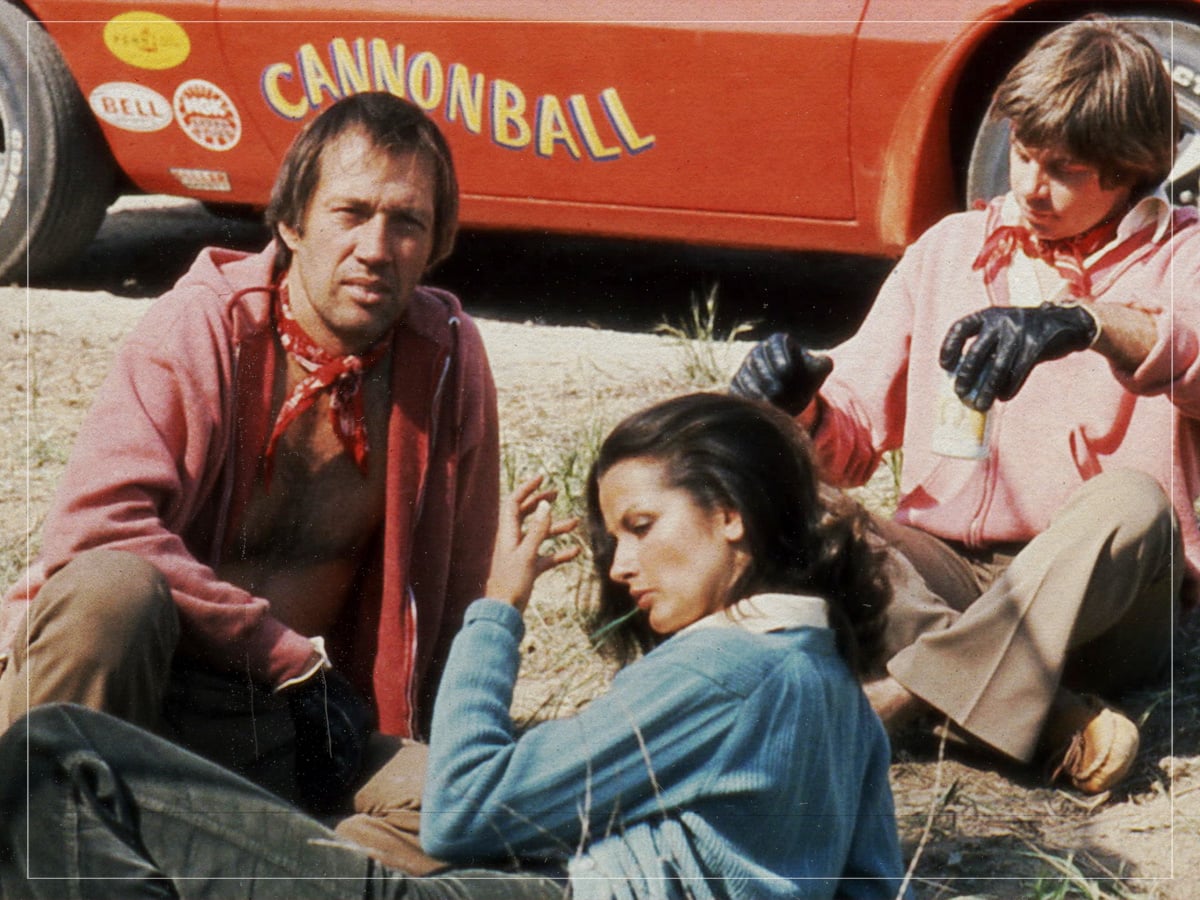
Cannonball marked the emergence of one of cinema’s worst subgenres, the illegal road race film. Its relative success ended up inspiring the disastrous Cannonball Run franchise, as well as Death Race and its many sequels. Sylvester Stallone, Don Simpson, Roger Corman, and Joe Dante all have cameos in the film, but they don’t add anything substantial enough to make it watchable.
What’s particularly obnoxious about Cannonball is that it was clear that not much effort was put into making great racing sequences; when looking at Bullitt in the previous decade or the amazing chase in The French Connection just five years prior, the incompetency of the action filmmaking in Cannonball is downright embarrassing. It may be partially to blame for the way in which the Fast and Furious franchise has continued to be successful, despite the declining quality of the sequels.
‘Eaten Alive’ (Tobe Hooper, 1976)
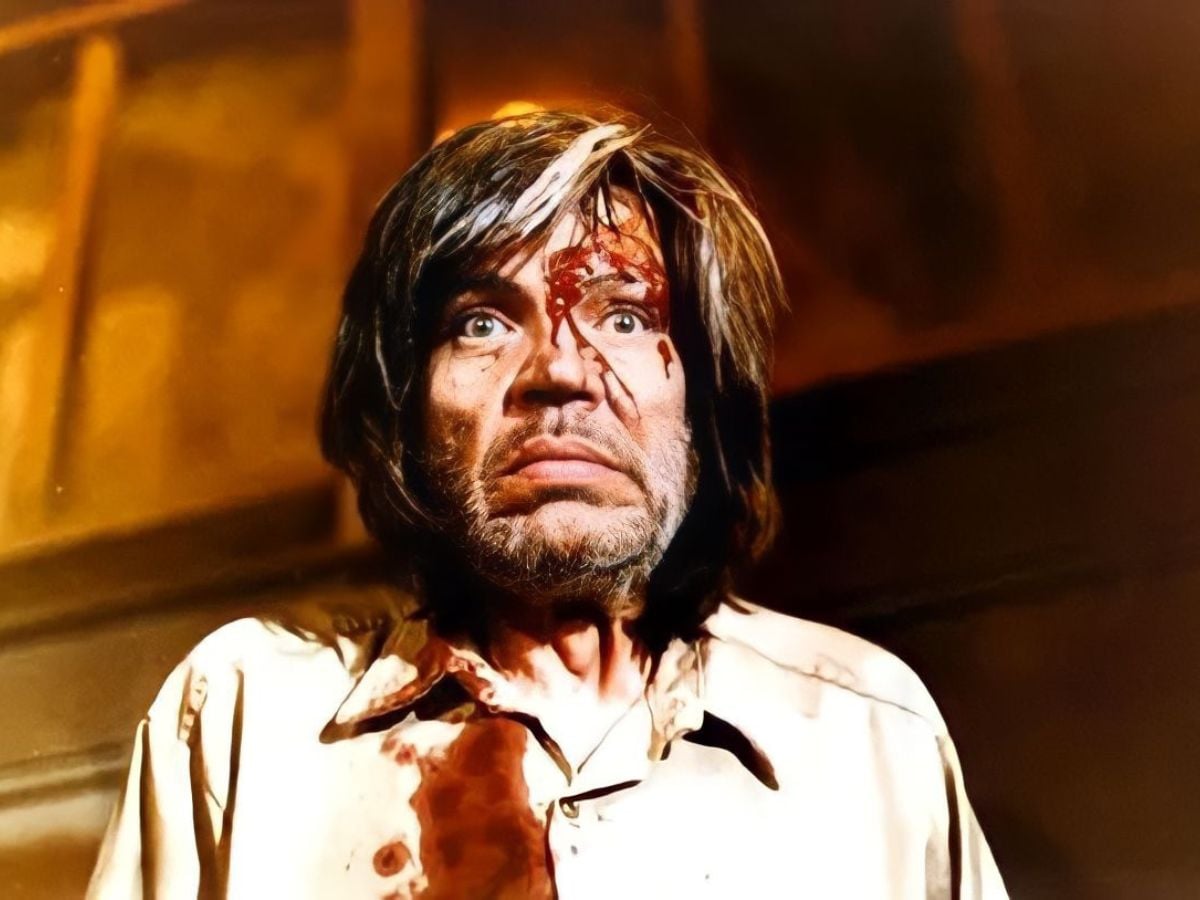
Tobe Hooper changed the horror genre forever with The Texas Chainsaw Massacre, a masterpiece of grittiness and subversion that attracted no shortage of controversy. While some took issue with the film and felt like it was exploitation, Hooper had clearly made a political and social statement that said more about contemporary American life than many of the more ‘serious’ films of the era.
Unfortunately, Hooper’s subsequent horror film Eaten Alive is pretty much everything that The Texas Chainsaw Massacre was accused of being; it’s absurdly violent without anything deeper on its mind, and projects a very dark view of mankind’s inherent savagery. It might be the existence of films like Eaten Alive that harm Hooper’s reputation of not quite being one of the greatest auteurs in horror history, often kept away from the pedestal of other geniuses like John Carpenter, Wes Craven, and Brian De Palma.
‘Futureworld’ (Richard T Heffron, 1976)
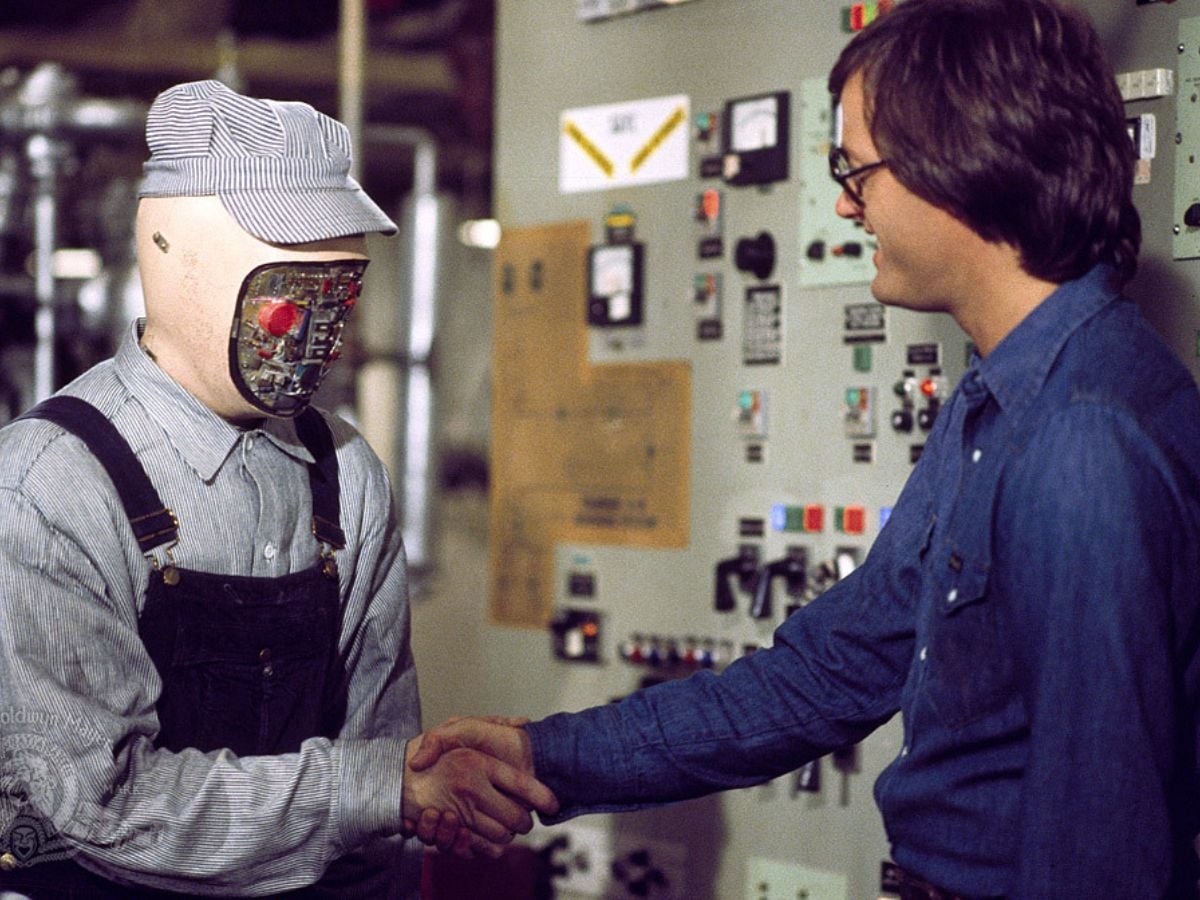
Westworld was a highly influential science fiction film adapted from the Michael Crichton novel that had been a hit in 1973, meaning that it was only a matter of time before a sequel was made. Despite the addition of Peter Fonda to the cast, Futureworld lacked the thematic depth of its predecessor and traded out the interesting idea of using sci-fi to explore historical settings for yet another tale of misguided futurism.
The film was such a disappointment that it temporarily ended the Westworld franchise, as it suggested that the premise was not fertile. Although the original film ended up getting more attention as a result of the highly popular HBO series that began in 2016, it is possible that it could have been an innovative science fiction franchise in the vein of Planet of the Apes if Futureworld hadn’t wasted its potential.
‘Look What’s Happened to Rosemary’s Baby’ (Sam O’Steen, 1976)
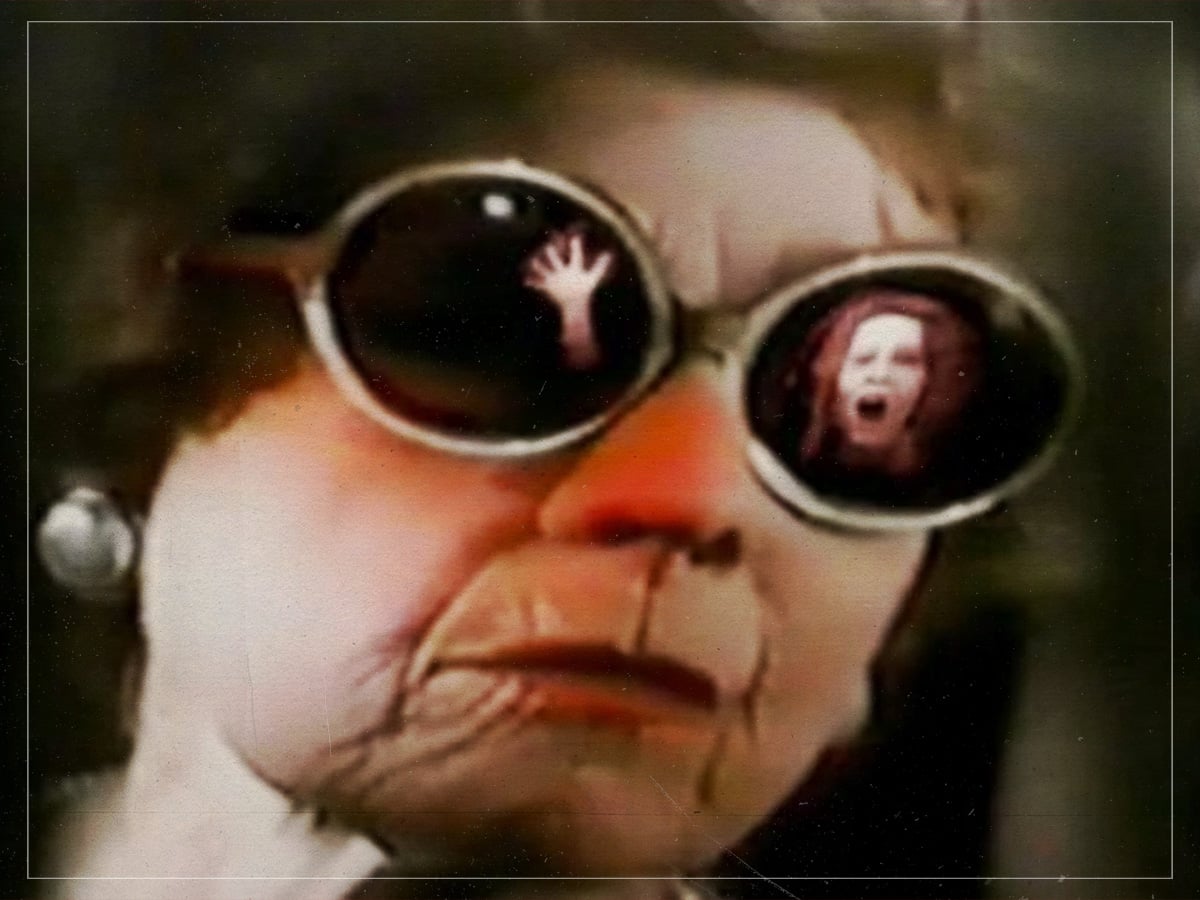
Rosemary’s Baby is an absolute classic that remains one of the scariest horror films ever made, responsible for earning the genre the respect it needed for Carrie, The Omen, The Exorcist, and other ‘70s classics to exist, an while it thankfully didn’t end up receiving as many terrible sequels as other horror franchises like Halloween, A Nightmare on Elm Street, or Friday the 13th, it did get a very strange follow-up with the made-for-television film Look What’s Happened to Rosemary’s Baby, which follows a grown-up version of the child from the original.
Look What’s Happened To Rosemary’s Baby helped to begin the trend of cheaply made horror sequels able to get attention because of their name recognition, despite the fact that they had no creative involvement from anyone responsible for the first film.
‘The Town That Dreaded Sundown’ (Charles B Pierce, 1976)
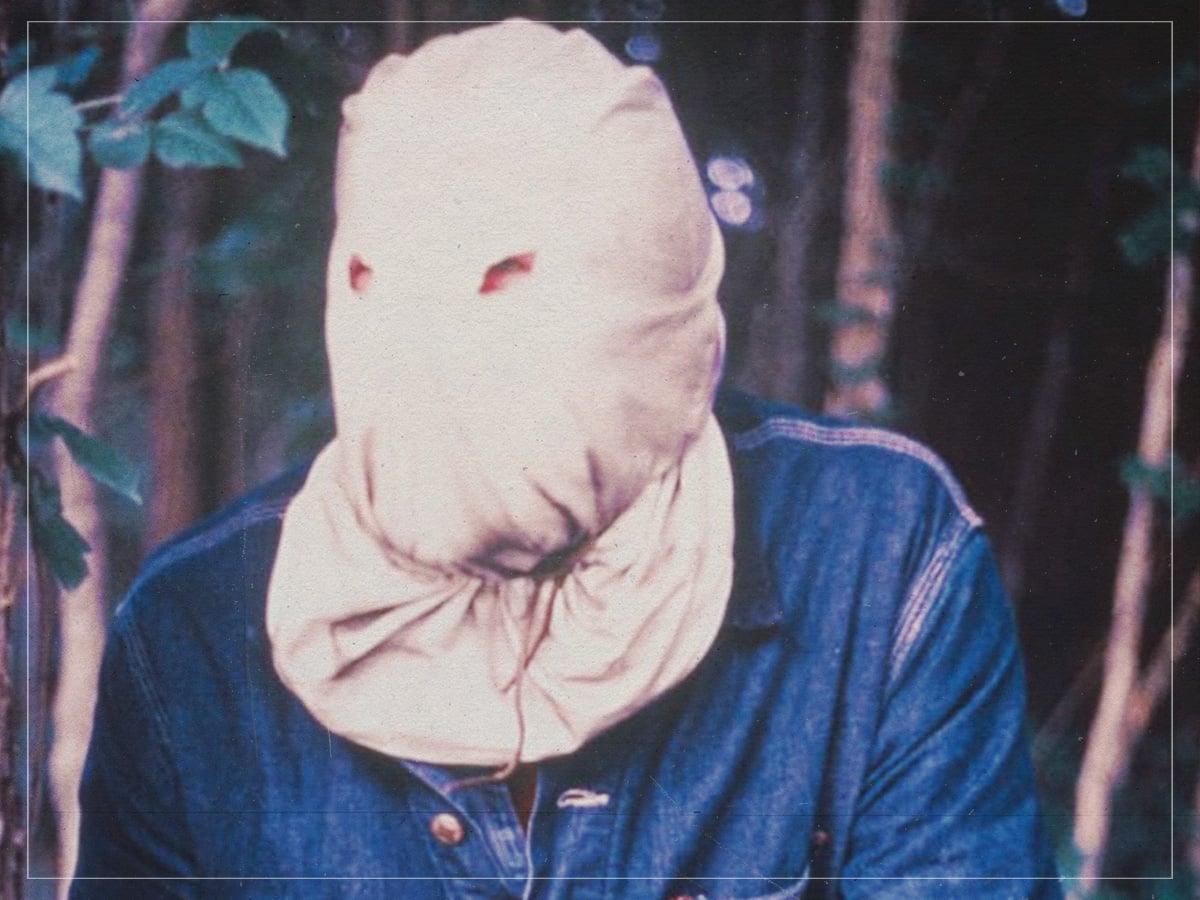
Even though some critics were offended by its existence, the horror genre was in a successful place in 1976, as it was becoming reasonable for A-list stars and actors to be involved with it, and for an example of which, look no further than 1976’s The Omen, which was directed by Richard Donner, starred Gregory Peck, and earned Academy Award nominations. The Town That Dreaded Sundown represented the opposite type of horror, the poorly-made, shallow in its themes kind that featured amateur acting and relied on cheap jump scares to entice audiences.
It’s because of The Town That Dreaded Sundown that an unfortunate model for horror was created, in which even the worst-reviewed films end up being profitable because of how cheap they are to make. It’s a model that is still in effect 50 years later, as evidenced by the way that Blumhouse churns out garbage while remaining a successful distributor and producer.
‘Survive!’ (René Cardona, 1976)
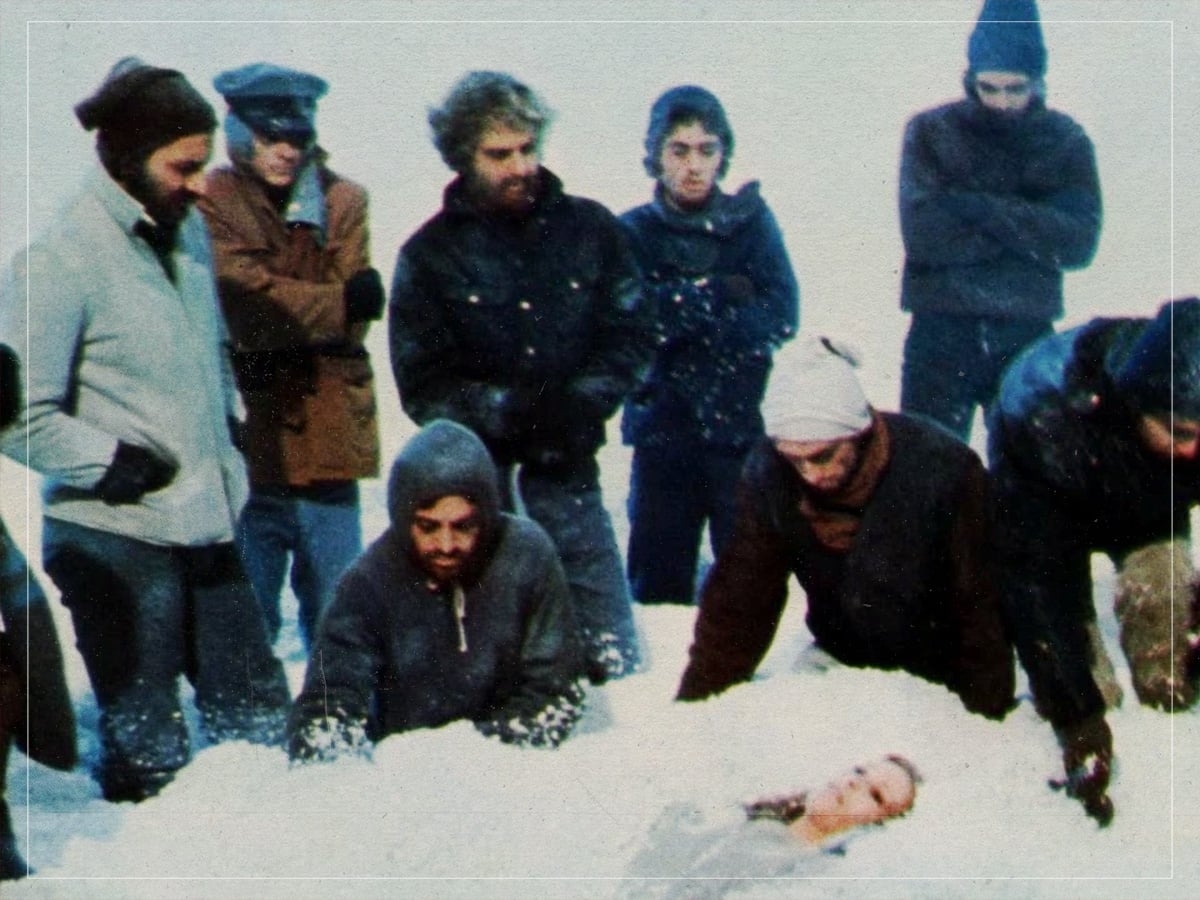
Although it’s hard to get mad about the countless cheap exploitation films released in 1976, there are a few that developed negative trends that contributed to the decline of micro-budgeted cinema, and Survive! is particularly eggregious, because it was based on the real Uruguayan Air Force Flight 571 crash, which also inspired Frank Marshall’s 1993 film Alive and the Oscar-nominated Spanish-language 2023 film Society of the Snow. Both of those latter films attempted to sympathise with the characters and explain their ethical dilemma, but Survive! has none of those noble intentions.
Survive! makes a mockery of the survivors by using cannibalism as the source of spectacle and scandal, which solidified negative stereotypes about Mexican characters in films for international audiences, with Roger Ebert giving the film a rare zero-star review and calling it “crude”.
