


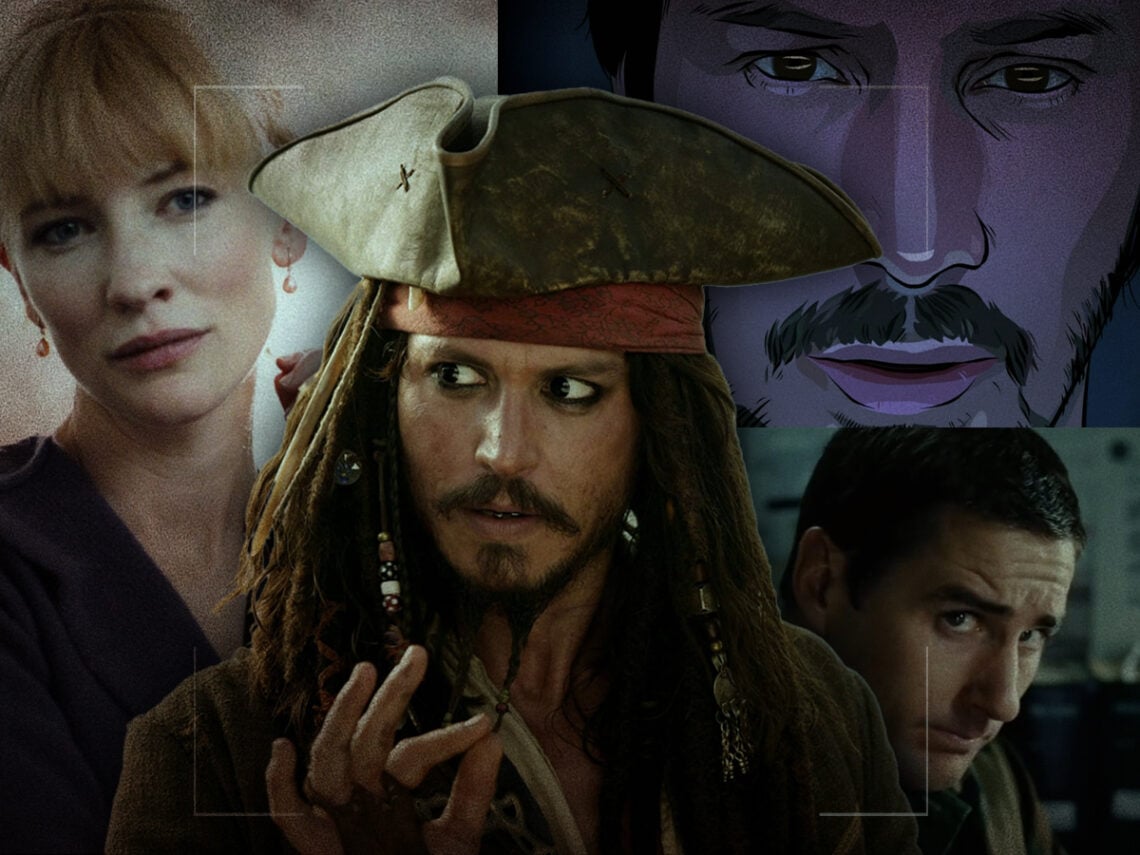
10 movie scenes from 2006 you’d never get away with today

2006 might not seem far enough away for there to be nostalgia, but it was a year when films took ambitious swings.
The most fascinating and frustrating aspect of the evolving cinematic landscape is that the industry seems to be retreating when it should be advancing. Although it was not that long ago that groundbreaking technology was being used to expand the art form, the use of AI to make corporate slop has given studios another reason to be lazy.
Films used to be at the epicentre of popular culture, but today it isn’t even prestige television that attracts the most attention; younger generations are more interested in short-form content, gaming, and other disposable entertainment sources that don’t rise to the level of artistic excellence.
Looking at the collection of films from 2006 makes it easy to get nostalgic, as it was a year that offered all sorts of fascinating classics-in-the-making. The Departed was one of the greatest ‘Best Picture’ winners ever, Casino Royale gave the James Bond franchise the boost of energy it needed, Little Miss Sunshine was a massive indie crossover hit, Pan’s Labyrinth became Guillermo del Toro’s defining masterpiece, Talladega Nights: The Ballad of Ricky Bobby was as funny as studio comedies could get, and Clint Eastwood embarked on one of his most interesting cinematic experiments with his two-part World War II exercise of Flags of our Fathers and Letters from Iwo Jima.
As much as cinephiles would want to believe that great cinema will always find a way to survive, there are quite a few specific moments in 2006 films that seem impossible to replicate today.
10 movie scenes from 2006 that could never exist today:
The affair is revealed – ‘Notes on a Scandal’ (Richard Eyre, 2006)
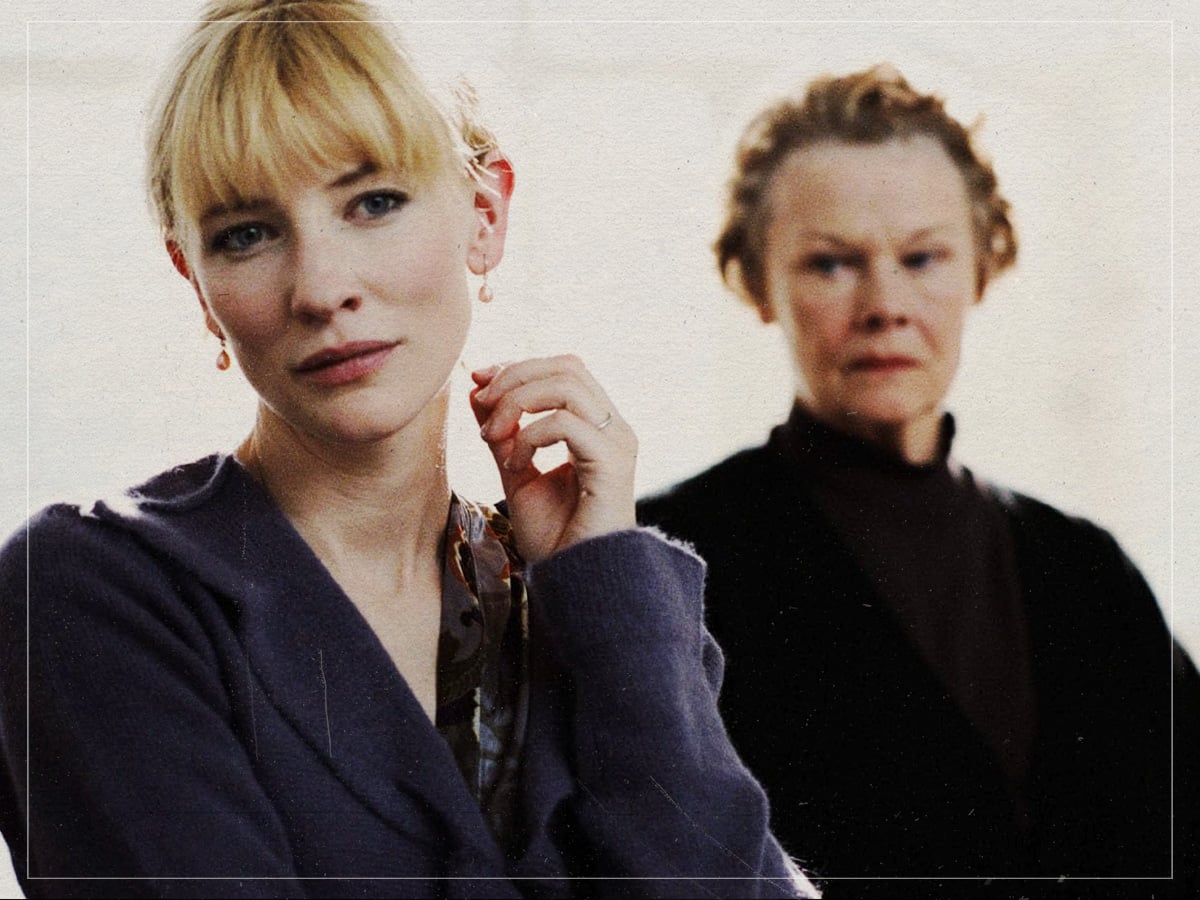
Judi Dench gave the single most underrated performance of her career in Notes on a Scandal, a claustrophobic thriller in which she plays an elderly schoolteacher who discovers that one of her new co-workers, played by Cate Blanchett, is having an affair with an underage student. Although this sort of ethical scenario isn’t uncommon, the film finds a brilliant way of showing the relationship from the perspective of Dench’s character, which makes it both fascinating and horrifying.
Modern attempts to make a film about what would later be referred to as ‘cancel culture’ have fallen flat because they spend more time lecturing the audience than analysing the specifics of the situation, but Notes on a Scandal takes the time to create a complex, thorny minefield in which both characters have power over one another. The subtly in which the film approaches its subject wouldn’t fly today.
Tesla reveals his invention – ‘The Prestige’ (Christopher Nolan, 2006)
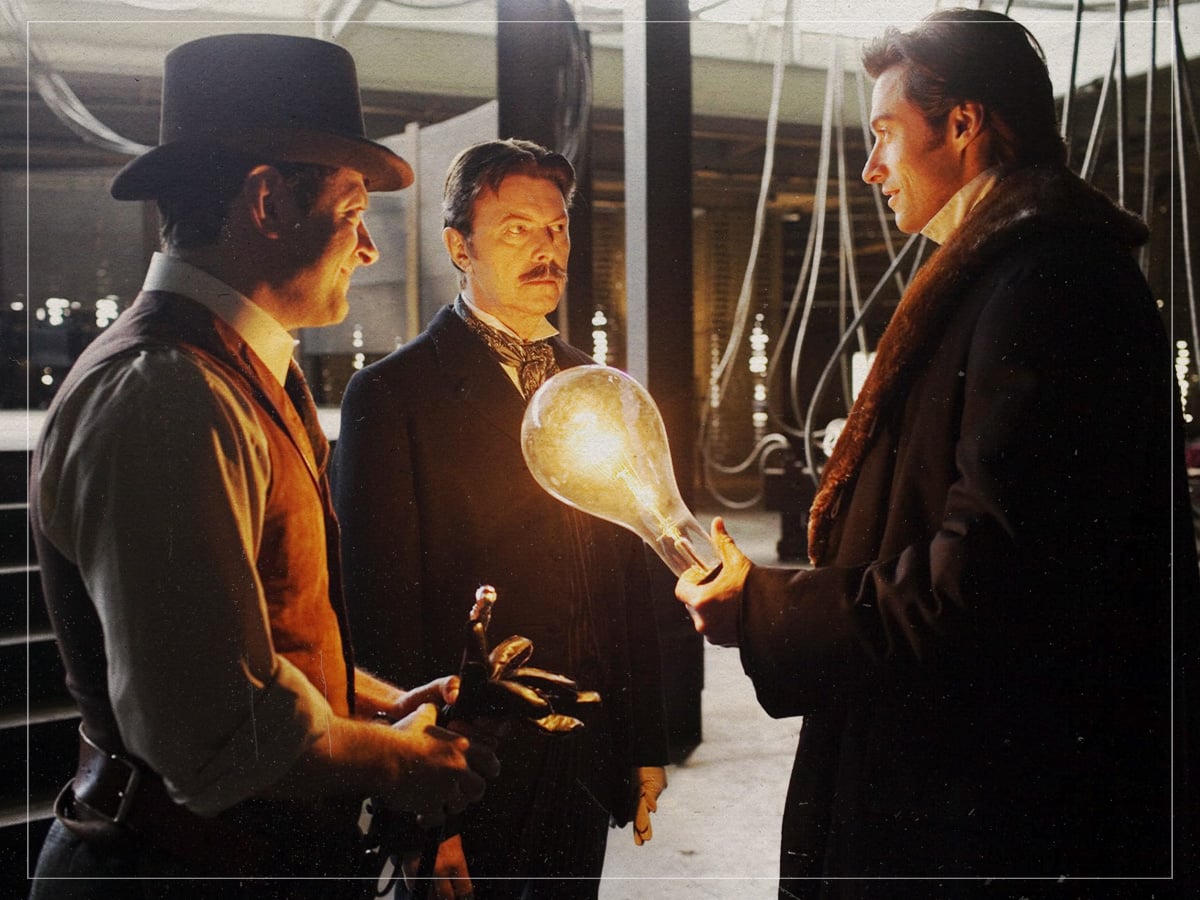
Christopher Nolan is without a doubt the most popular and successful director working today, which has made it impossible for him to make a new film without being subjected to endless scrutiny. Although he had gained a tremendous amount of traction a year prior when he surprised everyone with the excellent superhero film Batman Begins, he was still able to make The Prestige without any details of the plot leaking out.
The Prestige has many jaw-dropping moments, but one of the coolest reveals is when David Bowie shows up to play Nikola Tesla, who is involved in the creation of a science fiction device. This isn’t just a scene that would have likely been spoiled before most people had gotten the chance to see the film, but there isn’t a contemporary artist who is as awe-inspiring and enigmatic as Bowie.
Bonding with the fraternity – ‘Borat! (Larry Charles, 2006)
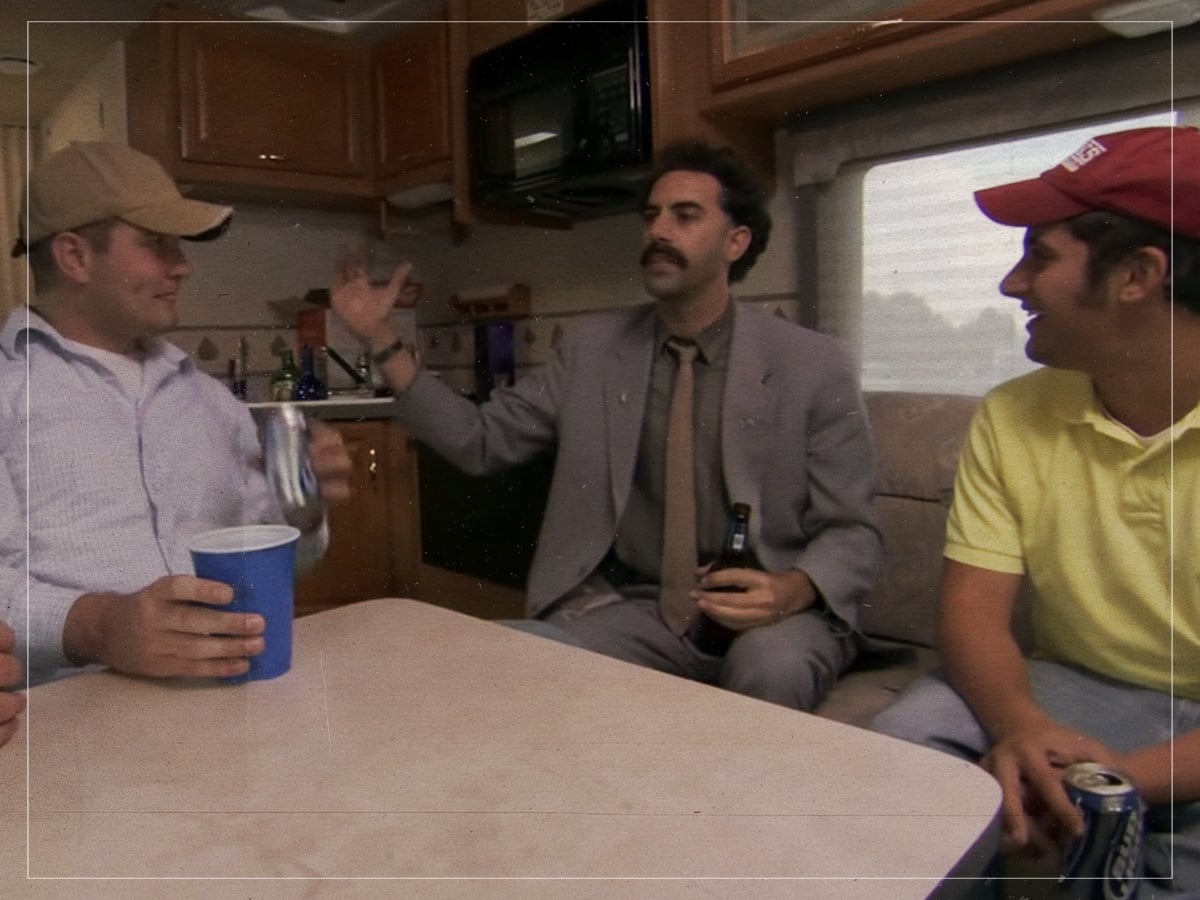
Sacha Baron Cohen has frequently put his life in danger and pulled off incredible feats in the name of comedy, but it is still pretty shocking to see how much he got away with while making the original Borat. It was thanks to some brilliant legal work by the film’s producers that participants signed off on being featured doing ridiculous and embarrassing things.
Although the film works because Cohen creates an environment in which people reveal who they truly are, there isn’t another moment in the film that is as hilarious and disturbing as the sequence in which Borat learns about sexual relationships from a group of fraternity brothers. These young men spout out some of the most vile, crass dialogue possible, and Cohen was able to keep pushing them to be even more personal. While the participants did sue Cohen, it didn’t stop their shameful comments from being broadcast in the film.
Amelia is deported – ‘Babel’ (Alejandro González Iñárritu, 2006)
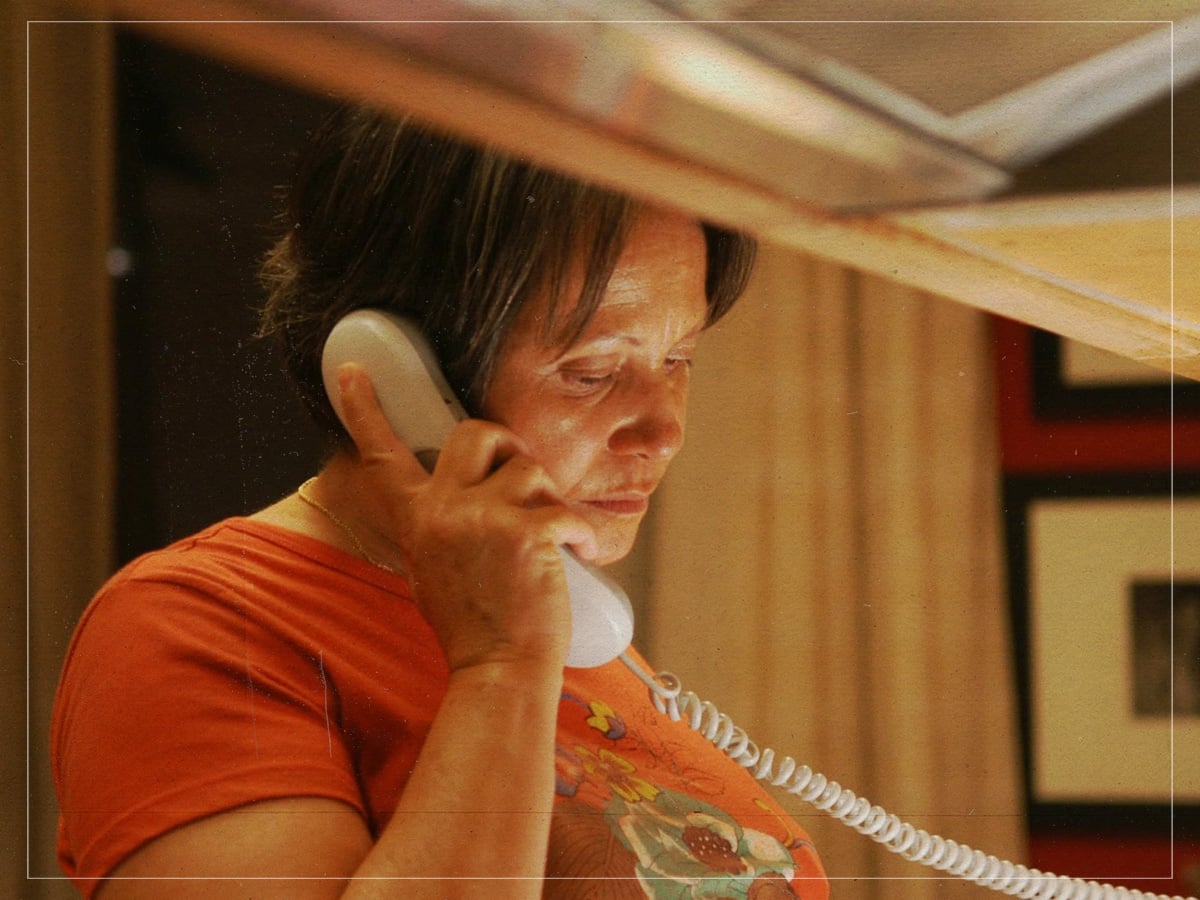
Alejandro González Iñárritu is one of the most remarkable living filmmakers because he makes genuinely strange, upsetting, and experimental films on a massive scale, thanks to the fact that A-list movie stars love working with him. While subsequent Iñárritu films like Birdman (or the Unexpected Virtue of Ignorance) and The Revenant were at least conventionally entertaining in a way that appealed to a mass audience, Babel was somehow both a $135million hit and one of the most depressing mainstream releases of the 21st century.
The most crushing moment occurs at the end of the film, when the Mexican housemaid Amelia, played by Adriana Barraza, is deported after a misunderstanding with her employers, Richard, played by Brad Pitt, and Susan, played by Cate Blanchett. Given how much more of a prominent issue Mexican immigration has become in the public eye during the Trump era, it’s unlikely that Iñárritu would make such a dour scene today.
The three-way sword fight – ‘Pirates of the Caribbean: Dead Man’s Chest’ (Gore Verbinski, 2006)
Pirates of the Caribbean was one of the most shocking blockbuster successes of the century because no one expected a big-budget adventure film based on a Disney theme park ride to be a hit. While today Disney would likely fast-track a sequel that offers more of what audiences think that they want, Gore Verbinski had the audacity to make two incredibly ambitious, strange films back-to-back that felt closer in tone to The Lord of the Rings.
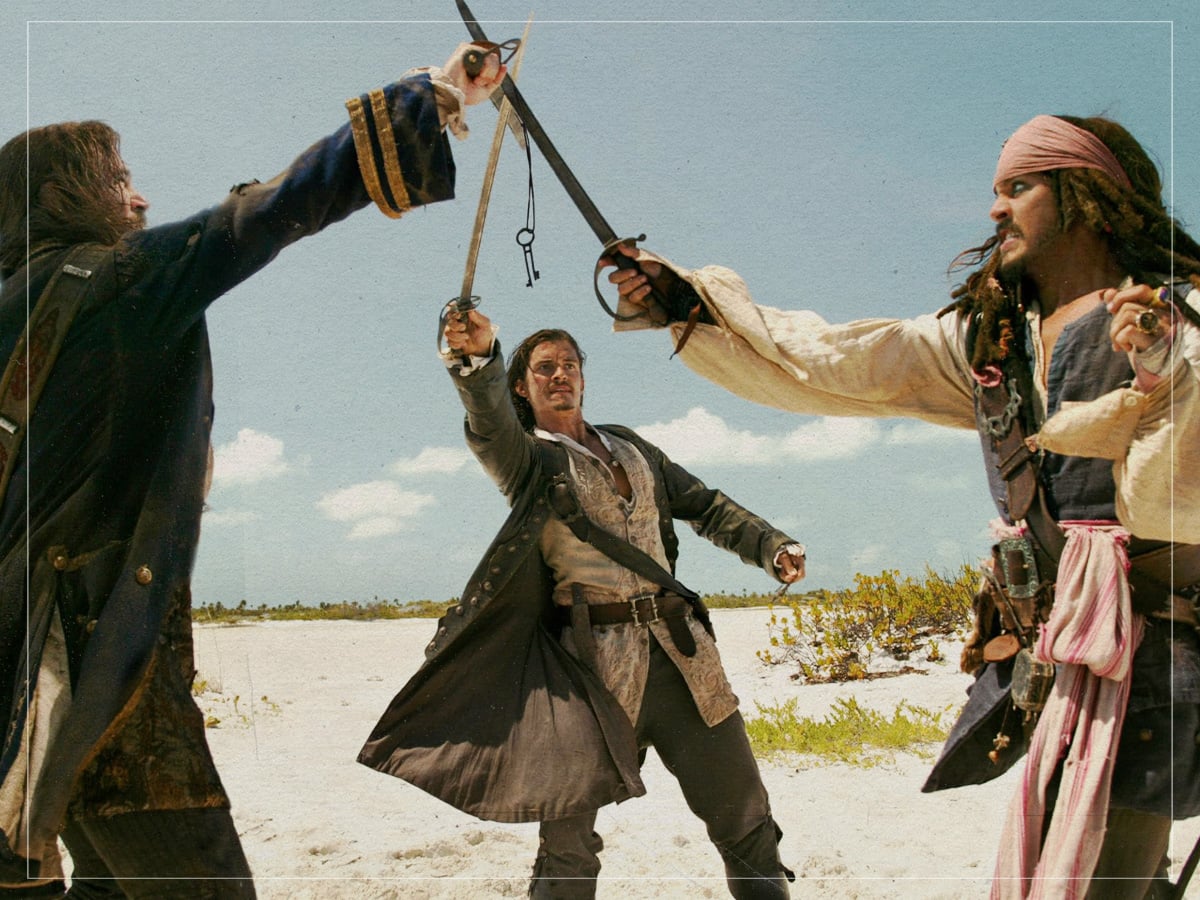
Pirates of the Caribbean: Dead Man’s Chest risked alienating audiences with a cliffhanger ending that included the type of highly demanding fight scene that a studio would certainly not make because of how much practical work was involved. It involved Johnny Depp’s Jack Sparrow, Orlando Bloom’s Will Turner, and Jack Davenport’s James Norrington engaging in a swordfight that reaches absurd heights of physical comedy, and makes it unclear who the real hero or villain is supposed to be.
Ronnie’s castration – ‘Little Children’ (Todd Field, 2006)
Kate Winslet has never been a stranger to making transgressive films, but Todd Field’s searing social drama Little Children took on a number of controversial topics, and didn’t present an easy solution for any of them. The film is set in a seemingly idealistic suburban community, and reveals the malaise that affects married couples as they seek sexual fulfilment.
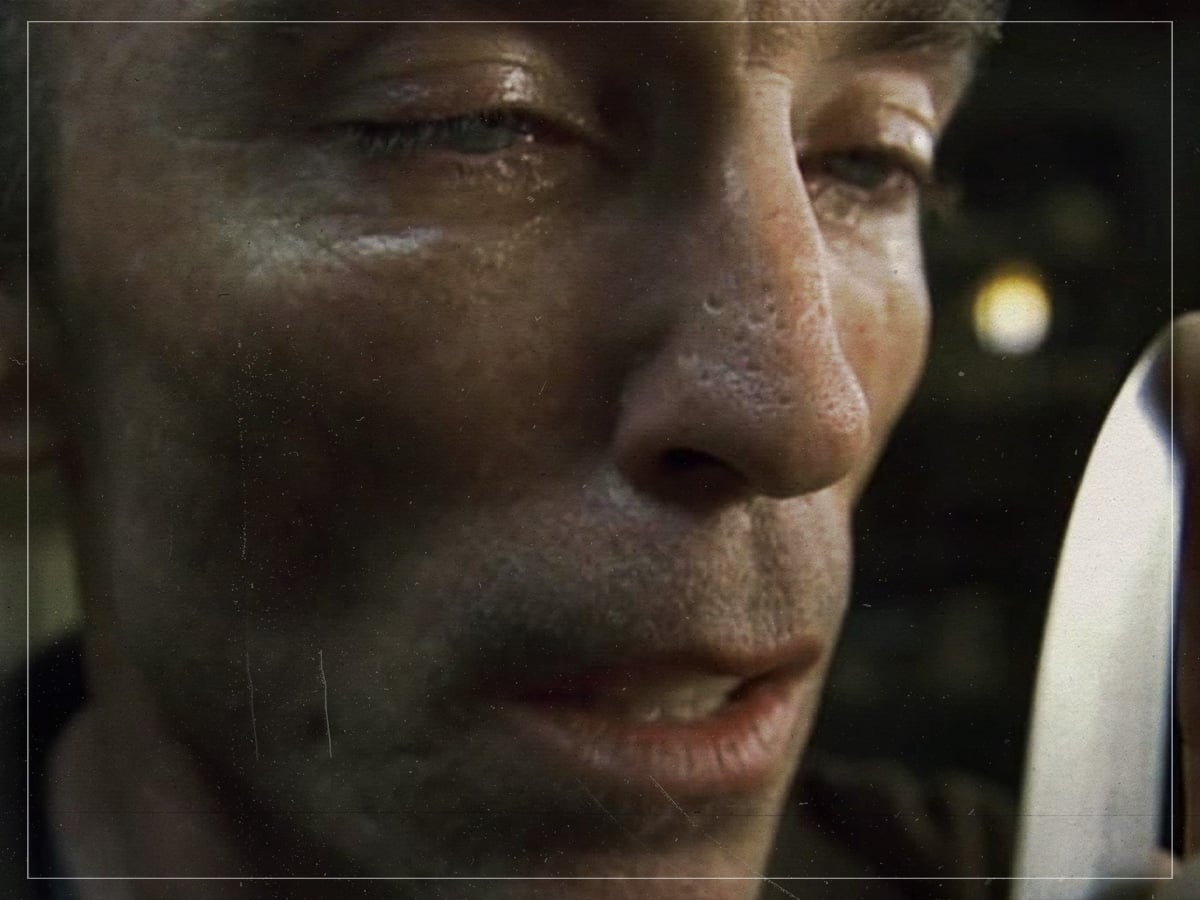
The most shocking element of Little Children is the inclusion of the character Ronnie, played by Jackie Earl Haley in an Oscar-nominated performance, who is a child molester recently allowed to stay with his mother. The aspect of his mental illness isn’t considered by the community, as they bully and threaten him, leading to a shocking moment where he castrates himself out of shame before bleeding to death. It’s a reflective scene in which it’s shown that mob mentality does no one any justice.
The Battle of Dublin – ‘The Wind That Shakes The Barley’ (Ken Loach, 2006)
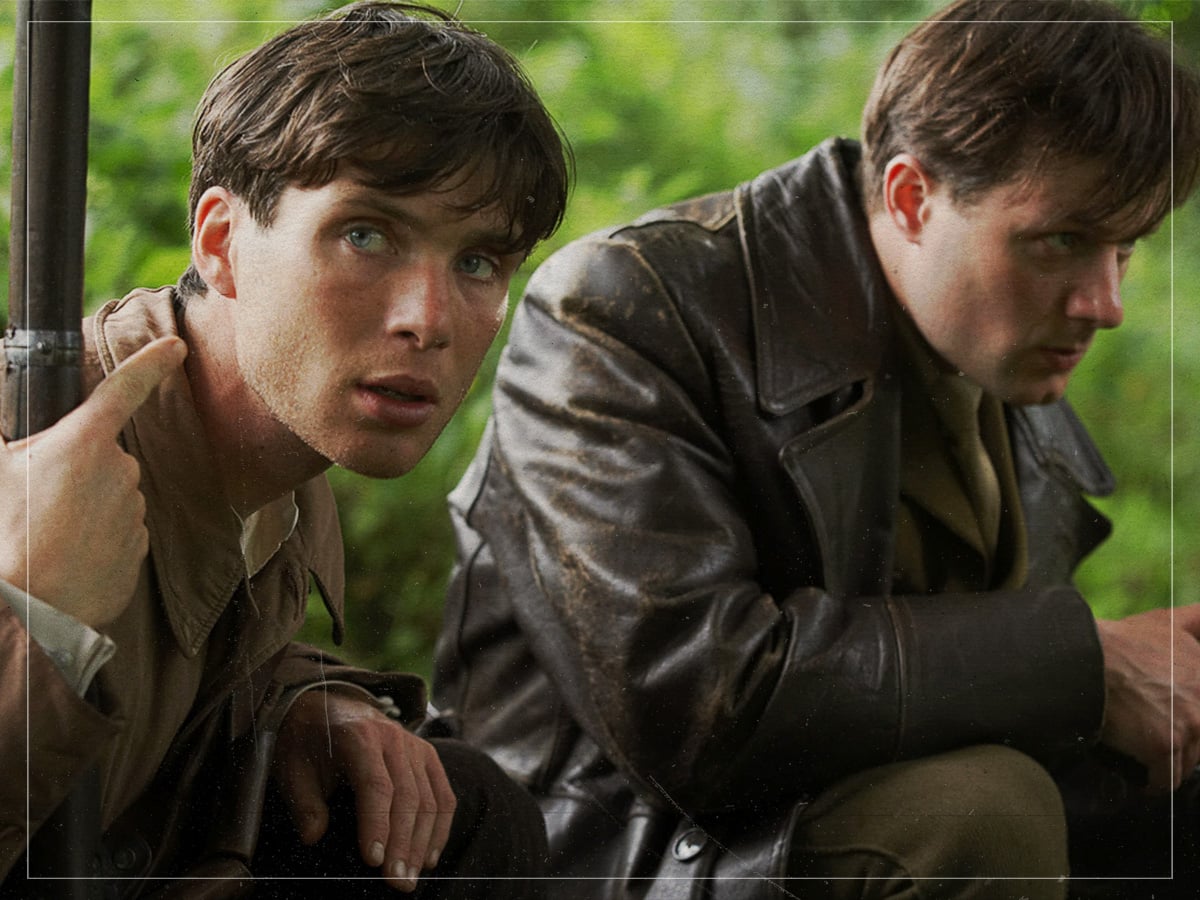
Cillian Murphy was already a great Irish actor before he garnered even more acclaim when he won the ‘Best Actor’ Oscar for his performance in the ‘Best Picture’ winner Oppenheimer, and his abilities were first showcased in Ken Loach’s Palme d’Or winner The Wind That Shakes The Barley. The film offered an unflinching portrayal of the Irish Republican Army and detailed the brutal Battle of Dublin with heartbreaking realism.
Although there will always be a place for war films (even if there hasn’t been a truly great one since 1917), The Wind That Shakes The Barley offered a morally ambiguous conflict that showed both the virtues and atrocities committed by the IRA. The entire era has been rather touchy for current filmmakers to tackle, as the most substantial fictional work about the time recently was in the FX series Say Nothing.
Dr Garrigan escapes from Uganda – ‘The Last King of Scotland’ (Kevin Macdonald, 2006)
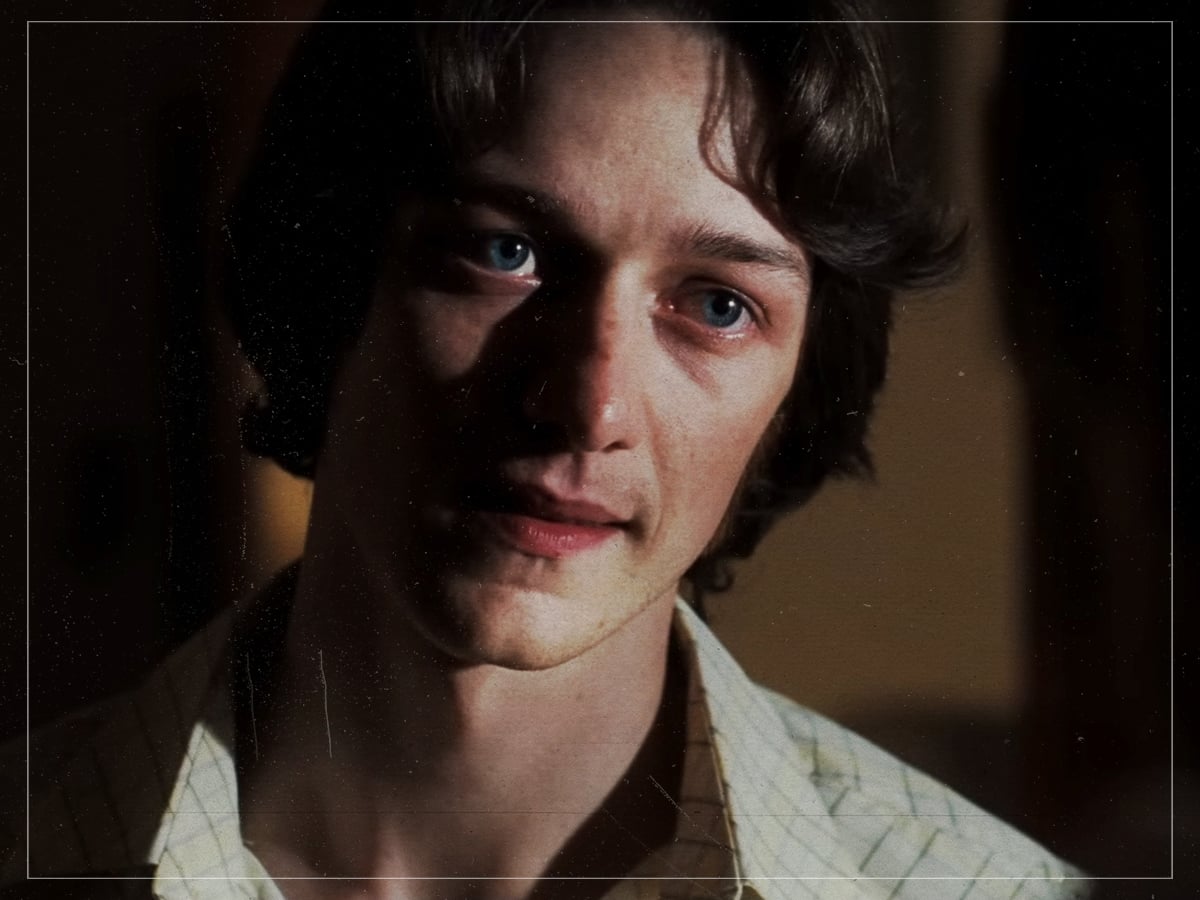
James McAvoy plays the other main character, Dr Nicholas Garrigan, in The Last King of Scotland, but it was Forrest Whitaker who won the Academy Award for ‘Best Actor’ for his amazing portrayal of the Ugandan President Idi Amin. While McAvoy gives a good performance as an English medical school graduate who becomes the chief doctor for the president, the film is about one of the most brutal fascist regimes in African history, told from the perspective of a white character.
Garrigan wasn’t a real person, but a character created specifically for the film who was only loosely inspired by actual accounts. It’s hard to imagine a contemporary biopic centring its third act on the escape of a fictional character, especially one that is not representative of the demographic of people being oppressed.
Joe becomes president – ‘Idiocracy’ (Mike Judge, 2006)
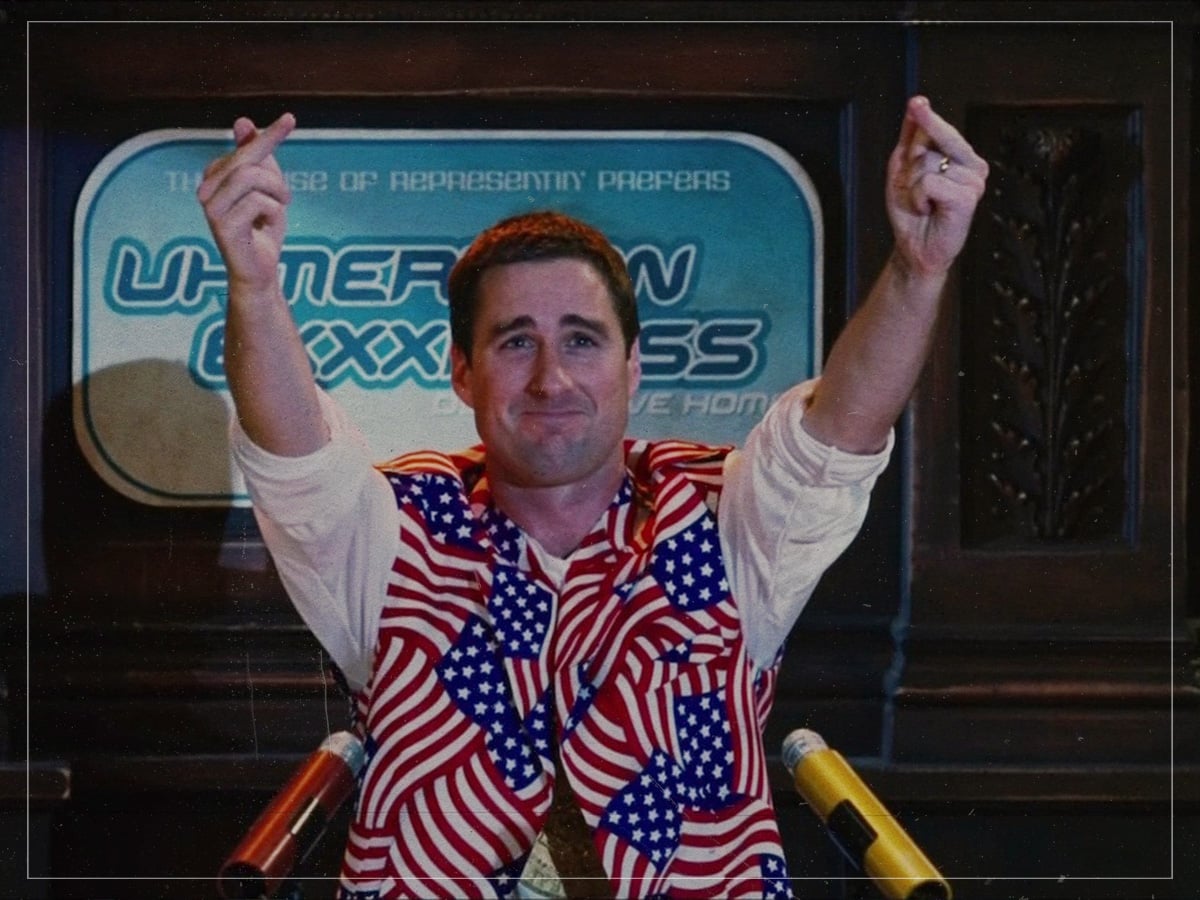
Mike Judge made one of the most scathing, cynical, and unfortunately accurate works of satire about what the United States of America would turn into with Idiocracy, a high-concept comedy about a future in which the average IQ has decreased dramatically. Luke Wilson stars as Joe Bauers, a United States Army librarian who is sent in the future to glimpse what society has turned into.
Although he finds that humanity has become almost incurably stupid, the film ends with him becoming president, succeeding the former commander-in-chief, Camacho, played incredibly by Terry Crews. It’s a surprisingly thoughtful and optimistic ending from someone like Judge, who has never been that sentimental, and given how much more screwed up America has become in the last 20 years, both socially and politically, he would be unlikely to end the film in a moment that has so much hope for the future.
Fred informs on Barris and Luckman – ‘A Scanner Darkly’ (Richard Linklater, 2006)
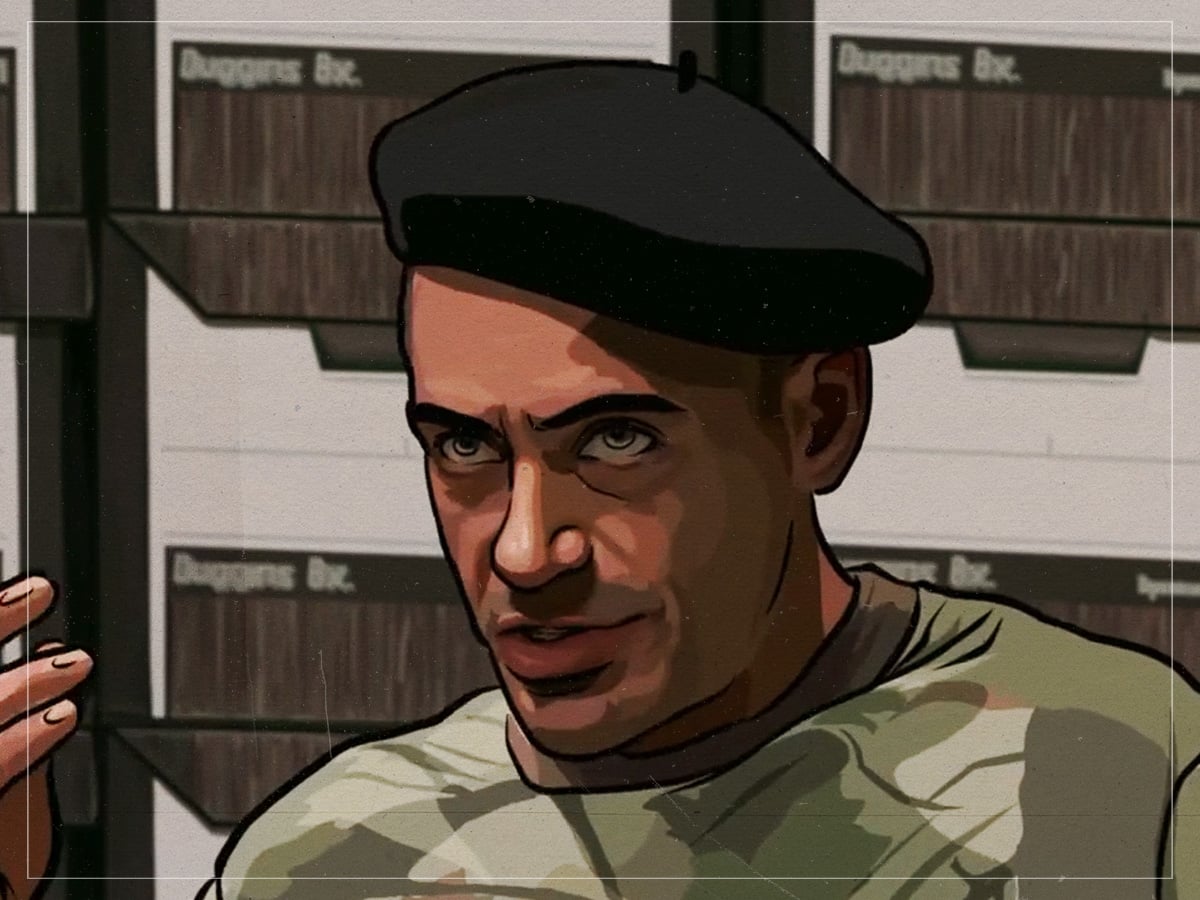
Richard Linklater made one of the weirdest and most shocking animated films of the century with A Scanner Darkly, a science fiction mystery thriller that was based on a story by Philip K Dick. Created using a rotoscoping style of animation that never took on (even though Linklater tried to revive it with his Netflix film Apollo 10 ½), A Scanner Darkly stars Keanu Reeves as a cop who uses new technology to go undercover and infiltrate a gang of drug dealers who have been selling a dangerous new product.
Linklater never made anything as horrifying as this film ever again, which includes a disturbing scene involving the drug addicts Barris, played by Robert Downey Jr, and Luckman, played by Woody Harrelson, experiencing side effects. Downey has been open in the years since about his addiction issues, but he hasn’t taken on any other roles in which he plays a character with those experiences.
