


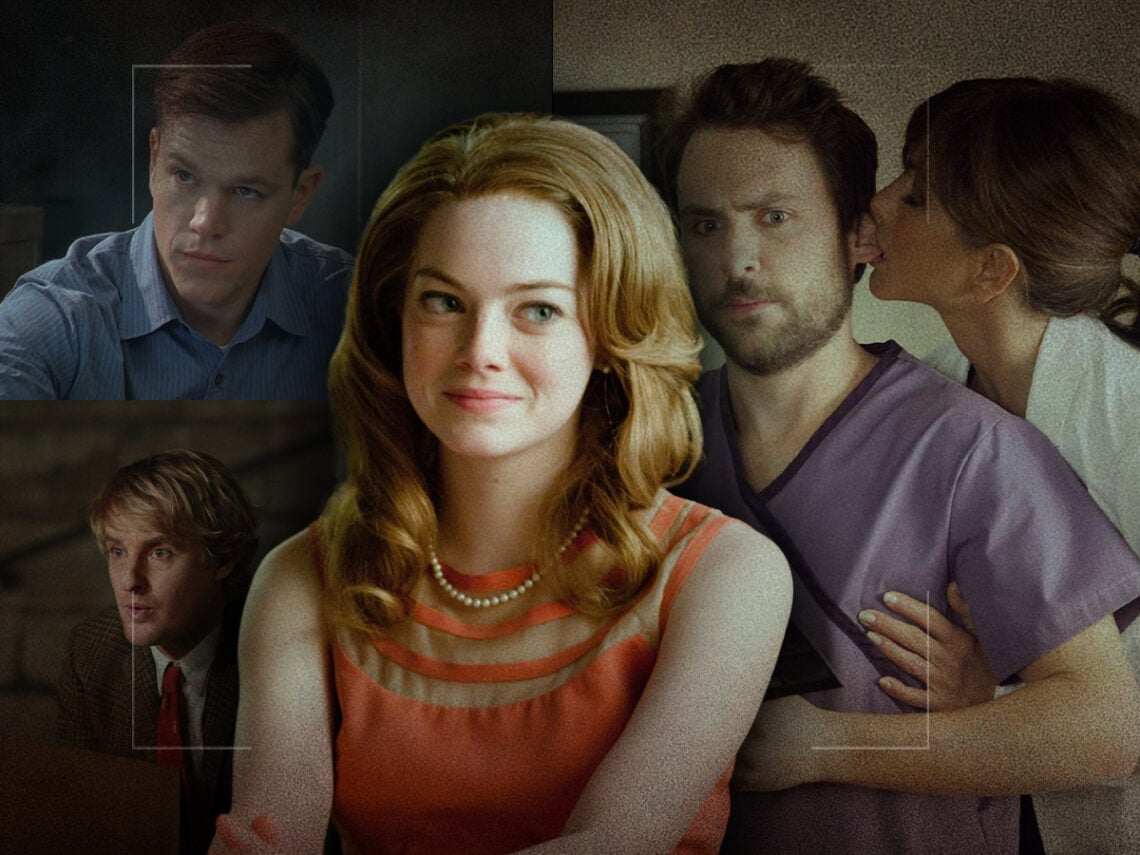
10 movie characters from 2011 that could never exist today

It wasn’t that long ago, but 2011 was a surprisingly adventurous year for cinema.
It wasn’t necessarily celebrated for being a standout year at its time, especially when compared to the run of classics that debuted in 2010, such as The Social Network, Inception, True Grit, Black Swan, and Toy Story 3. However, 2011 saw a number of films being made that would almost guarantee not happening today.
Rarely has a mainstream studio film released at Christmas been as dark and unrelenting as The Girl with the Dragon Tattoo, and The Artist became the first silent film to win the Academy Award for ‘Best Picture’ since the first winner ever, Wings. It’s easy to forget that Drive incited controversy when audiences discovered that Nicolas Winding Refn’s noir thriller was much more of an arthouse affair than a straight-up action film, and The Ides of March got blowback for its explosive commentary on American politics.
Even the superhero films of 2011 were fairly unique. Captain America: The First Avenger was an old-fashioned period piece set in World War II, X-Men: First Class explored the social progressivism and Cold War anxieties of the ‘60s, Thor grounded the Marvel Cinematic Universe in a realm of Shakespearean mythology, and Green Lantern was the type of disaster that seemed incomprehensible, even if it’s now seen as a much better movie than over half of the DC films since.
There are some films that might still have been made today, but they would have had to remove characters that would likely receive some sort of backlash.
10 movie characters from 2011 impossible today:
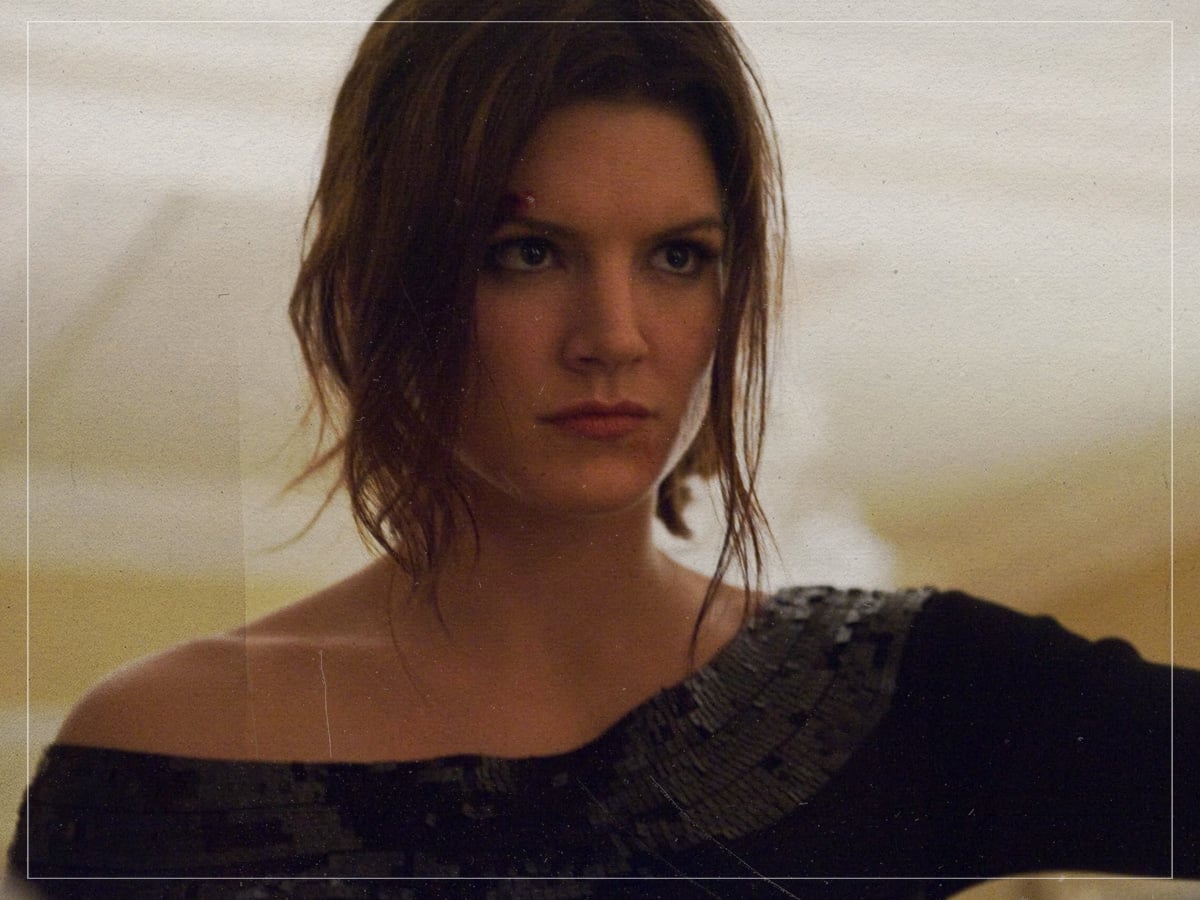
Mallory Kane in ‘Haywire’ (Steven Soderbergh)
Steven Soderbergh has always had an interesting eye for casting and has a talent for giving great roles to stars past their prime.
However, he is also so intent on turning non-actors into stars that he can miss the mark, and rarely has he ever had a bigger blunder than getting the MMA fighter Gina Carano to star in his action thriller Haywire. It’s an exhilarating action thriller with a smart script, but Carano can’t act to save her life; surrounding her with Ewan McGregor, Antonio Banderas, Michael Douglas, Michael Fassbender, and Channing Tatum only makes her look worse.
Haywire would have never happened if Soderbergh tried to make a film today with such a terrible star, and Carano’s transition into a right-wing bigot who has cosied up to The Daily Wire has only made it less likely that she’ll ever make a comeback.
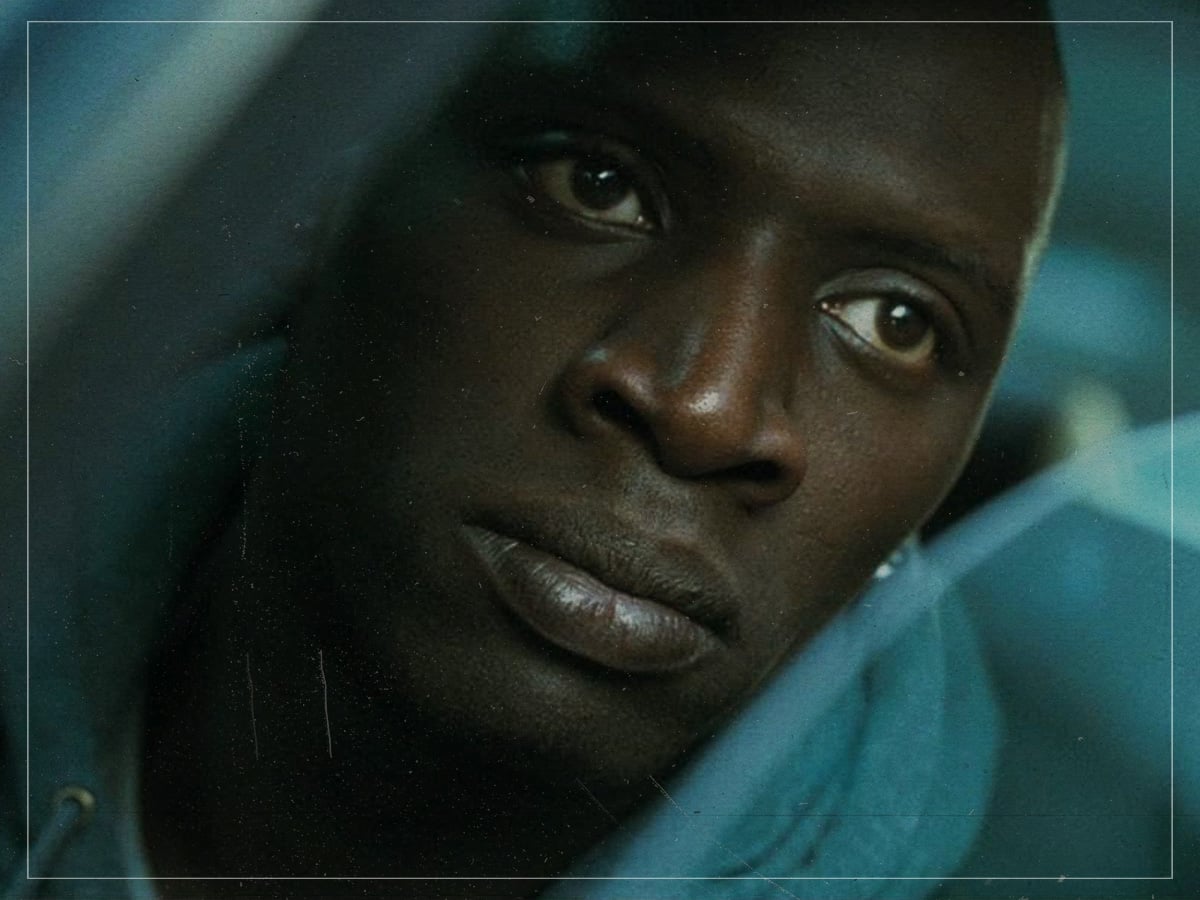
Driss in ‘The Intouchables’ (Olivier Nakache and Eric Toledano)
French cinema has always been popular in English-language markets, but The Intouchables was a true blockbuster event that became a sensation around the world.
While usually it’s only awards contenders from foreign countries that become crossover hits in the United States, this film felt like an old-fashioned crowdpleaser with its heartfelt story about the elderly, wheelchair-bound man Phillip (François Cluzet), who is cared for by the young Black man Driss (Omar Sy).
It might have been because the film was so charming and that politics were relatively stable in the late Obama era that there wasn’t much controversy about Driss, who would subsequently be criticised as being a negative stereotype of a poor Black man and struggling father. It would earn much more criticism a few years later when the English-language remake The Upside was released, which had Kevin Hart in the role that Sy had played in the original.
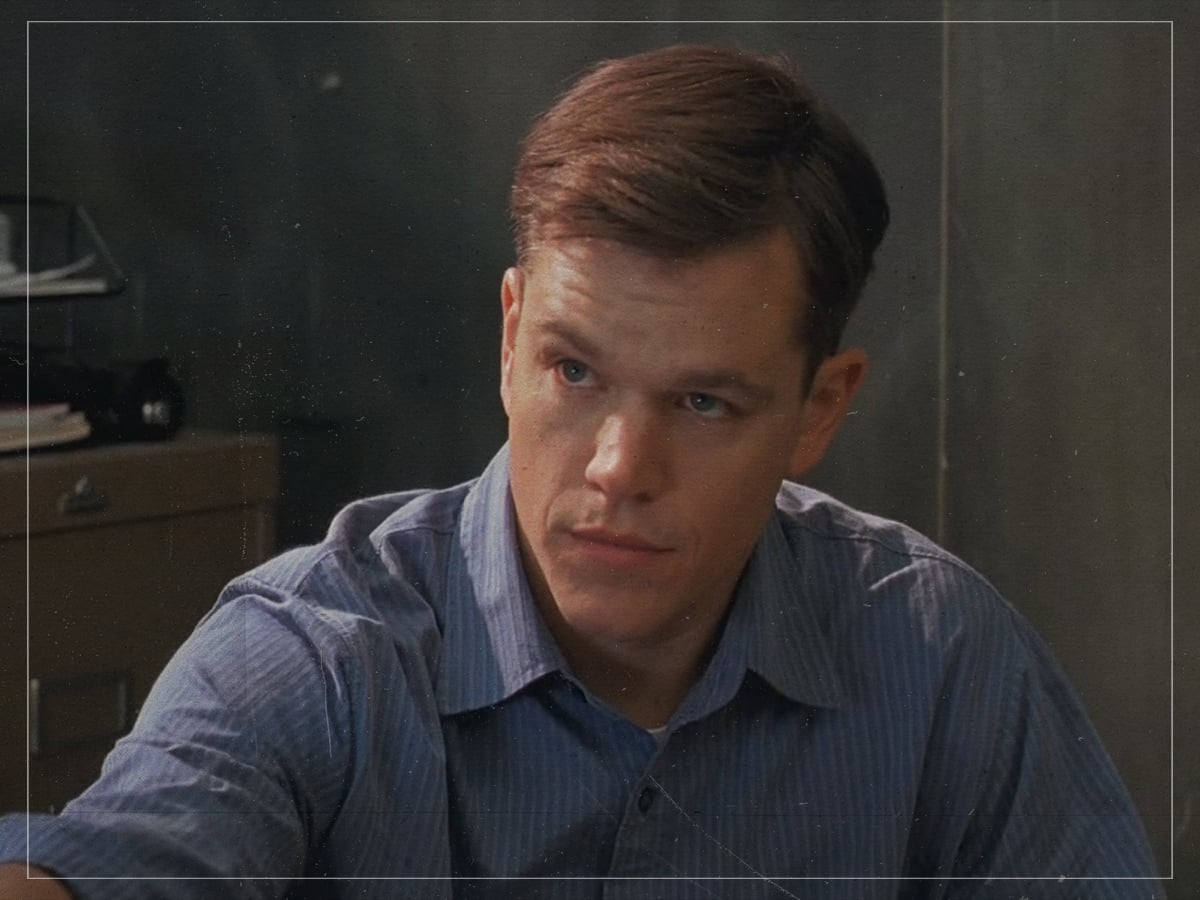
Mr Aaron in ‘Margaret’ (Kenneth Lonergan)
The story of Kenneth Lonergan’s Margaret is almost as epic as the film itself, as the playwright-turned-director spent years developing his post-9/11 drama before an intense shooting schedule that became only more challenging when the studio enforced edits and left it on the shelf for several years.
There are many provocative and controversial moments in Margaret, but one of the most upsetting storylines involved the high school student Lisa Cohen, played by Anna Paquin, confiding in her teacher, Matt Damon‘s Mr Aaron, only for him to try to take advantage of her.
What makes the character seem so unbelievable today is that Aaron isn’t even a major part of the film, and is only part of the tapestry of American guilt and trauma that Lonergan is unpacking. Even though Damon does a lot of cameos, it’s unlikely he would sign on to play such a despicable character today.
Dave Brown in ‘Rampart’ (Oren Moverman)
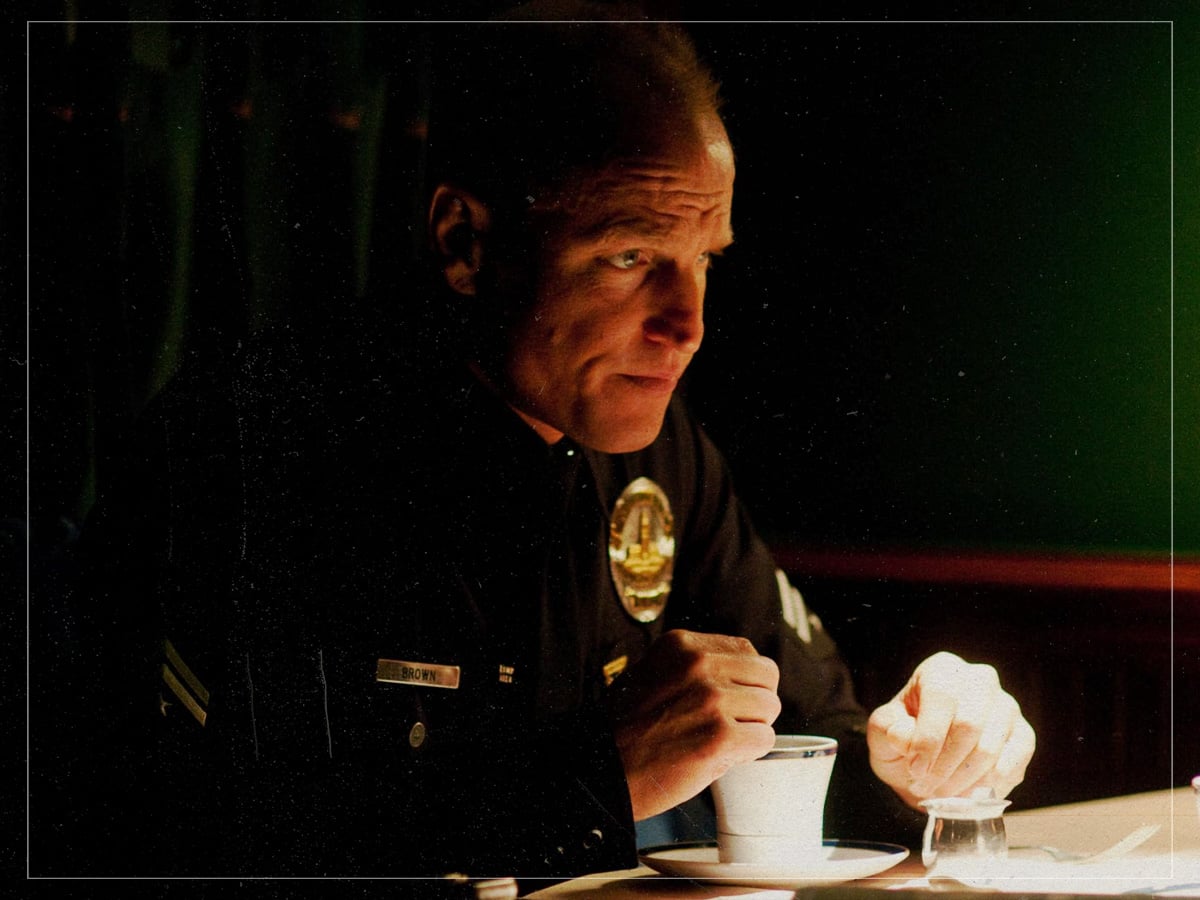
Woody Harrelson has never been more terrifying and abrasive as he is in Rampart, a powerful crime drama from Oren Moverman, who had previously directed him to an Oscar-nominated performance in The Messenger.
Even though there was some media at the time that was willing to call out police corruption, such as the excellent FX drama series The Shield, Rampart is unforgiving in its depiction of Dave Brown as an abusive, dangerous individual who is also the victim of a system that doesn’t account for itself.
Given how much more contested the role of the police has been in both society and the media ever since, it’s impossible that Rampart would be made today without causing innumerable meltdowns. Some would view the film as anti-cop propaganda, and others would argue that depicting the character in a realistic way threatens to grant him sympathy.
Walter Beck in ‘The Beaver’ (Jodie Foster)
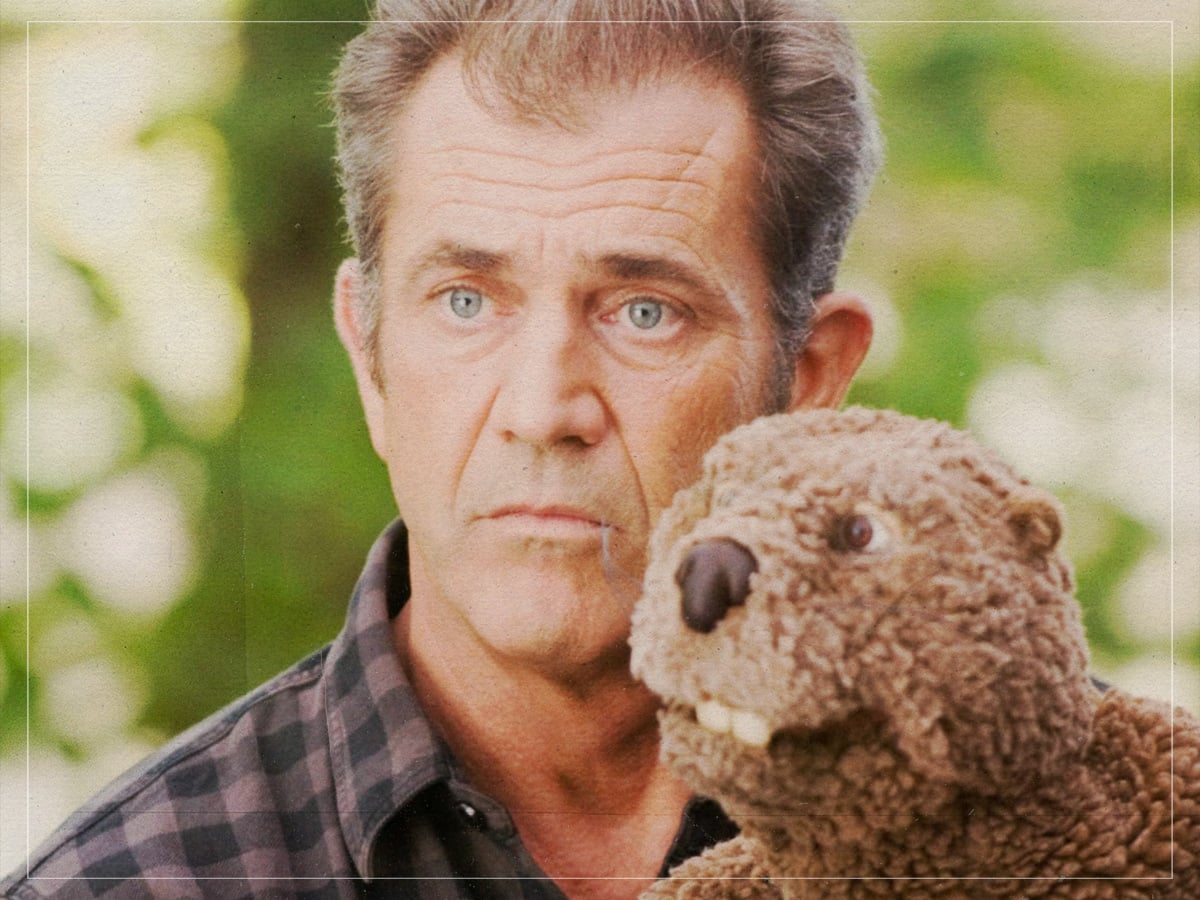
Mel Gibson had been very careful in staging his comeback in the aftermath of the leaked audiotape and allegations of abuse made against him, and The Beaver was an opportunity granted to him by Jodie Foster, who also directed the film.
While he has now returned to pander to his fanbase by making more conservative genre films and helming the two-part sequel to The Passion of the Christ, it briefly seemed like, with The Beaver, he was trying to return to his perception of being a likeable leading man.
Even when ignoring how weird it is to see Gibson in a comedy part, The Beaver is a film with such surprisingly dark themes regarding suicide and depression that it would seem impossible to make in the internet culture of today, given that it would likely spark dozens of ‘think pieces’ in the aftermath.
Gil in ‘Midnight in Paris’ (Woody Allen)
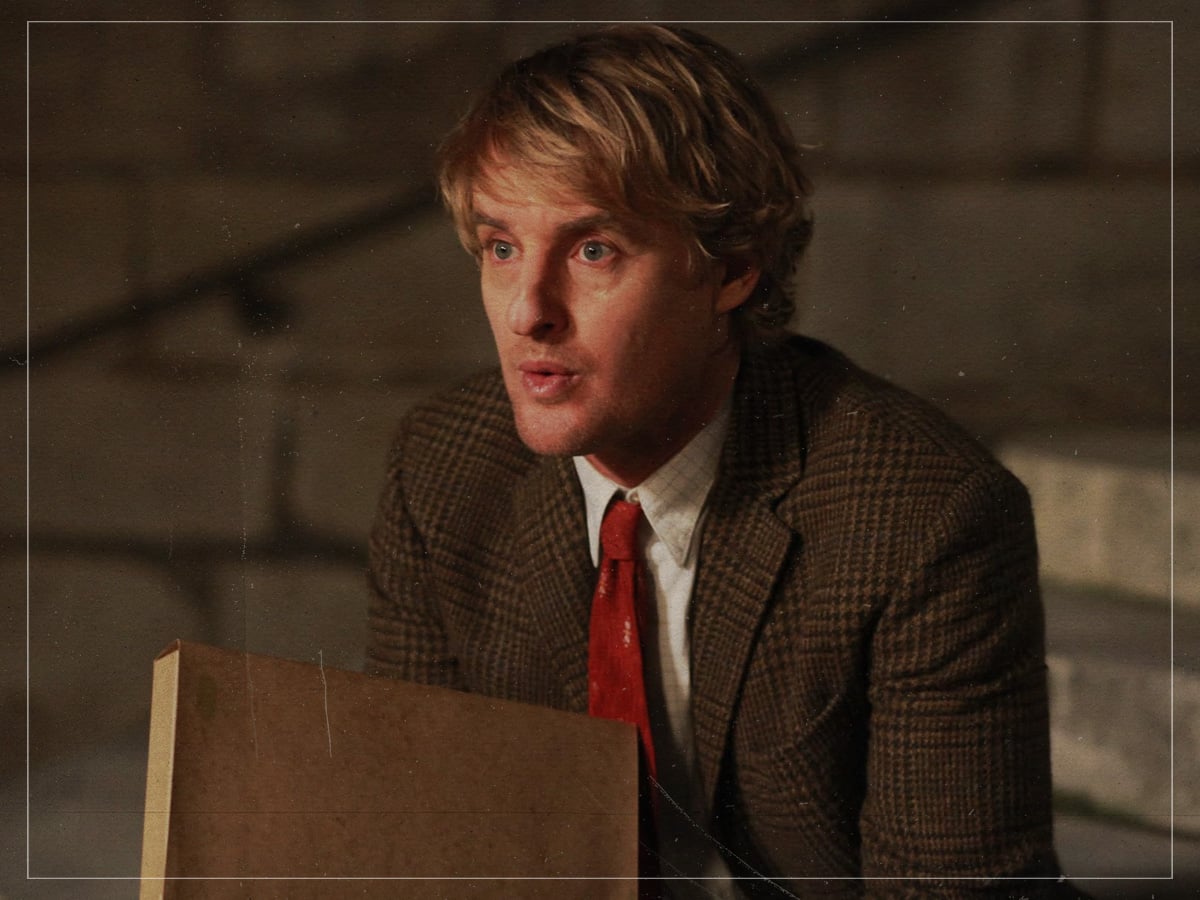
Owen Wilson was the latest actor to be selected to play the ‘Woody Allen stand-in’, and rarely has it been more apparent.
Although Allen has tended to cast young, charismatic actors who are obviously based on himself, at least since he stopped starring in his own movies, Wilson’s performance as the nostalgic writer Gil is almost a direct homage to the protagonists of Annie Hall, Manhattan, and Broadway Danny Rose.
Even ignoring the fact that controversies have ensured that nothing Allen ever does again will be received as well as Midnight in Paris, which won him a third Oscar for ‘Best Original Screenplay’ and was nominated for ‘Best Picture’, Wilson hasn’t shown much interest in doing challenging work in the last 15 years. He’s no longer the type of actor who would be capable of giving a grounded performance in an arthouse drama.
Jacob in ‘Crazy, Stupid, Love.’ (Glenn Ficarra and John Requa)
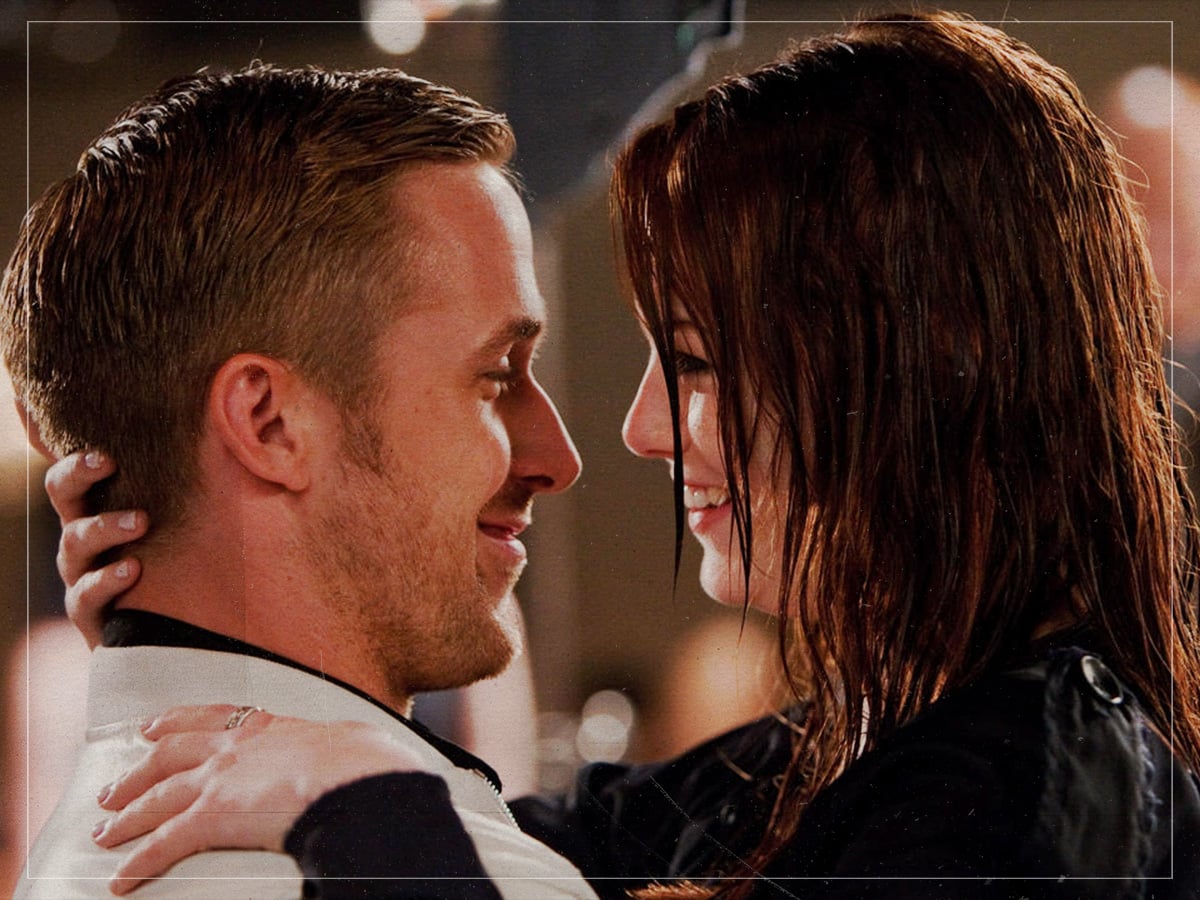
Ryan Gosling exploded in popularity throughout 2011 with three movies, and strangely enough, the romantic comedy Crazy, Stupid, Love would probably get more blowback today than the violent crime thriller Drive and the timely political drama The Ides of March.
Gosling stars as a womaniser who begins to consider slowing down when he meets the woman of his dreams in Emma Stone’s character, only to discover that her father, played by Steve Carell, is the man he’s been mentoring in scouring bars for hookups.
The film is a satire about masculinity and rom-com clichés, but Gosling’s depiction of a confident, outspoken flirt who is willing to sleep with any woman he can charm probably wouldn’t fly today, even if he does end up maturing by the end of the story. There’s also a number of strange plot holes in the film (especially involving how Carell and Gosling’s characters never run into each other before) that the internet would be less kind to.
Julia Harris in ‘Horrible Bosses’ (Seth Gordon)
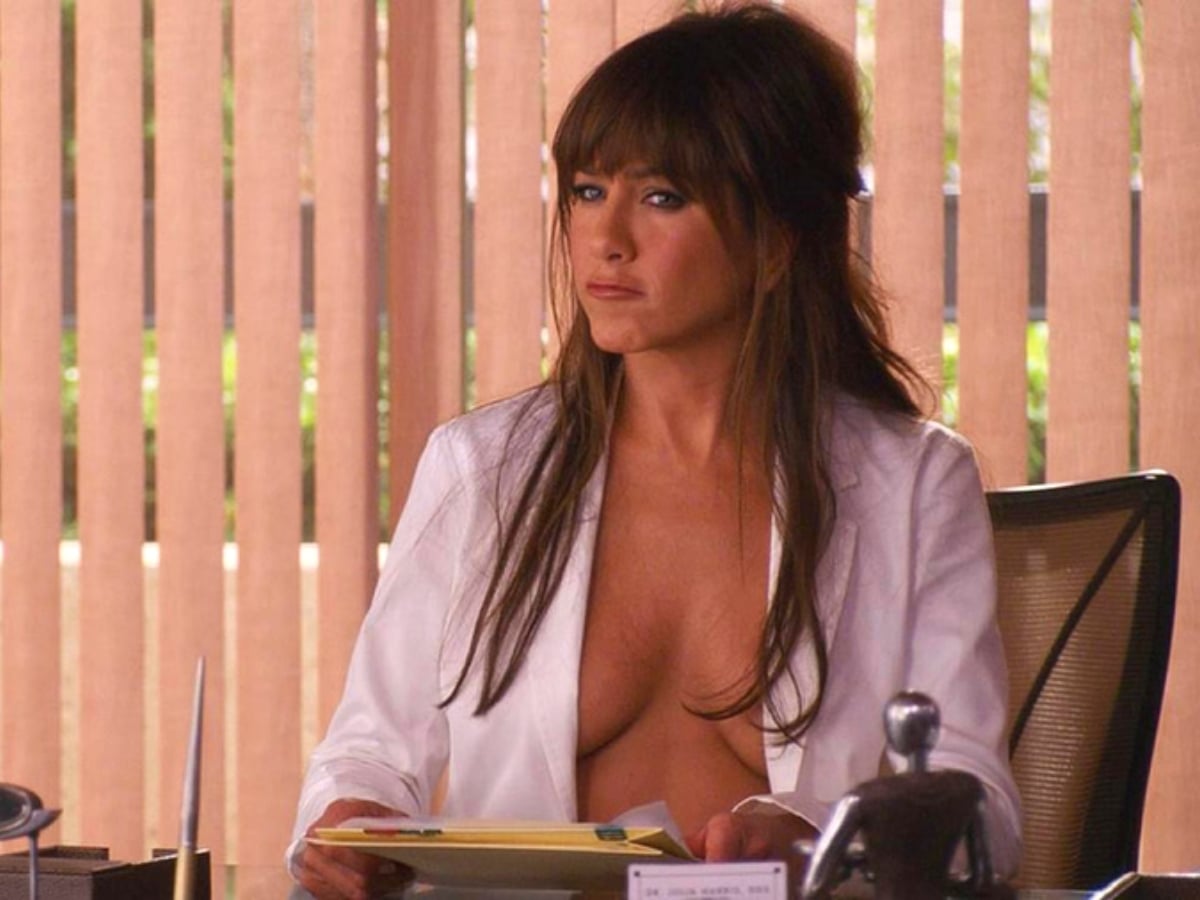
Even though Horrible Bosses is a comedy that features a prominent role by Kevin Spacey, it’s possible that it could be made today if a different actor were playing his character, Dave Harken.
However, there’s no possibility of making a non-controversial comedy with a character like Jennifer Aniston‘s Julia Harris, a seductive dentist who sexually harasses her assistant, Dale Arbus, played by Charlie Day. It was a year in which comedies would still joke about sexual harassment, and Aniston had yet to start taking herself seriously again by taking on more dramatic roles.
Even if it’s impossible to imagine the film existing in the aftermath of #MeToo, Horrible Bosses 2 flopped pretty badly in 2014, suggesting that its sense of humour and Aniston’s unusual performance hadn’t endeared themselves to audiences. In general, the actor is at her best when she is playing inherently likeable characters.
Skeeter Phelan in ‘The Help’ (Tate Taylor)
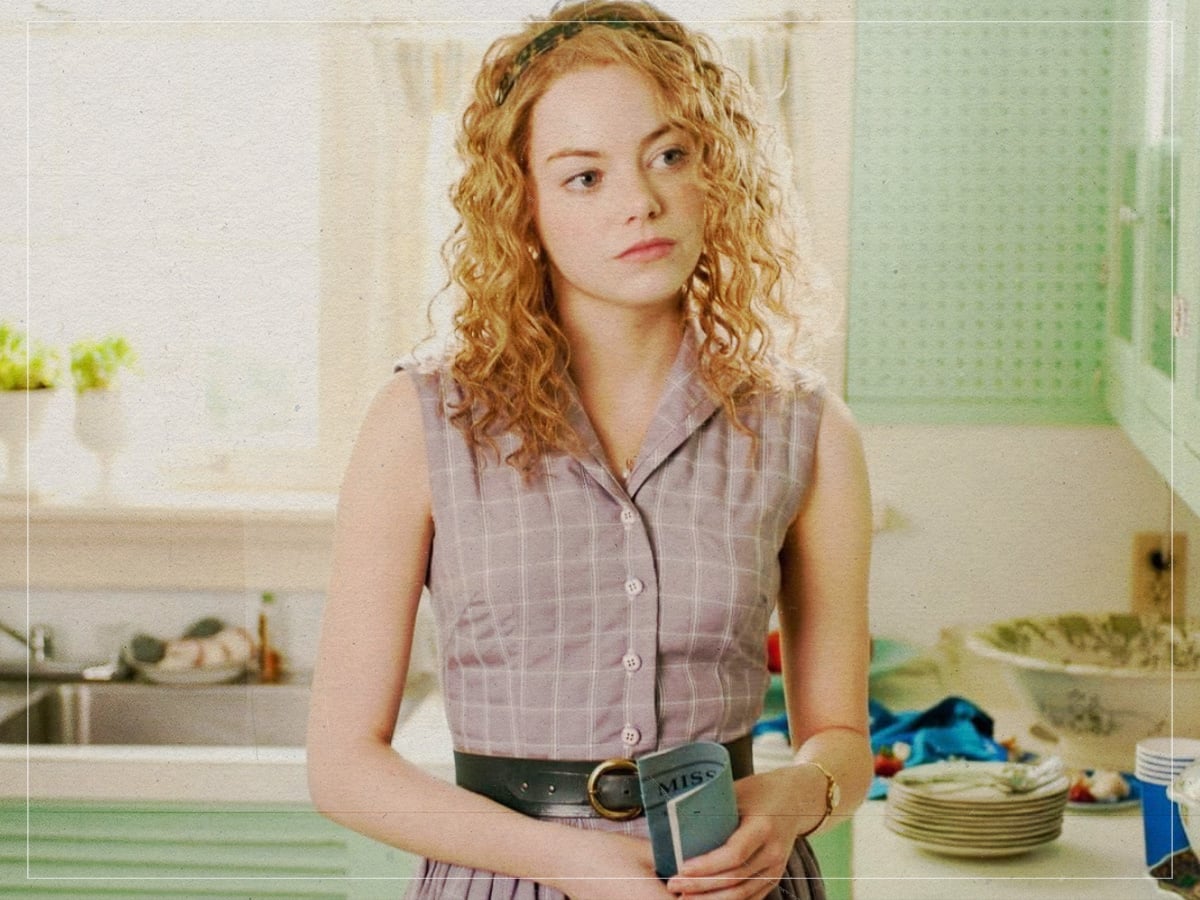
Few ‘Best Picture’ nominees at the Academy Awards have aged as poorly as The Help, which has been subjected to so much retroactive criticism that its star, Viola Davis, has even come to regret her participation in a film that earned her an Oscar nomination.
Davis unquestionably brought dignity to her performance, but the issue with The Help is that it is a film about racism in the South that is told from the perspective of the white woman Skeeter Phelan, played by Emma Stone.
The Help is so restrained in its depiction of bigotry that it feels offensive, and Stone couldn’t redeem a character that simply shouldn’t have been treated as a protagonist. If there ever were to be a remake, it would need to ensure that the Black women were at the centre of the story and that Skeeter had a greatly reduced amount of screentime.
J Edgar Hoover in ‘J Edgar’ (Clint Eastwood)
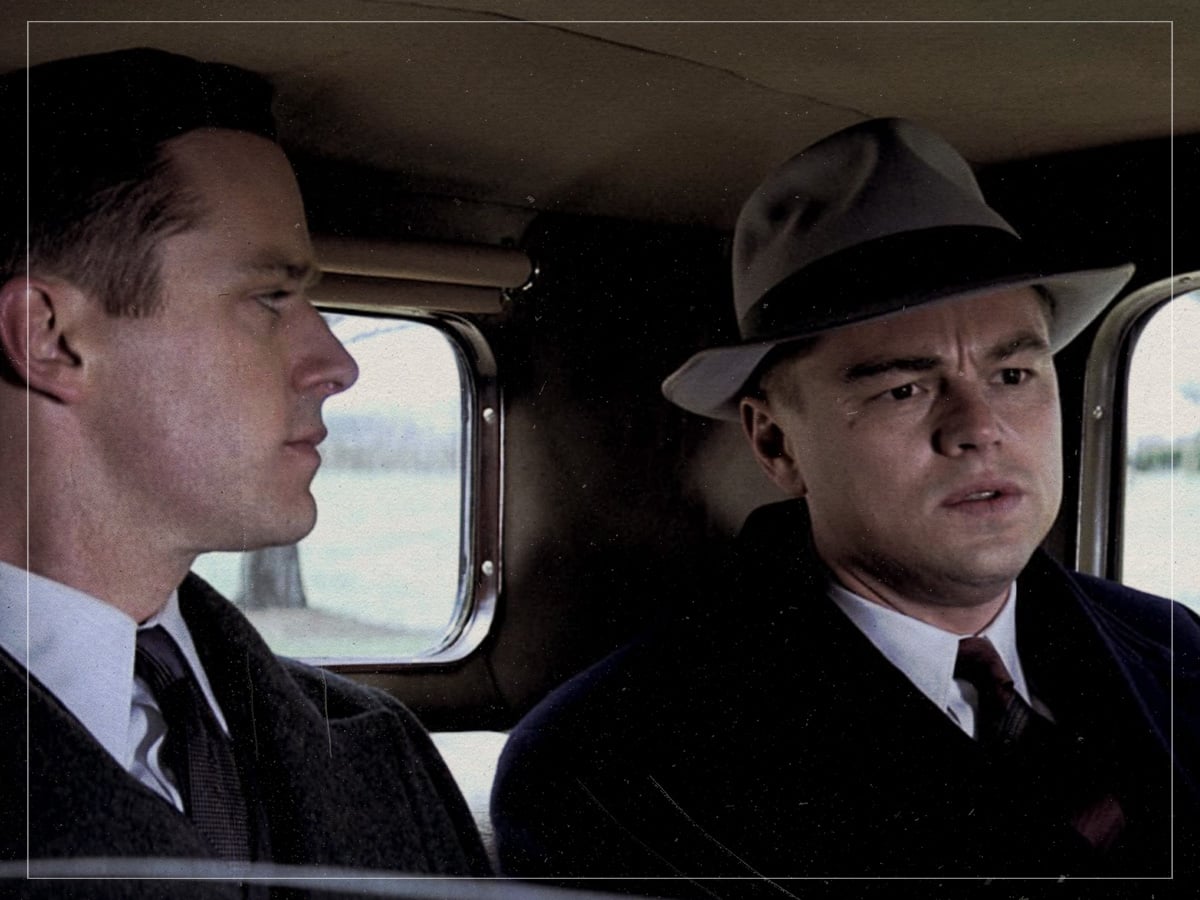
Clint Eastwood has directed worse films than J Edgar, but his 2011 biopic of the famous FBI Director is all over the place, and never seems to make a clear statement about its subject.
Leonardo DiCaprio gives a strong performance, even if it is hard to take him seriously with some of the ridiculous-looking old-age makeup, but the film seems to pin Hoover’s failings on his suppressed homosexuality, which he consummated with his long-time assistant Clyde, played by Armie Hammer.
Eastwood doesn’t get into some of the worst of what Hoover did, as it barely touches on his role in disrupting the Civil Rights movement. The only way for a new film to depict Hoover would be to treat him as a straight-up villain, which is what Martin Sheen did with his brief appearance as the FBI Director in Judas and the Black Messiah.

Never Miss A Tale
The Far Out Clint Eastwood Newsletter
All the latest stories about Clint Eastwood from the independent voice of culture.
Straight to your inbox.