


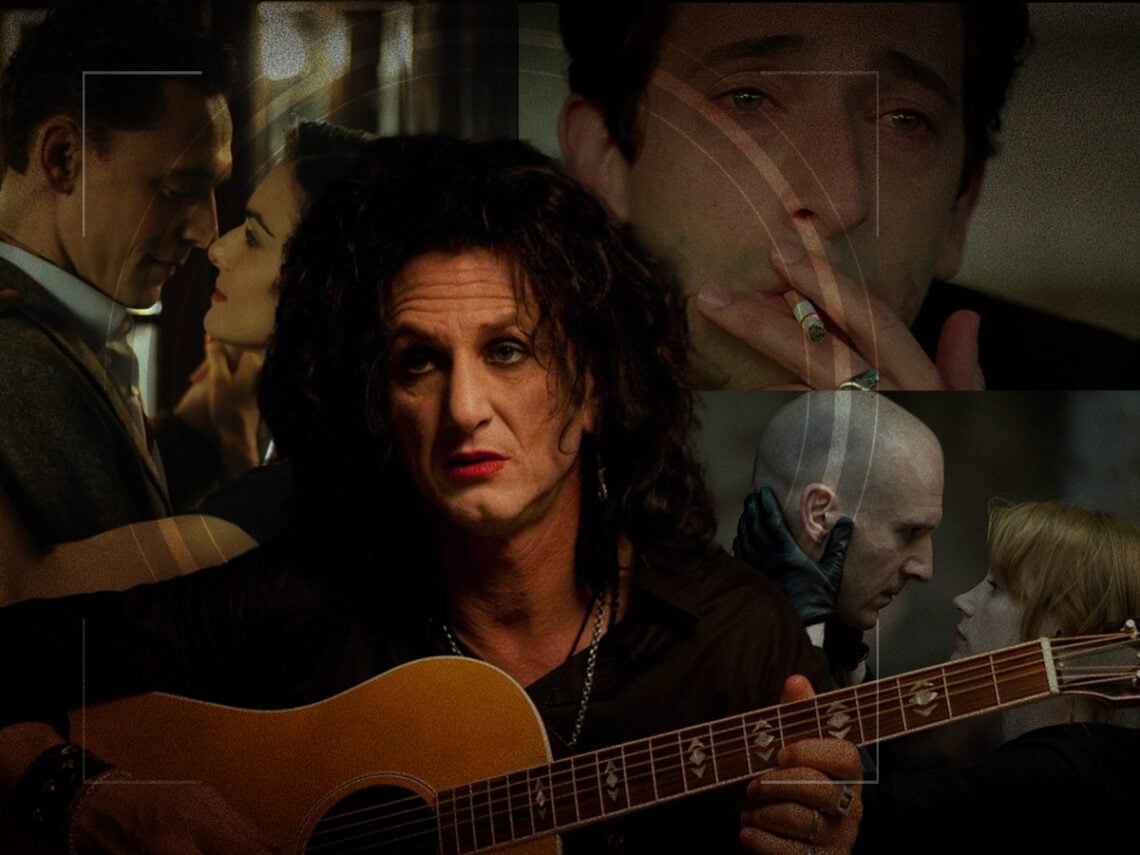
10 hidden gem movies from 2011 that are begging to be rediscovered

2011 was a turning point for the film industry.
The entertainment industry transforms so rapidly that 15 years is enough time for the landscape to completely change. Back in 2011, there were still six major studios, as it was before the acquisition of 20th Century Fox by The Walt Disney Company and the purchase of Warner Bros by Paramount Pictures. Netflix had yet to start producing its own films, and television still felt like a distinctly smaller-scale medium, even if the year did see the debut of Game of Thrones and the maturation of HBO’s content.
Although there were many superhero films released, none of them made the box office top ten for the year, which wouldn’t happen again until 2025. Thor and Captain America: The First Avenger showed that Marvel Studios could succeed if they let directors have freedom, and disasters like Green Lantern and The Green Hornet disappeared entirely.
2011 was filled with excellent films, such as The Artist, which won the Academy Award for ‘Best Picture’, as well as terrific work from legendary directors like Martin Scorsese, Steven Spielberg, Woody Allen, William Friedkin, Alexander Payne, and Terrence Malick, but it was also packed with successful indies and well-received studio fare, so more than a few high-quality films slipped through the cracks.
10 hidden gem movies from 2011 begging to be rediscovered:
‘Take This Waltz’ (Sarah Polley)
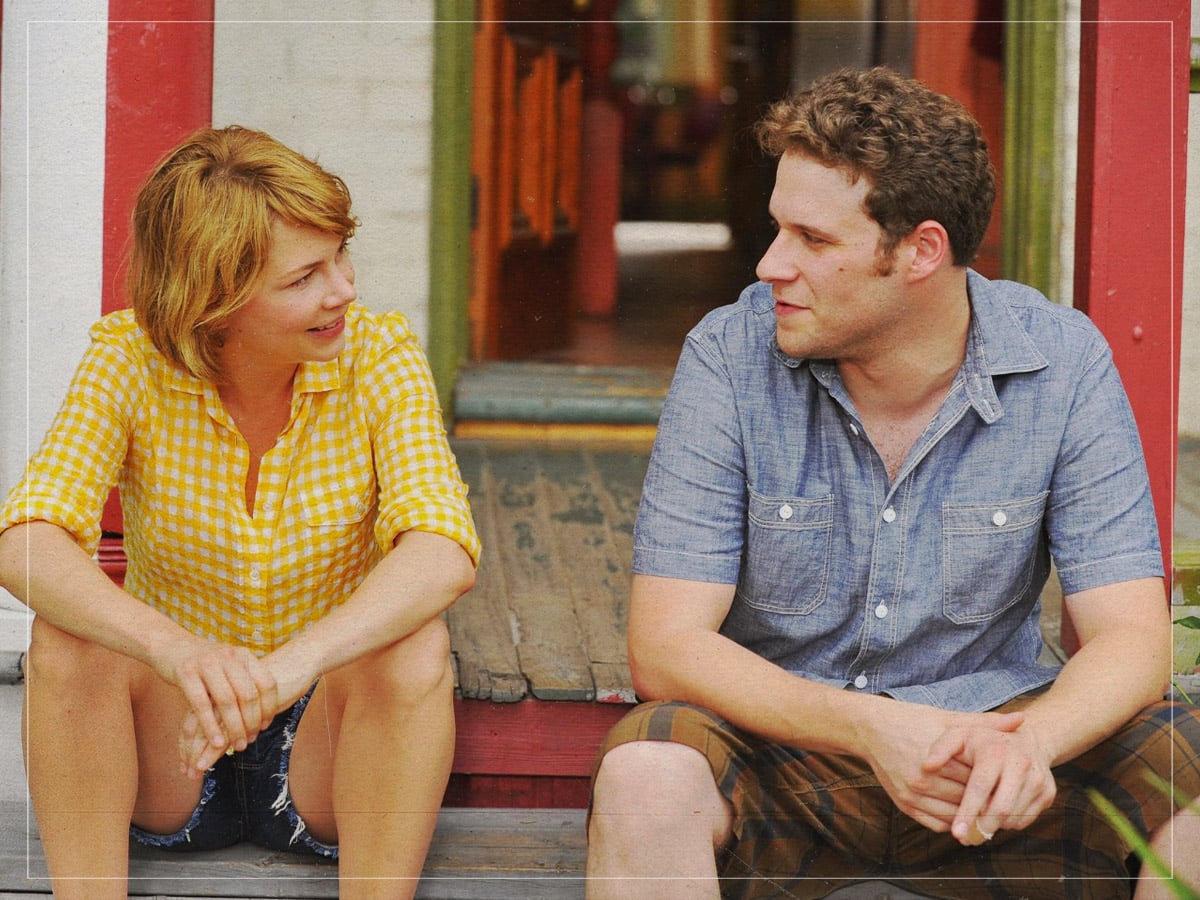
Seth Rogen and Michelle Williams played lovers 11 years before they would reunite for The Fabelmans in Sarah Polley’s romantic dramedy Take This Waltz, whose methodical and grounded approach to telling slice-of-life stories resulted in a powerful examination of marital decline and infidelity that doesn’t paint any of its characters out to be antagonistic.
It’s one of Williams’ best performances, and frankly stronger than her Oscar-nominated role the same year in the biopic My Week With Marilyn, which offered a more sanitised version of the Marilyn Monroe story. Rogen was able to prove that he could play a likeable, charming character in a more serious role, but didn’t have to completely get rid of his comedic sensibilities. The film’s ending includes a needle drop of ‘Video Killed The Radio Star’ that couldn’t be more perfect.
‘10 Years’ (Jamie Linden)
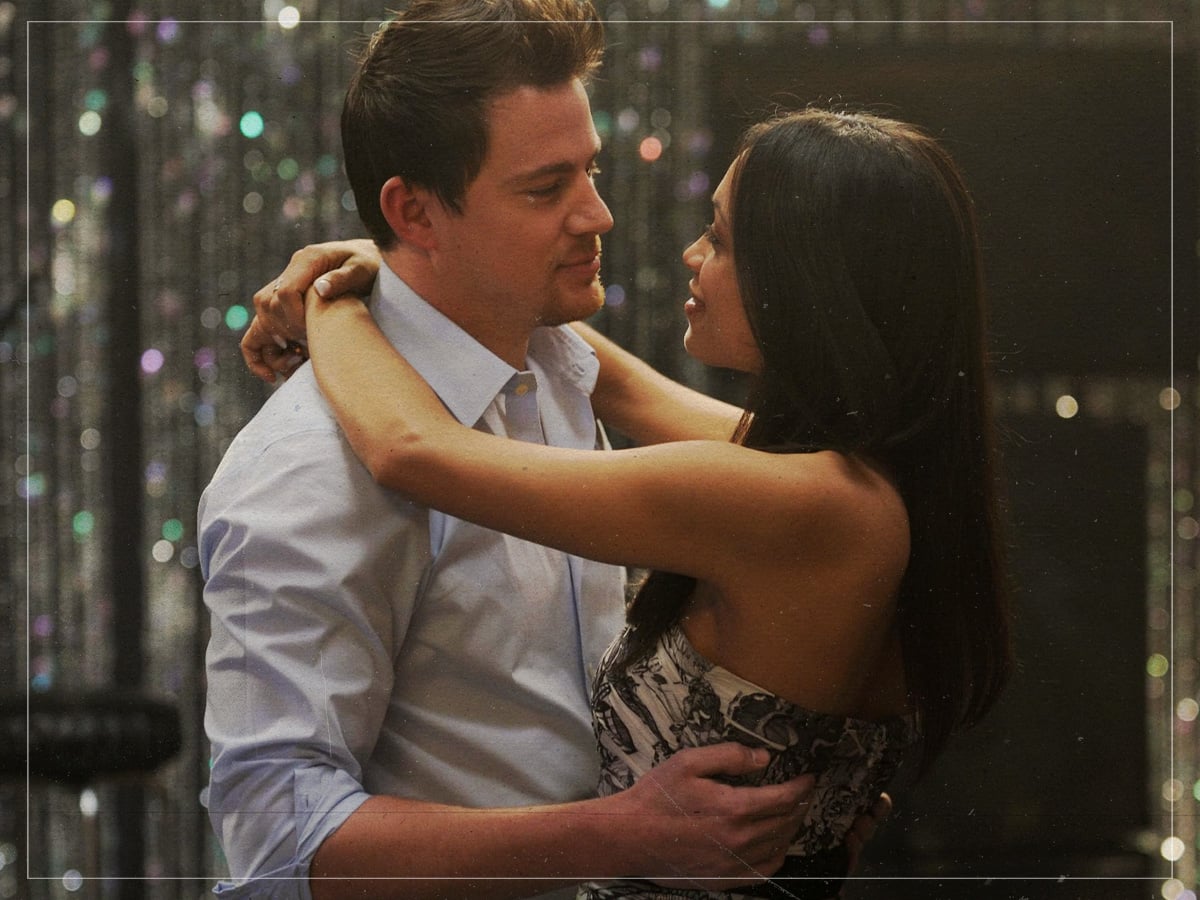
When considering the fact that it’s not a very well-remembered film, 10 Years had a stacked cast of actors who would go on to become very big deals in a short amount of time.
In telling the story of young adults who reunite for their high school reunion a decade after graduating, 10 Years assembled Channing Tatum, Justin Long, Oscar Isaac, Aubrey Plaza, Chris Pratt, Rosario Dawson, Kate Mara, Max Minghella, Ari Graynor, and Anthony Mackie, as well as a few veterans like Brian Gerrity and Ron Livingston. It’s an earnest film about how much can change in a small amount of time, and the few moments in which Isaac is given the opportunity to show his singing skills offered a tease of what could be expected about his subsequent work in the Coen brothers’ masterpiece, Inside Llewyn Davis.
‘The Deep Blue Sea’ (Terence Davies)
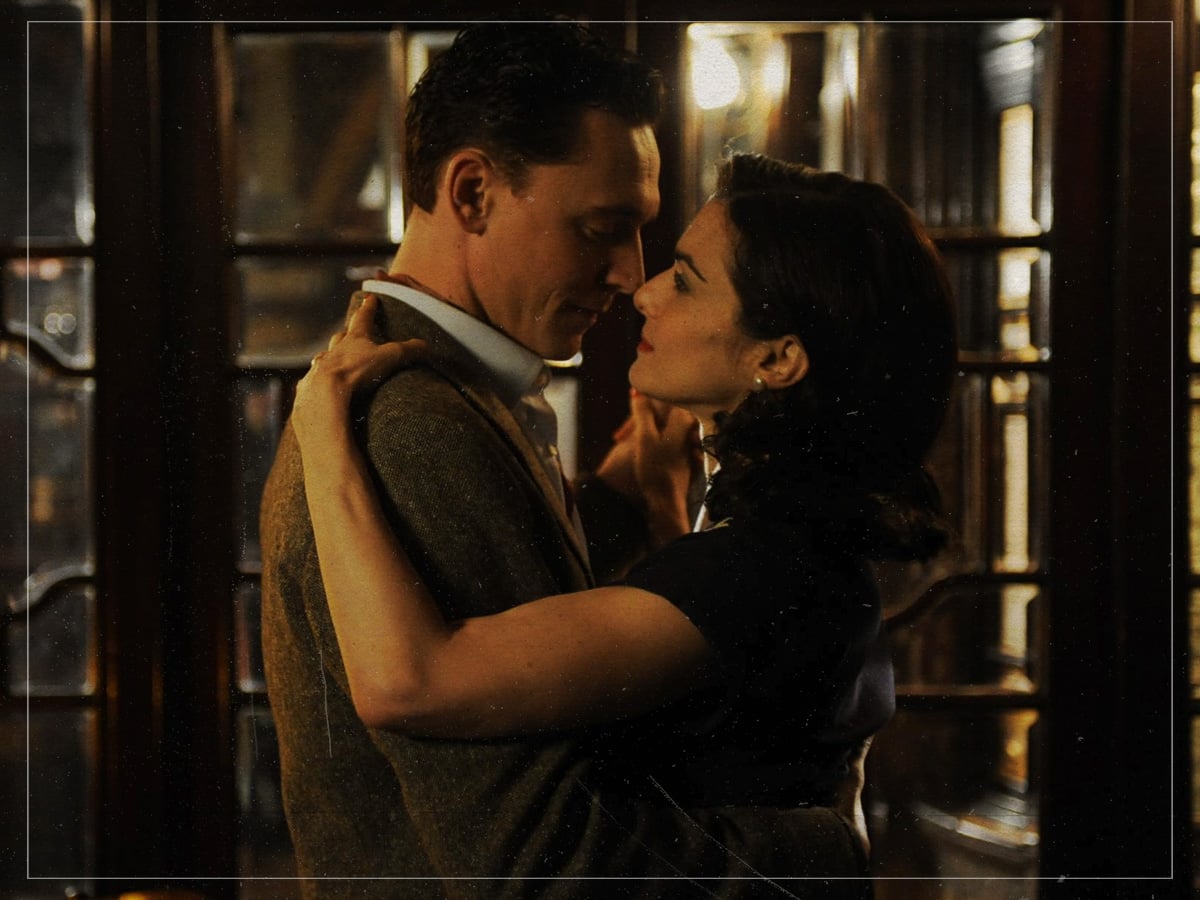
The late, great Terence Davies was a highly underrated filmmaker who made breathtakingly beautiful period pieces, and it seems likely that his impressive body of work will end up winning over new fans as it continues to age well. One such example is The Deep Blue Sea, a type of classical British romance that you don’t see anymore, which never feels like too much of a weepie because of the restraint that Davies shows as a filmmaker.
Rachel Weisz stars as the wife of a judge who has an affair with an RAF pilot, played by Tom Hiddleston, in 1950, which results in scandal and heartbreak, and although the film has a softness and stillness that allows the actors to give authentic performances worthy of a stage, Davies still shows enough visual flourish to justify telling this story in the cinematic art form.
‘Rampart’ (Oren Moverman)
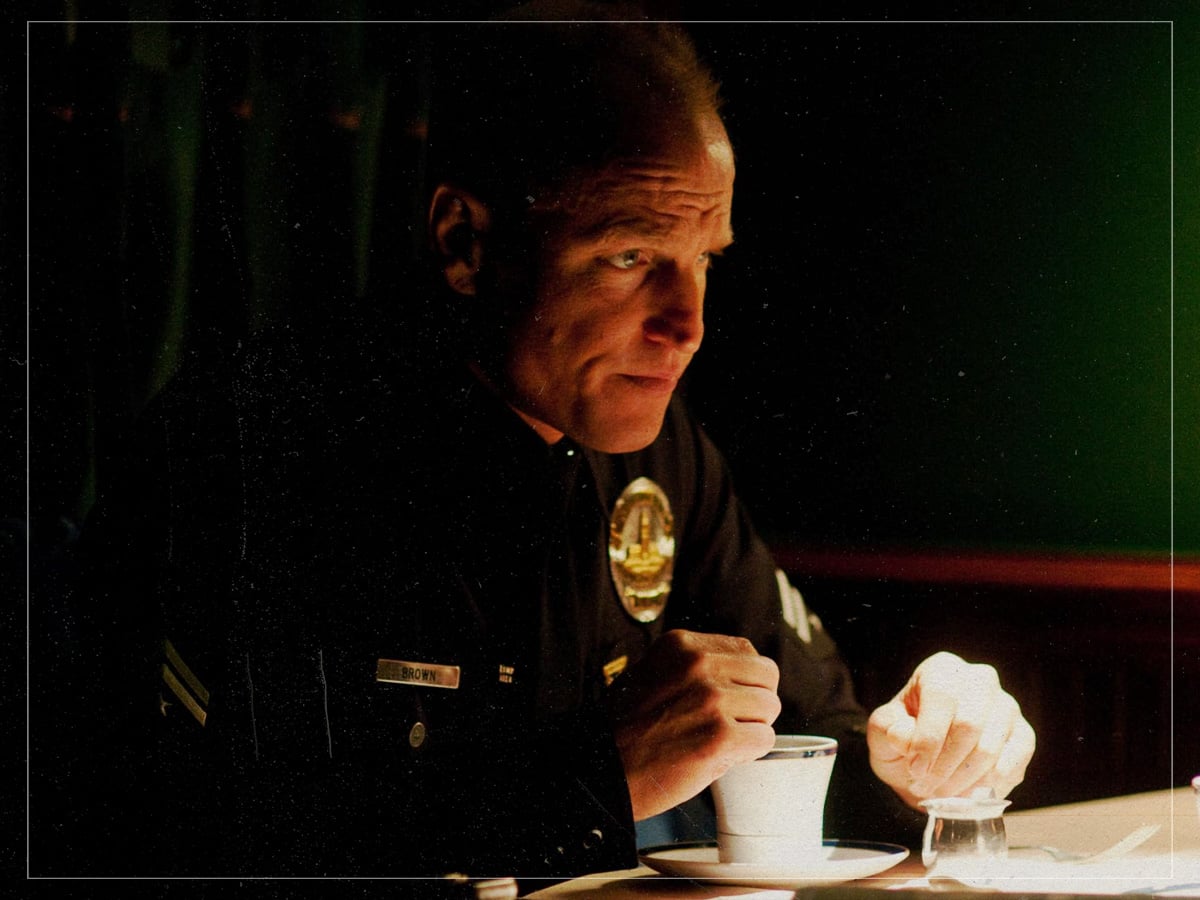
Woody Harrelson gave the most underrated performance of his career in Rampart, a film that he admitted he found challenging to get into. Oren Moverman’s aggressive crime drama stars Harrelson as a corrupt police officer who watches his entire life crumble around him as he begins to face the consequences of his actions and sees his family reject him.
Harrelson usually shows a bit of whimsy, even in his darker roles, but Rampart asked him to be a self-destructive character who only occasionally shows signs of humanity when he has to fight for his right to see his children. It’s a grim portrayal of the infrastructural abuses and cover-ups within the police force that might have been considered too controversial back in 2011, but now feels more relevant than ever in the wake of the anti-cop protests that swept the nation in 2020.
‘The Hunter’ (Daniel Nettheim)
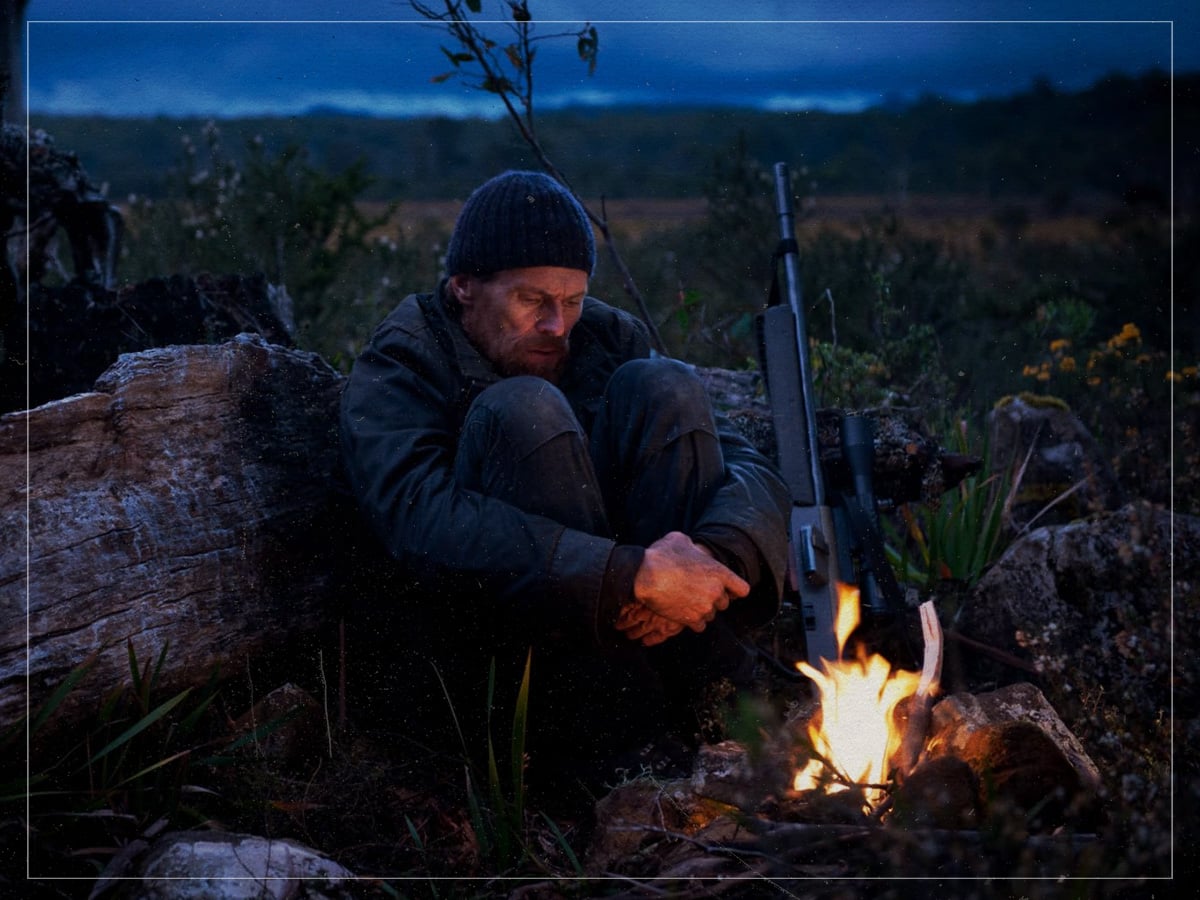
Based on the 1999 novel of the same name, The Hunter stars Willem Dafoe as a mercenary who is hired by a military biotech company to track down a rare breed of Tasmanian tigers so that their rival companies won’t get access to their DNA. Although films about climate change and ecological themes are often heavy-handed, The Hunter is a quiet and profound character study about a lonely man who faces a crisis of confidence when he goes undercover, as he begins to enjoy his guise more than the destructive career he had fashioned for himself.
That The Hunter never got widespread distribution isn’t exactly a surprise, given that it’s a tough sell and doesn’t have much action. It is, however, quite thought-provoking as an examination of bending the will of nature, and features one of Dafoe’s most unsung and subtle performances.
‘Wuthering Heights’ (Andrea Arnold)
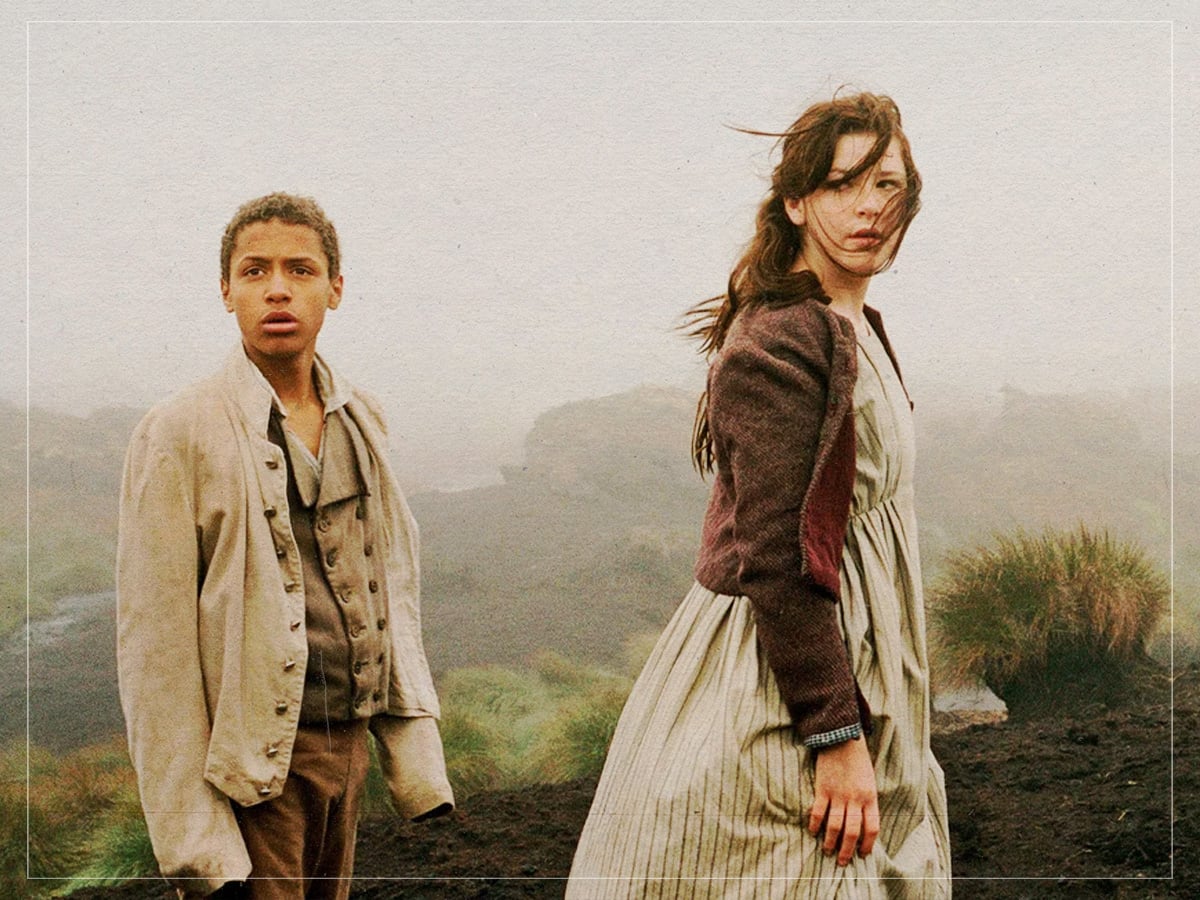
Wuthering Heights has been adapted to the big screen several times, but the 2011 version from Andrea Arnold was the first to dig into the racial themes that were implied but never directly identified in Emily Brontë’s original novel.
This version features the mixed-race actor James Howson, who is taken in by the Earnshaws and brutally beaten by Hindley, played by Lee Shaw, all while falling in love with Kaya Scodelario’s Catherine, and although it’s only based on the first half of the novel, the film doesn’t contain any of the flowery language or sensationalism of prior versions.
It takes a grounded approach to Heathcliff’s transformation from a tormented child to a cruel landowner and lover, resulting in a dynamic interpretation largely missing from all prior adaptations, as Arnold added the complexity needed to make Heathcliff a tragic character.
‘This Must Be The Place’ (Paolo Sorrentino)
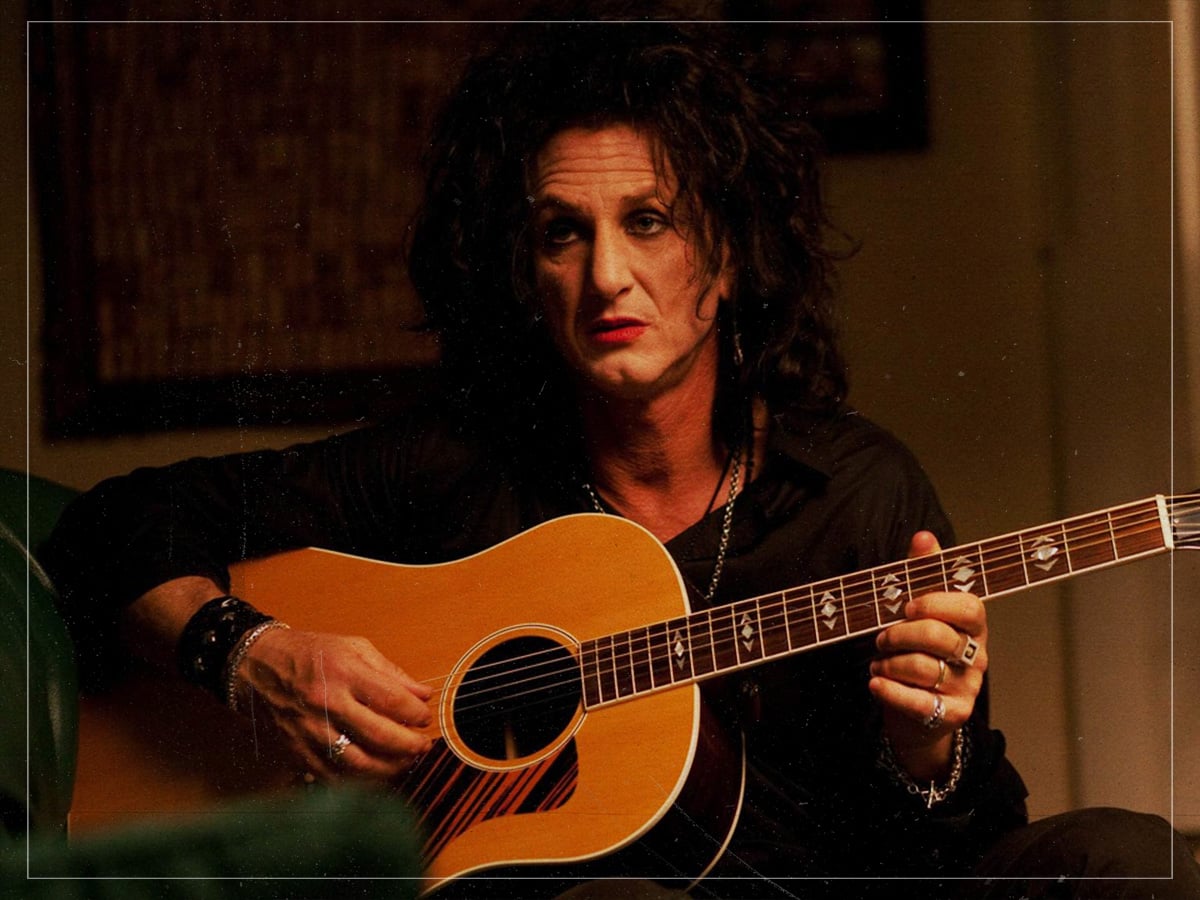
Sean Penn has such a larger-than-life personality in real life that it is easy to forget that he can be a very subdued and affecting actor when given the right role. Away from the same rage and anguish that made his work in Mystic River and One Battle After Another so affecting, This Must Be The Place is a thoughtful drama which saw Penn play a troubled rock star who decides to reconnect with his past, taking a getaway trip that becomes a soul-searching journey of self-actualisation.
The Italian filmmaker Paolo Sorrentino has a distinct style of mythological undertones, surrealist imagery, and the occasional dashes of absurdist humour, and This Must Be The Place marked a successful crossover into English-language films that would continue with Youth and the HBO series The Young Pope. When compared to the many generic musician biopics out there, This Must Be The Place is a unique depiction of artistry.
‘Detachment’ (Tony Kaye)
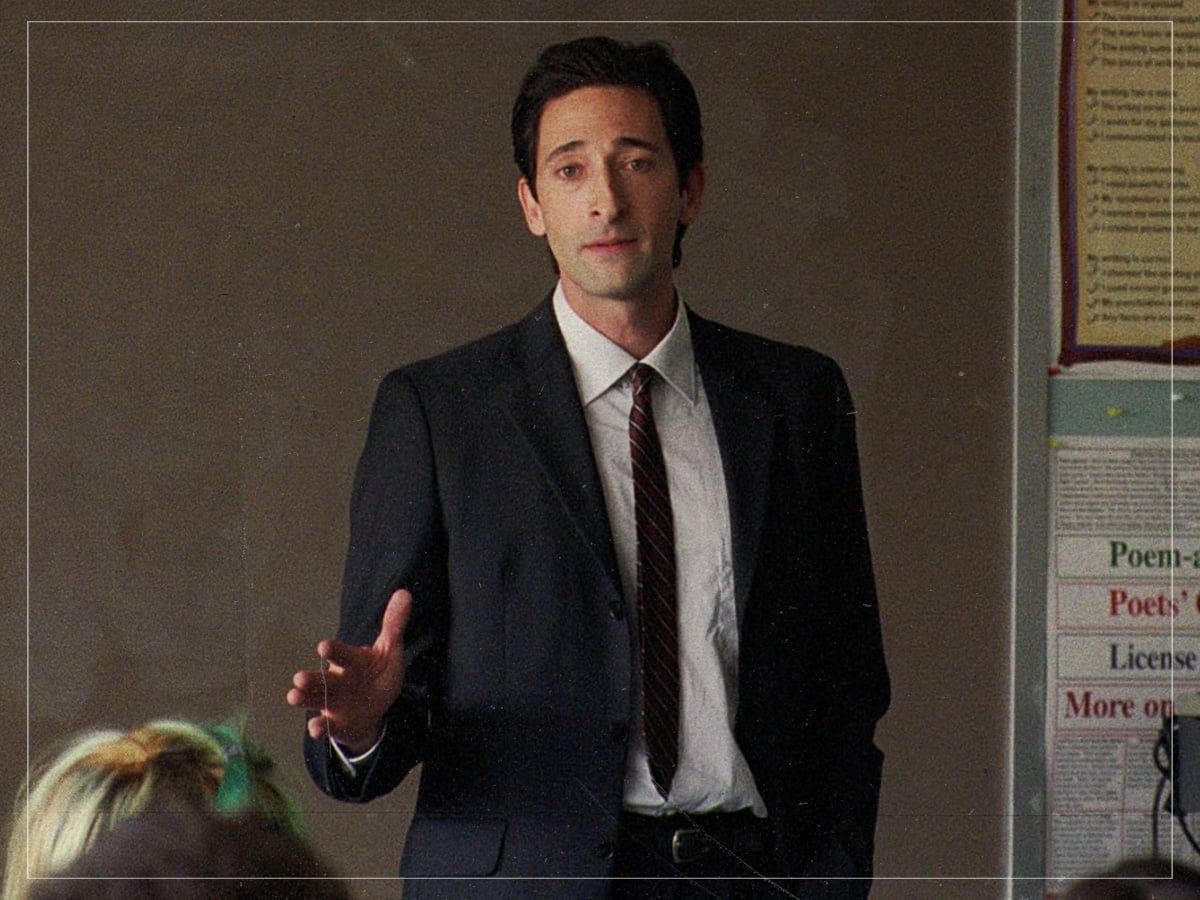
It felt like Adrien Brody had destroyed his career in the aftermath of becoming the youngest ‘Best Actor’ winner in the history of the Academy Awards for The Pianist, and he has always been an actor who is at his best when he is desperate. Detachment marked the return of the acclaimed filmmaker Tony Kaye, who had felt dejected from the industry after his film American History X was taken over and re-edited by its star, Edward Norton.
Brody is nothing short of remarkable in Detachment in the role of a compassionate public school teacher in a poor community, who tries to offer hope and comfort to his students while they are surrounded by drugs and crime. It’s by no means an easy film to watch because of the bleakness in which Kaye depicts the crumbling public school system, but it’s unquestionably a powerful one filled with great acting.
‘Coriolanus’ (Ralph Fiennes)
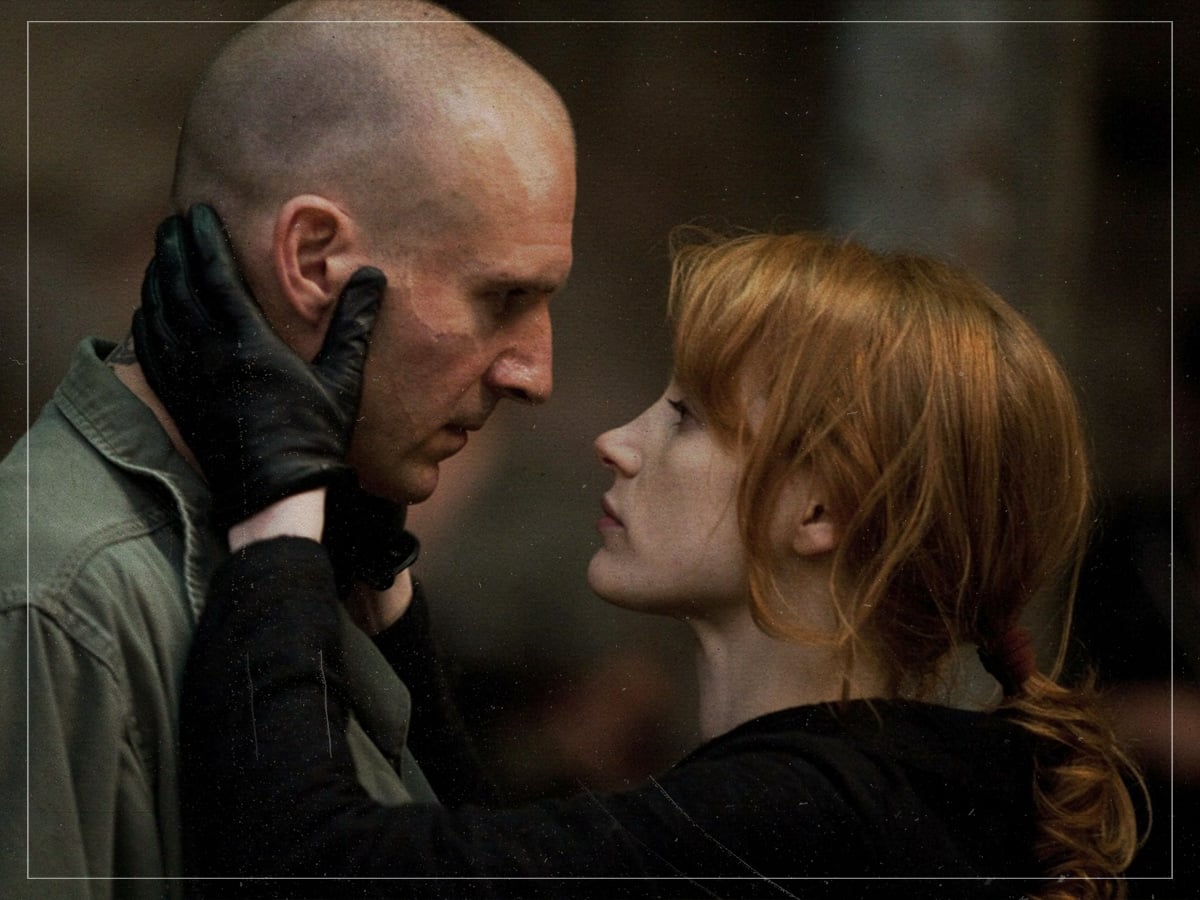
Ralph Fiennes is not only a brilliant actor but a talented director who has helmed more than a few under-the-radar adaptations of classic works of theatre and literature. Coriolanus isn’t necessarily one of William Shakespeare’s most famous plays, but Fiennes brought it to life in vivid detail by recontextualising it as a contemporary war drama that felt like an eerie parallel for the ongoing Iraq War.
Fiennes is able to retain the original dialogue while also delivering kinetic action sequences, and gave one of his most underrated performances ever in the role of the titular military leader. Also strong in the film is Gerard Butler, an actor who many people forget got his start on the stage long before he was proclaimed to be one of the contemporary ‘kings of B-movies’. He gave another solid performance the same year in Machine Gun Preacher, but Coriolanus showed how strong he could be in a supporting role.
‘Attack the Block’ (Joe Cornish)
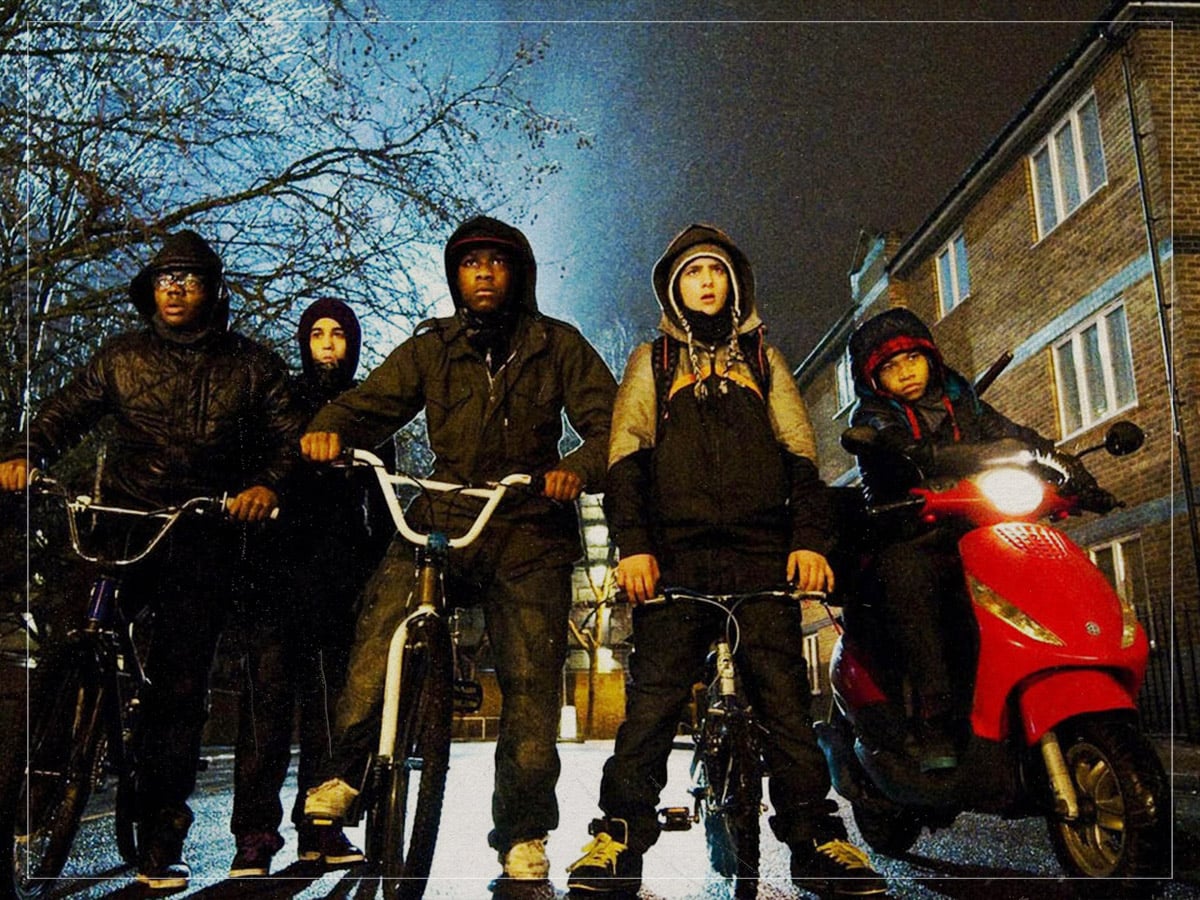
Attack the Block is such an accomplished, confident directorial debut that it remains shocking that Joe Cornish hasn’t made many films since. This modern-day monster film centres around a group of young gang members who have to defend the streets from an extraterrestrial threat, and contains the right amount of science fiction, horror, and comedy to be an ideal cult classic.
Cornish’s output as a filmmaker has often been compared to that of Edgar Wright, and Attack the Block makes the connection even stronger because it features a great performance by Nick Frost as a drug dealer who has long had suspicions about aliens. Frost hasn’t quite had as many opportunities to star in franchise films as his best friend and frequent co-star, Simon Pegg, but his performance in Attack the Block is the type of career-defining work that would (in a much cooler world) have earned him a ‘Best Supporting Actor’ nomination.
