


Emerald Fennell’s ‘Wuthering Heights’ casting defence is just another example of Hollywood’s glaring racial bias

As soon as it was announced that Margot Robbie and Jacob Elordi would be playing Catherine Earnshaw and Heathcliff in Emerald Fennell’s adaptation of the gothic Emily Brontë classic Wuthering Heights, fans weren’t impressed.
Debates over the casting of Elordi as Heathcliff have remained a topic of conversation for quite some time now, namely because the character is described as being of non-descript – but certainly not white – origin. Outlined by others in the novel with derogatory terms like “gypsy” and “lascar”, and referred to as having “dark skin”, this clearly isn’t a character who is white, which significantly influences the way he is othered in the story.
Yet, when Fennell was recently asked about her decision to cast the white actor Elordi, who previously starred in her controversial shockfest Saltburn, the privately-educated director had an expectedly tone-deaf response. The daughter of an Eton-educated luxury jewellery designer, Fennell herself was educated at Marlborough College before going to Oxford University. She clearly knows a thing or two about privilege, which seems to have clouded her vision of the world – one which she clearly sees fit to whitewash.
Hollywood has long erased people of colour from stories they’ve historically been a part of; I mean, white actors in blackface were used in place of simply casting black actors for many years during the early years of cinema. Wuthering Heights is no exception to this long-standing trend of swapping out a POC actor for a white one, as reflected in the casting of actors like Ralph Fiennes and Tom Hardy in previous adaptations. Only Andrea Arnold’s 2011 version seemed bold enough to actually go against this misconstrued image of Heathcliff as white, casting mixed-race actor James Howson in the role.
With the upcoming release of Fennell’s Wuthering Heights, the director has defended her choice to cast Elordi by telling The Hollywood Reporter, “I think the thing is everyone who loves this book has such a personal connection to it, and so you can only ever make the movie that you sort of imagined yourself when you read it.”
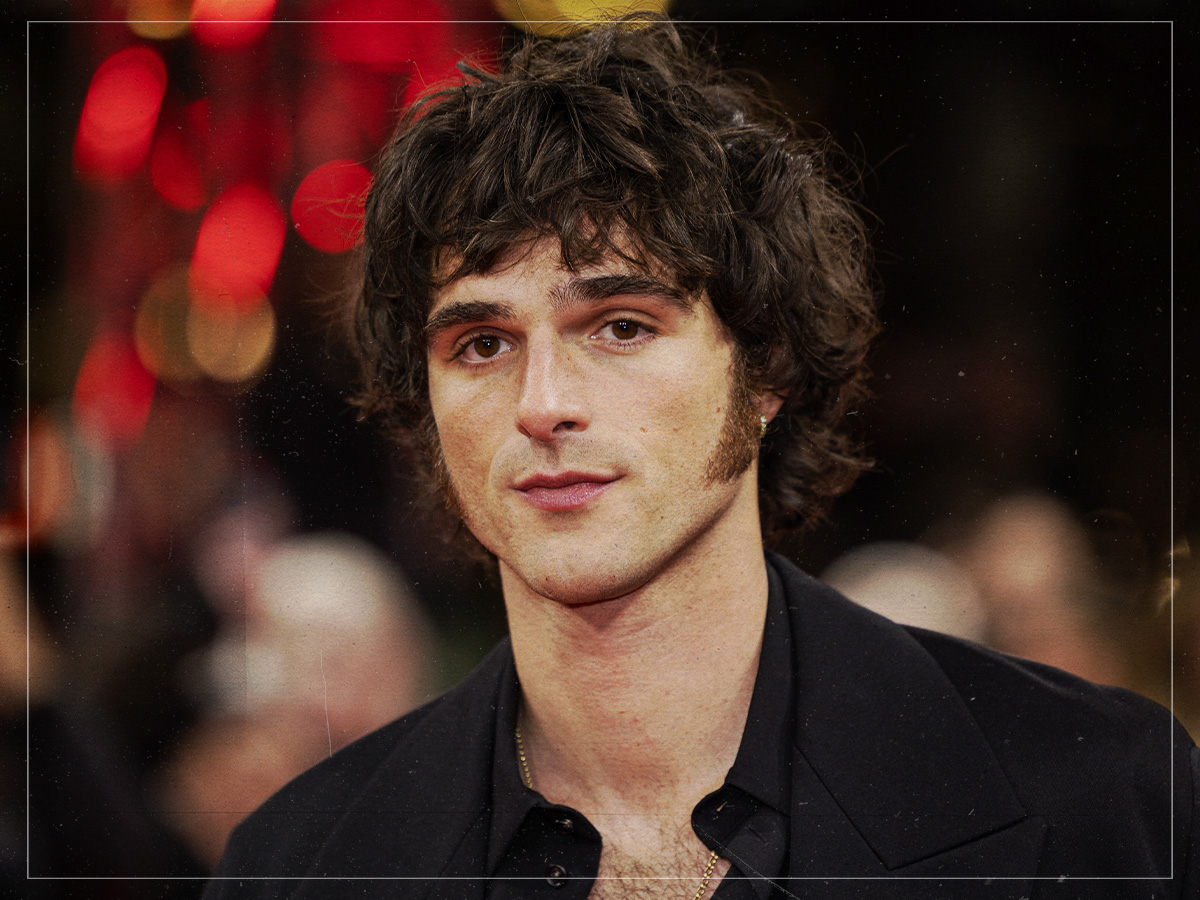
She added, “The great thing about this movie is that it could be made every year and it would still be so moving and so interesting. There are so many different takes. I think every year we should have a new one.”
The thing is, if you’re reading a novel that actively describes a character as having dark skin and references him looking like he could be potentially Romani, Indian, or mixed race, and then you’re picturing a white man – that’s pure racial bias. Fennell’s vision of Heathcliff is one that she perhaps found more familiarity in, having grown up surrounded by affluent, white society, and that’s just not accurate.
Hollywood’s incessant whitewashing only erases people of colour from narratives that they belong in, and with film serving as such a potent mirror to society, it says a lot about our world if, even now, a white character is cast in a role in a major film that is so intrinsically not white.
Appearing at Scotland’s Sands film festival last year, casting director Kharmel Cochrane argued that “It’s just a book. That is not based on real life. It’s all art.” But you can’t separate the two. Especially when representation in cinema genuinely has a massive impact on the way that people are treated off-screen. Heathcliff’s ethnicity matters, and to brush off criticism by claiming that her version of the character is simply the one she imagined when she read the book, just isn’t good enough.
This is a perfect example of Hollywood’s dark history of racism – just look at the statistics when it comes to Black directors and actors winning Oscars – and Fennell shouldn’t be able to just cast whoever she likes without considering the consequences of what this means for on-screen representation. That role could’ve gone to someone else, but of course, Fennell handed it to the white boy of the moment, Elordi.
With Wuthering Heights standing as a story so intrinsically about class and otherness, it’s interesting that someone as well-off as Fennell, who so disastrously attempted to explore class in Saltburn, has taken a crack at it. And already her vision of Heathcliff feels fetishistic, machismo and erotics emphasised above anything. But this is not an erotic romance – it’s one of abuse, tragedy, and trauma – and the least Fennell could do is get the casting of the book’s most important character right.
