


Five movie scenes from 2011 that you’d never get away with today

It is remarkable that there is already nostalgia for the films of only 15 years ago.
There isn’t a clear demarcation point in which modern cinema emerged, but 2011 did feel like the end of an era in several ways.
It was a year where the two biggest award season contenders, Hugo and the ultimate ‘Best Picture’ winner The Artist, were throwbacks to the silent era of cinema. The year saw the conclusion of Hollywood’s biggest franchise with Harry Potter and the Deathly Hallows- Part 2, the re-emergence of Tom Cruise with Mission: Impossible- Ghost Protocol, and the last instance in which Steven Spielberg directed two films that were released in the same year.
Although it was a jam-packed year filled with comic book films, including The Green Hornet, Green Lantern, Thor, X-Men: First Class, and Captain America: The First Avenger, none of them made the top ten highest-grossing films of the year list.
2011’s most notable entertainment industry moment had nothing to do with film, as it was the year in which Game of Thrones premiered on HBO. Although there were still high-quality television shows like Breaking Bad, Friday Night Lights, Boardwalk Empire, Homeland, and Justified that were on the air, Game of Thrones marked a paradigm shift in which audiences could expect cinematic quality storytelling on the small screen.
It would be only two years later that House of Cards would premiere on Netflix and change distribution forever, and only a year before The Avengers sent every studio in a craze to create their own shared universe. Given the state of world politics during the first half of the Obama administration, audiences were also a bit more willing to look for hope at the movies, and had a better stomach for darker content.
Five movie scenes from 2011 that you’d never get away with today
Sissy and Brandon Argue- ‘Shame’ (Steve McQueen, 2011)
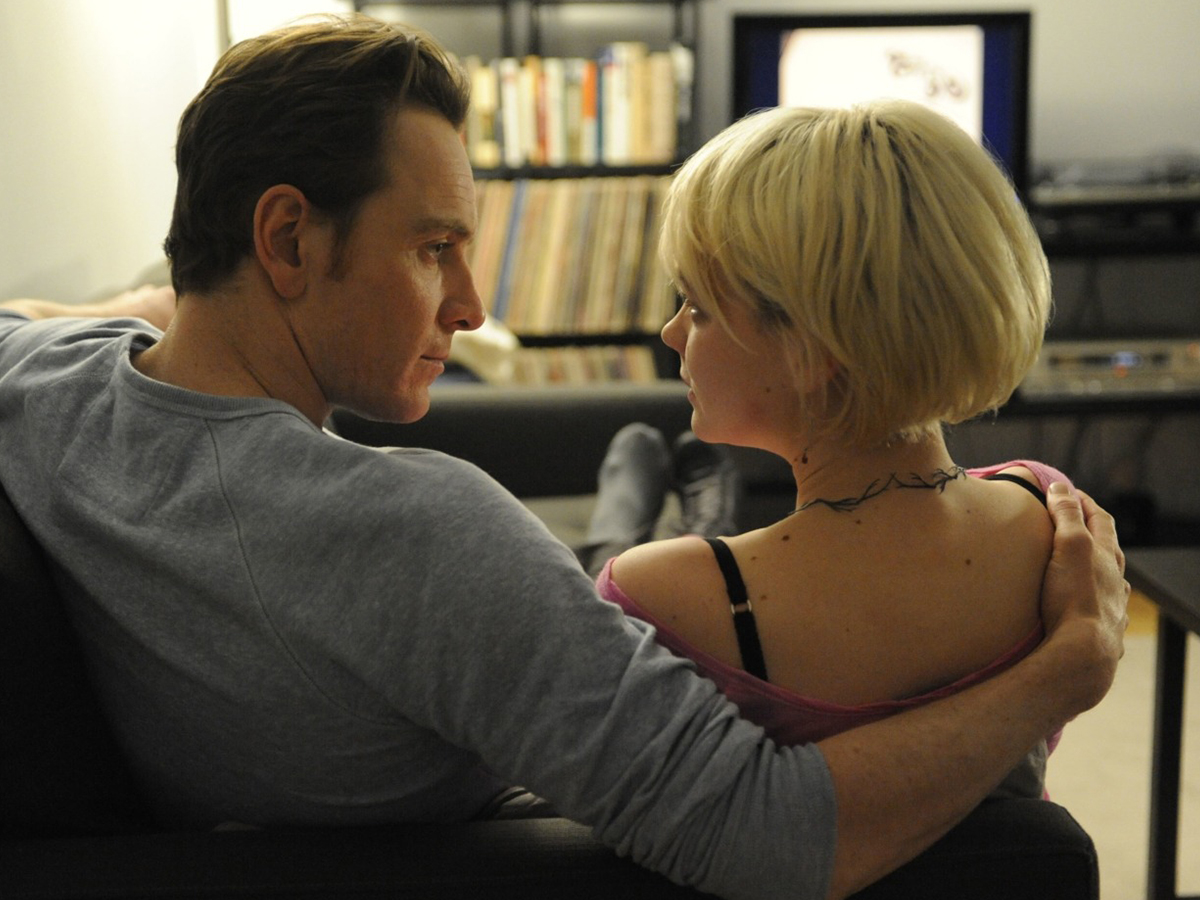
It is quite rare for an NC-17 film to even get released with the rating, as it limits the amount of advertising and promotion that can be done; no NC-17 film has ever grossed more than $70 million globally, and they almost never get nominated for major awards. However, Steve McQueen released the controversial erotic drama Shame, which earned some significant traction for the amazing performance by Michael Fassbender as the sexual addict Brandon.
One of the more disturbing scenes in the film involves Brandon’s sister Sissy (Carey Mulligan) walking in on him masterbating, leading him to a fit of rage where he physically threatens her. There’s no way anything so transgressive would ever appear in a film with major stars released; the last film to actually go with an NC-17 release (as most choose to simply be “unrated”) was Blonde, which debuted on Netflix.
The Dawn of the Dinosaurs- ‘The Tree of Life’ (Terrence Malick, 2011)
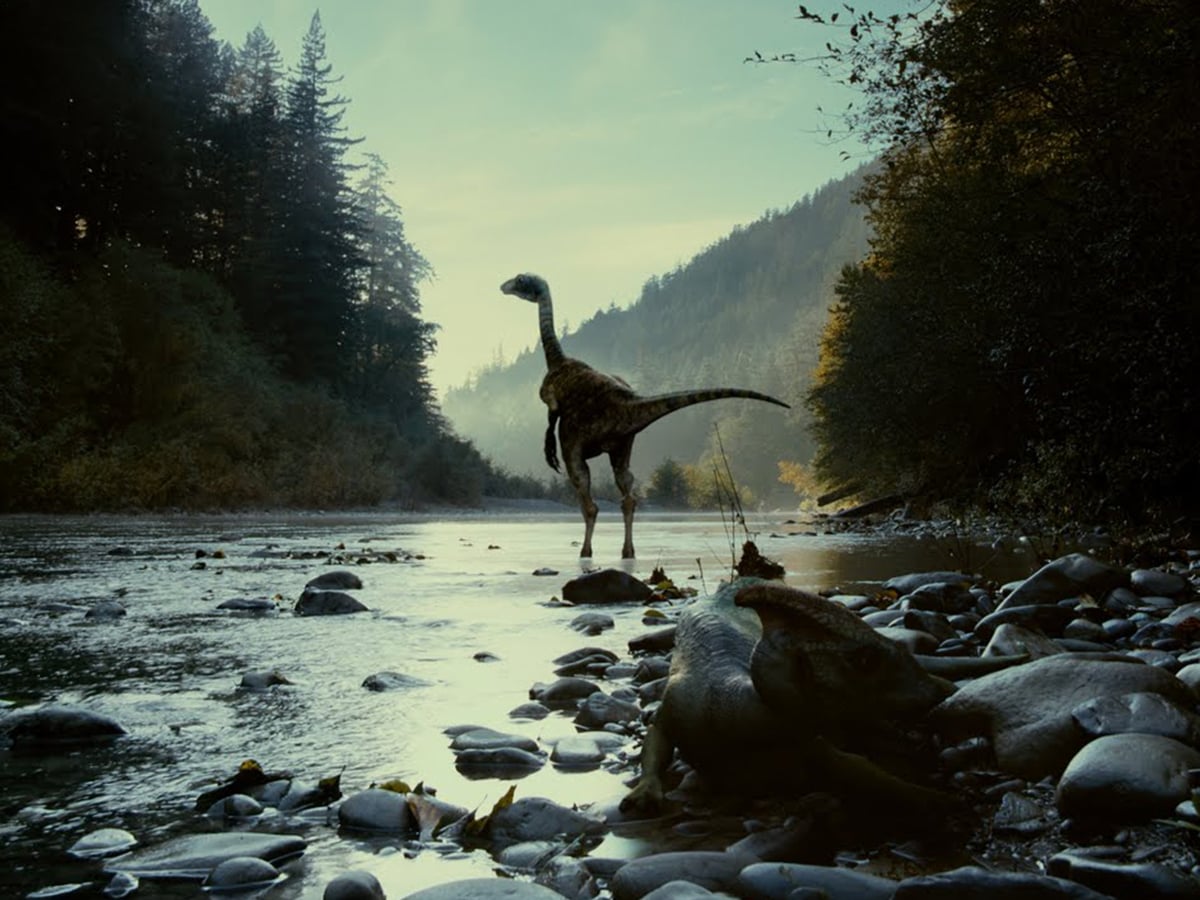
Terrence Malick is a brilliant filmmaker who has taken unusually massive gaps in between his releases, mostly due to the extensive editing process. Malick’s last few films have been pieced together through endless hours of footage, but The Tree of Life was a legitimately structured, albeit avant garde film that had the ambition of spanning the entire course of human history. Malick somehow managed to avoid getting any backlash from religious groups when he crafted an elaborate sequence about the creation of life on Earth, which involved a surprising amount of visual effects to create CGI dinosaurs.
Malick will likely never have the budget to make anything like The Tree of Life again, as he’s still editing an untitled Jesus film that might never get released. Anything that has attempted to show the same ambition in exploring the birth of early humans has fallen flat on its face, with Andrew Stanton’s In the Blink of an Eye and Celine Song’s Materialists being two recent examples.
Walter Chops Off His Arm- ‘The Beaver’ (Jodie Foster, 2011)
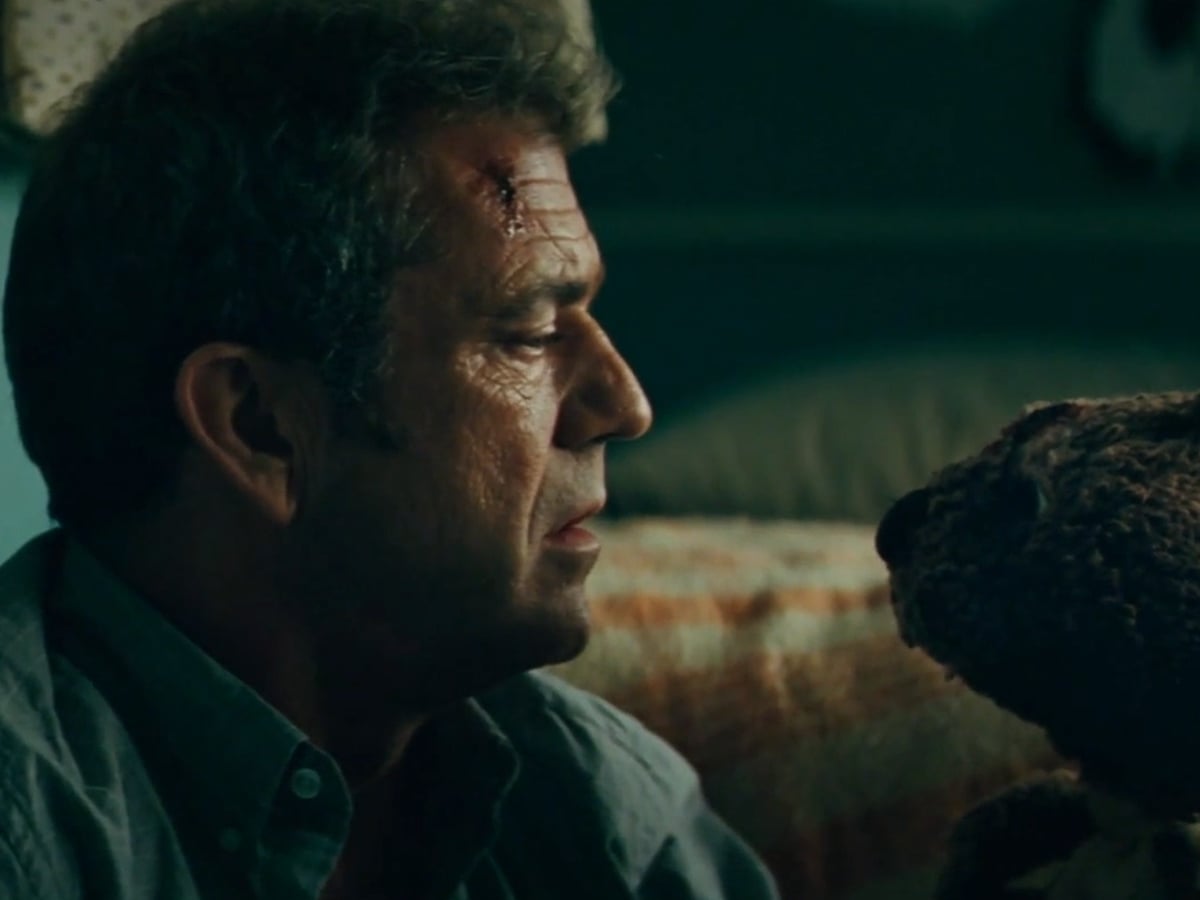
Mel Gibson was in a very unusual place in his career in 2011. He was still considered “taboo” because of the controversial phone call leaks and recordings, but hadn’t yet transitioned into being a filmmaker that panders to the Christian right. The last few Gibson star vehicles have all been direct-to-VOD action films, but 2011 saw him trying to make an actual comeback in a crowdpleasing dramedy when he starred as the depressed businessman Walter in The Beaver, directed by Jodie Foster.
Despite the fact that The Beaver is about a struggling father who begins to talk through a puppet beaver, it gets surprisingly dark, and includes a scene where Gibson’s character chops off his own limb. Even if it weren’t for the weirdness of Gibson, a scene as shockingly morbid like this would never appear in a modern film.
The Assault Scene- ‘The Girl With The Dragon Tattoo’ (David Fincher, 2011)
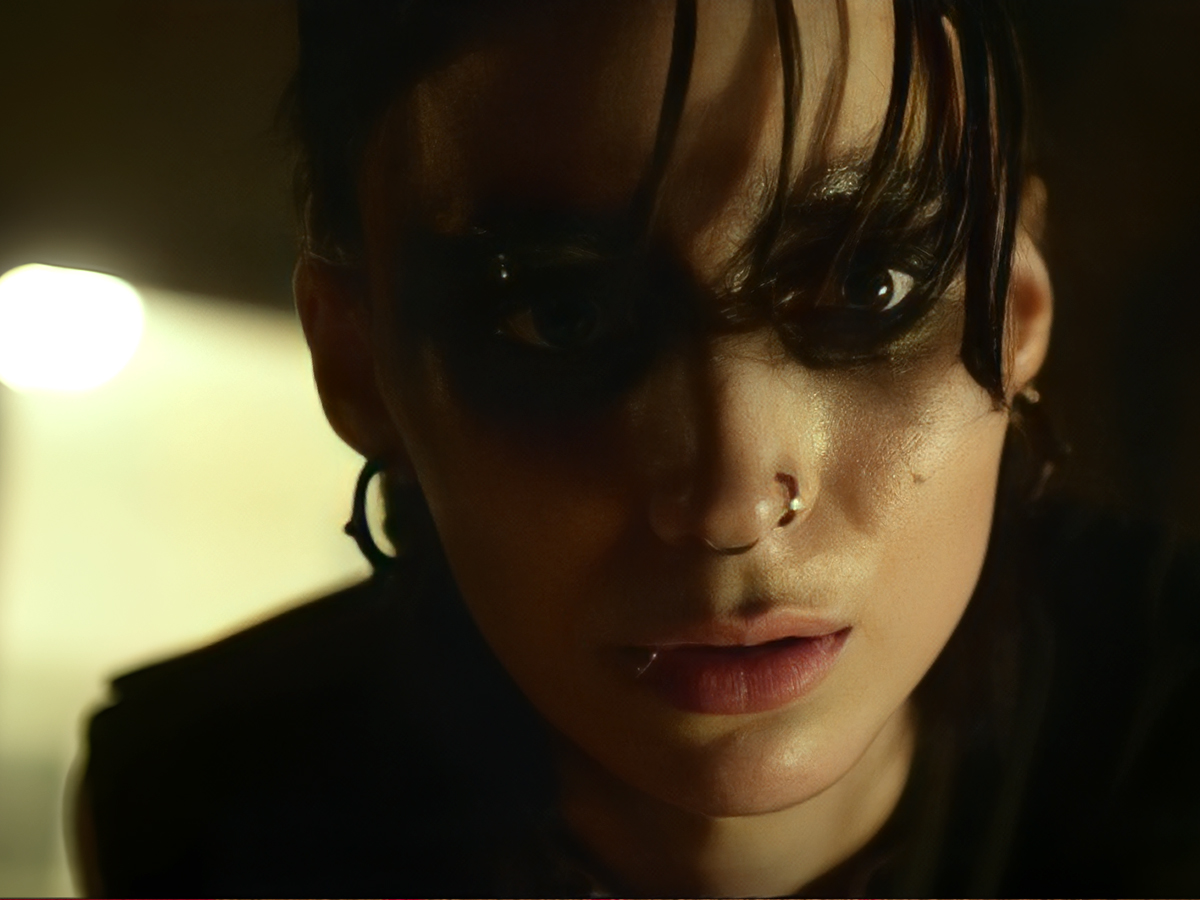
David Fincher has been toying with disturbing themes for his entire career, but The Girl With The Dragon Tattoo might be his most punishing film, given that it is nearly three hours long. It was shocking that Fincher got away with a scene where Lisbeth Slander (Rooney Mara) is sexually assaulted in a very graphic way; even though she eventually gets revenge on her rapist in a brutal mutilation scene, this would certainly not be permitted to be made by a male director.
It’s also unlikely that the franchise will ever return to the big screen, as contract negotiations involving Fincher, Mara, and Daniel Craig prevented a sequel from ever taking off. Although Fede Alvarez directed the 2018 reboot The Girl in the Spider’s Web that had Claire Foy taking over the role of Lisbeth, it was a complete flop.
Hindley Whips Heathcliff- ‘Wuthering Heights’ (Andrea Arnold, 2011)
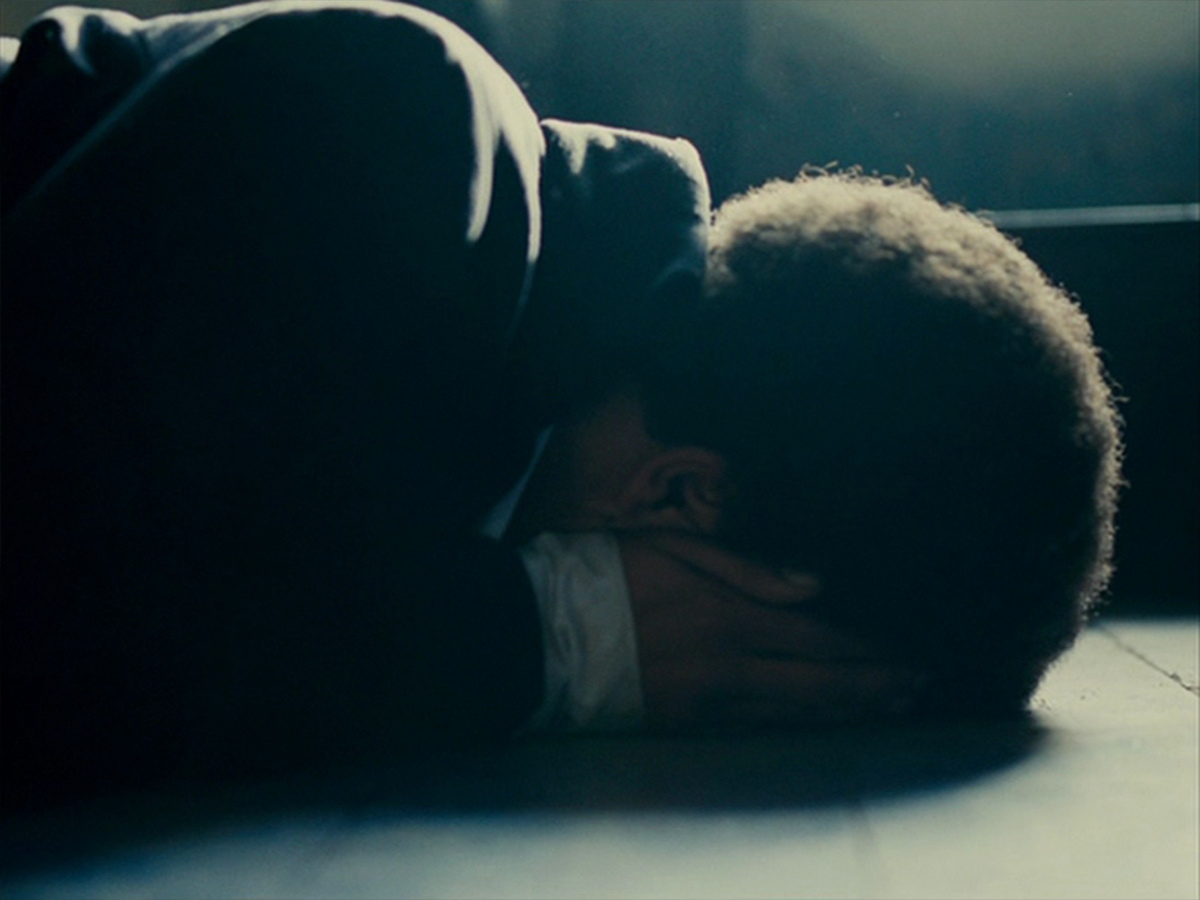
Wuthering Heights is a masterpiece of literature that has never gotten the adaptation that it deserves; while this is in part due to the fact that almost none of the film versions bothered to include the second half of the novel, they’ve also avoided the racial subtext that is critical to understanding the intentions that Emily Bronte had. Andrea Arnold was bold enough to approach these themes by casting a mixed-race actor, James Howson, as Heathcliff, and showing how he is harassed and insulted with racial epithets.
The strongest scene in the film involves Heathcliff being whipped by Hindley (Lee Shaw), Catherin’s (Kaya Scodelario) older brother. Hollywood has clearly decided to treat Wuthering Heights as a romantic epic (which it isn’t), and have whitewashed and streamlined subsequent adaptations; Emerald Fennell’s film doesn’t just ignore the racial commentary, but doesn’t even include Hindley as a character/
