


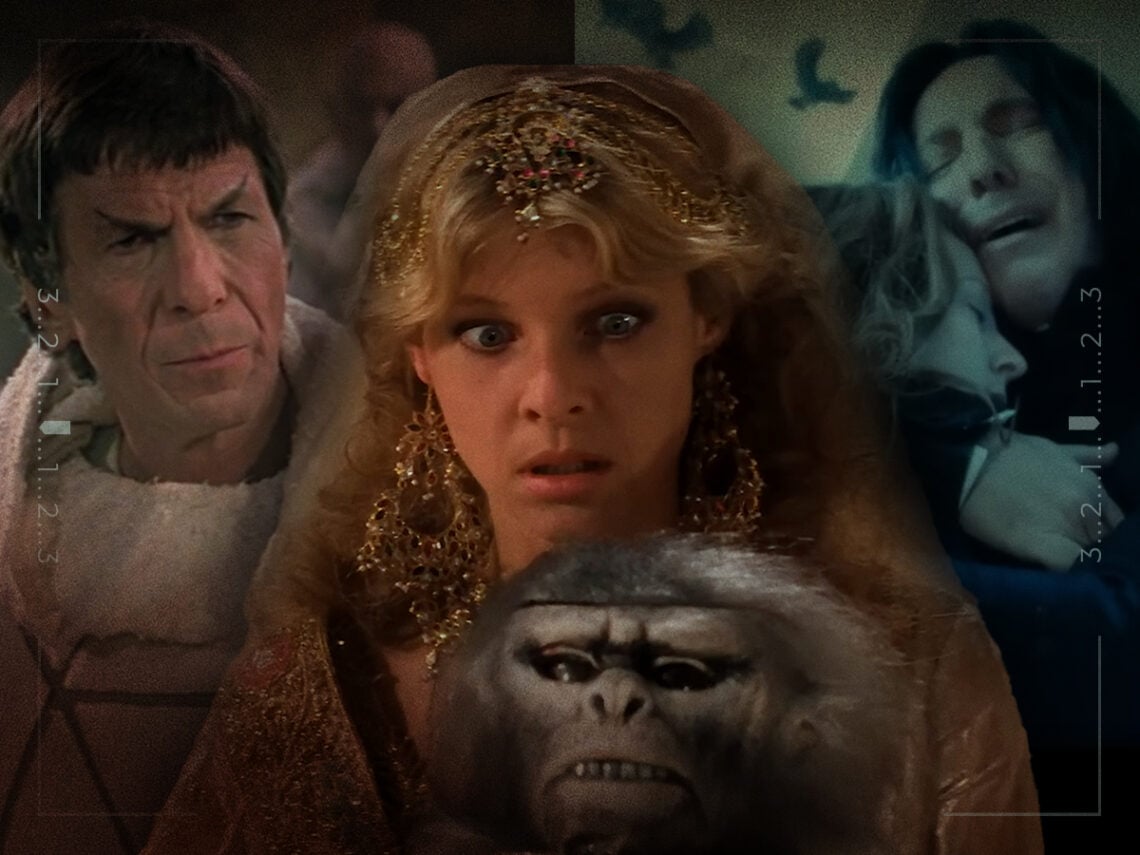
10 iconic movie scenes that did more harm than good

Not every film that leaves a cultural footprint has been beneficial to the art form.
When it comes to movies, there is a big difference between ‘iconic’ and ‘important’, just as there should be a distinction between what is ‘successful’ and what is ‘great’, for not every film that’s won ‘Best Picture’ at the Academy Awards was necessarily a box office juggernaut, and there are plenty of films that grossed over $1billion that are absolutely terrible, such as Transformers: Age of Extinction, The Fate of the Furious, and Star Wars: The Rise of Skywalker.
There are plenty of scenes or moments in films that haven’t aged well for one reason or another, but for the most part, discerning audiences are able to understand why they were products of their time. While the overt racism in a film like Breakfast at Tiffany’s is problematic in a modern context, those who are watching it today can understand that it was clearly a wrong decision.
However, there are some scenes that became iconic and ended up establishing trends that ended up harming the art form moving forward, and while these aren’t all bad movies, and in some cases, the scenes themselves were successful at what they intended to do, they may have inadvertently set up an excuse for imitators to attempt to do the same thing with less skill, turning what should have been an abnormality into something far more consistent.
Films, good or bad, aren’t entirely responsible for the legacies that they leave behind, but that doesn’t mean that they should be immune to criticism.
10 iconic scenes that did more harm than good:
The livestream – ‘American Pie’ (Paul Weitz, 1999)
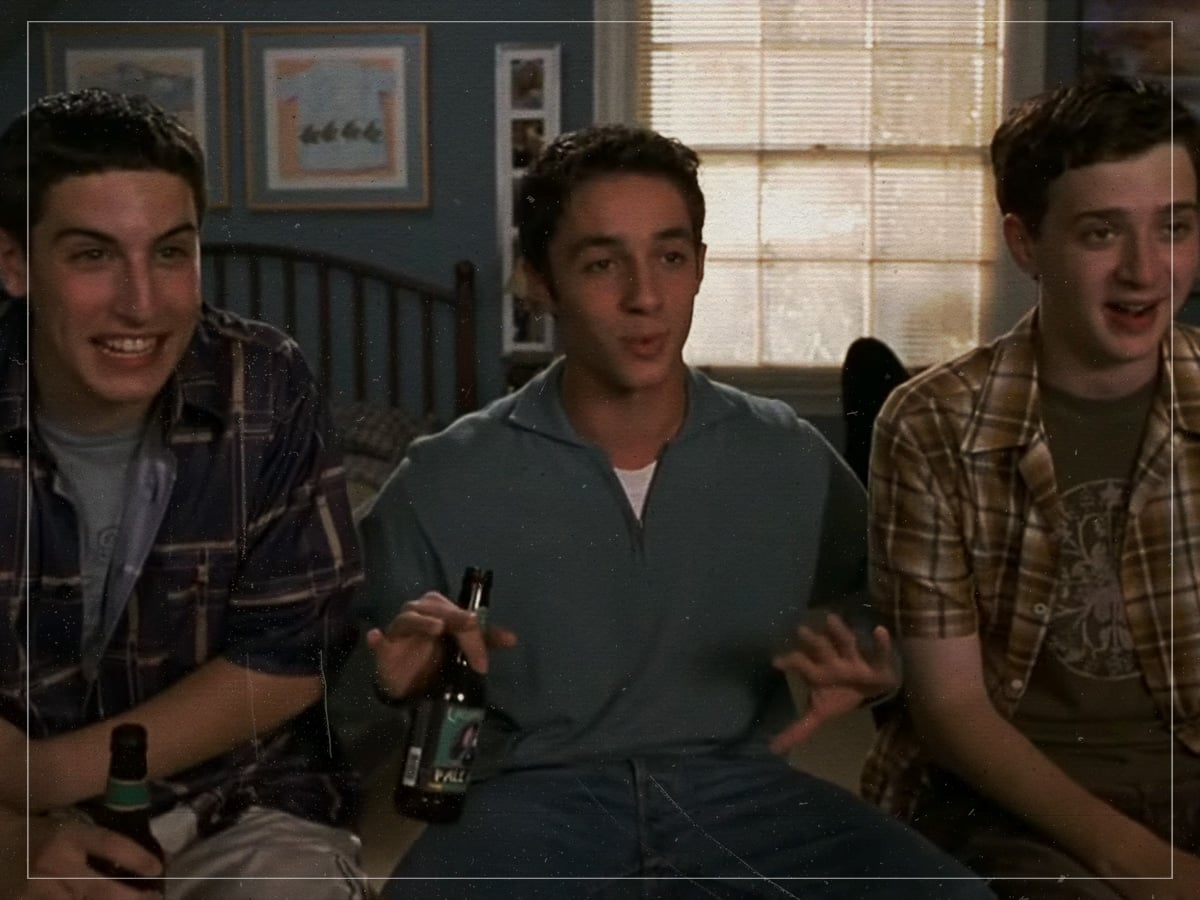
While teen comedy films had reached their apex in 1999, American Pie was far raunchier than other releases the same year, such as She’s All That, 10 Things I Hate About You, Never Been Kissed, and even Election. American Pie has been criticised by many of its former cast members for its perceived negative elements, with the scene in which Shannon Elizabeth’s Nadia is filmed undressing and masturbating without giving consent being the most egregious moment.
It’s a pretty disturbing scene that features the ostensible leads of the film violating a female character, and it’s played as a joke. This isn’t just a scene that aged poorly, but one that became indicative of the toxic nature of online culture, and how revenge porn and sexual exploitation would become commodified during the early years of the internet, when legalities had not been set.
Nordberg’s comedy hijinks – ‘Naked Gun: From The Files of Police Squad!’ (David Zucker, 1988)
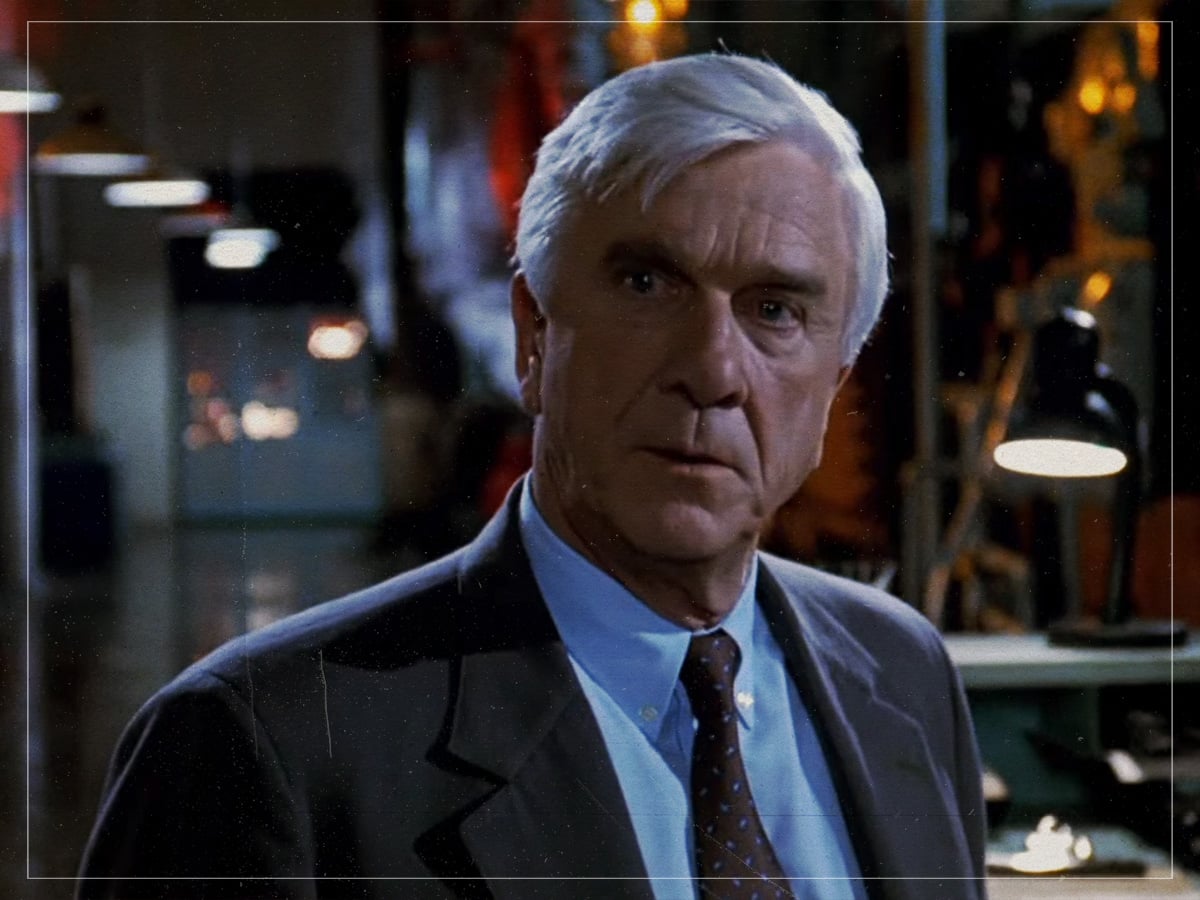
Leslie Nielsen transformed into a comedy icon late in his career, and The Naked Gun franchise gave him his most iconic role ever as Frank Drebin. Although his performance and the film itself hold up very well, it is hard to watch it in the same way because of OJ Simpson playing Detective Nordberg, in a role that solidified his status as one of the most beloved celebrities in the country.
While obviously his appearance is tough to cope with in its own right, the film ended up doing harm because it helped to create the image that he was a playful, self-deprecating character, and not someone who could ever be responsible for serious crimes. One of the biggest issues in the ultimate trial was that many members of the jury simply refused to accept that Simpson could have any faults.
Norman is analysed – ‘Psycho’ (Alfred Hitchcock, 1960)
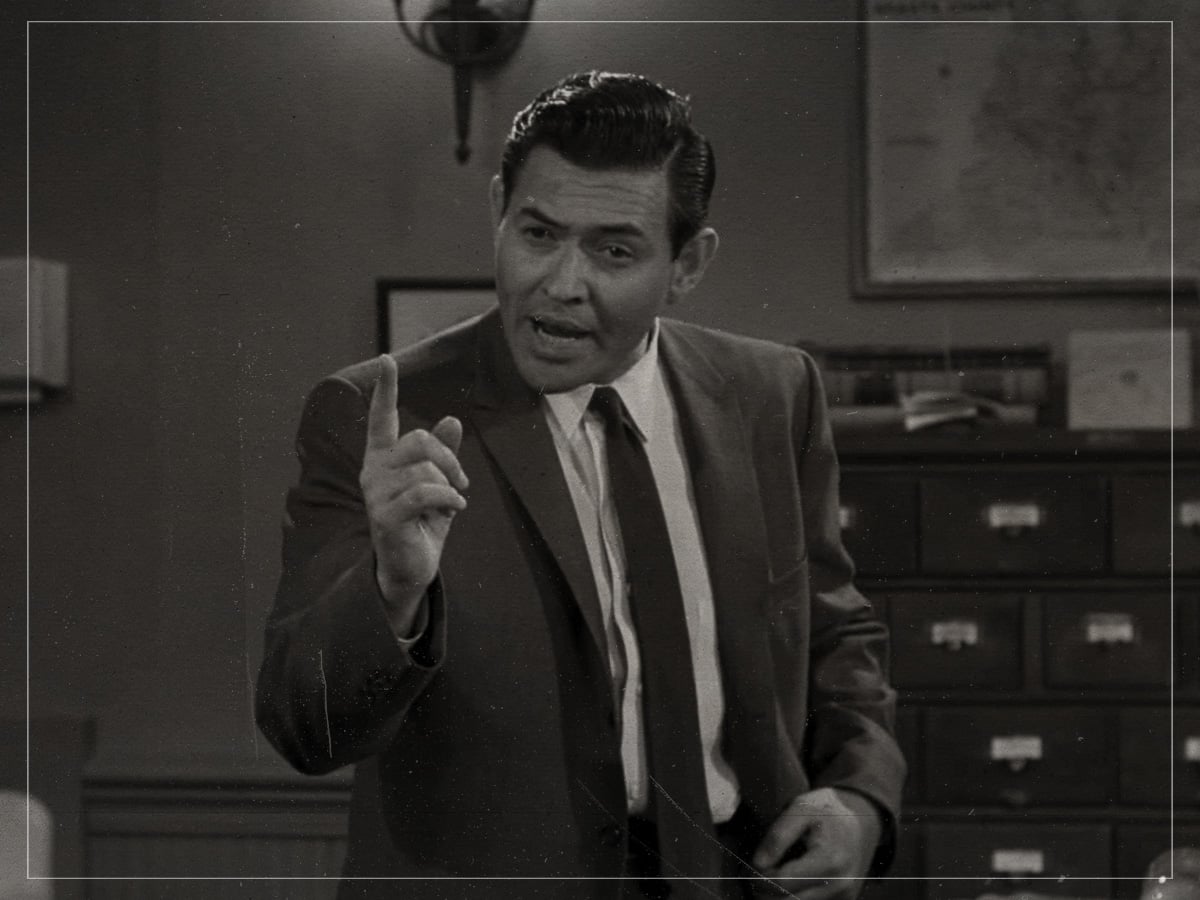
Alfred Hitchcock changed the horror genre forever with Psycho because he introduced the idea that a ‘safe space’ like a shower or hotel could be under threat, and created the first true slasher villain in Anthony Perkins’ Norman Bates. Although the film brilliantly reveals how Norman has adopted different personalities, the exact diagnosis he is given is explained in a pointless scene at the end, when a psychiatrist, played by Simon Oakland, shows up to talk to Vera Miles’ Lila, John Gavin’s Sam, and John McIntire’s Chambers.
Horror is more effective when it is left to the audience to make their own interpretations, and the diagnosis scene in Psycho turns something mysterious and threatening into a dull medical explanation, so while Hitchcock still ended the film on a scary note thanks to the terrifying shot of Norman looking into the camera, most directors who emulated him did not share his genius.
Nick Fury introduces the Avengers – ‘Iron Man’ (Jon Favreau, 2008)
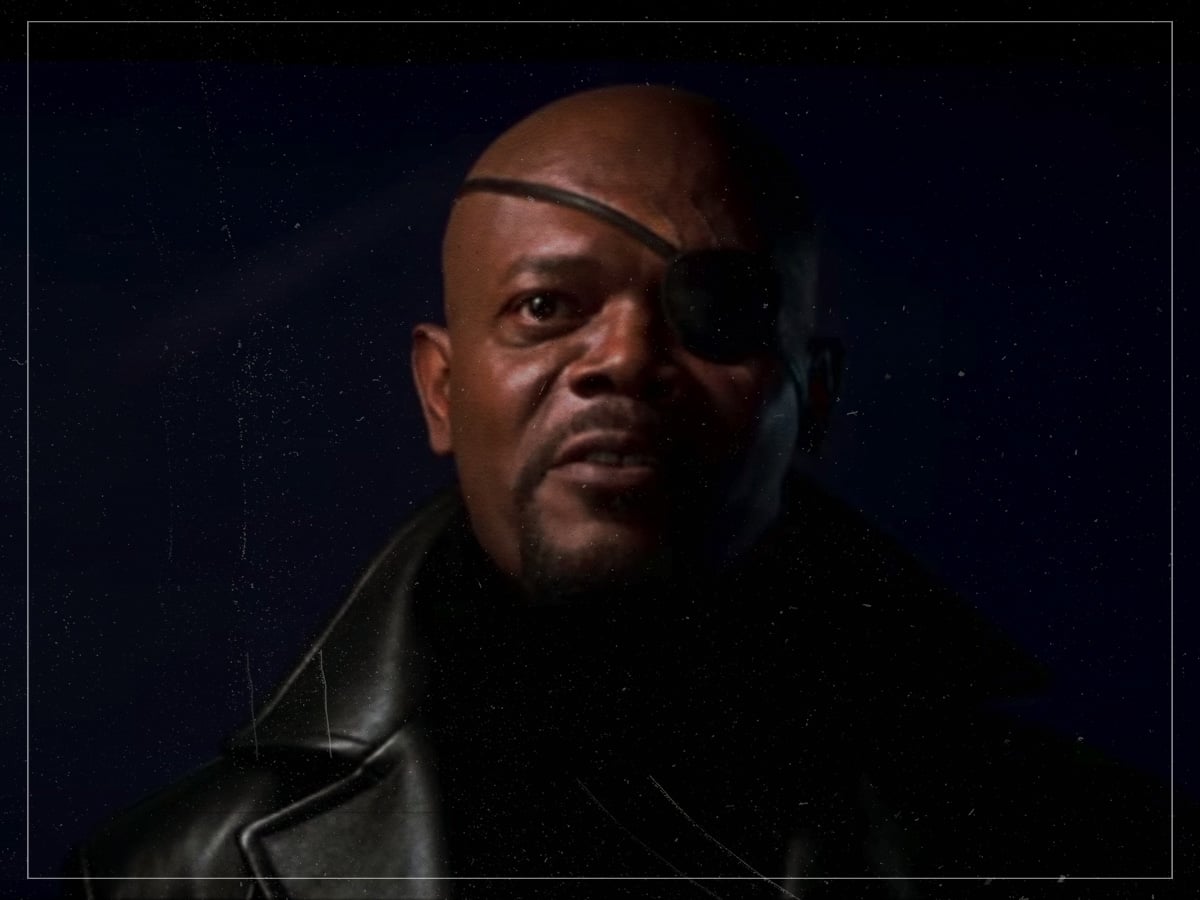
Marvel Studios were at a disadvantage when they attempted to start their own cinematic universe because they did not own the rights to all of the characters in the comic books, as Sony had retained Spider-Man and his related characters, and 20th Century Fox had X-Men and Fantastic Four. However, Robert Downey Jr’s amazing performance as Tony Stark turned Iron Man into a smash hit that led the franchise to dominate the next decade.
At the time that Iron Man was released, the surprise post-credit scene in which Samuel L Jackson’s Nick Fury shows up to introduce ‘The Avengers Initiative’ was an amazing moment that confirmed the future plans for the series, but the post-credit stinger has been overused so often, especially in superhero films, that it’s easy to point to Iron Man as the moment that set off the trend.
Spock is revived – ‘Star Trek III: The Search for Spock’ (Leonard Nimoy, 1984)
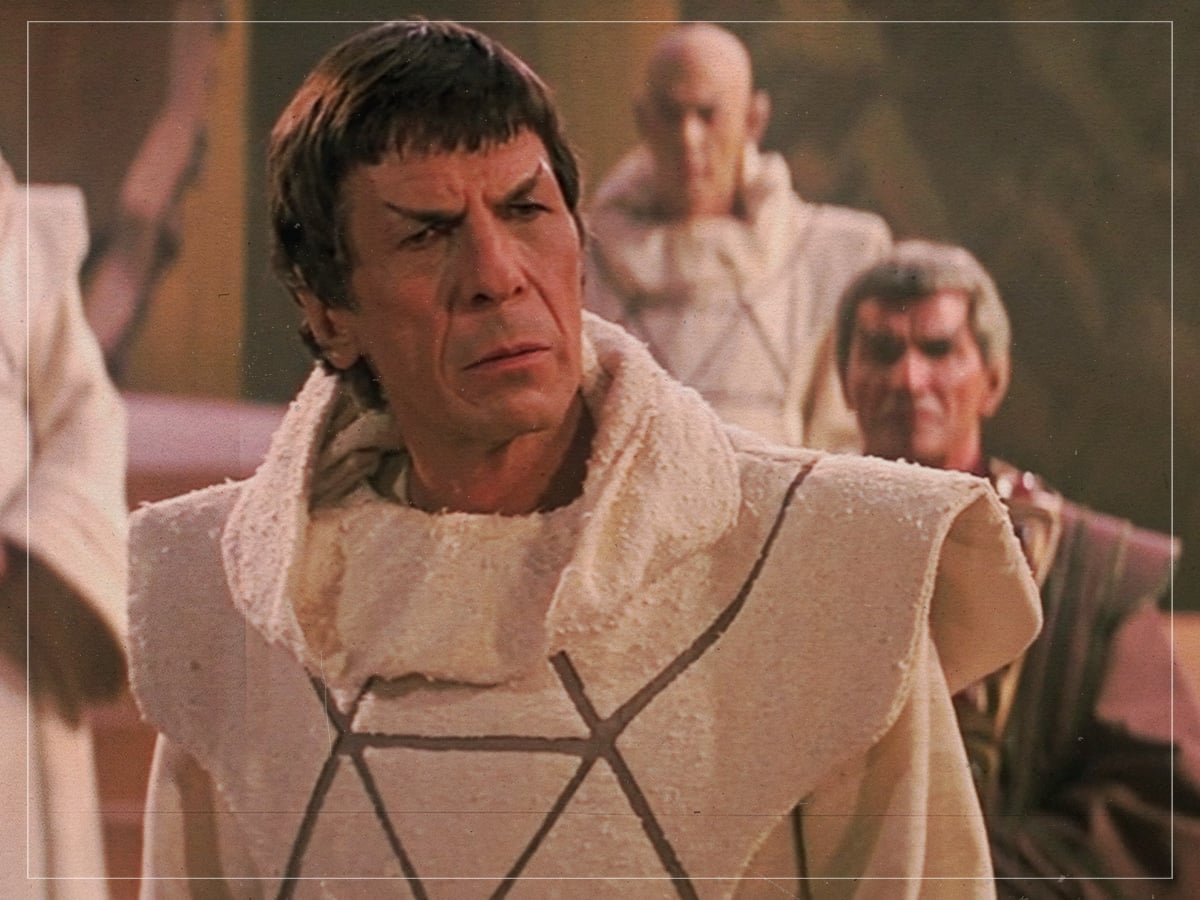
Star Trek faced a crisis as a franchise when Leonard Nimoy asked to be killed off in Star Trek II: The Wrath of Khan, but as the film saga wouldn’t work without him, he agreed to reprise his role on the condition that he be allowed to direct the next film, Star Trek III: The Search for Spock.
The final scene in the film involves William Shatner’s Captain James T Kirk finally reuniting with his best friend, and it is an emotional moment, but retconning one of the most powerful deaths in sci-fi history had consequences, as it led more franchises to bring characters back to life. When any character can be killed off and brought back at any point, that offers little reason to get invested in anything that is going on, which is something that Star Trek had to learn the hard way.
The Lost Boys meet Tiger Lily – ‘Peter Pan’ (Hamilton Luske, Clyde Geronimi, and Wilfred Jackson, 1953)
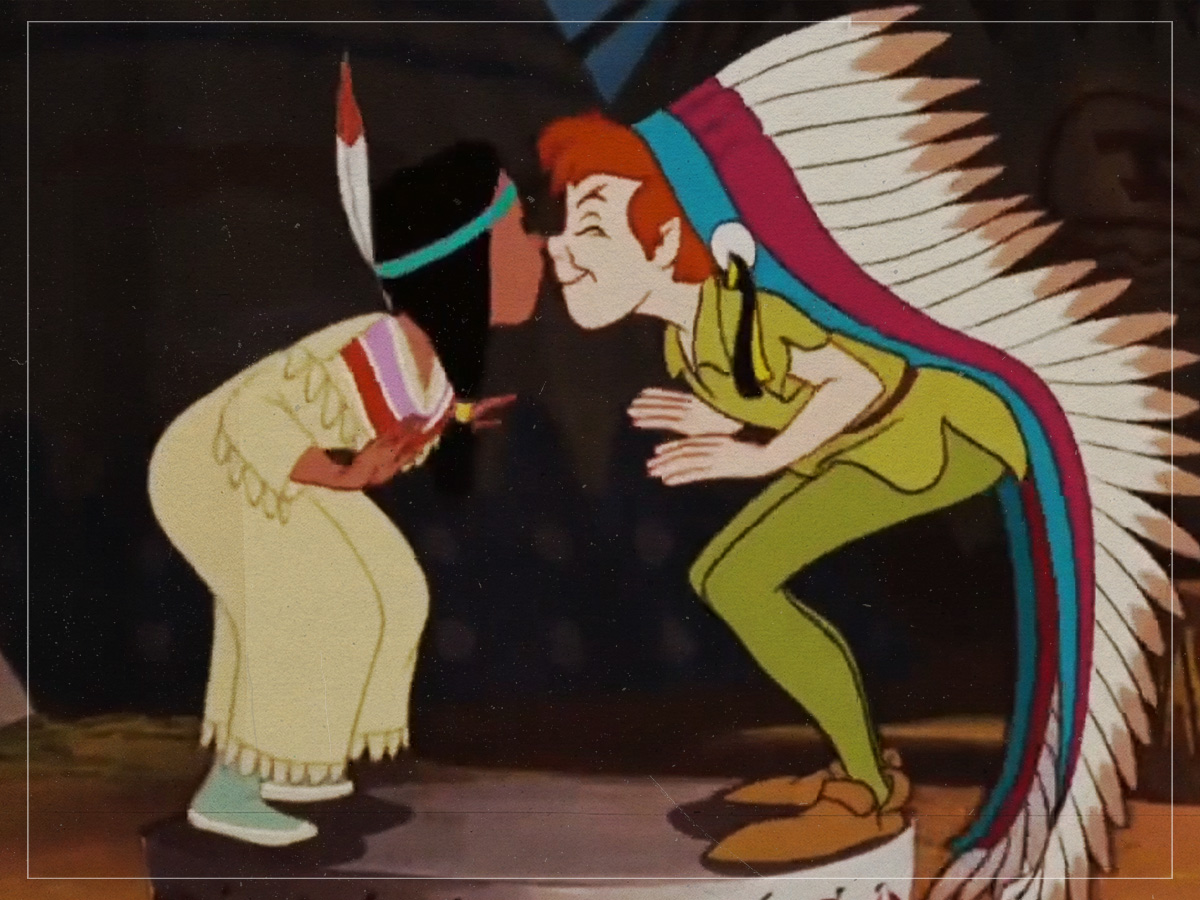
Disney has many animated classics that simply haven’t aged well because of the racial stereotypes, but the depiction of Tiger Lily and the other Native American characters in Peter Pan is particularly egregious. It perpetuated negative stereotypes that Disney was unable to fix with its later films, as Pocahontas came under fire decades later for its inability to respectfully depict the genocide of America’s native people by white settlers.
The scene itself tarnished the Peter Pan story, making it one of the few fairy tales to never get a proper adaptation. Hook is famously one of Steven Spielberg’s worst films, Joe Wright’s Pan was an unmitigated disaster, 2003’s Peter Pan nearly destroyed Jason Isaac’s career, and even Finding Neverland, the film about author JM Barrie, portrayed by Johnny Depp, when he was writing Peter Pan, is considered to be one of the most blatant cases of Oscar bait.
The Battle of Naboo – ‘Star Wars: Episode I – The Phantom Menace’ (George Lucas, 1999)
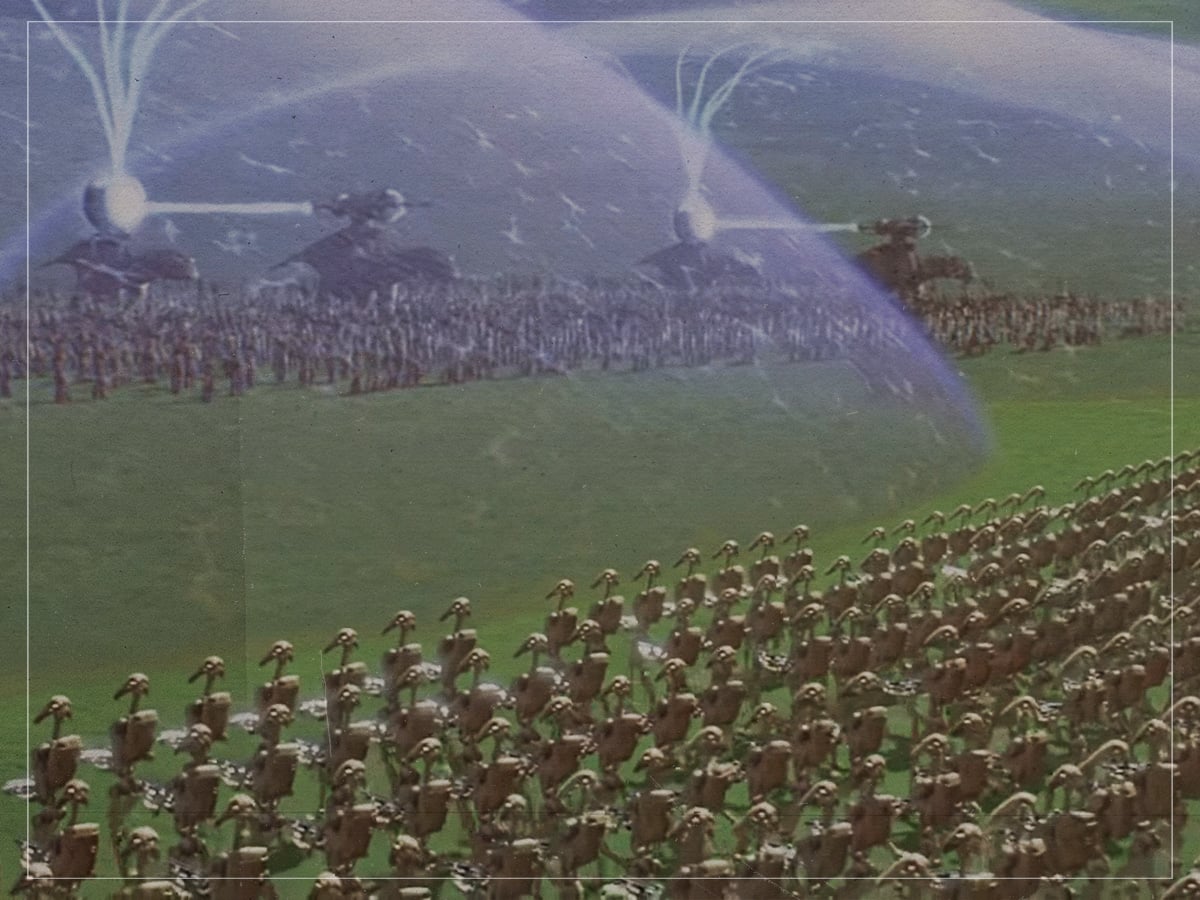
Star Wars was at the forefront of pioneering special effects when it debuted in 1977, and George Lucas was determined to do the same thing when he made the prequel trilogy. Although computer-generated imagery had been used to modify sequences in films like Jurassic Park and Terminator 2: Judgment Day, part of the ending of Star Wars: Episode I – The Phantom Menace involves a massive battle between groups of characters that is entirely animated.
It set off a negative trend in which films overused CGI to the point that there was nothing tactile or relatable to hold on to, and ended up feeling pretty disposable. It led to a period where films shied away from using extras because it was easier to create CGI crowds. It also featured most of Ahmed Best as Jar Jar Binks, the obnoxious character that Lucas has continued to defend as a source of comic relief.
Snape’s backstory – ‘Harry Potter and the Deathly Hallows- Part 2’ (David Yates, 2011)
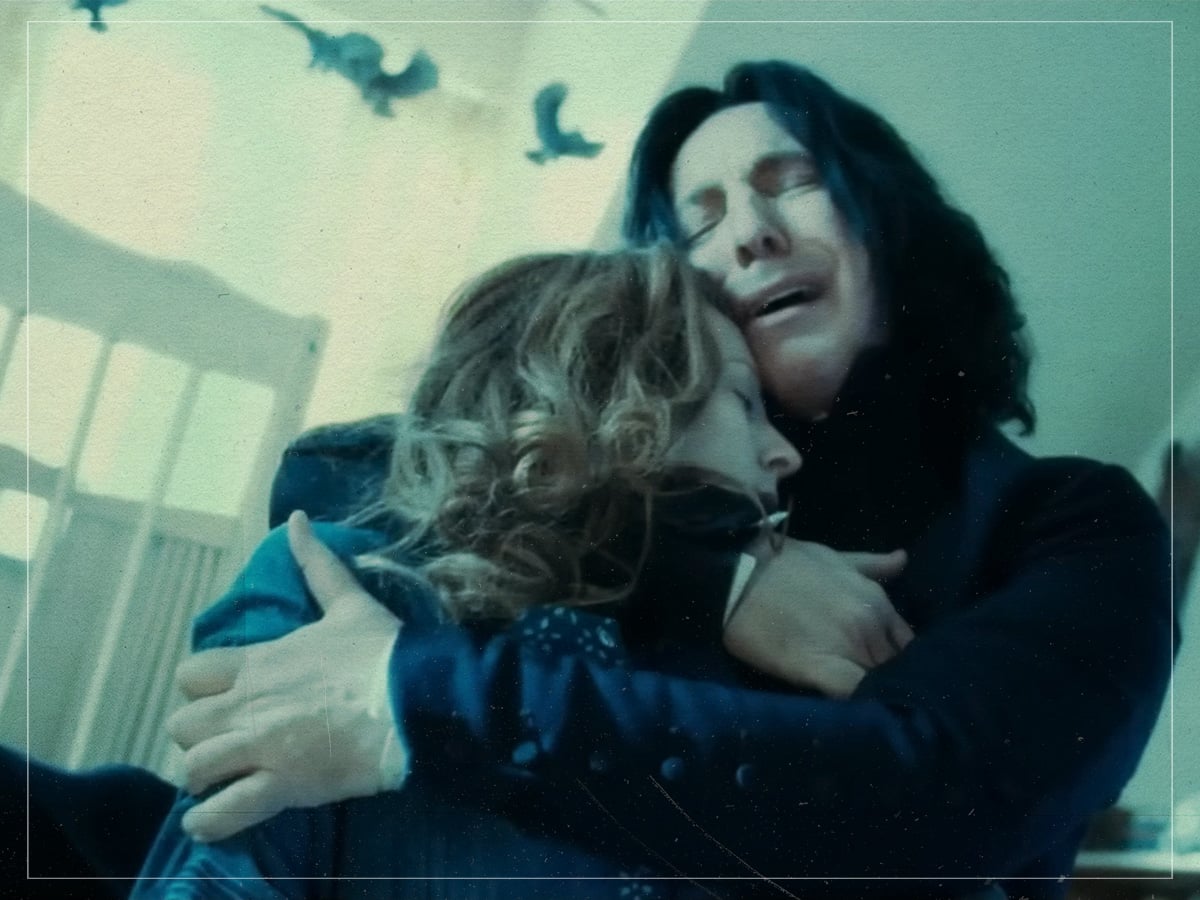
Alan Rickman is responsible for elevating the character of Severus Snape with his performance in the Harry Potter films, as the novels were still being released when he played the character. The ending of Harry Potter and the Deathly Hallows – Part 2 features a shocking twist in which it is revealed that Snape was in love with Harry’s mother, Lily, but it’s only intermittently effective; when looking back at everything that has been revealed in the other films, Snape feels like a creepy jerk who ends up working with a fascist, and Harry’s father is a cruel bully.
What was initially seen as a heartfelt moment becomes another case in which JK Rowling’s retcons to her own material ended up feeling more confusing, more so now that Rowling has even greater control on the upcoming Harry Potter series for HBO Max, which will supposedly be more faithful to the books.
Tony Stark recreates his parents – ‘Captain America: Civil War’ (The Russo Brothers, 2016)
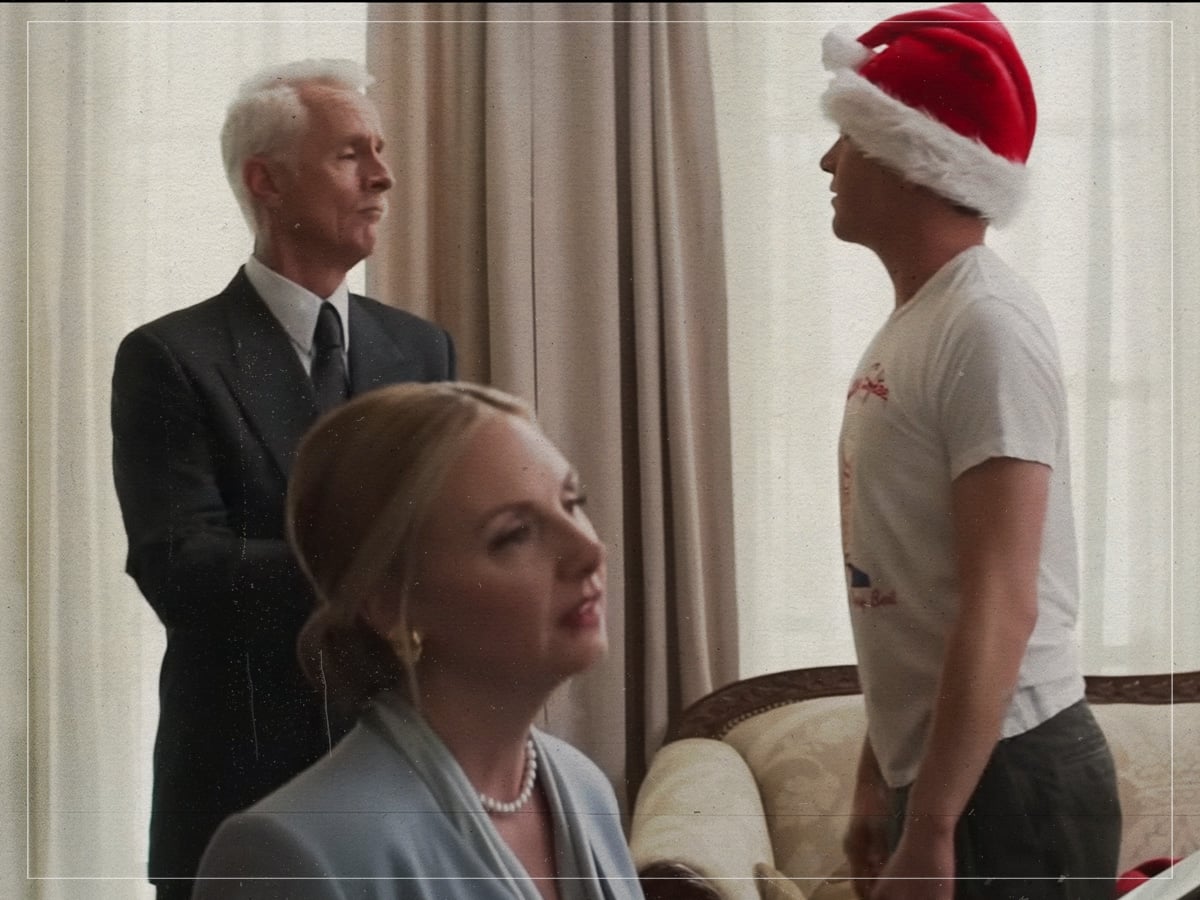
The Russo brothers might now be viewed as the enemies of cinema, but it’s hard to argue that they didn’t make four of the best Marvel films ever. Captain America: Civil War was a high point for the franchise because it set up a feud between Stark and Steve Rogers, played by Chris Evans, in which both characters made salient points. One of the early scenes in the film involves a digitally de-aged version of Downey in a flashback scene, which is revealed to have been created by Stark himself as a means of coping with his trauma.
While it was effective because the scene itself is intended to be a digital recreation, it led Marvel to become over-reliant on using digitally de-aged characters in future films, such as Michael Douglas and Michelle Pfeiffer in Ant-Man and the Wasp: Quantumania or Samuel L Jackson in Captain Marvel.
The dinner scene – ‘Indiana Jones and the Temple of Doom’ (Steven Spielberg, 1984)
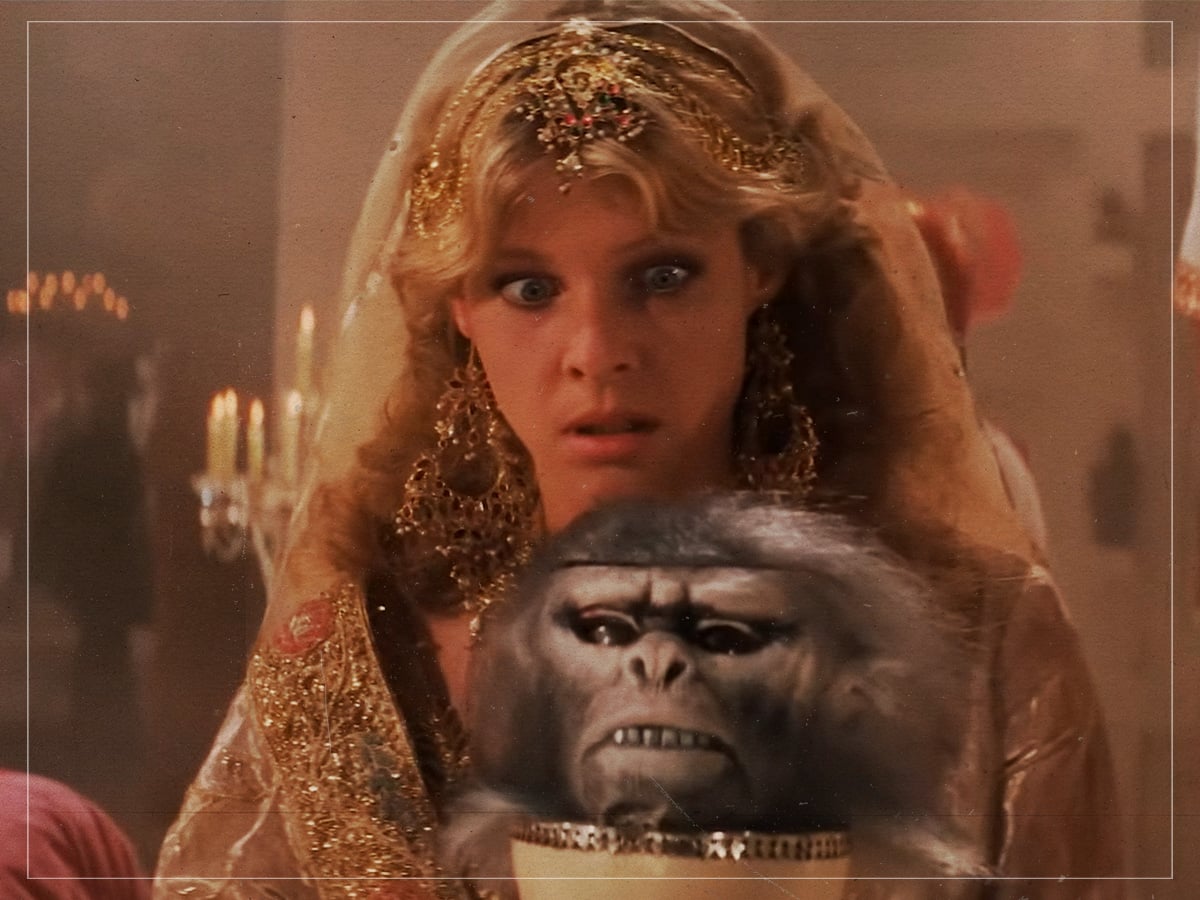
Steven Spielberg actually apologised for making Indiana Jones and the Temple of Doom, as he felt that both he and George Lucas had made the film too dark. The film is rife with issues involving gross-out gags that feel highly sophomoric when compared to the brilliance of Raiders of the Lost Ark, and the scene in which Indy, Willie, played by Kate Capshaw, and Short Round, played by Ke Huy Quan, have dinner with their Indian hosts, summarises exactly where it all went wrong.
On one hand, the eccentric portrayal of Indian characters is simply offensive, and was not backed by the type of research that went into Raiders of the Lost Ark. At the same time, Capshaw’s performance is so terribly obnoxious that it basically ruins the film, which is why the series had to bring back Karen Allen to play Marion Ravenwood for the last two instalments.
