


10 great movies sabotaged by test screenings

Hollywood likes to complain about critics, but it’s the audiences that they should ignore.
Executive figures in the entertainment industry love to lash out at critics for honestly reviewing films, and some actors and directors have begun to use the sentiment that their work is ‘for the fans’ as a way to deflect criticism. The reality is that critics have experience writing and watching films, and audiences will be swayed by whatever trends pop up at the time.
There are some safeguards being put in place in order to ensure that filmmakers don’t have their visions swayed by Internet backlash or audience discourse, as Christopher Nolan’s The Odyssey is even making the bold decision to not rely on influencers and ‘Funko critics’ to build buzz. However, Hollywood has still relied upon the test screening model as a way to prepare films for release, and it has rarely produced good results.
Test screenings are held to determine the reception of an average audience, and not that of cinephiles, critics, or industry insiders. While there have been many films that were changed because of conflicts between the director, actors, and studio, they at least have the respectability of having been involved in their financing and production.
Audiences are responsible for some of the most toxic discourses in film history, such as the backlash to Star Wars: The Last Jedi, the trolling of Rotten Tomatoes and other aggregators, and the hate campaign against critics who dared to negatively review Michael. There are a number of films that were ruined, made worse, or completely compromised on a creative level because the studios chose to seek out the opinion of test audiences, and here are ten such instances.
10 great movies ruined due to test screenings
‘Blade Runner’ (Ridley Scott, 1982)
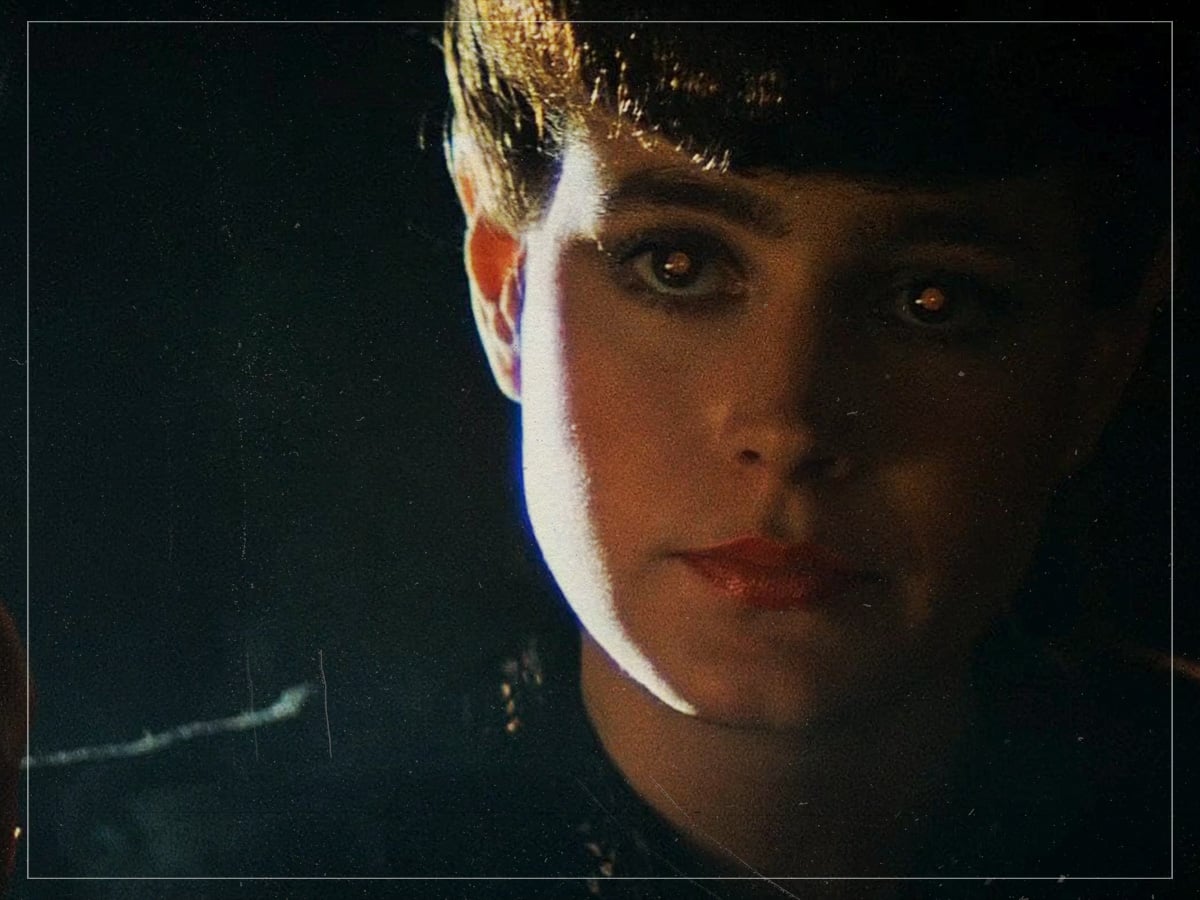
Ridley Scott and Harrison Ford didn’t necessarily get along during the making of Blade Runner, but they were united in their distaste for the new additions to the film by Warner Bros after negative test screenings. After test audiences felt that the film was too dark and confusing, the company forced Ford to record a voiceover that would explain, with no subtly, everything that was happening and how Deckard felt; they also forced Scott to create a new ending where Sean Young’s Rachael survived and lived with Deckard.
The test screening changes didn’t help Blade Runner at the box office, as it flopped when it got hit by the train that was ET the Extra-Terrestrial. Thankfully, Scott was able to reverse many of these changes when he released Blade Runner: The Final Cut, which is now known as the definitive version.
‘Fatal Attraction’ (Adrian Lyne, 1987)
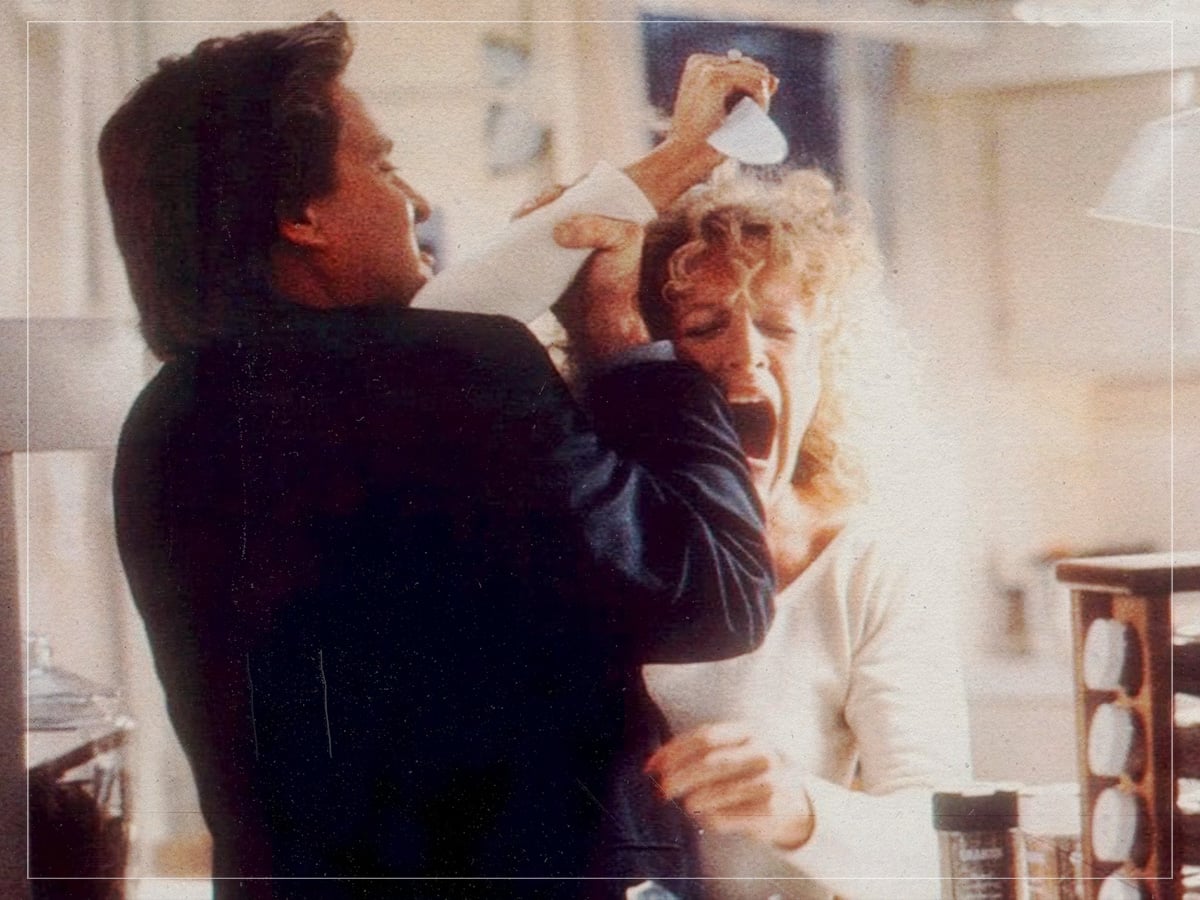
Fatal Attraction is one of the most transgressive hit films of the ‘80s, and turned the erotic thriller genre into something more respectable when it became the biggest hit of 1987 and was nominated for ‘Best Picture’ at the Academy Awards. The film originally had a darker ending that was slightly more sympathetic to Alex Forrest, played by Glenn Close, and had Dan Gallagher, played by Michael Douglas, being blamed for her murder, but it was changed to appease test audiences.
Fatal Attraction is still an entertaining film, but it does feel dated in how it completely pins the blame on Alex as being the ‘homewrecker’, and tries to give Dan a way to retain his family’s trust, and while giving an audience what they thought was a happy ending might have appeased them at the time, the film might have been better regarded today if it had stuck with what Adrian Lyne originally wanted to do.
‘I Am Legend’ (Francis Lawrence, 2007)
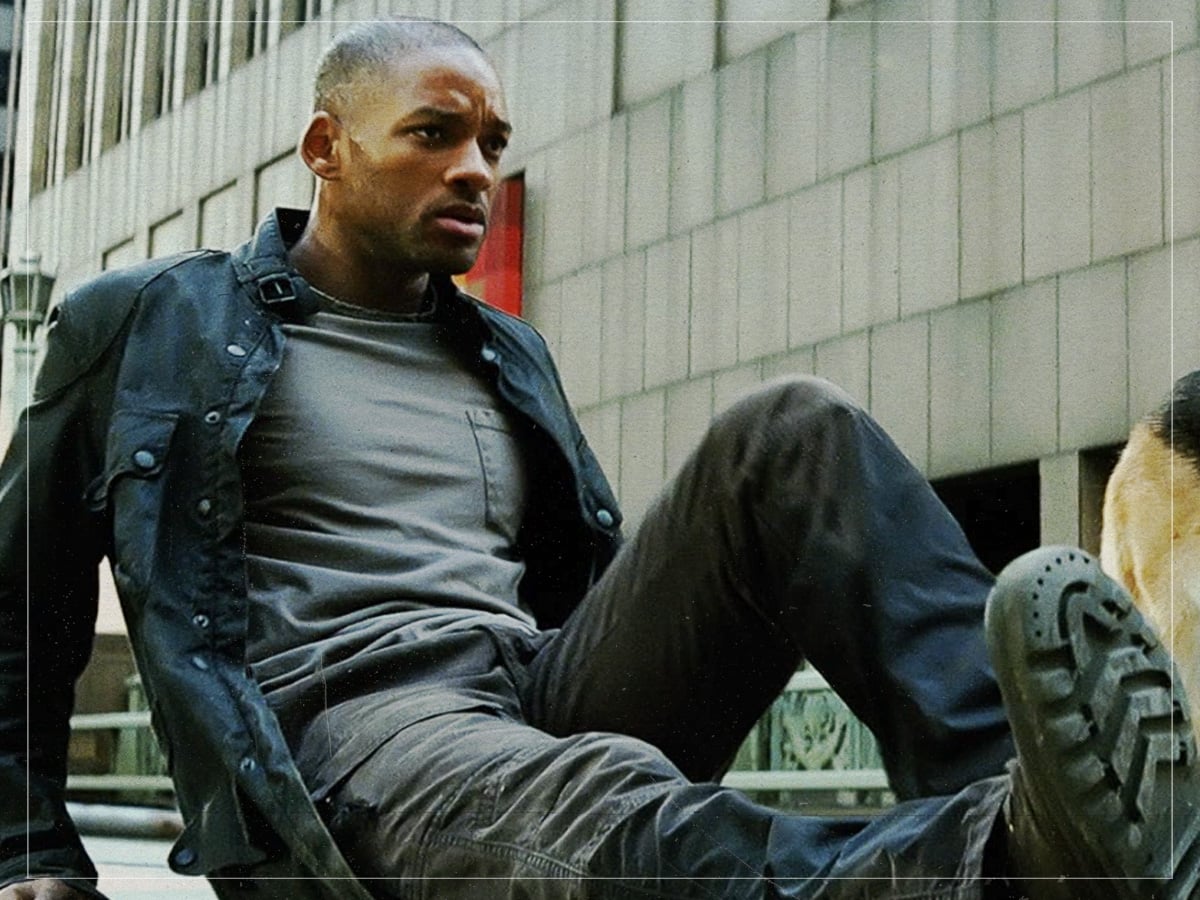
Will Smith had a few blunders while promoting his science fiction thriller I Am Legend, but the biggest mistake was letting test audiences push for a new ending. The original ending had a bold twist that revealed that Smith’s character, Dr Robert Neville, has misunderstood what the battle between the human survivors and the Darkseekers is really about, forcing him to strike out on his own in a quest for peace.
However, audiences wanted a more traditionally satisfying spectacle where Smith got to be a hero, and the theatrical ending was changed to have Neville sacrificing himself to destroy the Darkseekers. It was such a blunder that Smith has been trying to make a sequel, directed by Steven Cable Jr and written by Akiva Goldsman, that would treat the originally shot ending as the canonical one so that he could reprise his role.
‘Little Shop of Horrors’ (Frank Oz, 1986)
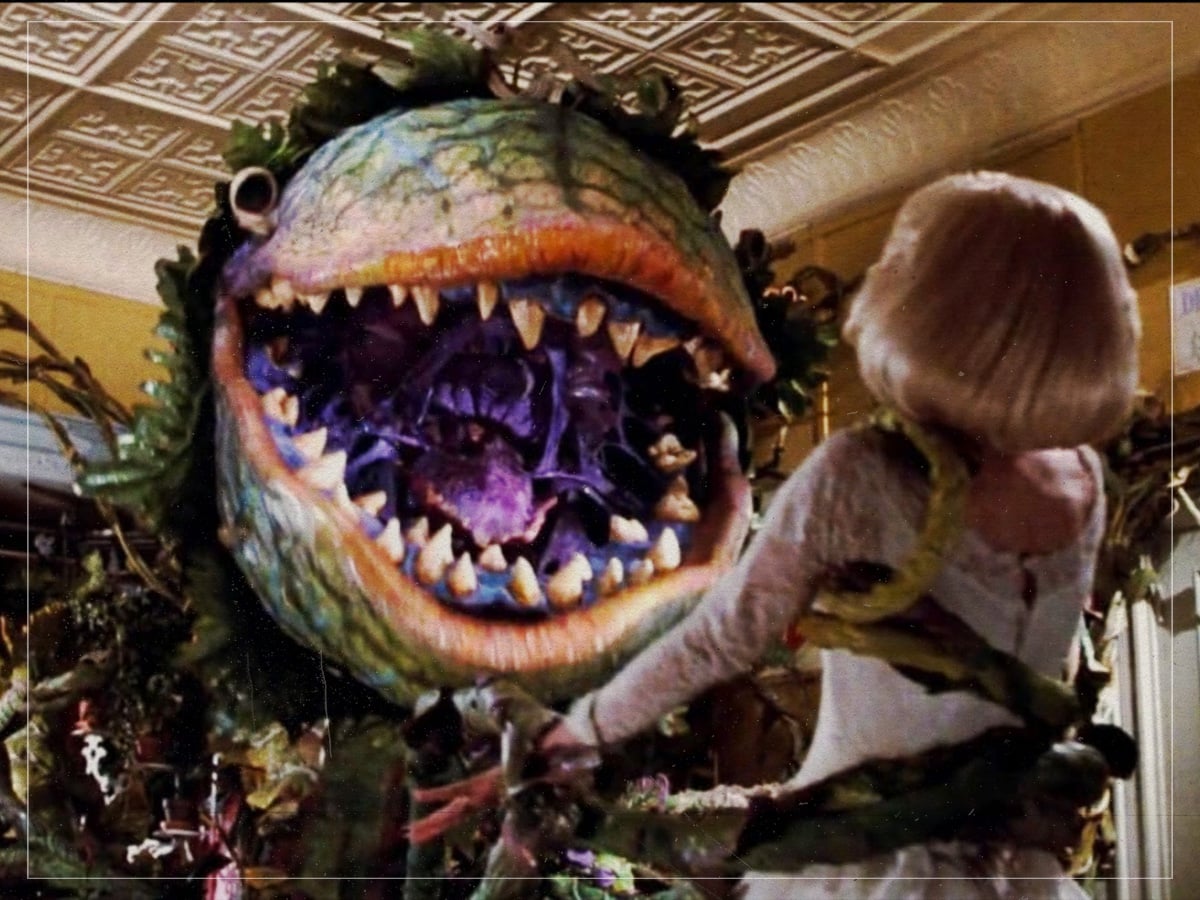
Little Shop of Horrors was a brilliant merger between comedy, horror, and music, as it took loose inspiration from the classic Roger Corman film to be one of the definitive cult classics of the ‘80s. Director Frank Oz was able to get away with a lot of dark moments in the film, including everything involving the evil dentist played by Steve Martin, but Warner Bros forced him to change the ending so that Rick Moranis’ Seymour and Ellen Greene’s Audrey would survive based on the complaints by test audiences.
To remove the dark ending is to miss the point of Little Shop of Horrors entirely, as the film becomes just another ‘80s monster comedy if it doesn’t conclude with Seymour being consumed by his own creation. The original ending was thankfully restored many years later, and is the version that all musical adaptations of the film have been based on.
‘Alien 3’ (David Fincher, 1992)
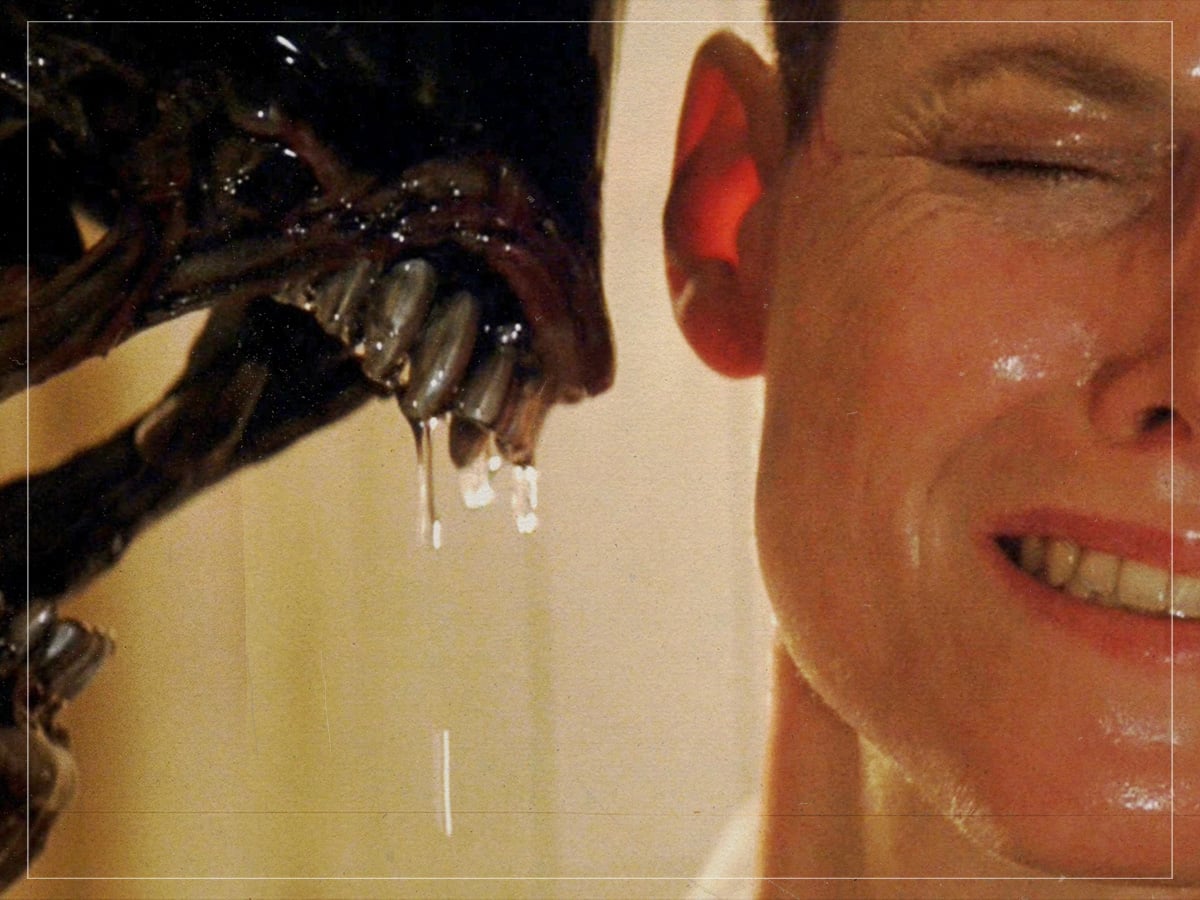
David Fincher has disowned Alien 3 entirely because of the negative experience he had making a film that he ultimately also didn’t get the final cut of. Fincher had originally envisioned a dark, moody prison thriller that used the backdrop of the Aids crisis to say something about societal infraction. It’s likely that the version Fincher had in mind was closer to what he would eventually do with Se7en and Fight Club, but test audiences wanted more action so that it would adhere closer to the style of what James Cameron had done with Aliens.
The film so thoroughly broke Fincher’s spirit that he has never returned to do a director’s cut; while there is an ‘Assembly Cut’ that restores some of the deleted scenes and edits to approximate what his vision was, Fincher has yet to give it his endorsement.
‘First Blood’ (Ted Kotcheff, 1982)
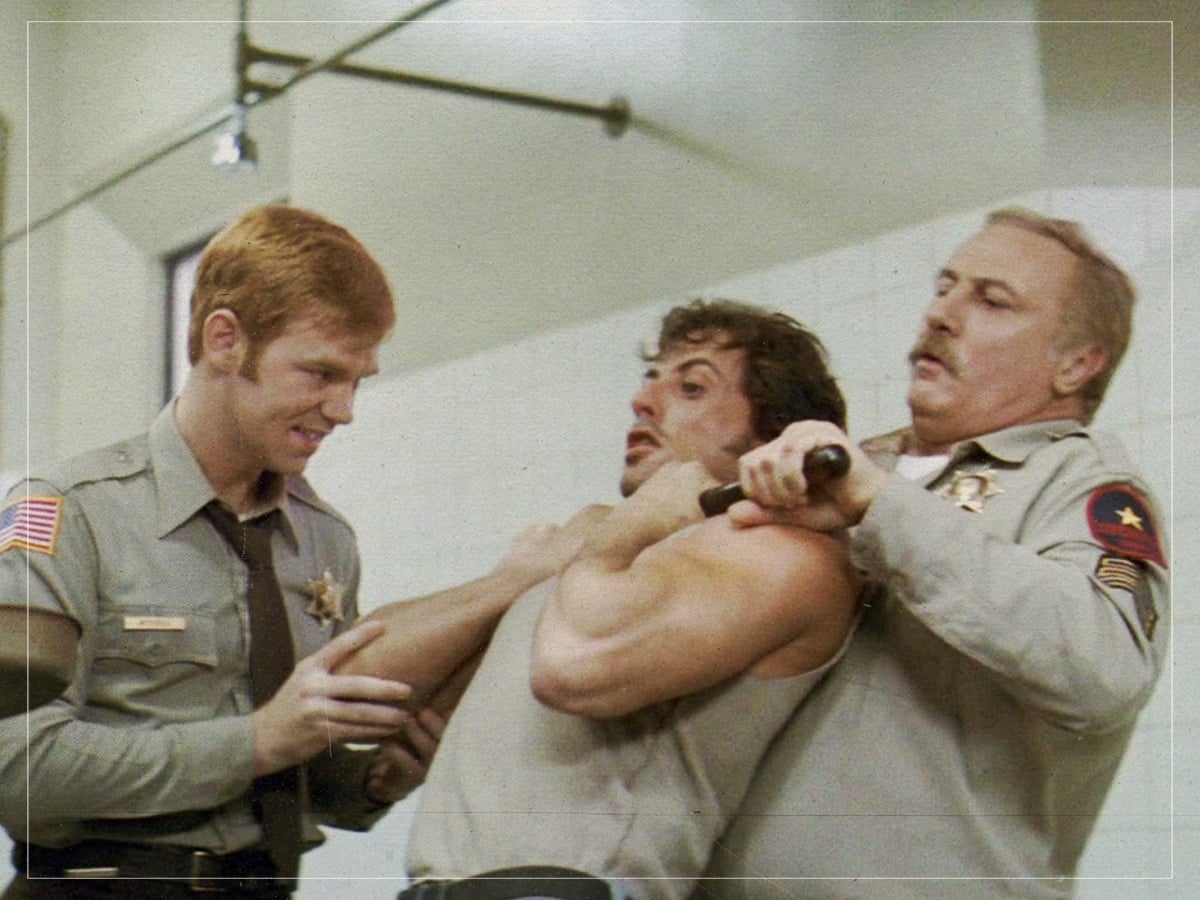
Sylvester Stallone has a history of taking over projects that he isn’t technically credited as the writer and director of by exerting creative control, and this trend started when he convinced the studio to alter the ending of First Blood. Originally, the film was faithful to the novel it was based on, which ended with John Rambo being killed by the cops.
Stallone used test screenings to rally for a change in which Rambo would live, giving the film a hopeful ending. While he might not have been completely off base in wanting to give a positive message for real veterans of Vietnam, the fact that Rambo survived First Blood allowed for the creation of four sequels, all of which mistook the original’s sensitive depiction of masculinity for a complete endorsement of jingoism and American exceptionalism.
‘Halloween’ (David Gordon Green, 2018)
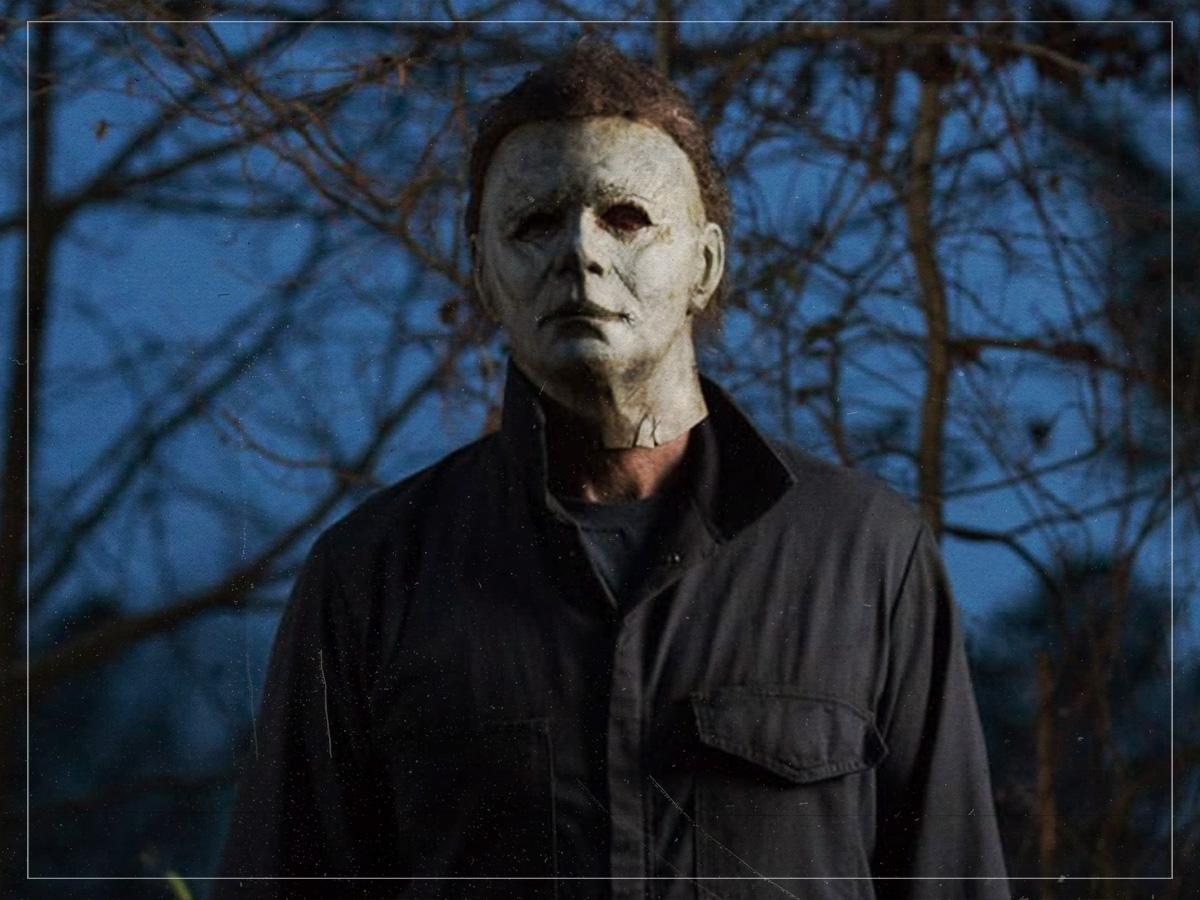
Halloween is a great film, but not a great franchise because Michael Myers doesn’t work as a villain if he consistently fails and then returns from the dead. The 2018 sequel, simply titled Halloween, aimed to be the definitive continuation of the original film because it brought back the first final girl, Laurie Strode, played by Jamie Lee Curtis, and ignored the events of all of the sequels.
It originally ended with Laurie being saved by her daughter Karen, played by Judy Greer, and granddaughter Allyson, played by Andi Matichak, so that all three generations of Strode women could work together to kill Michael once and for all, but it was changed so that Laurie could be the sole hero and Michael’s fate remained ambiguous. This laid the groundwork for the two disastrous sequels, Halloween Kills and Halloween Ends, and seemed to only exacerbate Curtis’ ego.
‘Final Destination’ (James Wong, 2000)
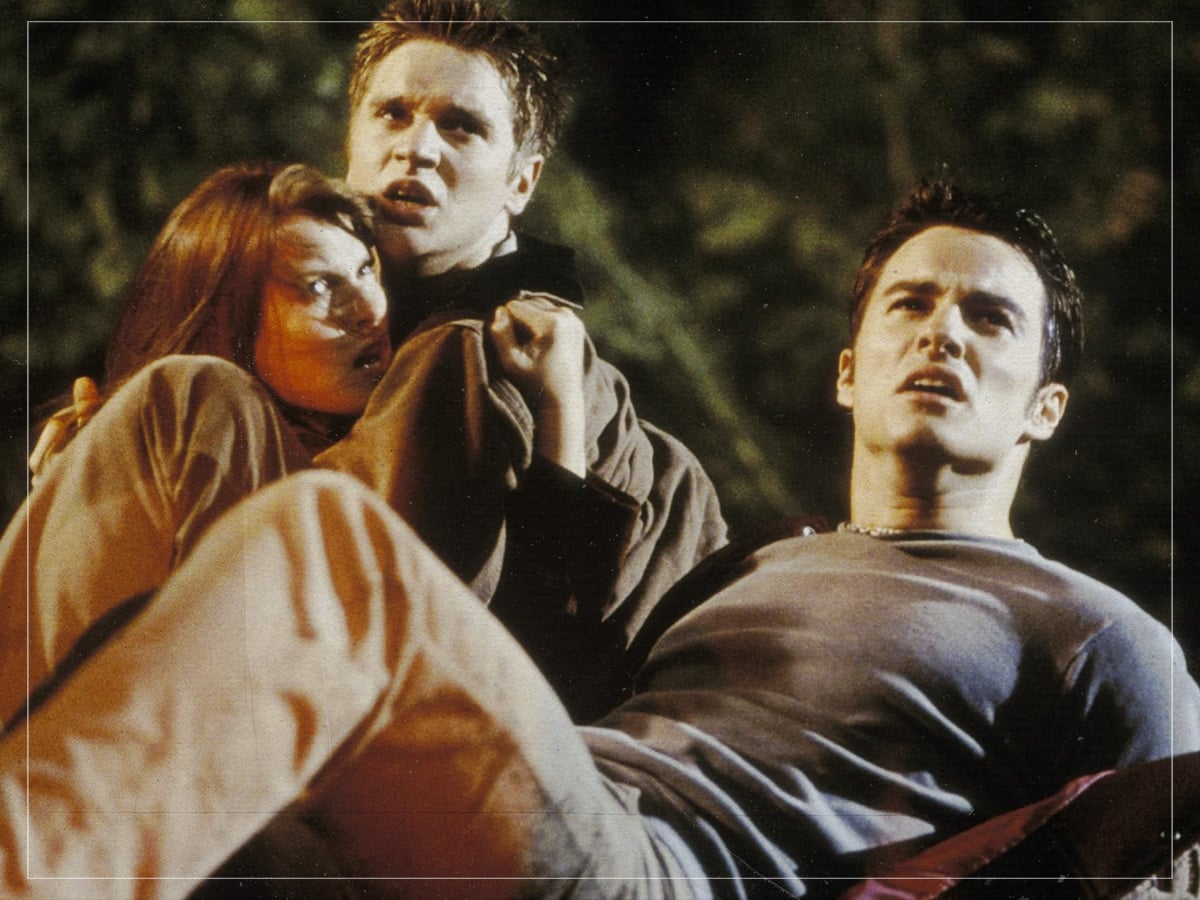
Final Destination is one of the few horror franchises that has been consistently solid, with the only exception being the fourth instalment, but the first one could have been even more tragic because it was set to end with Alex Browning, played by Devon Sawa, sacrificing himself to save Clear Rivers, played by Ali Larter, who is revealed to be pregnant with his child. This would have made the death carry more emotional weight, rather than just being another cool killing scene.
Although it is unfortunate that test audiences rejected this bold idea, the Final Destination series was eventually able to utilise the events of the first film’s ending with the conclusion of Final Destination 5, where the characters believe that they have escaped death’s grip once and for all, but realise that they are aboard the flight from the original film that crashes.
‘Suicide Squad’ (David Ayer, 2016)
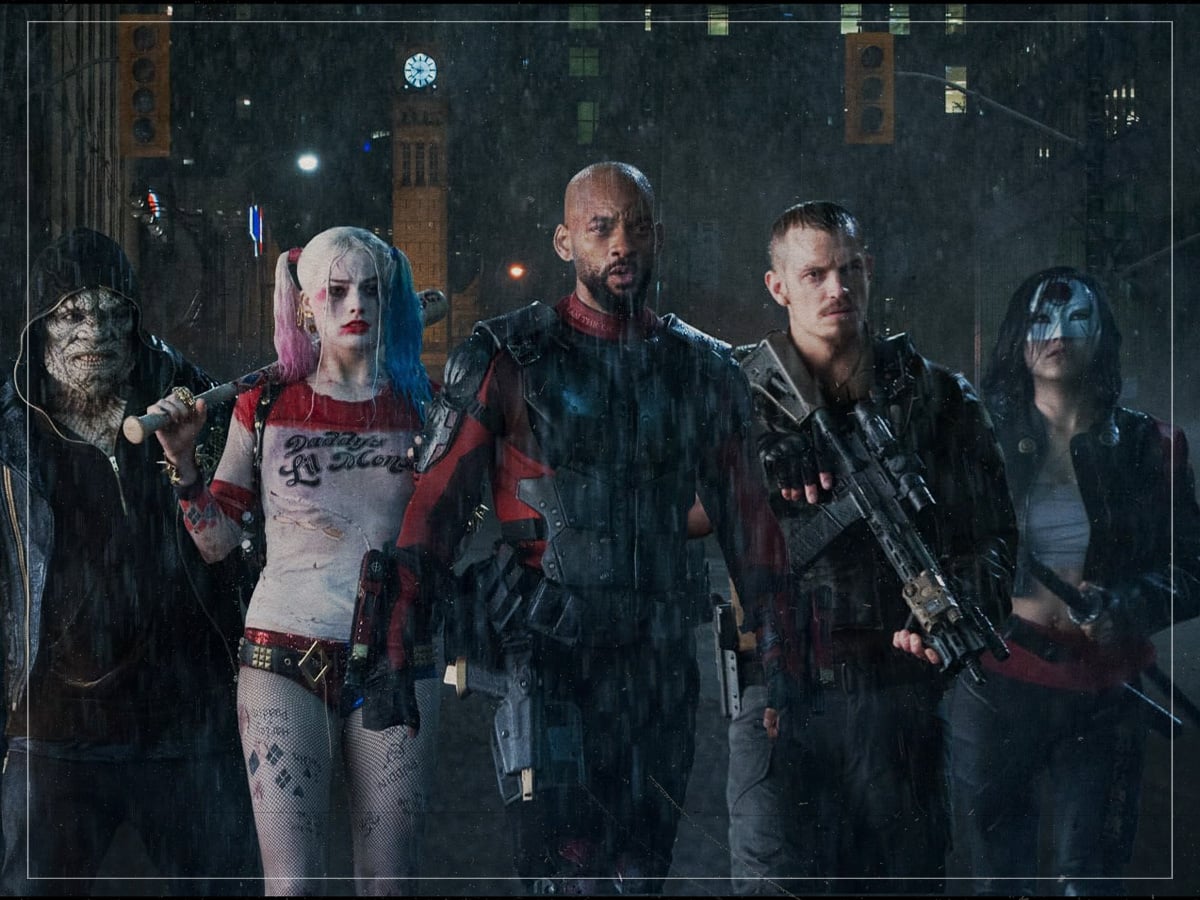
DC Comics have always had a tough time being adapting to the big screen, but the rollout of the DCEU following the divisive responses to Man of Steel was nothing short of disastrous. Warner Bros didn’t even rely on test screenings for the rough cut of Suicide Squad, which was reportedly plagued with issues, and instead were inspired by the positive reception to a trailer for the film that utilised Queen’s ‘Bohemian Rhapsody’ to recut the film to make it lighter and more heavy on jokes.
There’s no guarantee that David Ayer’s version of Suicide Squad would have been good (his work on Bright suggests that it probably wouldn’t), but the film was such a messy, tonally inconsistent disaster that it caused even more headaches for Warner Bros, as they tried to continue what became a failed attempt at a cinematic universe.
‘Captain America: Brave New World’ (Julius Onah, 2025)
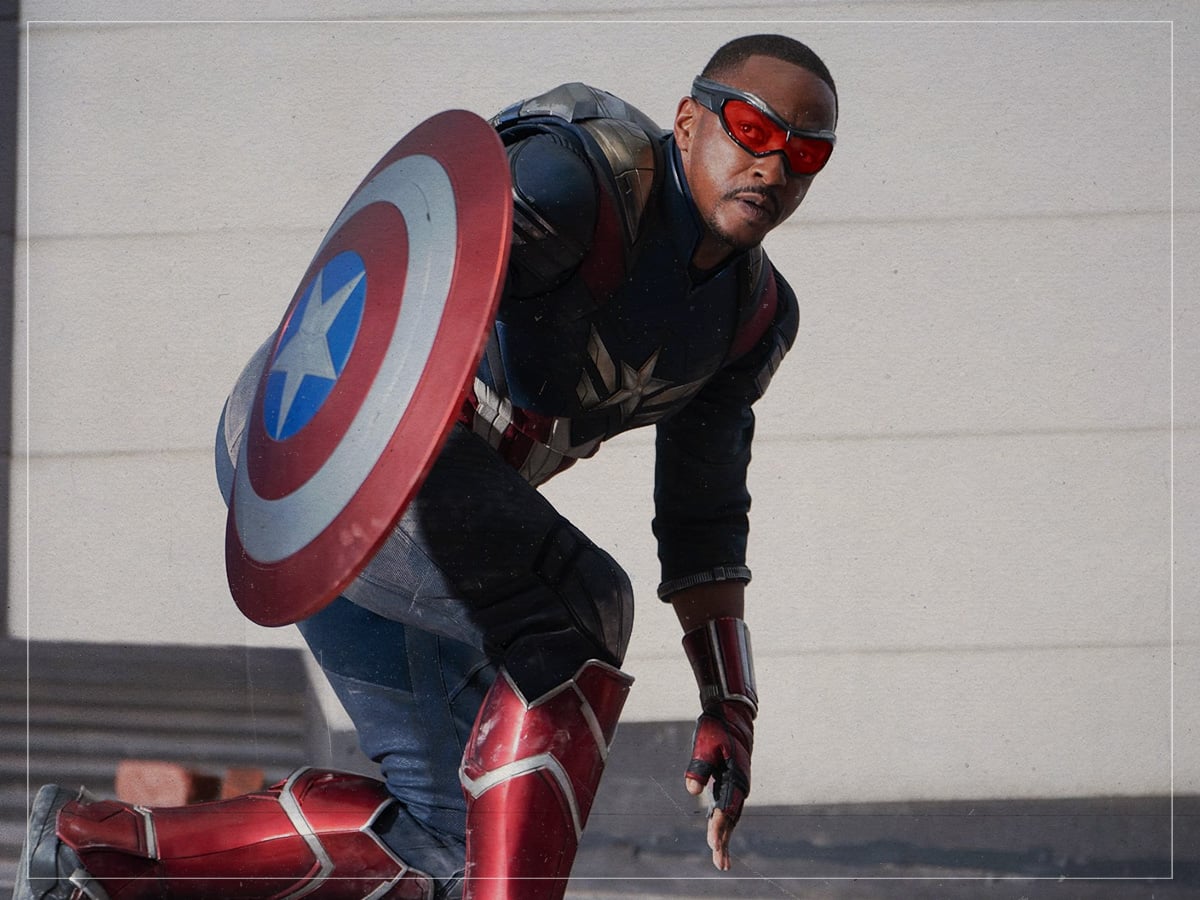
Marvel Studios has frequently been criticised for overruling the creative impulses of its filmmakers for the sake of retaining a ‘house style’, but that was never more apparent than with the making of Captain America: Brave New World. The film was working with an incomplete script and went through serious creative changes and reshoots, as Marvel held several test screenings to determine alternate endings.
As a result, the film’s stars had basically no idea what they were making, which Harrison Ford even spoke out against, despite initially being enthusiastic about taking over the role of Thunderbolt Ross from the late William Hurt. While some Marvel films were doomed from the start, like The Marvels, Captain America: Brave New World had the potential to be a compelling political thriller that could have been closer in tone to the style of Captain America: The Winter Soldier.
